




Beige Paper Artwork
These beige paper artwork selections comprise historical works on paper spanning multiple centuries, offering collectors original paintings and drawings.
Beige Paper Artwork
Beige paper artwork encompasses historical paintings, watercolours, drawings, and prints created on toned or tinted paper supports. These pieces emerge from periods ranging from the eighteenth century through to the mid-twentieth century.
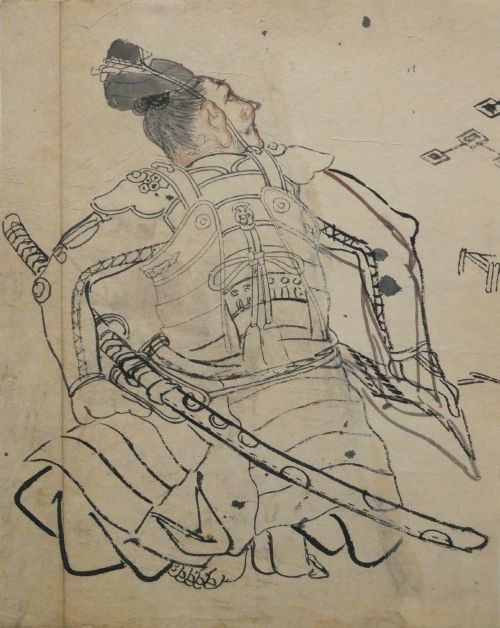
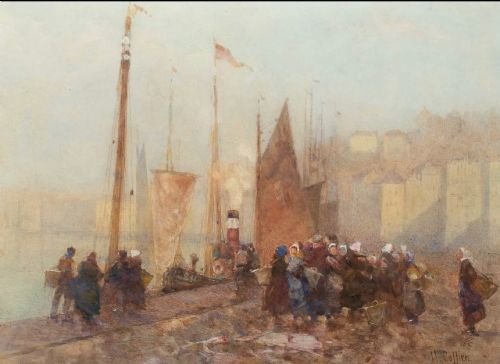
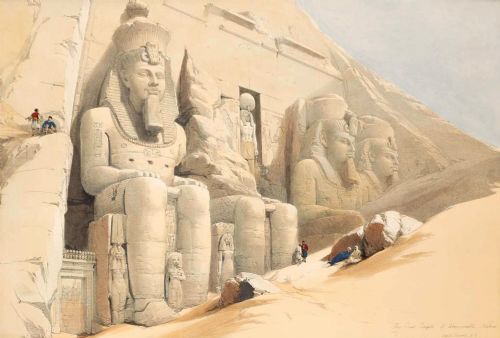
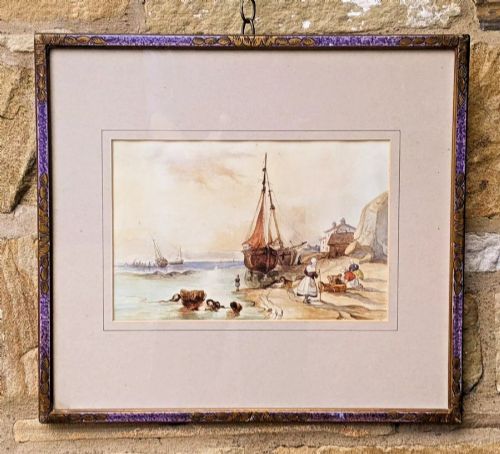
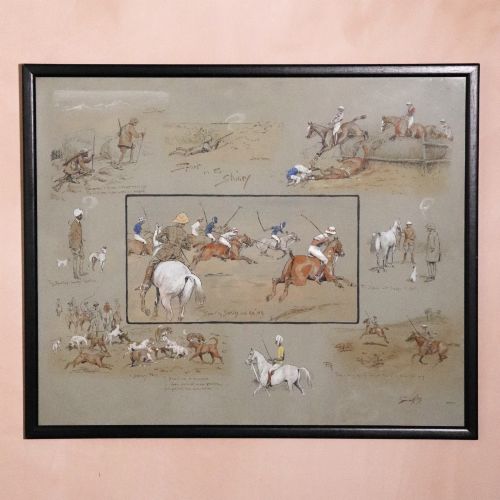
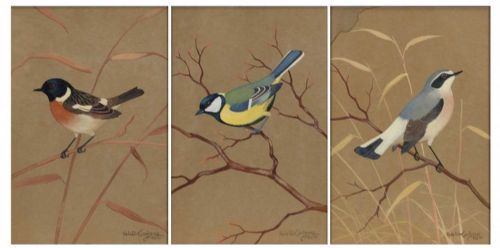
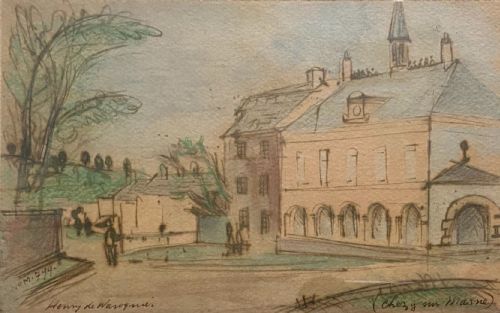
Collectors encounter various subjects on this page, including maritime scenes, architectural studies, botanical illustrations, and portraits. The selection reflects diverse global origins, from British landscapes to Chinese portrait paintings and French mixed media drawings.
The objects span multiple stylistic movements, incorporating Victorian realism, early twentieth-century traditions, and British Modernism. Works appear in various formats, including framed wall art, individual drawings, and multi-piece albums.
Materials and technique
Makers utilised water-soluble pigments, gouache, ink, watercolour, and pastel applied directly to paper supports. These media interact with the natural tone of the paper, allowing artists to deploy white bodycolour for highlights.
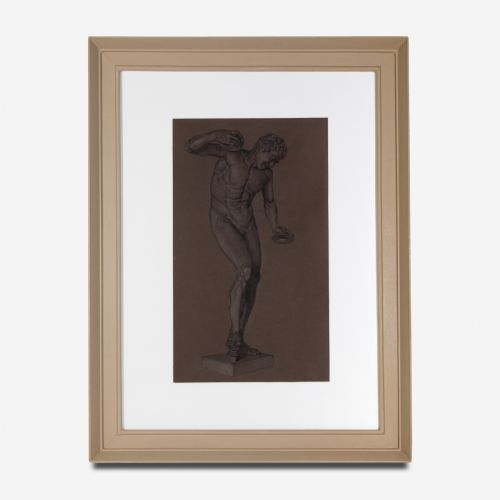
Draftsmanship forms the foundation of these pieces, with charcoal and pencil often underpinning ink and wash techniques. Works are housed behind glass within wooden frames to protect the delicate paper surfaces from environmental damage.
Beige Paper Artwork Retail Price Guide 2026
Typical asking prices for beige paper artwork among the pieces listed under this phrase on Sellingantiques today, from the lower quarter to the upper quarter. They describe what is for sale here now, not the wider market.
Determinants of quality
Quality rests upon the confidence of the hand, where assured brushwork in watercolour or precise ink lines distinguish accomplished artists from amateur practitioners. The relationship between the medium and the paper tone dictates the visual depth of each composition.
Condition and preservation heavily influence the standing of an individual piece, particularly regarding paper discolouration and pigment stability. The presence of clear signatures, artist seals, and well-documented provenance further elevate the stature of works on paper.
Hector Caffieri·David Roberts·William Frederick Settle·Cuthbert Crossley·Fred Lawson·Leslie Rackham·Kate E Booth·Ya Ming·John Hoppner·Faeq Hassan·Dame Laura Knight·Sir William Charles Ross
The Beige Paper Artwork Glossary
- Watercolour
- A paint consisting of a pigment suspended in a water-soluble binder, traditionally applied to paper. It allows for translucent washes that let the colour and texture of the underlying paper show through.
- Gouache
- An opaque water-soluble paint created by adding a white pigment to watercolour, yielding solid areas of colour. Artists use it to build opaque highlights on toned paper.
- Provenance
- The chronology of the ownership, custody, or location of a historical historical piece. Clear records establish authenticity and historical context for works on paper.
- Mixed media
- An artwork in which more than one medium or material has been employed. Creators combine ink, watercolour, and pencil on a single paper support.
- Works on paper
- A classification encompassing creations where paper serves as the primary substrate, including drawings, prints, and paintings.
Beige Paper Artwork: Frequently Asked Questions
What is beige paper artwork?
These items are original works created on tinted or aged paper supports, encompassing watercolours, ink drawings, gouache paintings, and pastels.
The category spans multiple centuries, offering buyers access to historical creations by named artists and regional schools.
How should I frame works on paper?
Historical works require framing behind glass to protect the delicate paper support from dust, moisture, and handling damage.
Conservation mounting using acid-free materials prevents chemical degradation and keeps the paper separated from the glass surface.
How do I identify the period?
Dating relies upon stylistic markers, artist signatures, framing methods, and the physical characteristics of the paper stock itself.
Catalogues and historical records often provide firm dates, while period framing can offer secondary chronological clues.
Where were these pieces produced?
The selection includes British landscapes and maritime scenes alongside French ink drawings, Iraqi portraits, and Chinese painted albums.
Geographic origins are typically established through artist biographies, subject matter, and regional school classifications.