



19th Century Ironstone
These 19th century ironstone pieces offer robust utility and striking display presence, combining heavy ceramic bodies with vibrant hand-painted patterns.
What 19th century ironstone pieces are
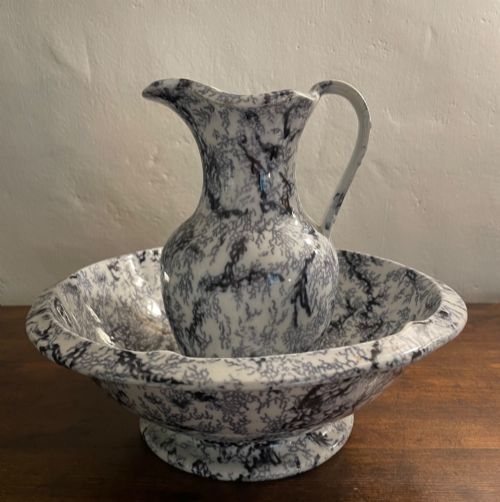
When you search for 19th century ironstone, you encounter a durable ceramic ware developed to withstand heavy daily use while mimicking the appearance of expensive porcelain. The pieces available here span utilitarian forms and decorative vessels designed for the Victorian dining table and drawing room.
The selection frequently includes large serving vessels such as tureens, footbaths, and bowls alongside matching tea service components and jugs. Most examples date from the Victorian period, displaying characteristic weight and substantial wall thickness.
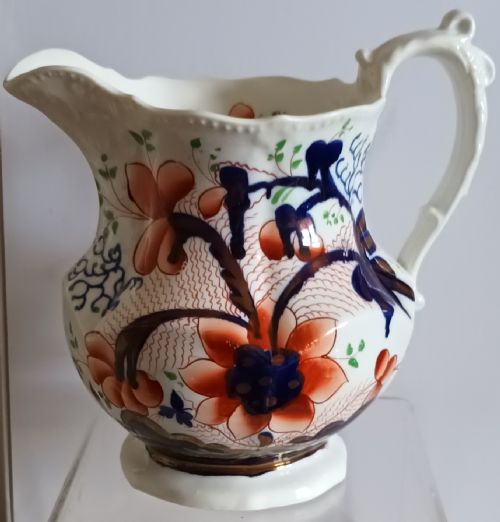
Makers adapted traditional shapes into robust forms, creating desk sets, vases, and plates decorated with bold motifs. These items range from plain white utilitarian objects to richly coloured designs inspired by Eastern aesthetics.
How they were made
Makers manufactured these heavy wares using a dense ceramic body composed of ball clay, feldspar, and slag, fired at high temperatures to achieve vitrification. This dense matrix gave the ceramic its characteristic chip resistance and heavy feel.
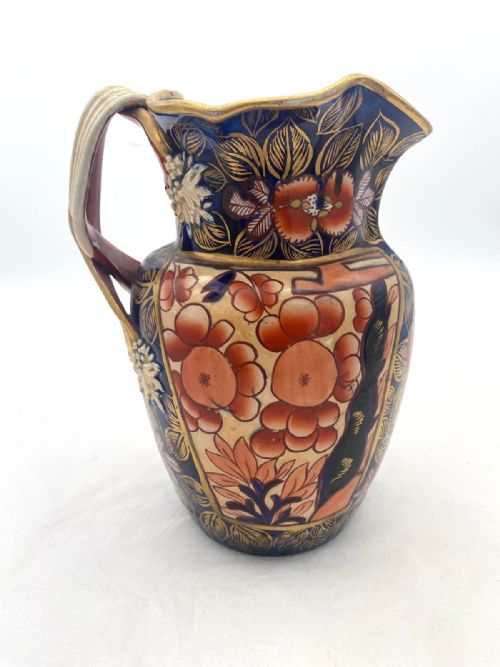
Craftsmen applied surface enrichment using hand-painted enamel and transfer printing techniques, often finishing details with gold leaf and gilding. Pieces decorated in the Victorian Imari style combined ironstone bodies with deep cobalt blue and rust-red enamel paint.
Retail Price Guide 2026
Typical UK retail prices for 19th century ironstone, calculated from the Sellingantiques database of over a million retail prices indexed since 2003. This retail price guide relies exclusively on Sellingantiques data; no external sources or auction records are used, so the figures do not describe the wider market.
Some nineteenth century water jugs feature moulded snake handles alongside elephant feet.
What varies in quality
The sophistication of the painted or printed decoration determines much of the aesthetic value across these heavy ceramic wares. Finer examples display crisp hand-applied enamel work and precise gilding that remains intact across complex mouldings.
Moulding definition distinguishes superior pieces from heavier utility items, with crisp details on sculptural elements like snake handles and elephant feet. The purity of the white ironstone body beneath the glaze also indicates higher production standards.
Masons Patent Ironstone·Coalbrookdale
The 19th Century Ironstone Glossary
- Ironstone
- A heavy, durable ceramic body patented in the nineteenth century to provide a strong alternative to porcelain. It resists chipping and holds thick glazes well.
- Imari
- A decorative style featuring rich cobalt blue and iron red enamel, often enhanced with gold leaf. Nineteenth century potters adapted this Japanese aesthetic onto British ceramic bodies.
- Tureen
- A deep covered serving vessel used historically for soups or sauces at the dining table. These large ironstone examples often feature decorative handles and matching stands.
- Gilding
- The application of gold leaf or gold paint to ceramic surfaces for decorative accent. On ironstone, gilding highlights moulded rims, handles, and painted motifs.
- Vitrification
- The high-temperature firing process that melts ceramic particles together into a glass-like, non-porous state. This process gives ironstone its dense, durable structure.
Frequently Asked Questions
What is 19th century ironstone?
It is a heavy, durable ceramic material developed in the nineteenth century as a strong, practical alternative to porcelain for domestic use.
Pots and vessels made from this dense body include large tureens, jugs, plates, and decorative bowls designed for heavy service.
How do I clean ironstone?
Wash these robust ceramic pieces gently in warm soapy water using a soft cloth to protect any surface enamel or gilding.
Avoid harsh scourers and abrasive detergents that can wear away hand-painted details and gold leaf over time.
Can I use ironstone daily?
Many sturdy ironstone pieces were made for heavy dining use and remain tough enough for regular practical application on the table.
Consider the presence of delicate hand-painted enamel or gold leaf gilding before subjecting older decorative vessels to heavy daily service.
What is Victorian Imari?
Victorian Imari refers to a decorative ceramic pattern inspired by traditional Japanese export wares, featuring deep cobalt blue and rust red.
Nineteenth-century ironstone makers applied these bold, colourful motifs alongside gilding to create striking tea services and plates.