


19th Century Indian Antiques
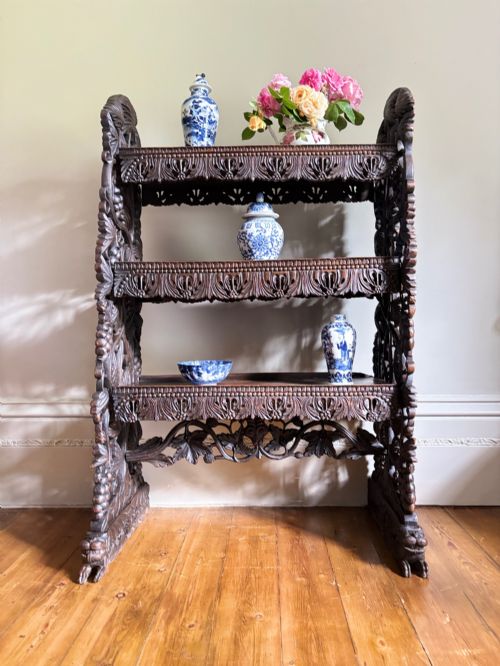
These 19th century indian antiques bring dense native timbers and intricate decorative carving straight into modern rooms.
19th Century Indian Antiques
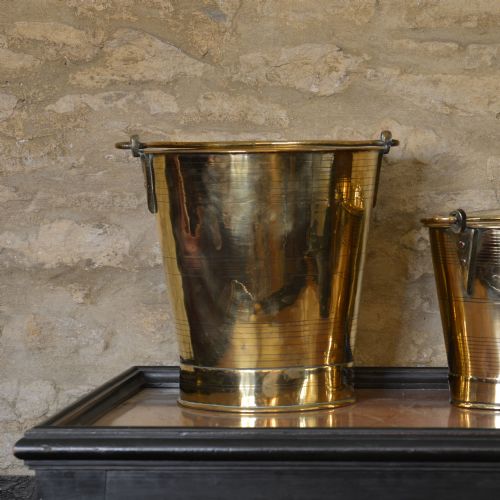
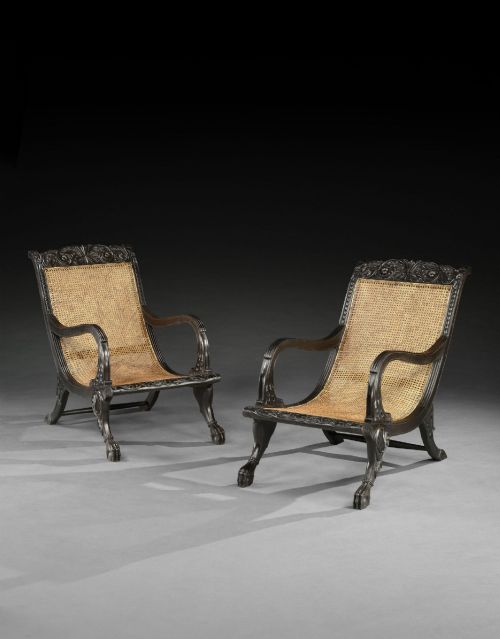
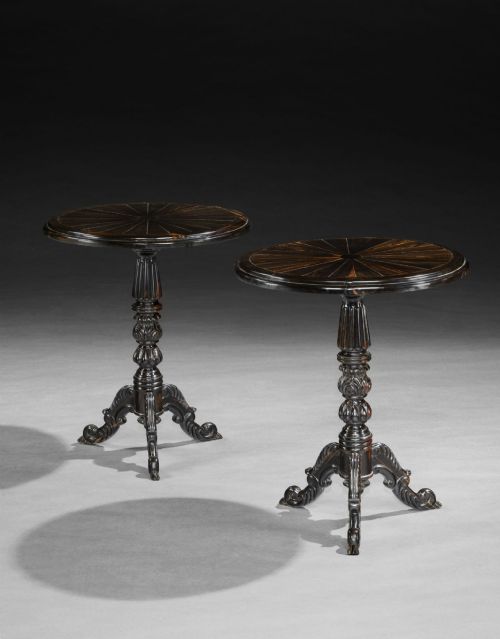
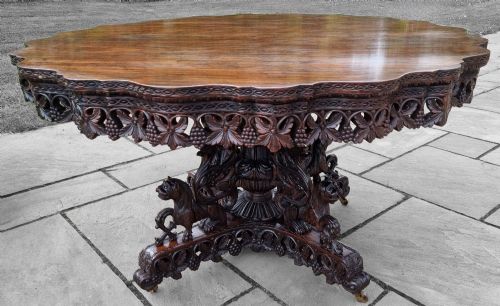
When you search for 19th century indian antiques, you encounter a varied assortment of seating, tables, storage chests, and decorative objects made during the colonial era. The selection draws heavily from Anglo-Indian, Ceylonese, Kashmiri, and Hoshiarpur traditions, blending local craftsmanship with British domestic forms. You will frequently meet side tables, armchairs, cabinets, and carved boxes spanning periods from the Georgian era through to Edwardian times.
The assortment on this page reflects distinct regional workshops and material preferences across the subcontinent and surrounding regions. Items range from heavy padauk and teak furniture to intricate brass-inlaid occasional tables and solid ebony seating. Buyers select these pieces for their rich timber grains, deep relief carving, and the functional history they carry into contemporary interiors.
How They Were Made
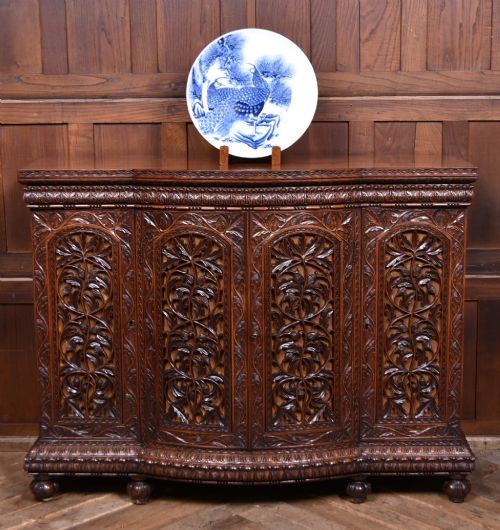
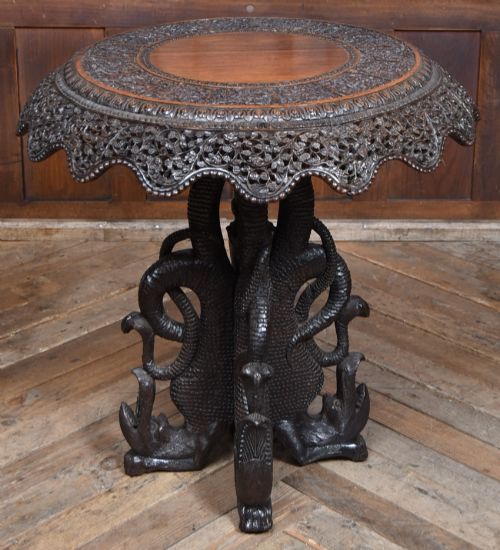
Artisans constructed these pieces using dense tropical hardwoods such as padauk, teak, rosewood, ebony, and calamander, often framing substantial storage chests with iron bands and brass mounts. Cabinetmakers and carvers utilised traditional joinery combined with extensive surface ornamentation, ranging from deep botanical relief work to intricate geometric inlay.
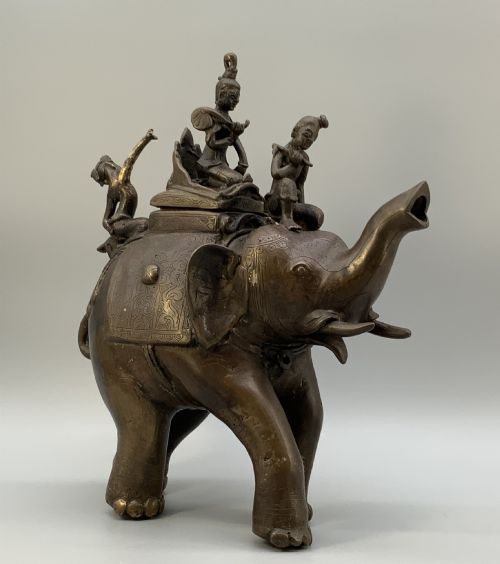
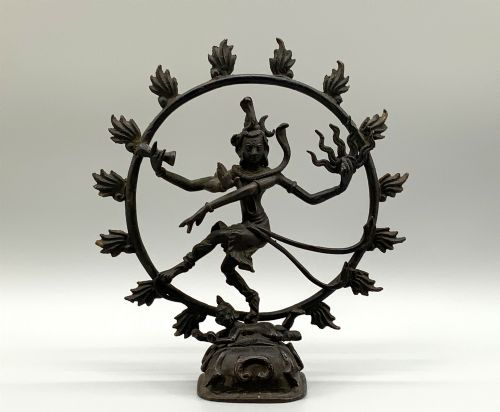
Metalwork and decorative finishes involved casting bronze figures, hammering repoussé copper, and applying red lacquer or bone details. Workshops in Hoshiarpur specialised in intricate inlay using contrasting materials on octagonal and square occasional tables, while regional carvers transformed solid timber into elaborate figures and seating.
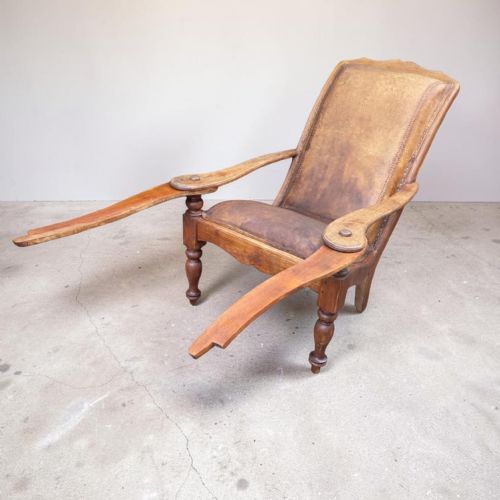
The furniture forms include campaign desks, planters chairs, dowry chests, and intricate octagonal occasional tables from Hoshiarpur.
What Varies in Quality
The standard of 19th century indian antiques depends primarily on the depth and crispness of the carving and the selection of timber. Dense, richly figured woods like calamander and ebony elevate certain armchairs and centre tables, whereas simpler utility pieces utilise plain teak or mixed hardwoods.
Execution of decorative detail separates standard production from exceptional examples. Finely balanced brass inlay, precise geometric patterns in Hoshiarpur work, and the structural integrity of large campaign furniture and heavy dowry chests dictate the standing of individual pieces.
The 19th Century Indian Antiques Glossary
- Anglo-Indian
- Furniture and decorative objects made in India during the British colonial period, combining traditional local motifs with European forms. These items often feature dense carving and exotic native timbers.
- Hoshiarpur
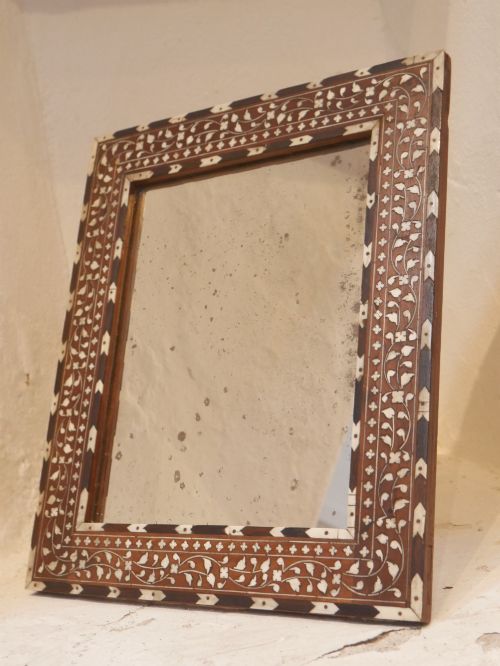
- A region in Punjab known for intricate woodwork and inlay techniques. Pieces from this tradition typically display complex geometric patterns formed using brass, bone, or contrasting wood on tables and mirrors.
- Campaign furniture
- Portable pieces designed to be easily dismantled and transported by military officers or administrators. They frequently incorporate brass corners, recessed handles, and robust native hardwoods.
- Repoussé
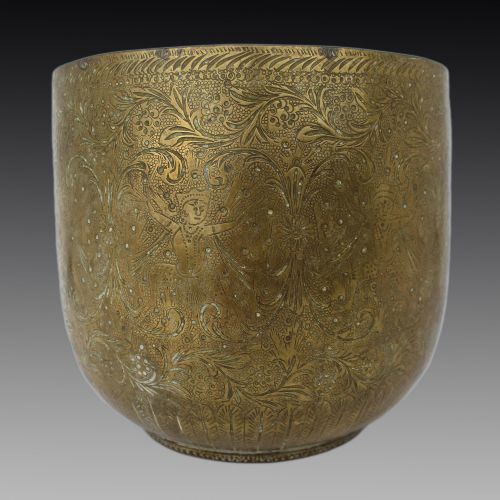
- A metalworking technique where a design is hammered into relief from the reverse side. This method appears on copper vases and vessels from the period.
- Zanzibar chest
- A heavy wooden storage chest decorated with brass studs and straps. These items reflect trade connections across the Indian Ocean and feature sturdy hardwood construction.
19th Century Indian Antiques: Frequently Asked Questions
What is an Anglo-Indian piece?
An Anglo-Indian piece is an item made in India during the colonial period that merges traditional local craftsmanship with European furniture forms. These objects were created for British residents or export markets.
They frequently utilise native timbers like padauk, teak, and rosewood, decorated with deep botanical carvings or intricate geometric inlay.
How do I identify Hoshiarpur furniture?
Hoshiarpur furniture is distinguished by dense, intricate inlay work covering the entire surface of the piece. Artisans used materials like brass and bone to create geometric and floral patterns.
These techniques appear most commonly on octagonal occasional tables, square side tables, and decorative mirrors from the late nineteenth century.
What woods were commonly used?
Maker workshops relied on heavy, durable tropical hardwoods native to the region. Common selections include teak, padauk, rosewood, ebony, and calamander.
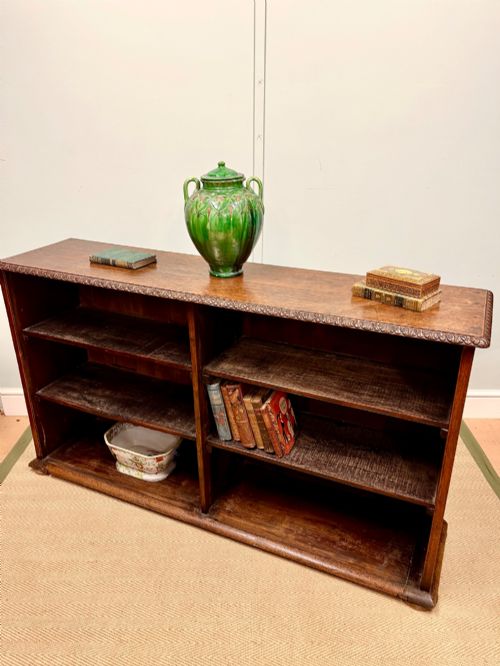
These timbers provided the structural strength needed for large items such as bookcases, campaign chests, and heavily carved armchairs.
How should I care for these antiques?
Maintain these pieces by keeping them away from direct heat sources and sudden humidity changes to protect the dense hardwoods and delicate inlay. Dust surfaces regularly with a soft, dry cloth.
Avoid using harsh chemical polishes that can damage traditional lacquer, brass mounts, or exposed timber grains.