


Antique Indian Wooden Figures
These antique Indian wooden figures are carved works spanning the nineteenth and early twentieth centuries, sought after for their rich material texture and traditional craftsmanship.
Antique Indian Wooden Figures
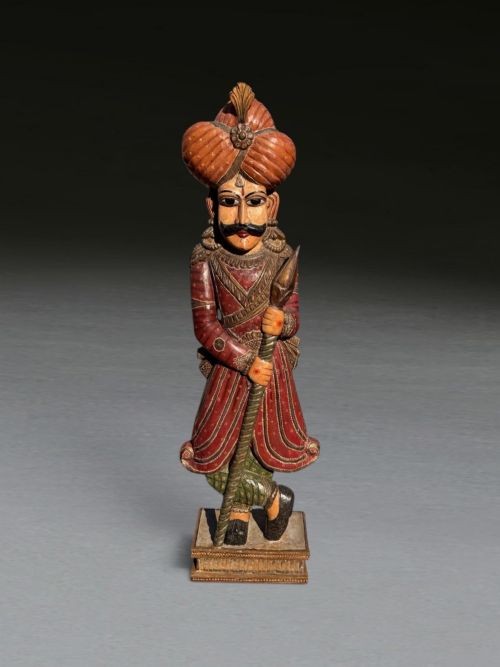
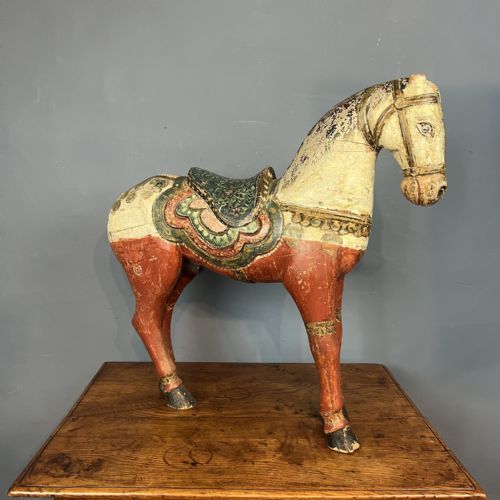
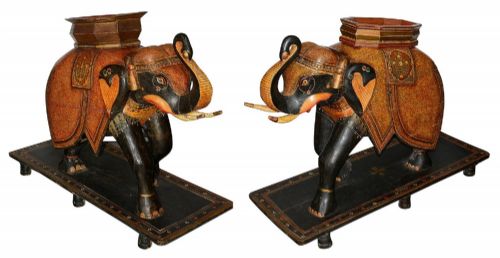
When you search for antique Indian wooden figures, you encounter a diverse array of sculptural forms originating from the nineteenth century onwards. The selection includes representations of deities such as the Goddess Parvati with Ganesha, alongside study pieces of elephants, horses, soldiers, and goats. These objects range from folk art carvings to Anglo-Indian colonial pieces created for presentation or display.
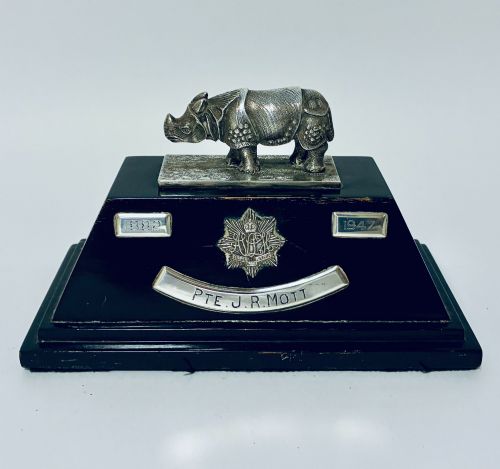
The objects take various functional and decorative shapes, including bookends, presentation trophies, processional models, and life-size statues. Many pieces reflect regional aesthetics from periods like the Raj, utilising local woods and traditional decorative finishes. Buyers frequently find carved animal studies and human figures that embody distinct cultural narratives and historical periods.
How they were made
Artisans carved these figures from various woods including teak, ebony, coromandel, and general hardwoods. The material choice determined the weight and natural colour of the finished sculpture, ranging from dark dense ebony to lighter carved hardwoods.
Many surfaces received additional treatment through gesso, paint, polychrome pigment, and lacquer to enhance the visual detail. These applied finishes highlight the garments of human figures, the trappings of animals, and the intricate patterns on decorative vessels.
The listings show nineteenth-century pieces alongside items from 1900, 1920, 1930, and 1940, encompassing both Victorian and Raj periods.
What varies in quality
The depth of carving and the precision of anatomical or architectural detail distinguish finer sculptures from simpler items. Superior pieces exhibit confident tool marks and expressive proportions in human and animal subjects, reflecting the skill of the carver.
The preservation of original surface finishes, such as polychrome pigment or lacquer, strongly influences the character of a piece. Intact surface layers retain the intended vibrancy and historical integrity of the work.
The Antique Indian Wooden Figures Glossary
- Anglo-Indian
- Pertaining to the artistic and cultural synthesis between Britain and India during the colonial period. These pieces often blend British functional requirements with traditional Indian craftsmanship.
- Polychrome
- Decorated in multiple colours. This term describes sculptures that retain painted surface details or pigmented coatings.
- Raj period
- The era of British rule in the Indian subcontinent spanning from 1858 to 1947. Items from this time often reflect the aesthetic exchange between the two cultures.
- Hardwood
- Dense timber derived from broad-leaved trees such as teak and ebony. Carvers utilised these resilient woods for detailed and durable sculptures.
Antique Indian Wooden Figures: Frequently Asked Questions
How do I date an antique Indian wooden figure?
Dating relies on stylistic clues, wood types, and recorded periods such as the nineteenth century or the Raj era. Construction methods and wear patterns also help establish the approximate age of the carving.
Documented provenance or specific regional art styles can narrow the production timeframe further. Comparing the piece with dated examples ensures greater accuracy.
Where were these wooden figures displayed?
Many figures served as decorative sculptures, bookends, or presentation pieces within colonial homes and offices. Larger statues and processional models functioned as significant display objects.
Smaller items like carved animals and containers suited domestic tabletops and libraries. Their dual roles as utility objects and art pieces made them versatile furnishings.
How should I care for painted wooden sculptures?
Keep wooden figures away from direct sunlight and fluctuating humidity to protect the wood and any applied pigments. Gentle dusting with a soft, dry cloth preserves the fragile surface.
Avoid using liquid cleaners or chemical polishes, as these can strip original paint, gesso, or lacquer finishes. Stable indoor environments prevent the wood from splitting.
What distinguishes Anglo-Indian pieces from folk art?
Anglo-Indian items often incorporate British tastes or functional forms, such as bookends and trophies, produced during the colonial administration. They frequently display refined hardwood carving.
Indian folk art pieces tend to express indigenous traditions and local religious motifs more directly. These works often feature vibrant polychrome pigments and distinct regional styles.