



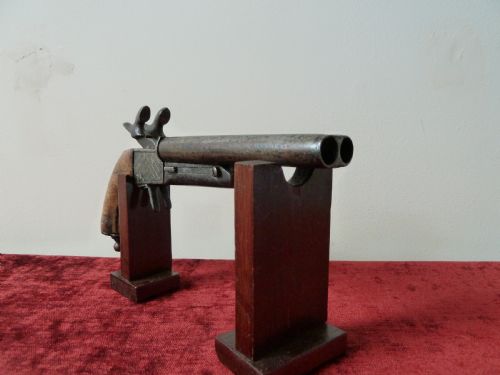
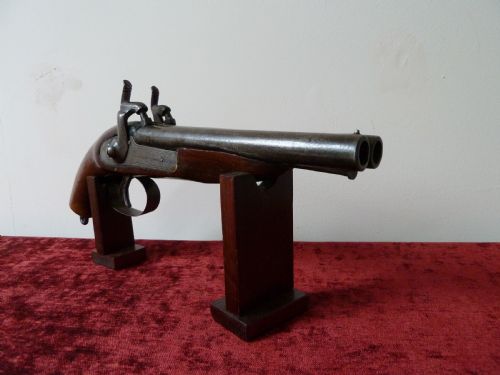
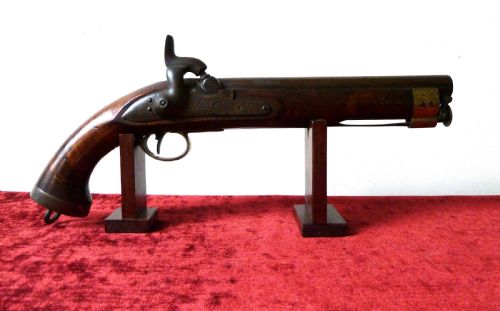


19th Century Handguns
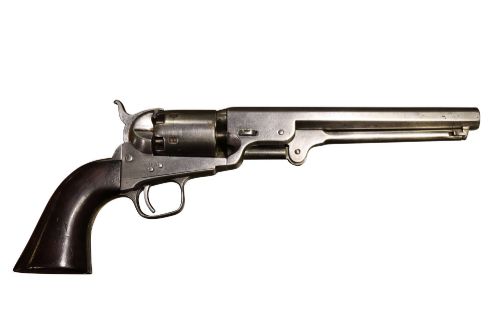
These 19th century handguns offer a tangible connection to the technological shifts in personal defence and military engineering across the decades.
19th Century Handguns
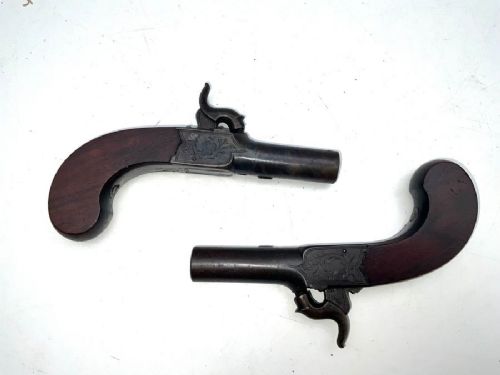
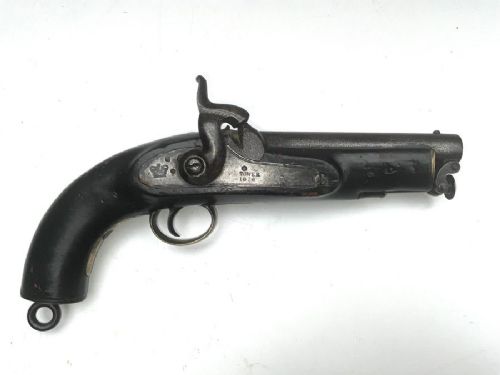
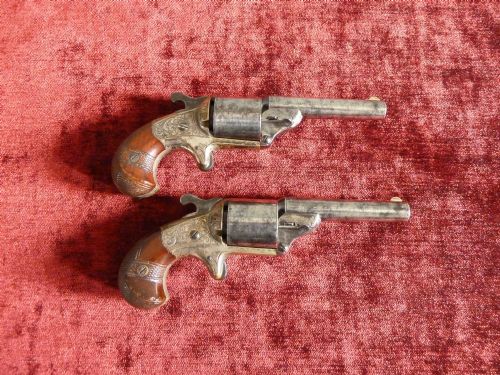
The inventory covers diverse service backgrounds, ranging from East India Company military pieces to civilian self-defence weapons. Buyers often discover matched pairs, boxed sets with accessories, and martial issue revolvers associated with mid-century conflicts.
How they were made
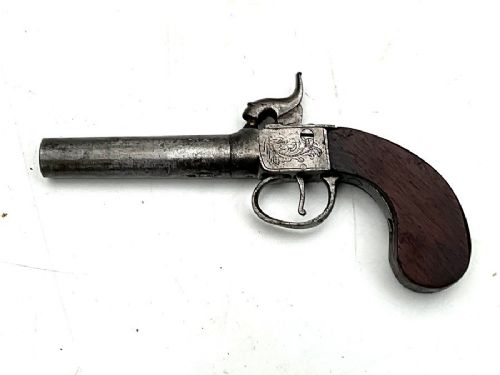
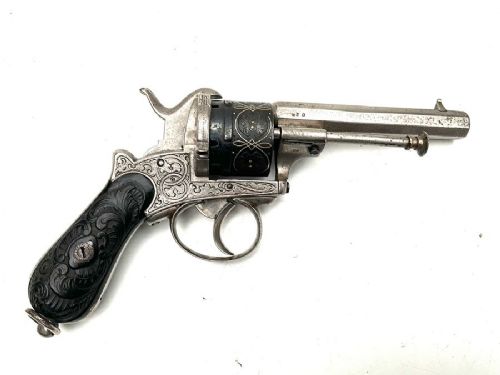
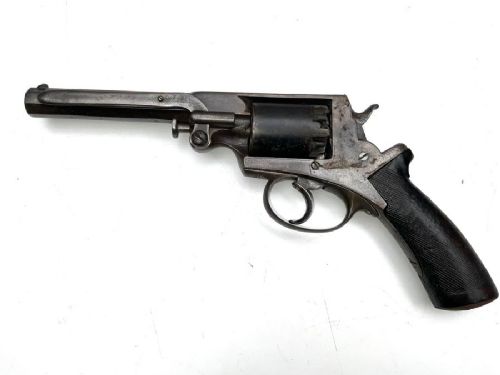
Gunmakers constructed these pieces primarily using steel, iron, and brass for the barrels and lock mechanisms, paired with stocks shaped from walnut, mahogany, or general hardwoods. Decorative elements sometimes incorporated silver inlay, mother-of-pearl, or embossed brass cladding.
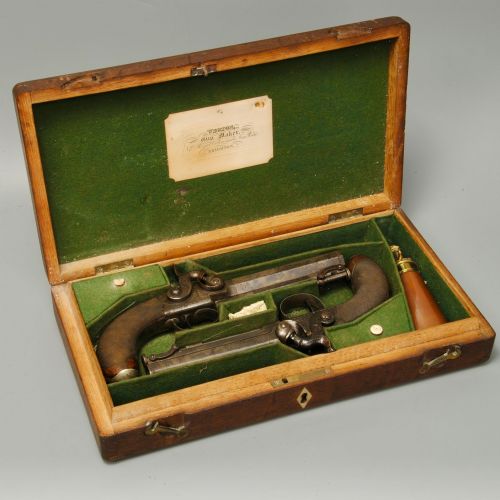
Craftsmen utilised various ignition systems, transitioning from traditional flintlock mechanisms to percussion cap locks and later pinfire or rimfire cartridge systems. Cased sets frequently included fitted wooden boxes lined with velvet to house the firearm alongside its loading accessories.
Some pocket pistols featured folding flick bayonets, ensuring an argument could be settled even after the ammunition ran out.
What varies in quality
The standard of execution ranges from standard government martial issue pieces built for utility to highly finished civilian arms bearing maker signatures and fine engraving. Surviving original finish, crispness of metal stampings, and the preservation of matching serial numbers set superior examples apart.
The integrity of the mechanism and the quality of the stock timber significantly influence the standing of a piece. Complete cased sets retaining their original accessories represent a higher tier of historical preservation than loose firearms.
Colt·Deane Adams And Deane·Auguste Francotte·Mortimer·Wilson
The 19th Century Handguns Glossary
- Percussion
- An ignition system utilising a small percussion cap struck by the hammer to detonate the main powder charge. This replaced the earlier flintlock method during the early decades of the century.
- Flintlock
- A firing mechanism that creates a spark by striking a piece of flint against a steel frizzen to ignite gunpowder. It represents the dominant technology before the percussion cap took over.
- Calibre
- The internal diameter of the firearm barrel. This measurement helps identify the appropriate ammunition or ball size for the piece.
- Smoothbore
- A barrel lacking internal rifling grooves. Many military and civilian pistols retained smooth bores well into the percussion era.
- Match
- A pair of pistols manufactured together as a matching set, often sharing serial numbers and housed in a fitted wooden case.
19th Century Handguns: Frequently Asked Questions
What is the difference between flintlock and percussion pistols?
Flintlock pistols rely on a piece of flint striking steel to create a spark that ignites the gunpowder inside the barrel. Percussion pistols use an external cap placed on a nipple, which is struck directly by the hammer to fire the charge.
This percussion system offered much greater reliability in wet weather and gradually replaced the flintlock mechanism during the early part of the century.
Were these handguns used in military service?
Many examples on this page served as official military issue for cavalry units, officers, and colonial forces. Government contracts often required specific markings and robust construction to withstand active service.
Other handguns were purchased privately by officers or civilians for personal protection during travel.
How should I store a cased pistol set?
Cased sets should be kept in a stable environment away from direct sunlight and excessive humidity to protect the wooden exterior and the internal velvet lining. Maintaining a consistent room temperature prevents the wood from warping and protects the metal components from tarnishing.
Opening the case periodically allows air circulation around the firearm and its accessories.
What do matching numbers indicate on a revolver?
Matching serial numbers across the frame, cylinder, and other components indicate that the firearm retains its original factory-assembled parts. This originality is a key factor for collectors studying firearms history.
Weapons with matching components preserve a more authentic record of their period of manufacture.