
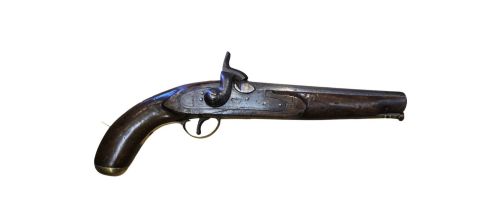
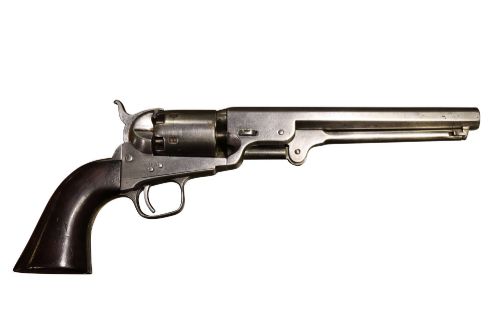
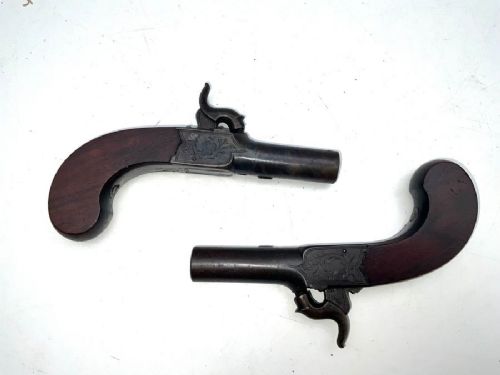
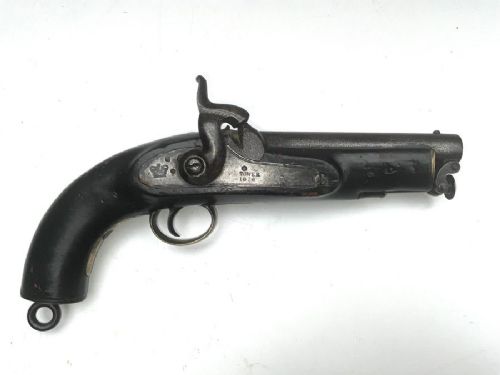




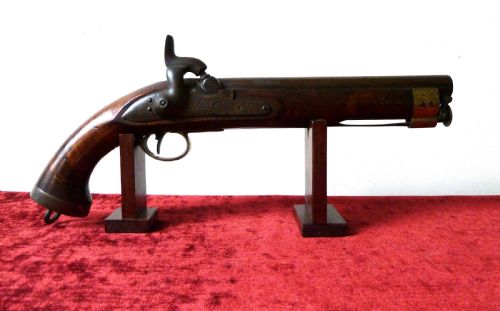


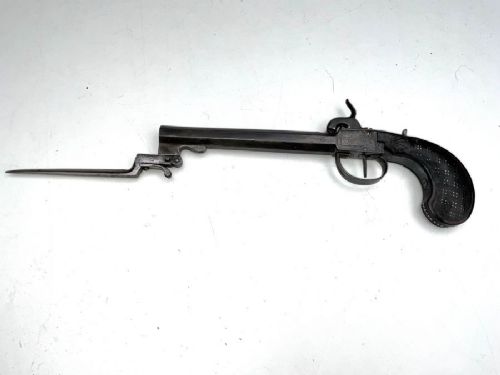
Antique Percussion Pistol
These antique percussion pistol examples offer nineteenth-century engineering in steel, iron, and brass, combining historical utility with compact firepower.
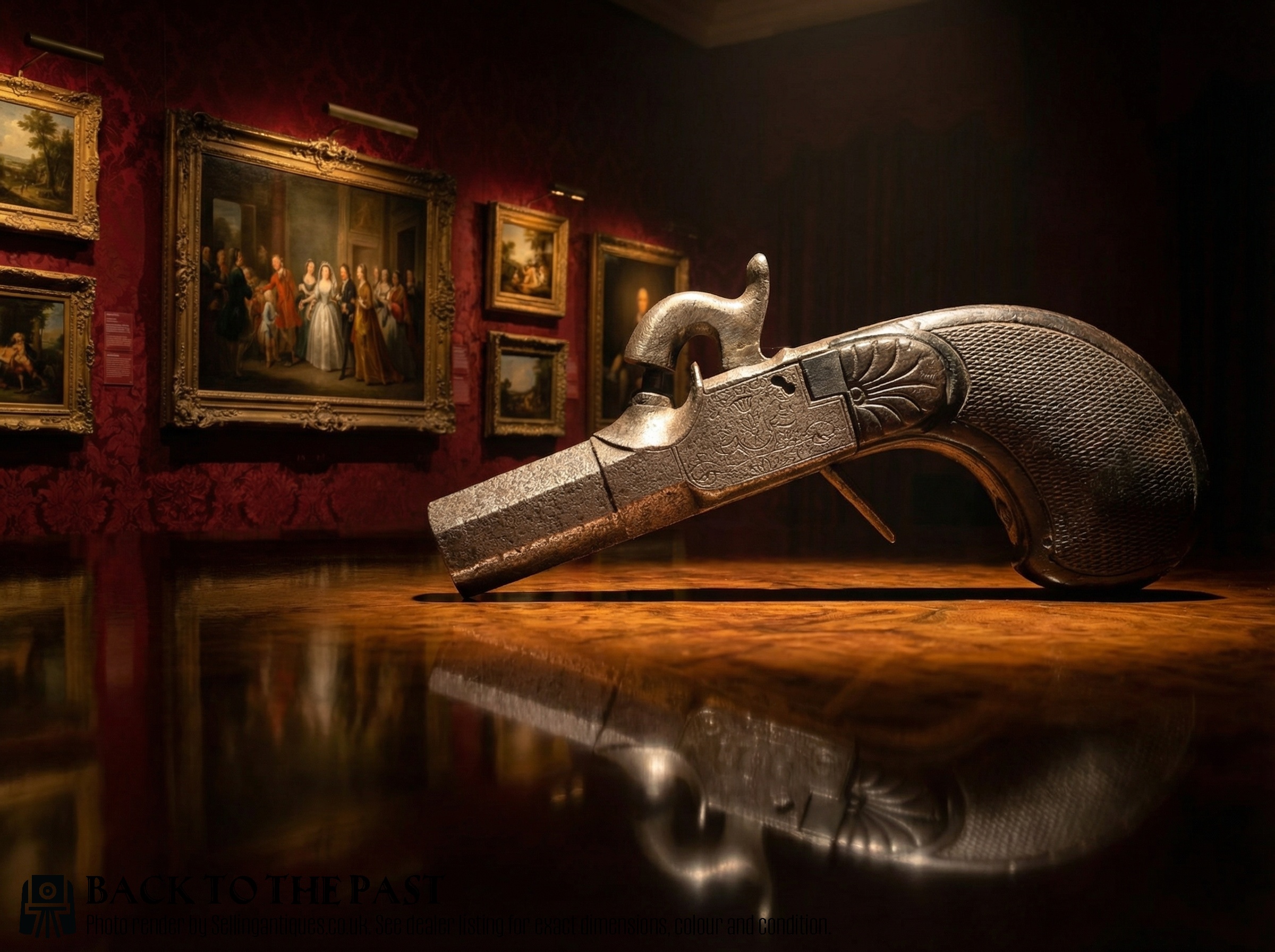
Antique Percussion Pistol
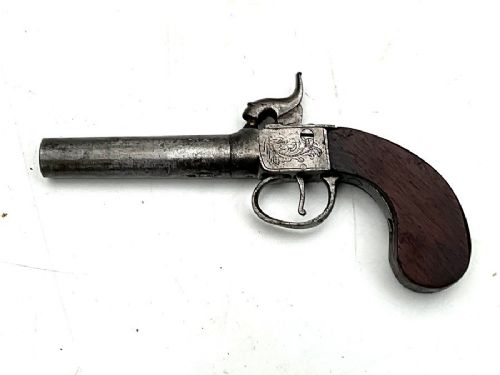
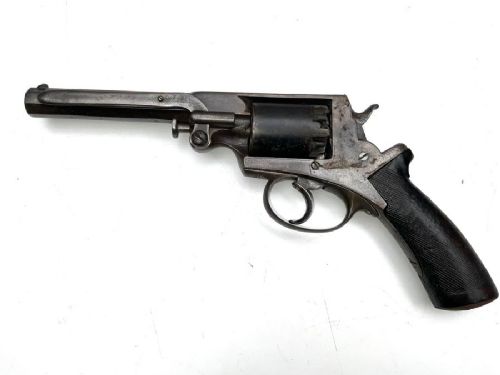
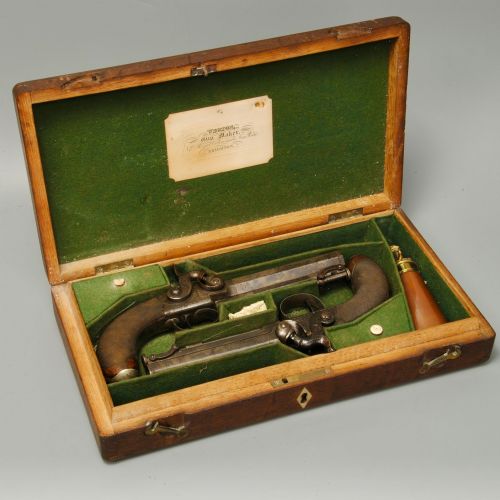
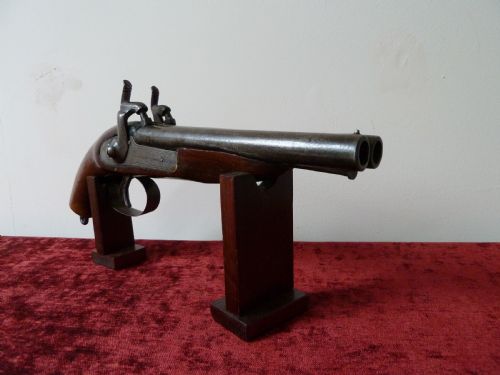
An antique percussion pistol represents the technological shift from flintlock mechanisms to the percussion cap system during the nineteenth century. Buyers searching for an antique percussion pistol encounter compact pocket models, military service arms, and multi-shot revolvers from this era.
The selection ranges from pocket and belt variants designed for personal defence to heavier cavalry and military service pieces. These firearms capture the domestic and military needs of the nineteenth century through varied barrel lengths and grips.
Materials and construction
Makers utilised robust metals such as steel, iron, and brass to form the barrels, frames, and trigger guards of each antique percussion pistol. Stocks and grips were typically carved from dense walnut to withstand the mechanical forces of the action.
Fittings sometimes incorporated silver accents, while metal surfaces received finishing touches such as engraving or bluing. The integration of these materials relied on nineteenth-century workshop techniques.
Antique Percussion Pistol Retail Price Guide 2026
Typical asking prices for percussion pistol among the pieces listed under this phrase on Sellingantiques today, from the lower quarter to the upper quarter. They describe what is for sale here now, not the wider market.
Some nineteenth-century gentlemen trusted a tiny pocket pistol small enough to hide inside a waistcoat.
Distinctions in quality
Quality in these firearms rests upon the crispness of the mechanical action and the precision of the lock work. Finer examples display clean engraving on the metal components and well-fitted walnut stocks without excessive wear.
Signed pieces by known makers command attention due to the higher grade of metal preparation and finishing involved in their production. Plain military service arms prioritise rugged utility over decorative embellishment.
Deane Adams And Deane·Auguste Francotte·John Manton·George Sherwood
The Antique Percussion Pistol Glossary
- Percussion cap
- A small metal cup containing a priming mixture placed on the nipple of a firearm to ignite the powder charge.
- Revolver
- A repeating firearm with a cylinder containing multiple chambers for firing successive shots without reloading.
- Pocket pistol
- A small, easily concealed firearm designed for personal protection and discrete carriage.
- Transition revolver
- An early form bridging single-shot arms and fully developed revolving pistols.
- Militaria
- Artefacts and equipment collected for their association with military history.
Antique Percussion Pistol: Frequently Asked Questions
How do these pistols work?
The mechanism relies on a hammer striking a percussion cap placed on a nipple, which creates a spark to ignite the gunpowder inside the chamber. This system replaced older flintlock technology by offering greater reliability in wet weather.
The user cocks the hammer, pulls the trigger to release it onto the cap, and discharges the projectile down the barrel. Multi-shot variants rotate the chamber automatically or manually to align subsequent loads with the barrel.
Were they used by civilians?
Civilians utilised pocket and belt pistols for personal protection during travel in the nineteenth century. Gentlemen and officers carried compact versions discreetly in pockets or holsters.
Military personnel also relied on distinct service models issued for cavalry and naval duties. These civilian and military needs shaped the wide variety of sizes available today.
How are different periods identified?
Periods are identified through mechanical design evolution, maker marks, and stylistic shifts spanning the nineteenth century. Early transition models and pepperpot designs display specific mechanical phases.
Details such as screw placements, proof marks, and shaping of the walnut stock provide further chronological clues. Documentation or maker signatures engraved on the metal help narrow down the exact decade.
What maintenance do they need?
These firearms require dry storage in stable atmospheric conditions to prevent rust and degradation of the metal and walnut surfaces. Light oiling helps protect steel and iron components from moisture.
Collectors handle the mechanisms with care to preserve the original action and finish without causing undue wear. Regular gentle dusting maintains the physical condition of the exterior.