
19th Century Hall Mirror
A 19th century hall mirror anchors an entranceway with period presence and functional glass.
19th Century Hall Mirror
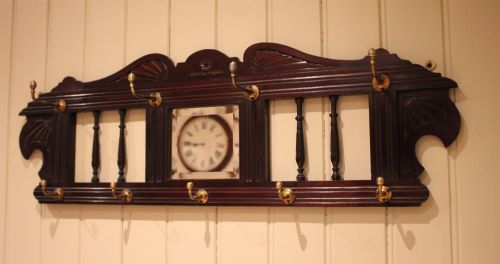
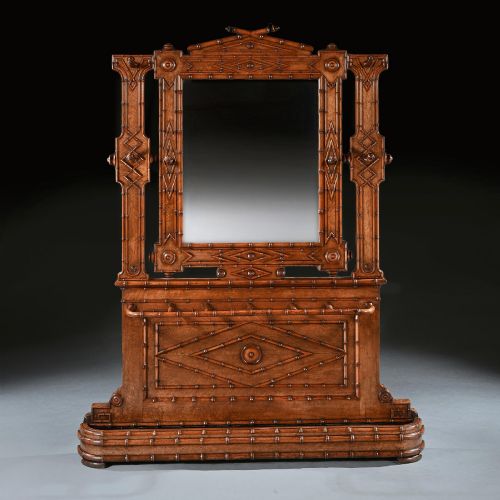
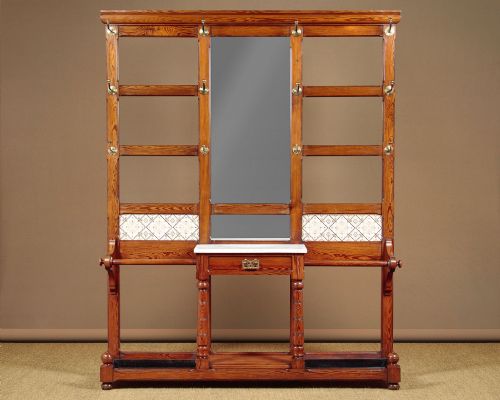
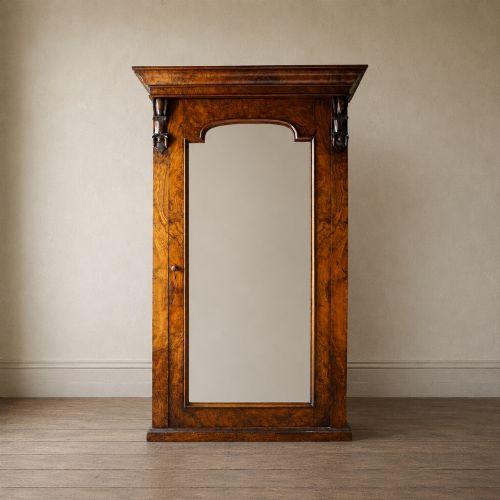
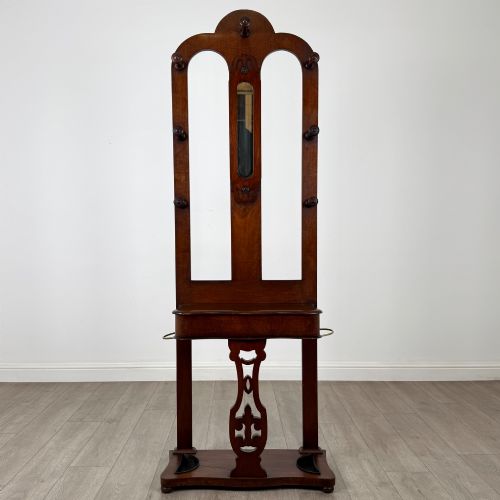
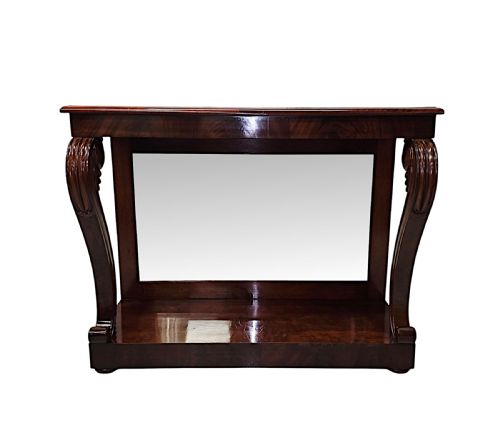
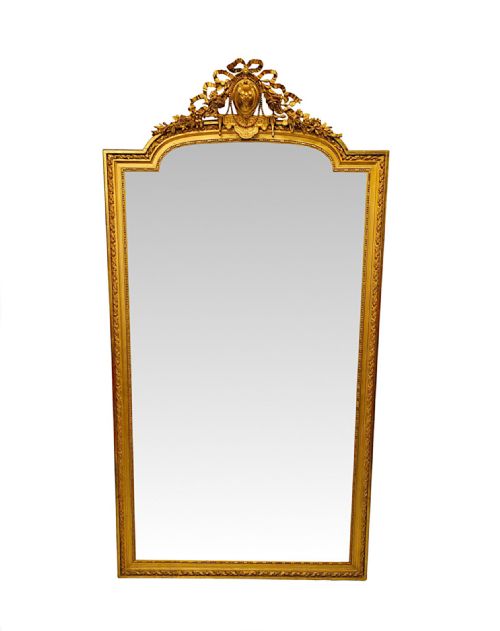
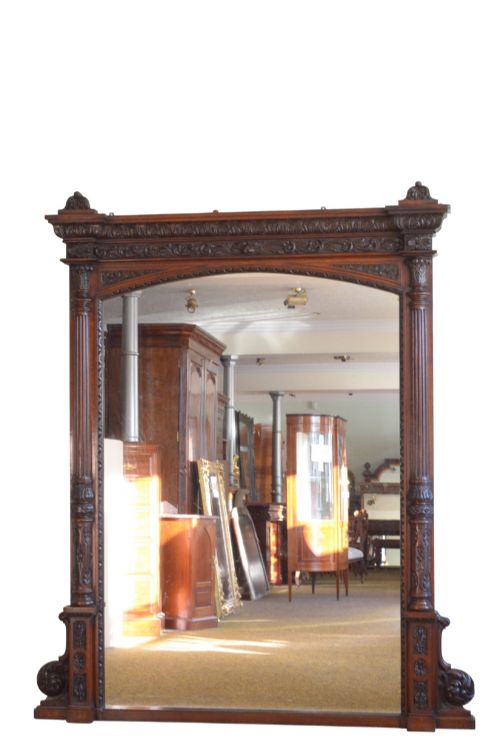
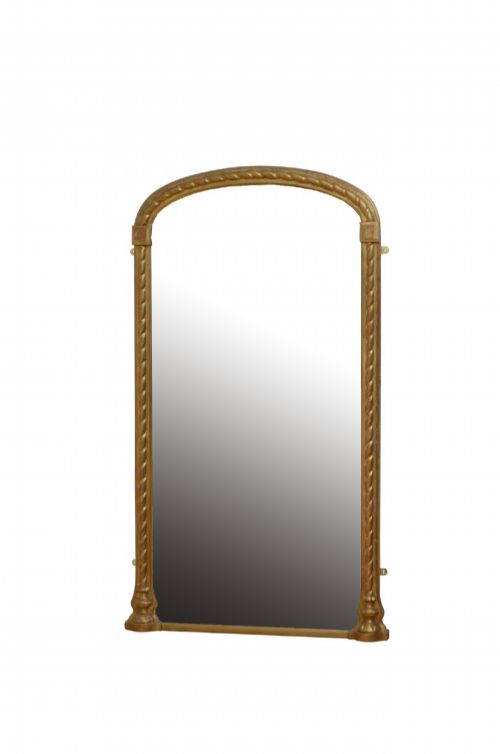
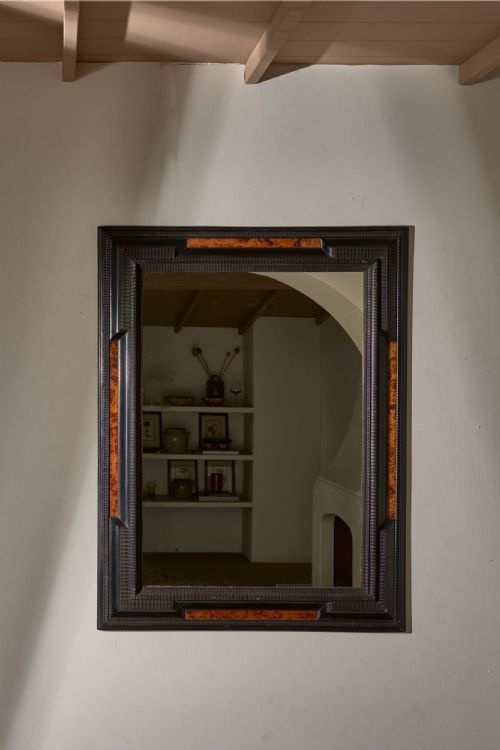
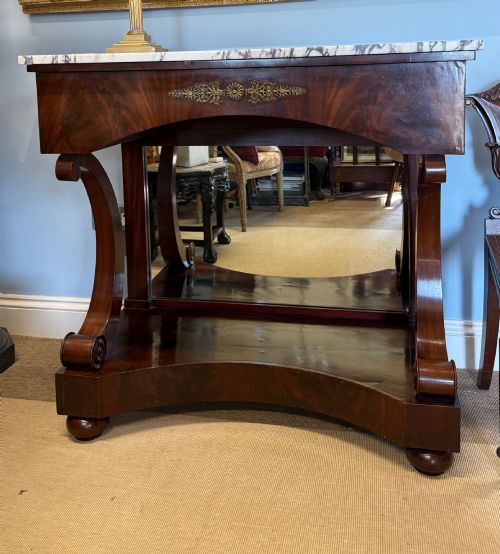
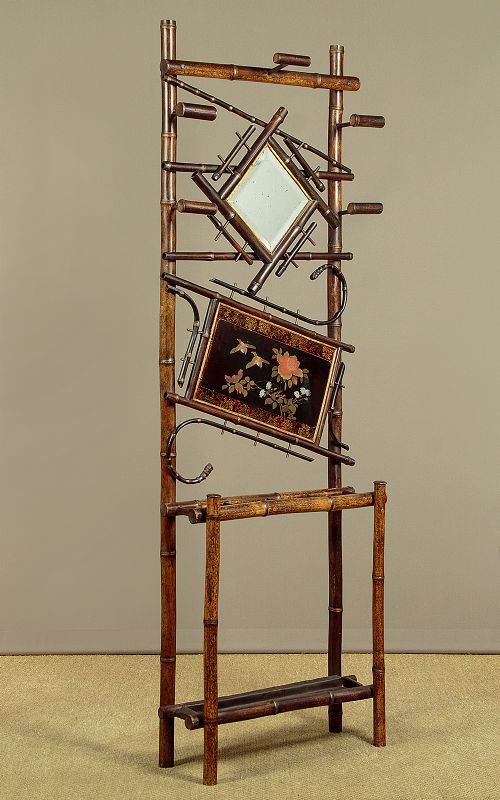
A 19th century hall mirror serves as a functional and decorative focal point for entranceways, stairwells and hallways. These pieces range from compact hanging wall glasses to grand overmantel and pier mirrors positioned above console tables.
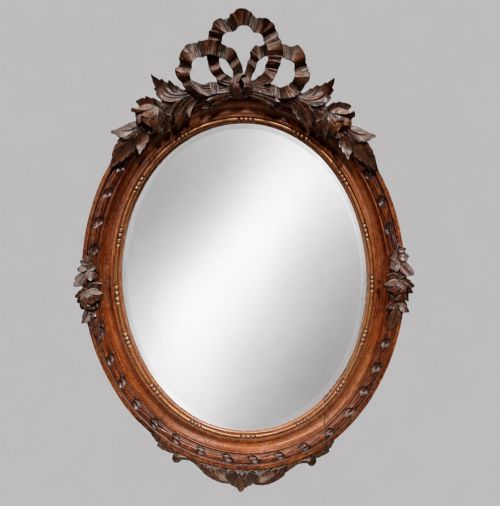
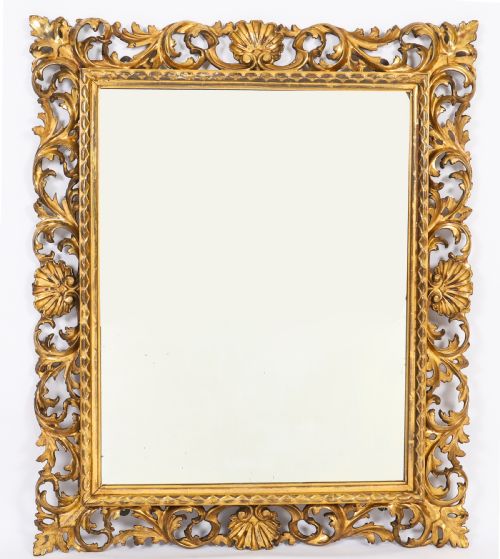
The versions most commonly met on this page span the Victorian era, the Aesthetic Movement and French Neoclassical or Rococo Revival styles. They often incorporate architectural frames in wood or gilded gesso designed to reflect light into narrow spaces.
How they were made
Frames rely on native and exotic timbers such as mahogany, walnut, rosewood, and pine, alongside moulded gesso built over wooden carcases. Gilding was applied using gold leaf or metallic paint over prepared grounds to achieve bright reflective surfaces.
Glass plates were hand-silvered and occasionally bevelled at the edges, set into rebated frames and secured with wooden backing boards. Carved details like rope twists, cartouches, and classical motifs were hand-chiselled directly into the solid wood or modelled in relief gesso.
What varies in quality
The standard of carving and moulding defines the visual strength of the frame, moving from simple machine-cut mouldings to deep, crisply undercut hand-carved foliage and cartouches. Timber selection also matters, distinguishing plain softwood carcases from richly figured burr maple, mahogany or walnut veneers.
The condition and authenticity of the reflective glass plate influence the character of the piece, with original bevelled mercury or silvered plates showing gentle age foxing. The structural integrity of the joints and the preservation of the original giltwood or polished finish complete the hierarchy.
Gillingtons of Dublin
The 19th Century Hall Mirror Glossary
- Giltwood
- Wood carved or moulded and coated with gold leaf. This finish gives a bright metallic sheen to many formal frames.
- Gesso
- A plaster-like mixture applied to wood frames and carved or moulded into decorative relief. It serves as a smooth base for subsequent gilding.
- Pier mirror
- A tall mirror designed to hang on the wall space between two windows. They frequently sit above console tables in grand interiors.
- Console table
- A table fixed to a wall or supported by front legs, often paired with a mirror above or incorporating a mirror back. Marble tops frequently feature on these forms.
- Cartouche
- An ornate sculptural frame or tablet resembling a scroll or unrolled parchment. It often appears as a central decorative flourish on top of mirror frames.
19th Century Hall Mirror: Frequently Asked Questions
Where should a hall mirror be hung?
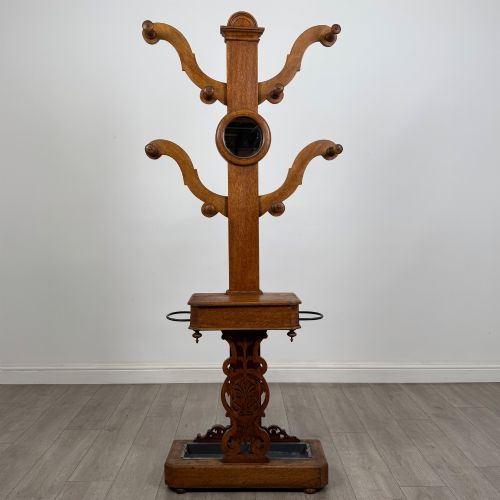
These pieces traditionally hang in entrance halls or vestibules to bounce natural light into darker corridors. They are frequently positioned directly above console tables or hall stands.
Ensure the wall construction safely supports the substantial weight of solid wood and glass frames, using appropriate fixings for heavy gilded pieces.
How do I identify a Victorian mirror?
Victorian examples often display heavier proportions and dark hardwoods like mahogany or walnut. Look for characteristic revival styles including Rococo and Neoclassical motifs.
Construction details such as hand-cut screws, older backing boards, and original silvering help confirm the nineteenth-century date of manufacture.
What is a pier mirror?
A pier mirror is an elongated glass designed specifically for the narrow wall pier between two windows. Their vertical format helps maximise light in domestic spaces.
They are frequently tall enough to reflect full figures and often match the design of companion console tables placed beneath them.
Are original mirror plates common?
Many pieces retain their original glass, which often displays minor foxing, dark spots, and light surface distortion. These natural age marks confirm the antiquity of the glass.
Replacements do occur when historical damage happened, so inspecting the silvering and backing provides clues to its age.