


19th Century Grand Tour
Collectable 19th century grand tour pieces bring classical antiquity and Renaissance sculpture into the home as bronzes, marbles, micro mosaics and framed intaglios.
19th Century Grand Tour
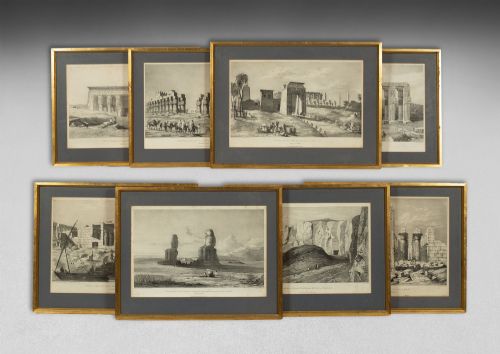
Items associated with the 19th century grand tour comprise miniature bronzes of ancient statuary, carved marble architectural models, micro mosaic jewellery, and framed collections of plaster or stone intaglios. Travellers acquired these souvenirs across Italy and France to record their travels through classical sites and museums.
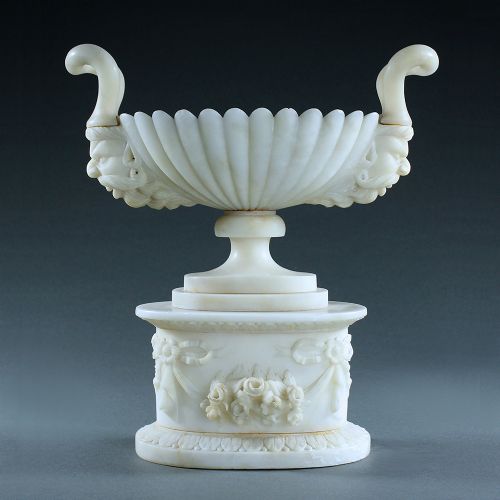
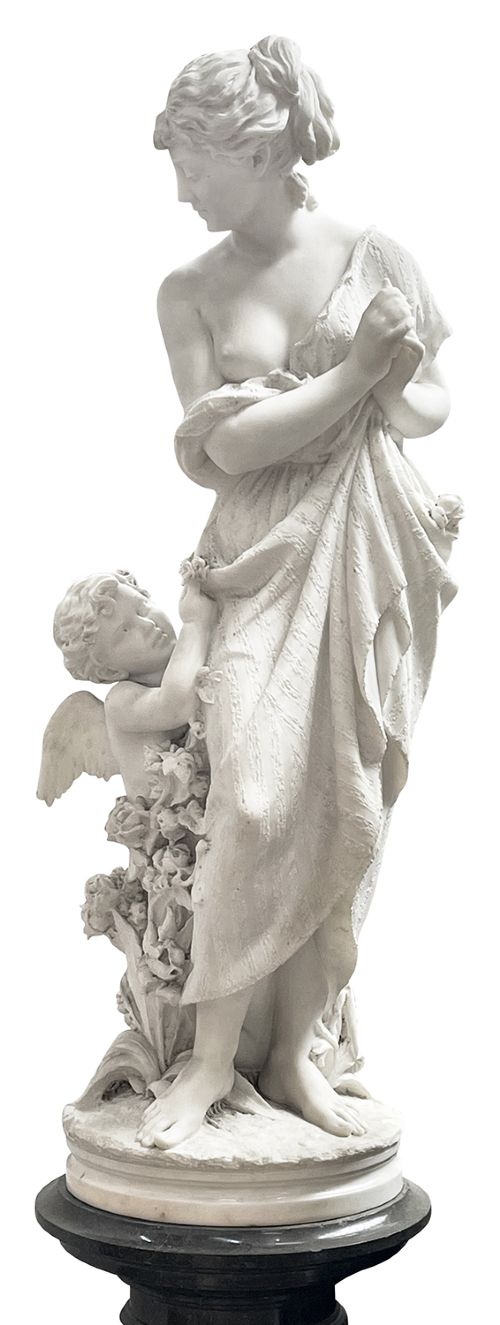
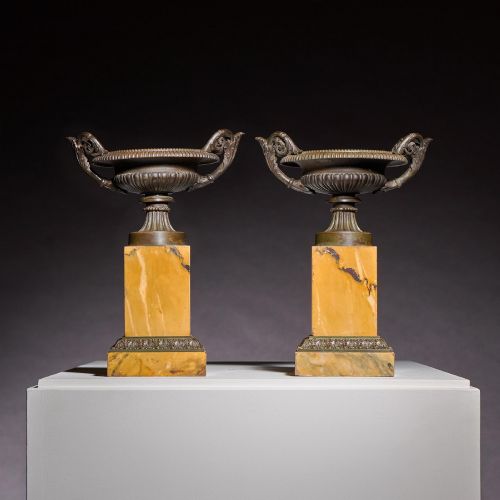
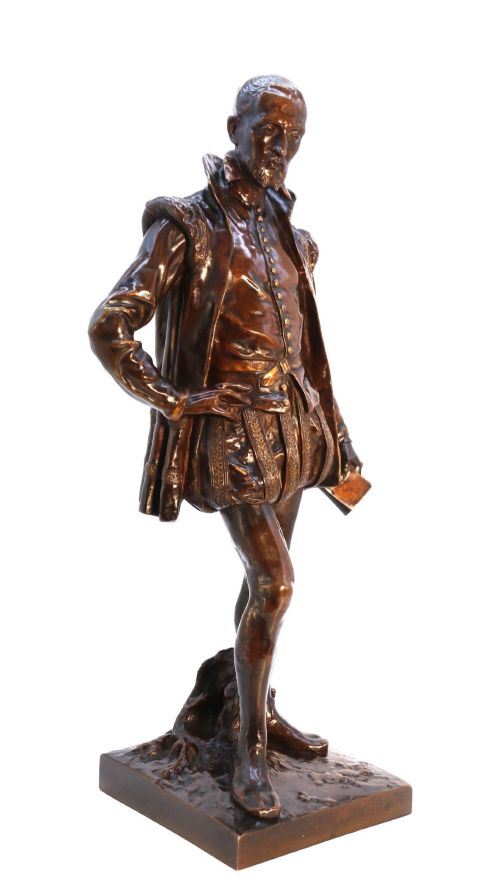
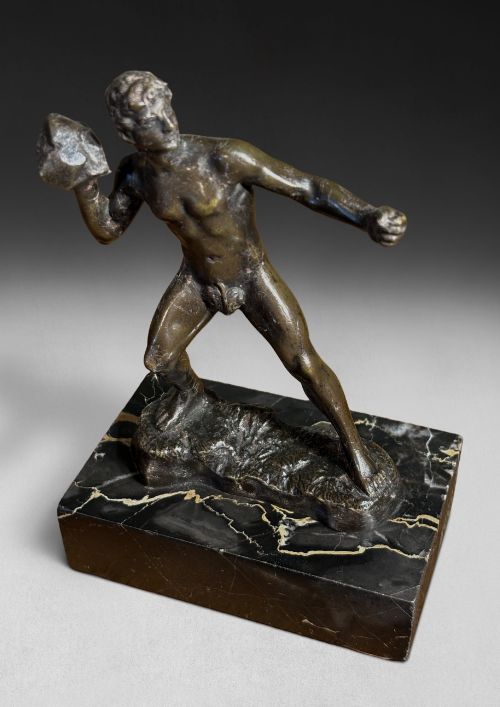
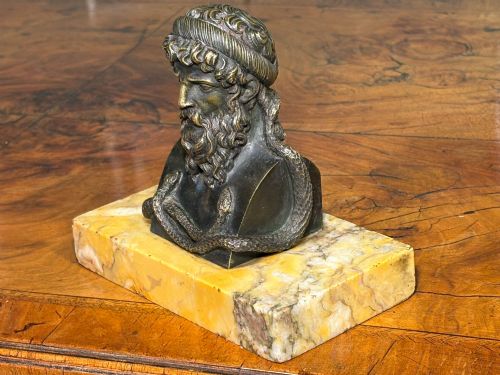
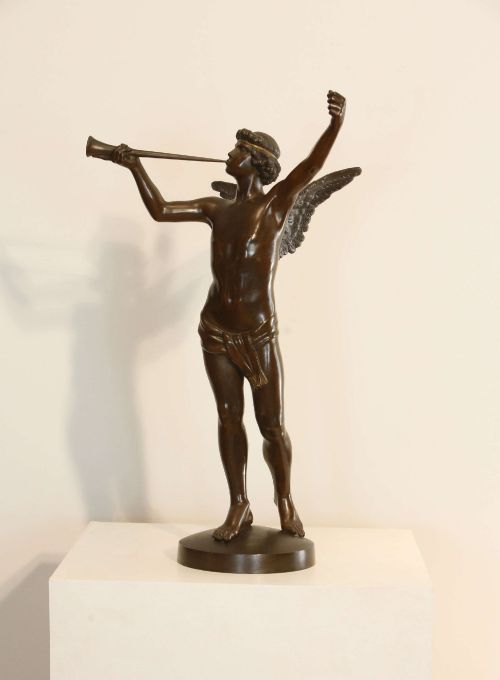
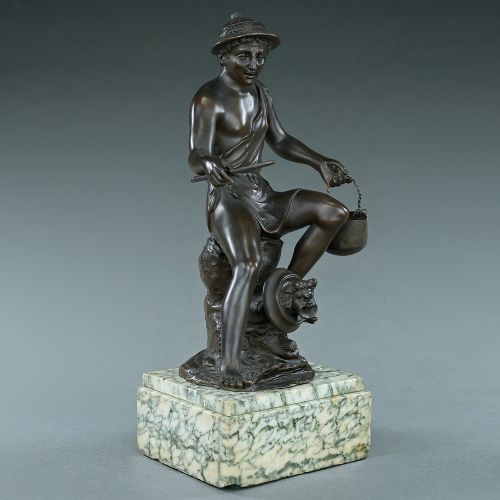
The objects appearing most frequently on this page include patinated bronze figures mounted on marble bases, framed sets of classical cameo intaglios, and decorative tazze or vases carved from veined stone. These range from small desk ornaments to substantial figural groups after famous antiques.
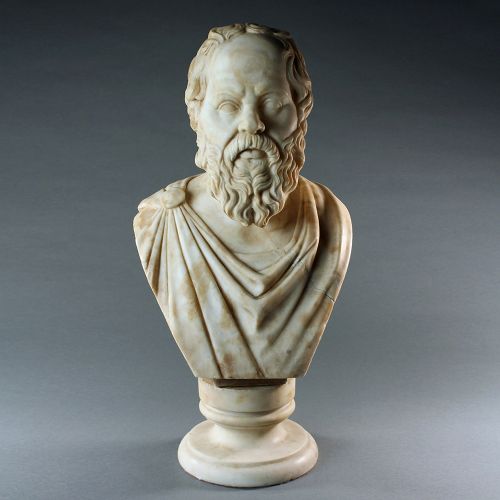
Originating predominantly from workshops in Rome, Florence, Naples and Paris during the 19th century, these pieces reflect the prevailing Neoclassical and Renaissance Revival tastes of the period. Makers utilised traditional casting and carving methods to replicate celebrated sculptures found in public collections.
How they were made
Foundry workers produced bronze sculptures using the lost-wax casting method, finishing the metal with patination in dark brown, green or gilt surfaces. These figures frequently rested upon plinths of fossil, breccia or black marble.
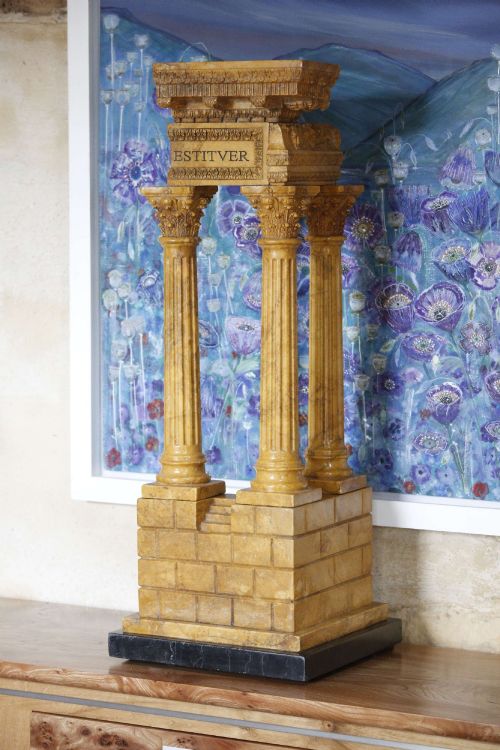
Artisans carved decorative vessels, columns and animal figures from specialised stones including Carrara marble, giallo antico, rosso antico and alabastro egiziano. Micro mosaics required setting microscopic glass tesserae into stone or gold mounts to form detailed topographical and classical views.
19th Century Grand Tour Retail Price Guide 2026
Typical asking prices for 19th century grand tour among the pieces listed under this phrase on Sellingantiques today, from the lower quarter to the upper quarter. They describe what is for sale here now, not the wider market.
Listings feature bronzes, marbles, glass and plaster across the 19th century, with notable concentrations around 1850 to 1890.
What varies in quality
Quality depends upon the sharpness of the cast in bronzes and the precision of the chisel work in carved marble and alabaster. Superior examples retain crisp anatomical details and clean lettering compared to softer, more generalized production pieces.
The selection of materials creates a clear division between standard souvenirs and exceptional commissions, particularly in the choice of base stones, the intricacy of micro mosaic tesserae, and the presence of signatures from recognised foundries or lapidaries.
Ferdinand Barbedienne·Carlo Albacini·Gioacchino Barberi·Giovanni Liberotti·Benedetto Boschetti·Pietro Tacca
The 19th Century Grand Tour Glossary
- Intaglio
- A gem, stone or plaster relief carved into the surface so the design sits below the outer edge. These were often grouped in framed collections.
- Tazza
- A shallow cup or bowl set upon a stem and foot, frequently carved from coloured marbles or cast in bronze during the period.
- Micro mosaic
- An image assembled from tiny coloured glass tesserae glued to a backing, commonly depicting ruins or wildlife on brooches and desk weights.
- Patinated bronze
- Metal treated with chemical solutions to produce an aged surface finish ranging from deep brown to verdigris green.
- Giallo antico
- A yellow antique marble with dark veining utilised by lapidaries for architectural columns, tazze and desk ornaments.
19th Century Grand Tour: Frequently Asked Questions
What is a grand tour bronze?
A grand tour bronze is a small-scale metal replica of a famous classical or Renaissance sculpture cast by European foundries during the 19th century.
These pieces served as portable mementos for affluent travellers exploring historical sites in Italy and France.
How do I display antique intaglios?
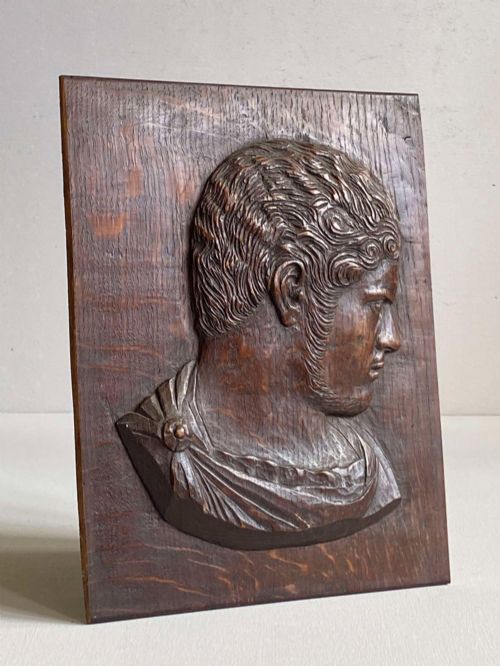
Antique intaglios carved in plaster, wax or stone are usually displayed wall-mounted within glazed wooden frames.
This presentation protects the delicate reliefs while allowing the individual classical profiles and mythological scenes to be easily viewed.
What are specimen marbles?
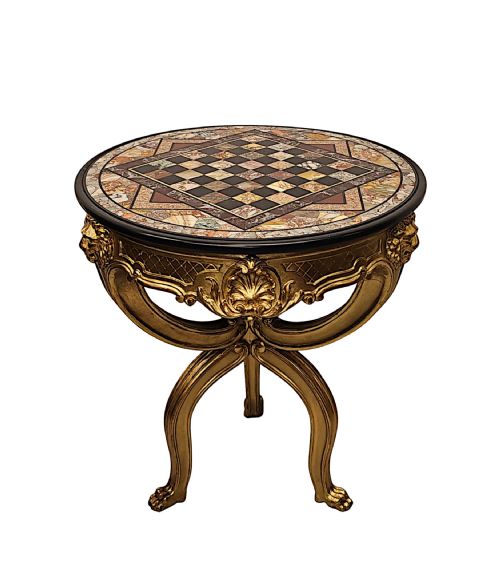
Specimen marbles are decorative items constructed from multiple varieties of coloured stones assembled into geometric panels or table tops.
Craftsmen in Rome and Florence arranged these geological samples to demonstrate the range of ancient marbles available.
How do I identify micro mosaics?
Micro mosaics are identified by examining the surface under magnification to reveal thousands of microscopic glass threads fused together.
These tiny pictorial tiles typically form brooches, plaques or desk weights depicting Roman landmarks.