
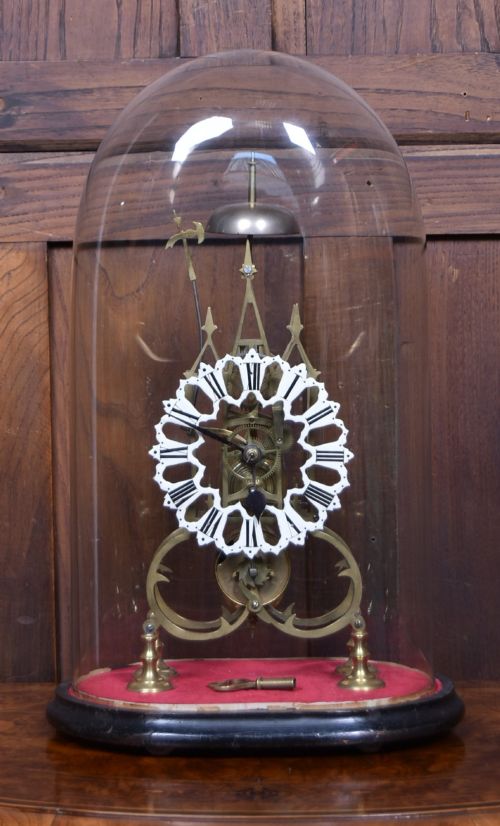
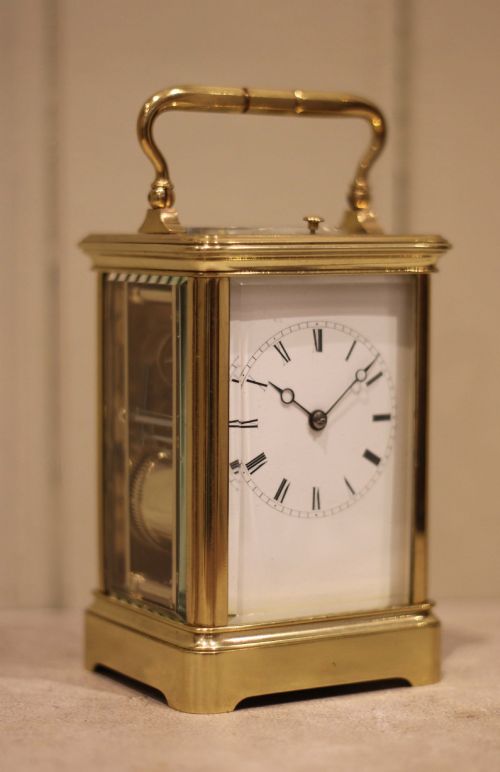
19th Century Glass Table
When a buyer searches for a 19th century glass table, they are looking at objects that combine timber frames with transparent or mirrored surfaces.
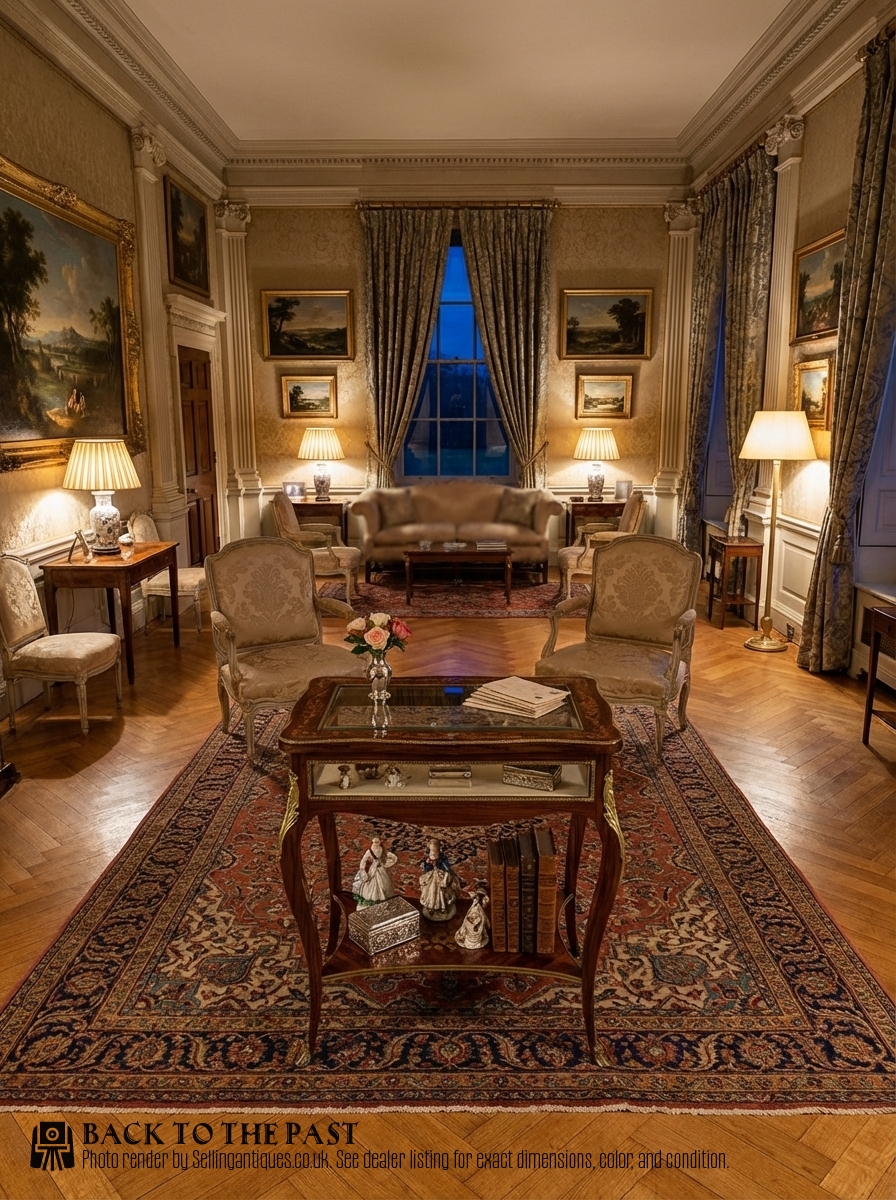
19th Century Glass Table
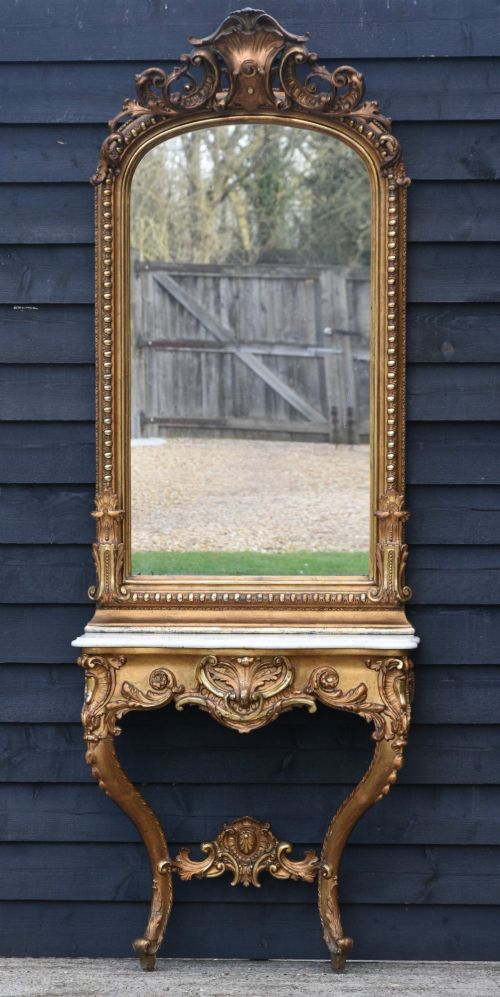
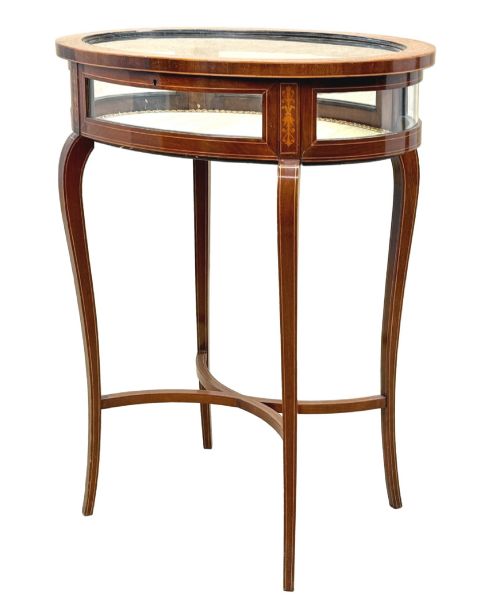
A 19th century glass table search covers a range of occasional furniture and display pieces where glass forms the primary top or a significant structural element. Pieces listed under this description frequently include bijouterie display tables framed in mahogany, walnut, or satinwood, alongside console tables with mirrored panels.
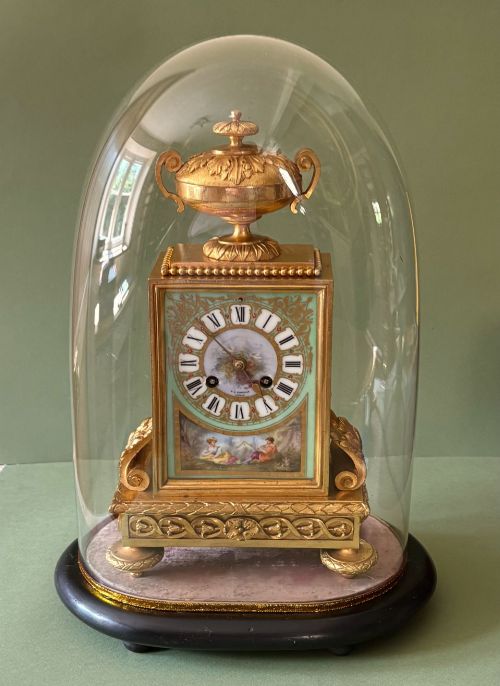
The materials recorded in these pieces span several decades of the 19th century, drawing on Victorian and French revival styles. Buyers encounter both English timber designs with glass components and ornate French gilt bronze mounts housing crystal surfaces.
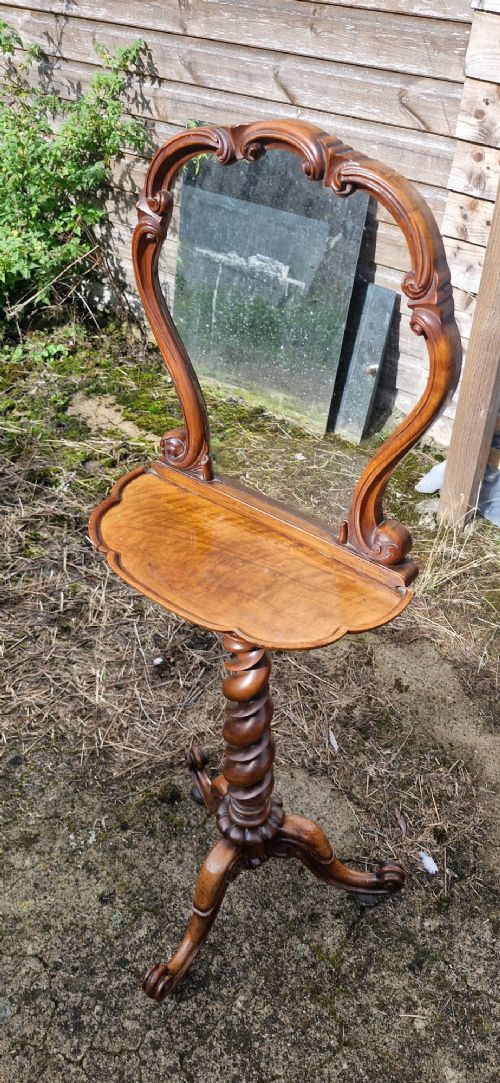
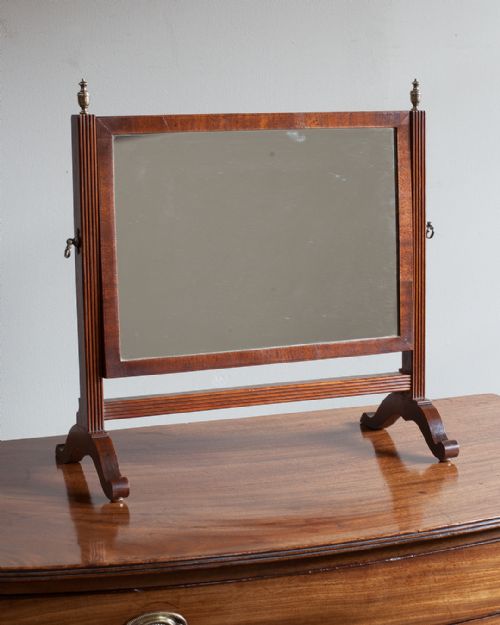
Beyond standard display furniture, related items associated with this category incorporate glass tops or backing plates within pedestal tables and dressing surfaces. These objects reflect the domestic interior requirements of the 1800s, prioritising visible storage and reflective surfaces.
How They Were Made
Construction relies on joining cabinet timbers such as mahogany, kingwood, and walnut with glass panes, mirrors, or crystal inserts. Metal elements in brass, gilt bronze, and ormolu secure the glass components within frames or support display compartments.
Surface decoration involves marquetry inlay on timber surrounds and detailed metal casting for mounts. Glass elements are cut, etched, or bevelled to fit specific table frames and display cases.
What Varies in Quality
Quality rests on the precision of the timber joinery and the clarity of the glass or crystal used in the top. Hand-cast ormolu mounts and intricate marquetry indicate higher workshop standards than standard moulded fittings.
The weight and thickness of the glass components, along with the stability of the underlying table frame, separate standard domestic utility items from fine salon display pieces.
Richard Winter of Chieveley·Tonnel Paris·Ansonia New York·Mc Gary
The 19th Century Glass Table Glossary
- Bijouterie table
- A glass-topped display table designed for showing small valuable objects or collections. These pieces often feature hinged lids and velvet-lined interiors.
- Ormolu
- Gilded bronze used widely for decorative mounts on 19th-century French and English furniture. It provides a bright metallic contrast against dark timbers and glass.
- Marquetry
- The art of applying pieces of veneer to a structure to form decorative patterns. It is frequently seen on the wooden frames of display furniture.
- Console table
- A table designed to fit against a wall, sometimes supported by wall brackets. In 19th-century interiors, these often incorporated glass mirror backs.
- Cut glass
- Glass decorated by cutting facets or patterns into the surface using a wheel. This technique adds weight and refractive quality to table inserts.
19th Century Glass Table: Frequently Asked Questions
What is a bijouterie table?
A bijouterie table is a glass-topped display case designed to hold small decorative items and personal collections. They gained popularity during the 19th century for drawing rooms and boudoirs.
The glass top allows items to be viewed from above while keeping them protected from dust. Frames are typically constructed from fine hardwoods like mahogany or kingwood.
How do I clean antique glass?
Antique glass requires gentle cleaning with a soft, lint-free cloth and mild soapy water. Avoid harsh chemical cleaners that can damage surrounding timber frames or metal mounts.
Take care around gilt bronze or ormolu mounts, ensuring moisture does not seep into aged adhesives or backing materials.
Are 19th century glass tables fragile?
While 19th-century glass is often thicker than modern alternatives, these pieces require careful placement away from heavy traffic areas. The structural integrity depends on the underlying timber frame and metal mounts.
Normal domestic use is suitable provided the table is lifted rather than dragged when moved.
Where were these tables used?
These tables were principal items in 19th-century reception rooms, drawing rooms, and dressing spaces. They served to display curiosities, letters, and small personal accessories.
Today, they function as occasional tables in modern interiors, continuing their original purpose of display and surface utility.