





19th Century Girandole
When you encounter a 19th century girandole, you look at a combination of reflective mirror glass and integrated candle sconces designed to amplify room illumination.
19th Century Girandole
A 19th century girandole brings together a wall-mounted mirror and attached candle branches, serving both decorative and practical illumination purposes in period interiors.
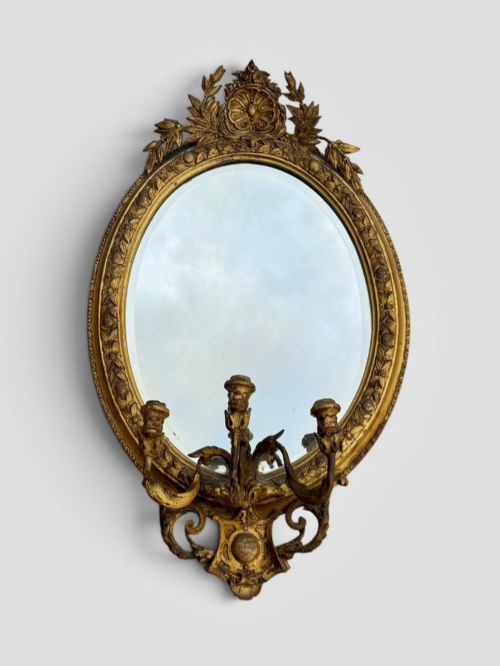
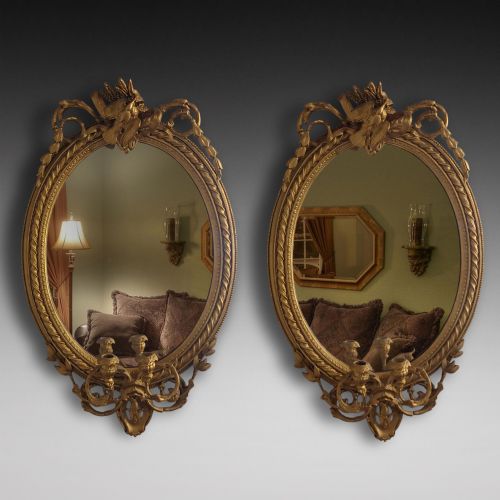
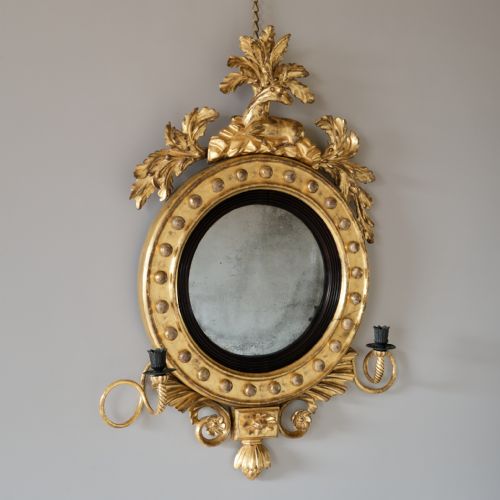
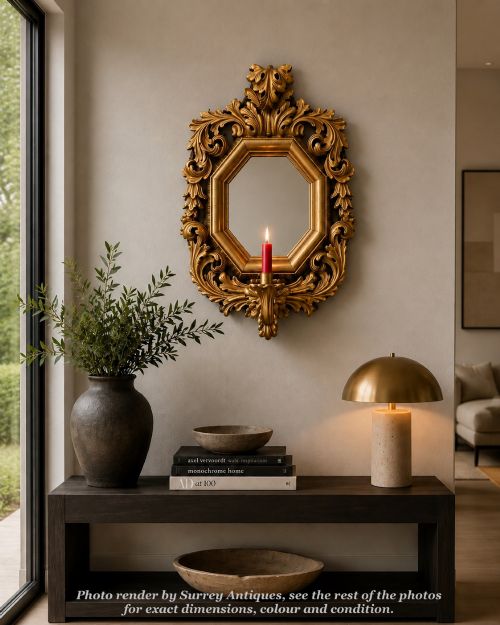
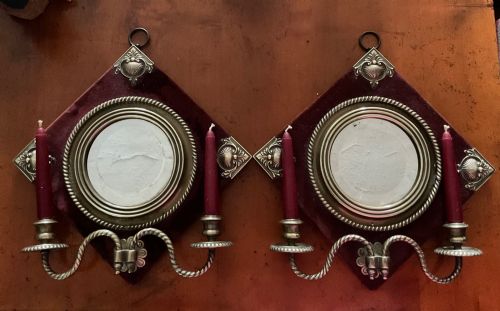
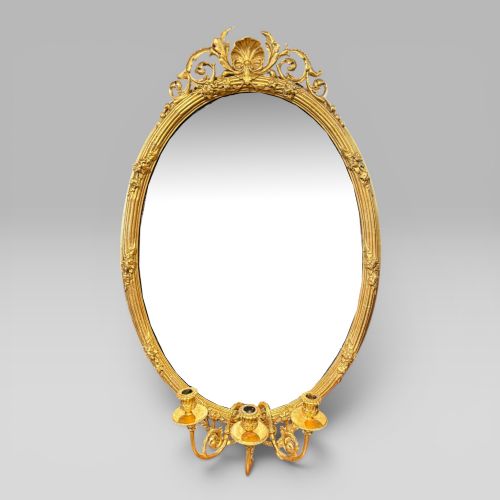
You will frequently meet oval or round forms on this page, often framed in elaborate giltwood and gesso with attached brass or bronze arms for candles.
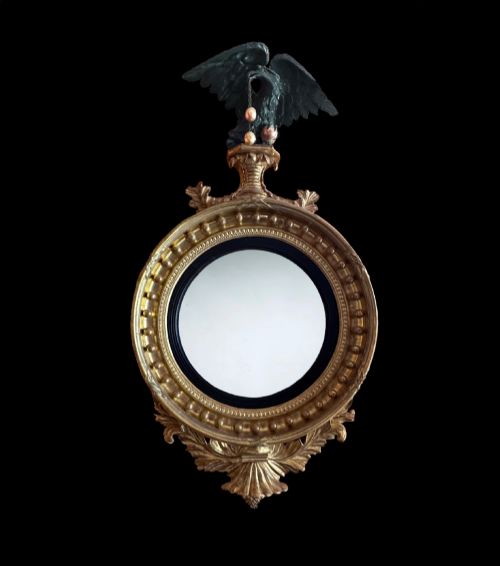
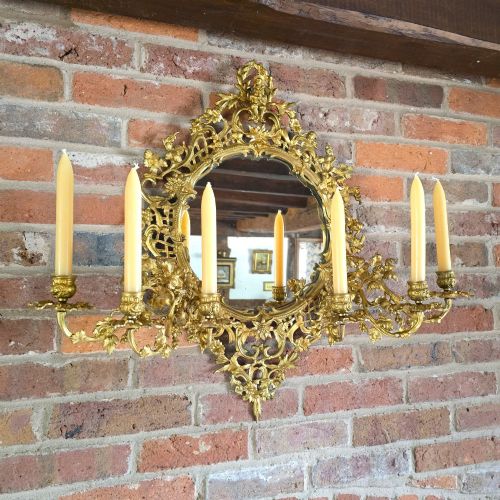
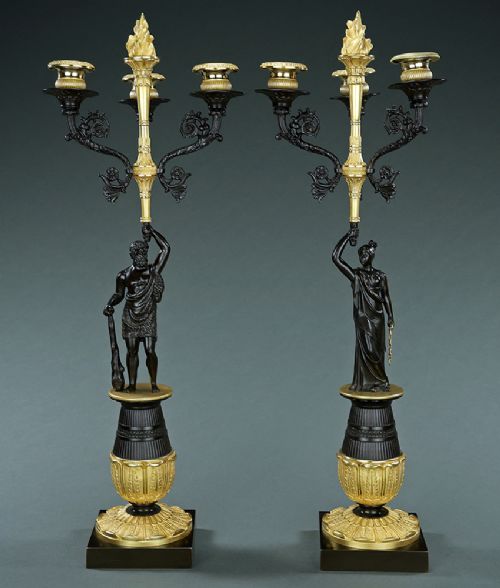
The selections span distinct stylistic revivals, running from Regency convex formats to Victorian rococo and French ormolu wall lights.
How they were made
Carved wooden foundations receive layers of gesso before being gilded with gold leaf or painted, providing the characteristic metallic lustre of the period.
Metal components such as brass, bronze, and ormolu are cast and chased to form structural candle branches and decorative mounts attached to the frame.
19th Century Girandole Retail Price Guide 2026
Typical asking prices for 19th century girandole among the pieces listed under this phrase on Sellingantiques today, from the lower quarter to the upper quarter. They describe what is for sale here now, not the wider market.
Materials recorded across these listings include giltwood, gesso, brass, bronze, marble, and ebonised wood combined with mirror glass.
What varies in quality
The depth and crispness of the carved gesso ornamentation separate standard production pieces from finer sculptural work.
The weight and finish of the cast metal candle arms, alongside the clarity and preservation of the original mirror glass, indicate the standard of manufacture.
Cottier and Co
The 19th Century Girandole Glossary
- Girandole
- A branched candleholder or candelabra, frequently combined with a wall mirror to reflect candlelight.
- Gesso
- A plaster-like mixture applied to wood frames and carved or moulded into intricate relief decoration before gilding.
- Ormolu
- Gilded bronze, widely utilised in French decorative arts for mounts, sconces, and candelabra details.
- Convex mirror
- A round mirror with a curved glass surface that provides a wide-angle reflection of the interior space.
- Giltwood
- Timber that has been coated with thin sheets of gold leaf over a prepared base.
19th Century Girandole: Frequently Asked Questions
What is a 19th century girandole?
It is an ornamented wall mirror featuring integrated candle branches designed to multiply the flickering light of candles within a room.
These pieces were hung in principal reception rooms where reflected candlelight created atmospheric illumination before the widespread adoption of electric lighting.
How do girandoles differ from standard wall mirrors?
While standard mirrors simply reflect the room, girandoles incorporate physical arms or sconces specifically built to hold candles directly in front of the glass.
This functional pairing of candleholder and reflector distinguishes them from ordinary looking glasses found in period homes.
Where were girandoles placed in historic homes?
They were typically positioned above mantelpieces, between windows, or on principal walls to bounce natural daylight during the day and candle illumination at night.
Placement depended on maximising the reflection across the living space.
How do you distinguish Regency girandoles from Victorian examples?
Regency pieces often favour convex circular formats with heavy giltwood frames, sometimes featuring eagle crests or simple reeded bezels.
Victorian girandoles tend toward oval shapes with exuberant rococo revival gesso ornamentation, naturalistic foliage, and multiple candle branches.