
19th Century Furniture Sofa
A 19th century furniture sofa brings tactile history to a room through solid timber framing and deep, traditional upholstery.
19th Century Furniture Sofa
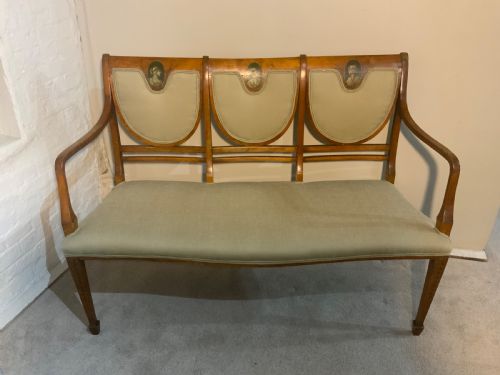
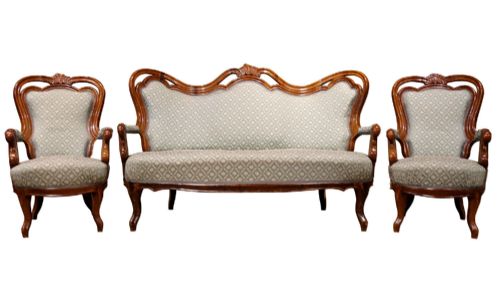
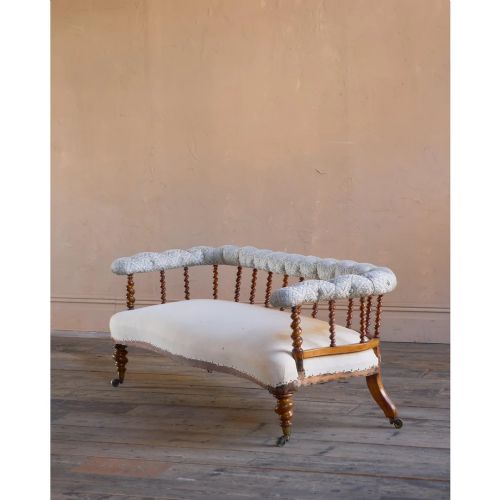
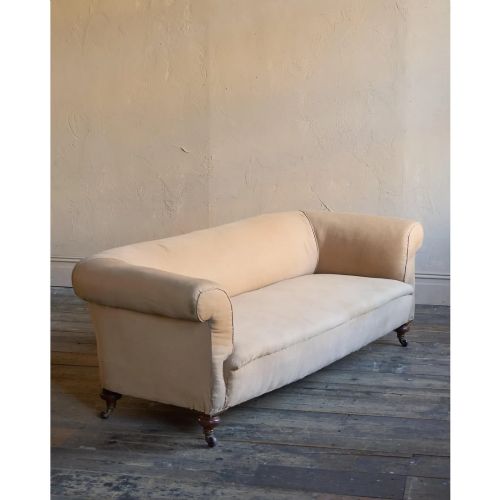
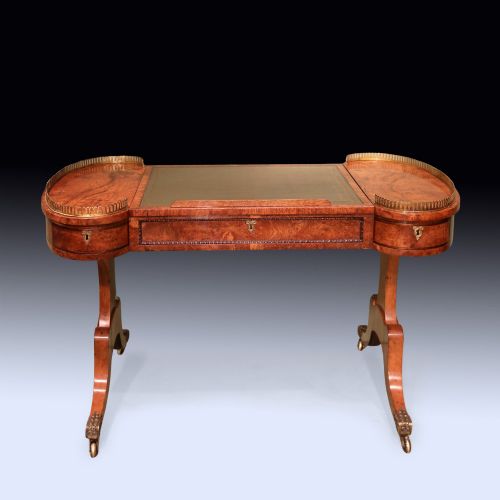
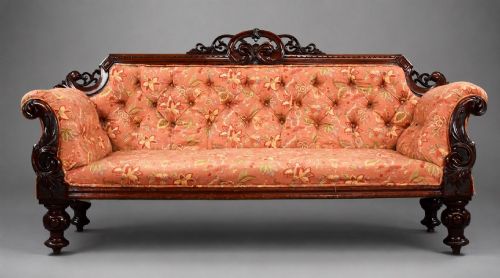
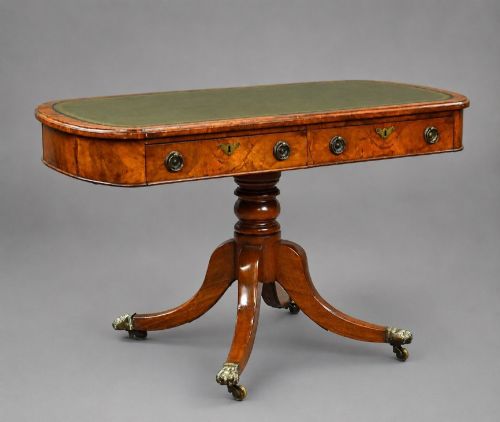
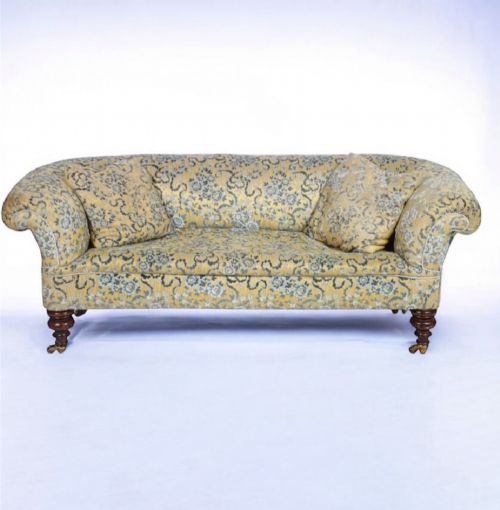
A 19th century furniture sofa search draws together diverse seating forms built across the Victorian, Regency, and William IV eras. Buyers frequently encounter button-tufted Chesterfield sofas alongside upholstered settees, salon suites, and chaise longues.
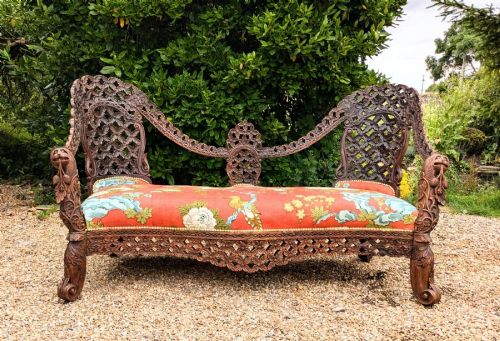
Makers of this period applied regional variations, ranging from English mahogany frameworks to Anglo-Indian carved elements and continental walnut framing. The selection spans compact two-seater settees up to large multi-piece salon suites suited for drawing rooms.
Materials and construction methods
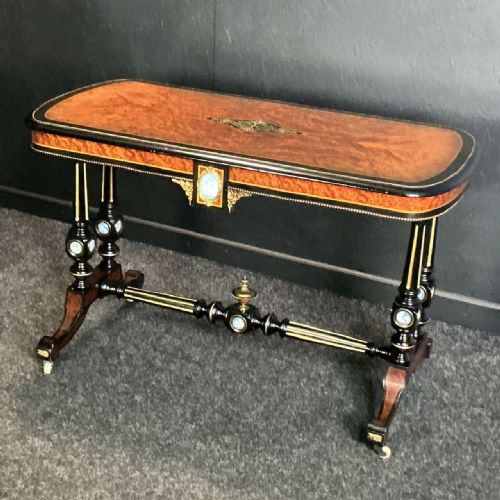
Cabinetmakers constructed the foundational frames using dense hardwoods like mahogany, walnut, and rosewood, often pairing them with decorative veneers such as burr walnut or satinwood. Ebonised wood and birdseye maple also appear frequently across the period's seating.
Upholstered sections utilise traditional stuffing techniques combined with leather or fabric coverings, while decorative touches incorporate brass fittings and ceramic castors to complete the structure.
Listings feature woods including mahogany, walnut, rosewood, and ebonised timber alongside leather and fabric upholstery.
Differentiating quality across pieces
Superior examples demonstrate crisp, deep hand-carving on the timber frames and precise joinery that maintains structural integrity without excessive reinforcement. The choice of primary timber grain and the complexity of inlaid marquetry or ormolu mounts signal higher workshop standards.
The sophistication of the silhouette and the harmony of the upholstery proportions distinguish standard production seating from exhibition quality pieces designed for prominent Victorian interiors.
C. Hindley and Sons·Williams and Gibton·Gillows·Johnstone and Jeanes·W. Turner Lord and Co·Holland and Sons
The 19th Century Furniture Sofa Glossary
- Chesterfield
- A deeply button-tufted upholstered sofa traditionally finished in leather or heavy fabric with rolled arms of equal height to the back.
- Salon Suite
- A matched set of seating comprising a central sofa alongside coordinating armchairs and side chairs intended for formal entertaining.
- Chaise Longue
- An elongated upholstered chair designed for reclining, featuring a single raised backrest positioned at one end.
- Ebonised Wood
- Timber treated with a chemical stain or pigment to imitate the deep, dark finish of high-grade ebony.
- Ormolu
- Gilded bronze mounts applied to furniture woodwork as decorative ornamentation during the Regency and 19th century periods.
19th Century Furniture Sofa: Frequently Asked Questions
How do I care for leather upholstery?
Apply a specialised leather conditioner periodically to maintain moisture and prevent cracking on antique hides.
Keep these pieces away from direct sunlight and heat sources to preserve the natural suppleness of the material.
Can I use these sofas daily?
Traditional frames built from solid mahogany or walnut offer sturdy support suitable for everyday seating in a living space.
Ensure that internal webbing and springs receive proper maintenance if the sofa undergoes heavy, regular use.
How do I identify Regency from Victorian pieces?
Regency seating often displays restrained classical lines, classical brass mounts, and native or exotic timber veneers reflecting early 19th-century tastes.
Victorian pieces generally favour heavier proportions, exuberant carved walnut or rosewood frameworks, and more elaborate upholstery treatments.