



19th Century French Vitrine
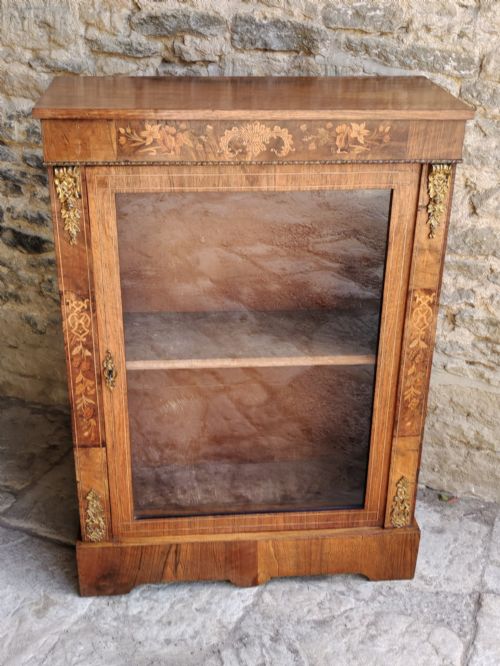
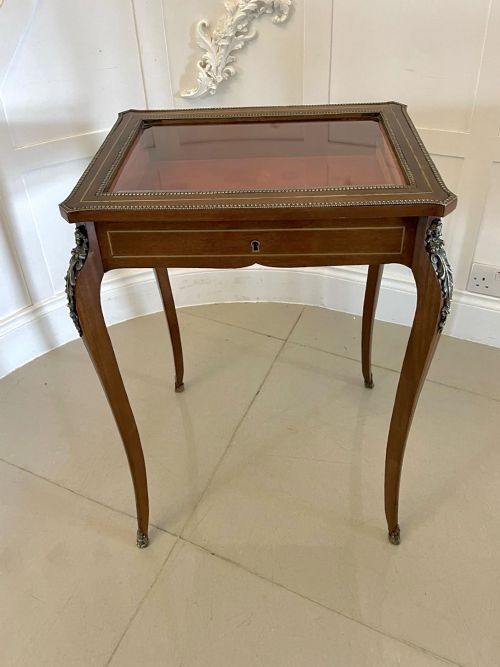
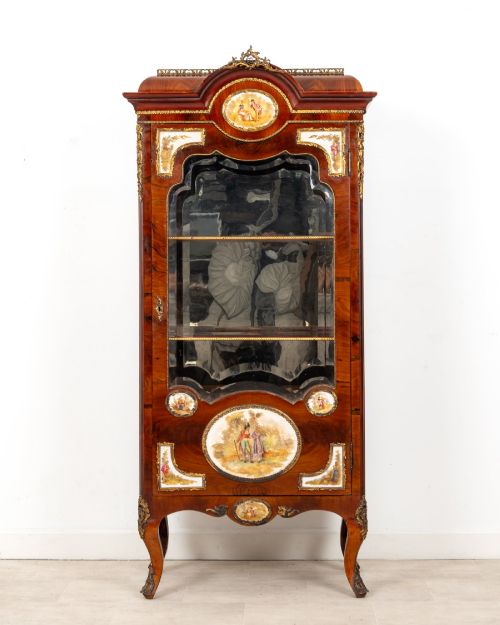
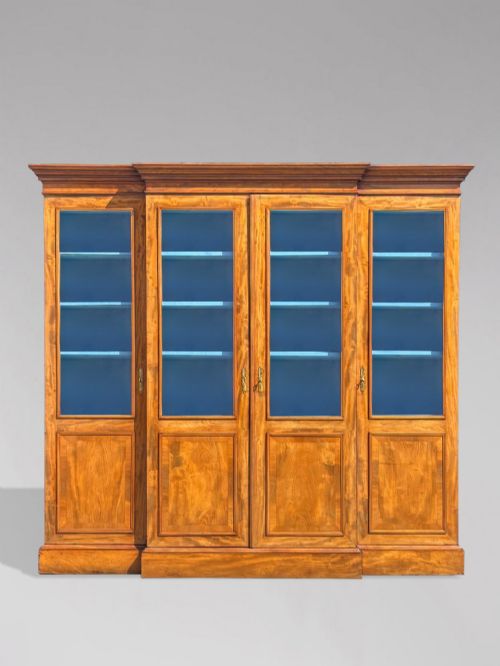
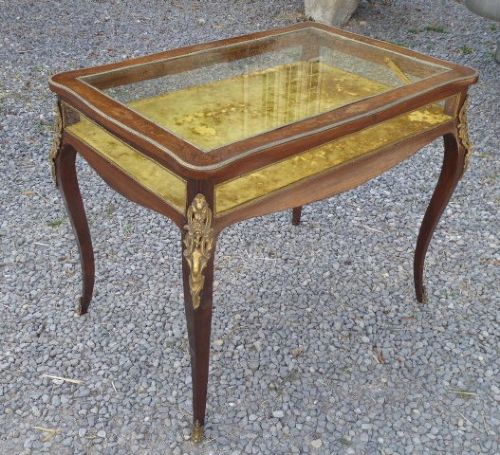
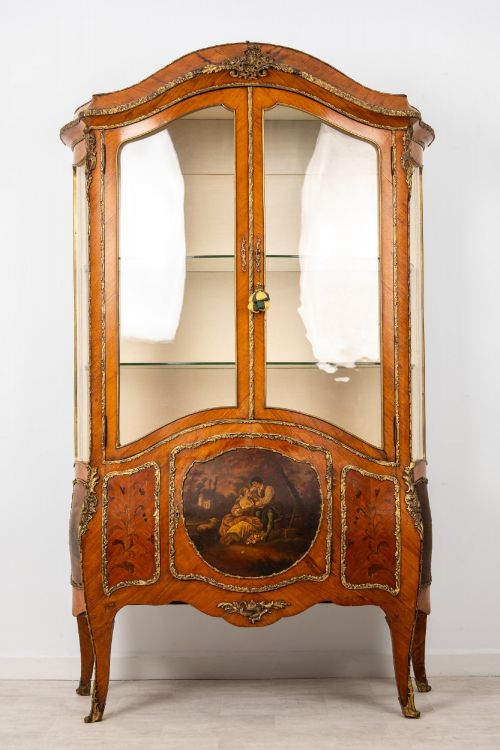
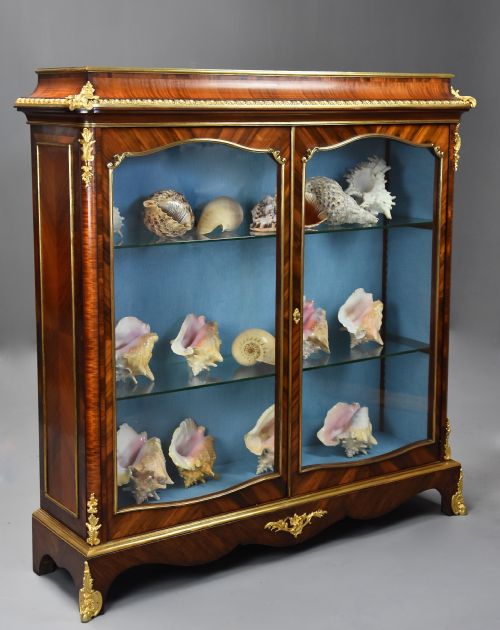
These 19th century french vitrine cabinets offer refined display space for precious objects, combining curving glass and decorative mounts.
19th Century French Vitrine
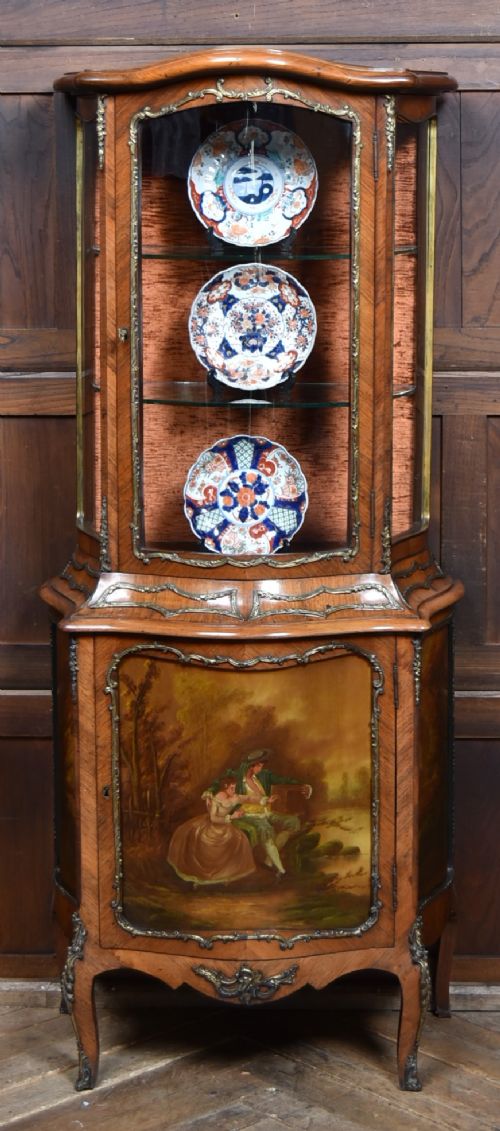
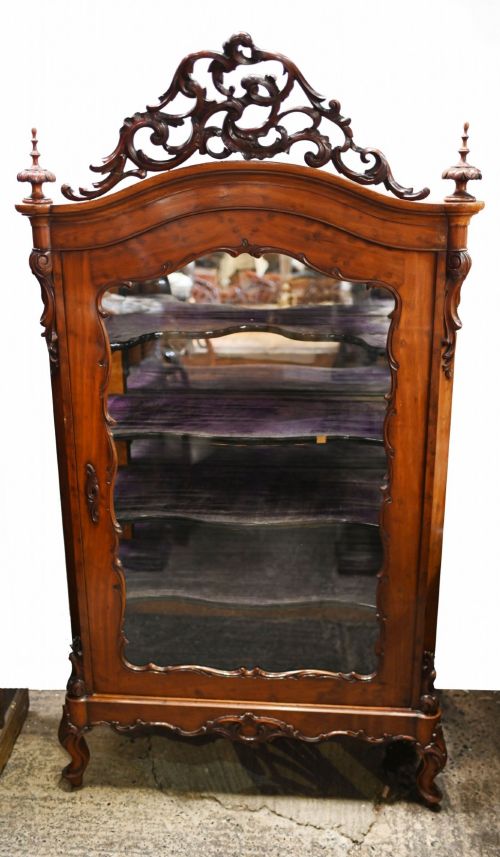
A 19th century french vitrine is primarily a display cabinet designed to showcase porcelain, silver, and small collections behind glazed doors and side panels. The most common examples found here belong to the later decades of the nineteenth century, spanning revival styles such as Louis XV and Louis XVI alongside simpler vernacular forms like barley twist cupboards.
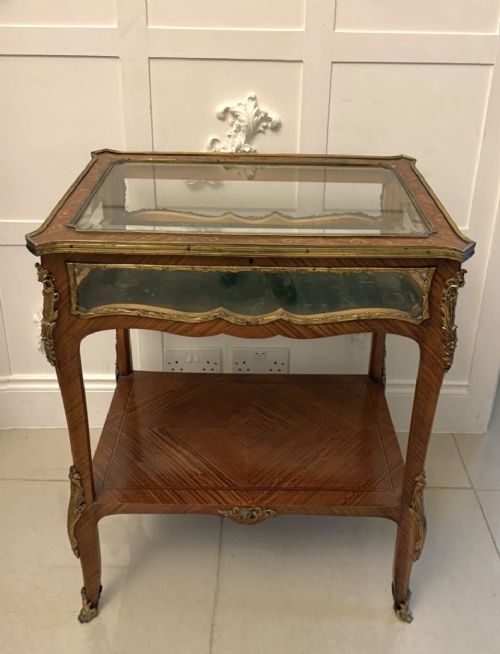
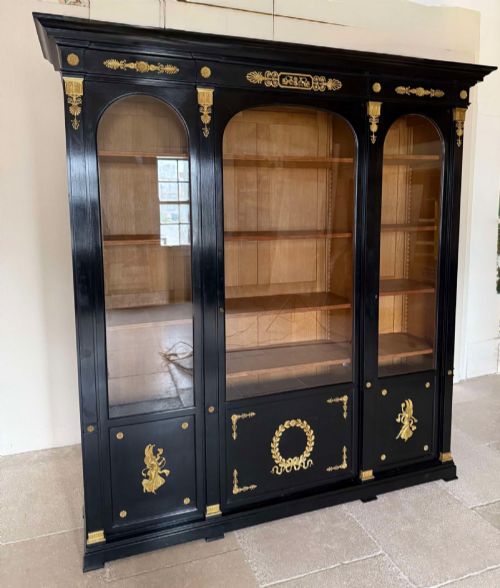
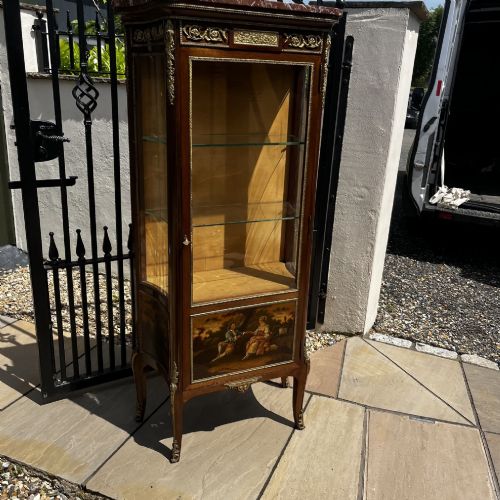
Makers and cabinetmakers of the period utilised rich timbers including kingwood, walnut, mahogany, and rosewood, often enhanced by parquetry or marquetry inlays. Formats range from miniature tabletop vitrines to substantial two-door bookcases and marble-topped cabinets designed for formal reception rooms.

What varies in quality
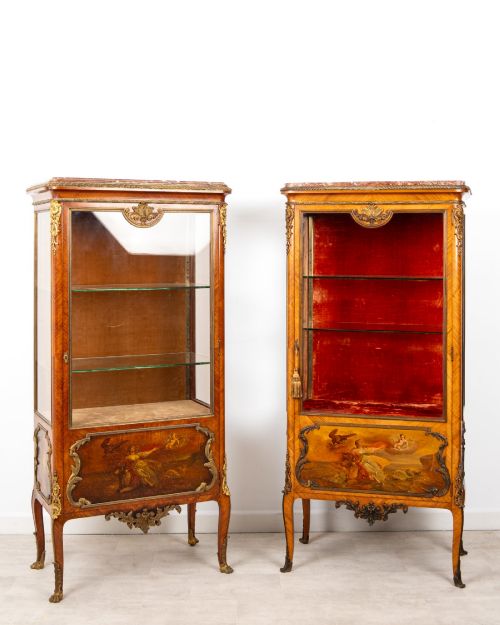
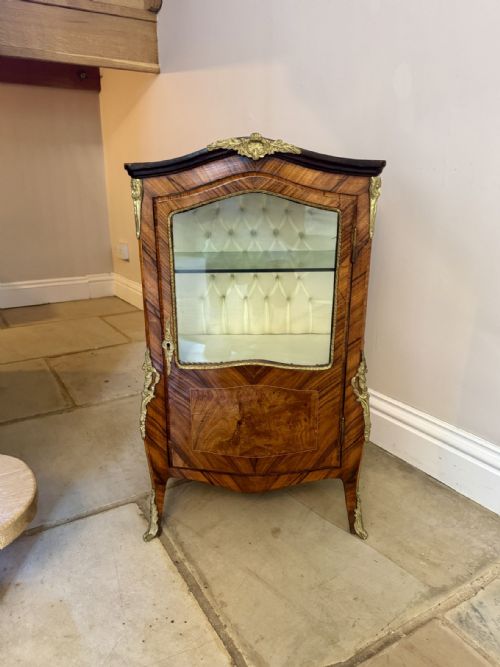
Quality in a 19th century french vitrine rests upon the crispness of the cast ormolu mounts and the precision of the underlying parquetry or marquetry woodwork. Cabinets featuring hand-painted Vernis Martin panels or substantial marble tops demonstrate greater ambition from the workshop.
The integration of curved glass panels rather than flat panes demands higher technical skill in the cabinetmaker. Structural harmony between the timber veneers, gilt bronze ornamentation, and interior fabric linings distinguishes superior examples.
19th Century French Vitrine Retail Price Guide 2026
Typical asking prices for 19th century french vitrine among the pieces listed under this phrase on Sellingantiques today, from the lower quarter to the upper quarter. They describe what is for sale here now, not the wider market.
Materials recorded across these listings include kingwood, walnut, mahogany, rosewood, ormolu, glass, marble, and fabric.
Francois Linke·Paul Sormani
The 19th Century French Vitrine Glossary
- Vitrine
- A glass-fronted display cabinet used for exhibiting porcelain, curiosities, and fine objects. These pieces rely on large glazed panels to maximise interior light.
- Vernis Martin
- A simulated Japanese lacquer technique developed in France, featuring painted decorative scenes on furniture panels. It often adorns the lower sections of fine display cabinets.
- Ormolu
- Gilded bronze used for decorative mounts on nineteenth-century furniture. The metal is cast and chased before receiving a gold amalgamation finish.
- Parquetry
- Geometric wood inlay work forming repeating patterns such as cubes or lozenges. This technique decorates the exterior surfaces of many high-end cabinet carcasses.
19th Century French Vitrine: Frequently Asked Questions
What is a French vitrine?
A French vitrine is a glazed display cabinet created to showcase decorative arts, porcelain, and small collections.
These pieces use glass panels on the doors and sides to allow light to reach the interior shelves.
Where were vitrines placed in the home?
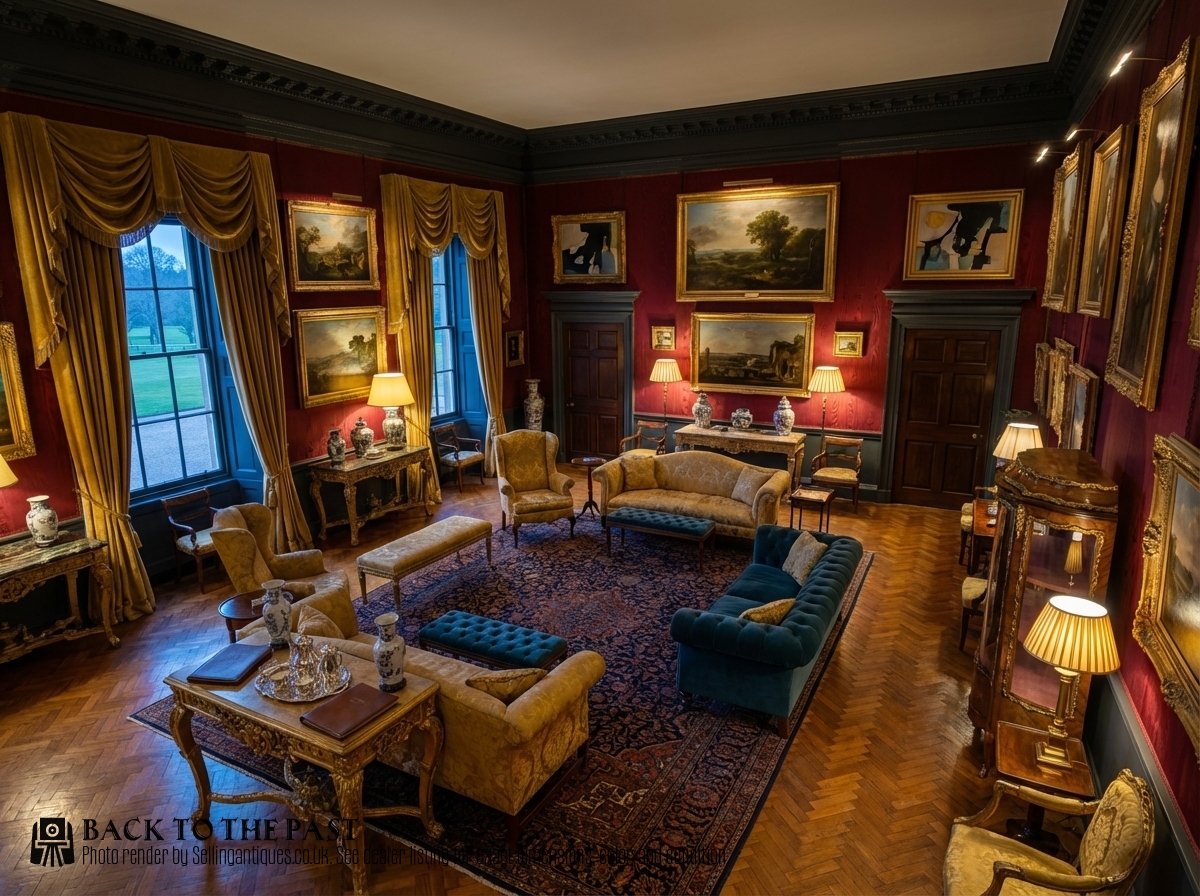
Vitrines typically stood in formal reception rooms, salons, and drawing rooms where guests gathered.
Their primary purpose was displaying prized possessions and family collections.
How do I identify a revival style?
Revival styles draw inspiration from earlier periods like the reigns of Louis XV and Louis XVI, adopting characteristic curves and mounts.
Nineteenth-century makers reinterpreted these historical motifs using contemporary woodworking machinery and traditional hand-finishing.