


19th Century Fireside Chair
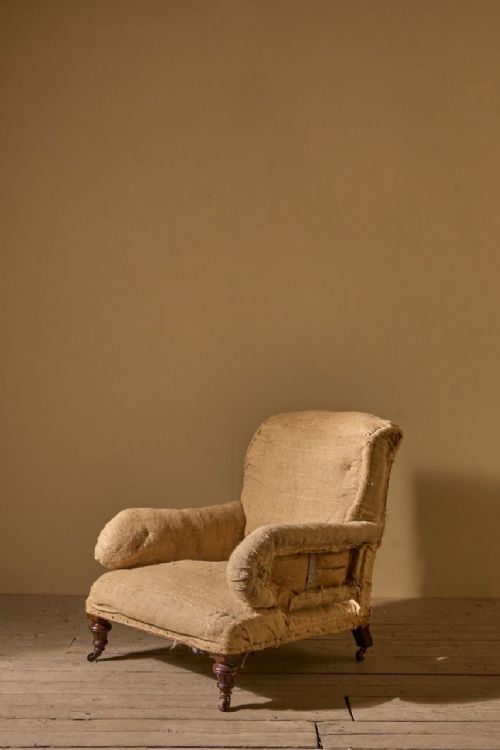
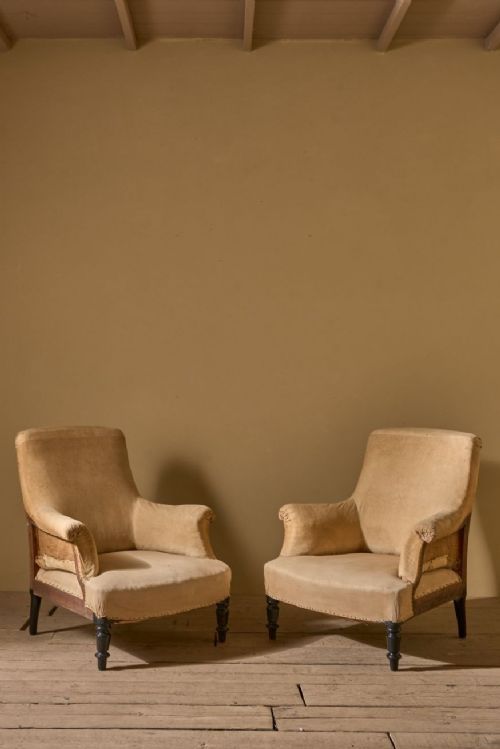
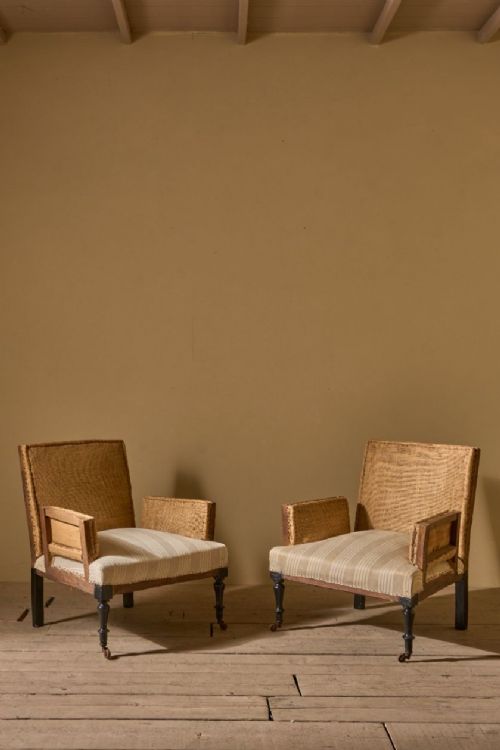
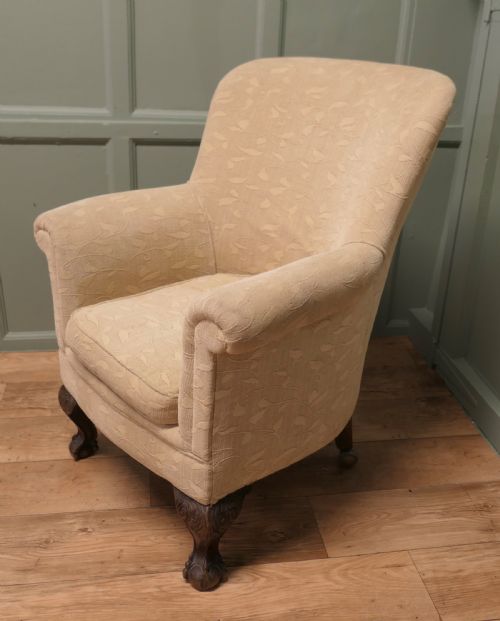
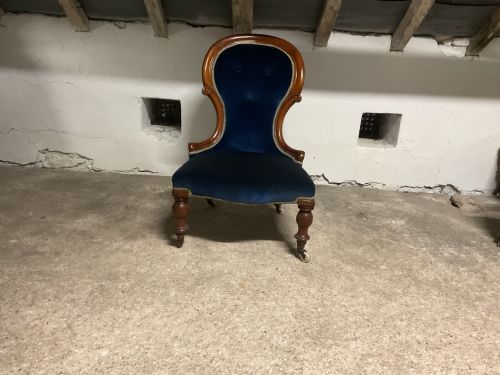
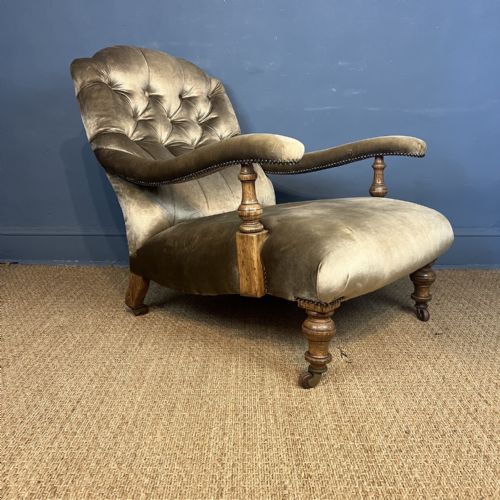
A 19th century fireside chair offers low-slung seating and sturdy timber frames designed to sit comfortably by the hearth.
19th Century Fireside Chair
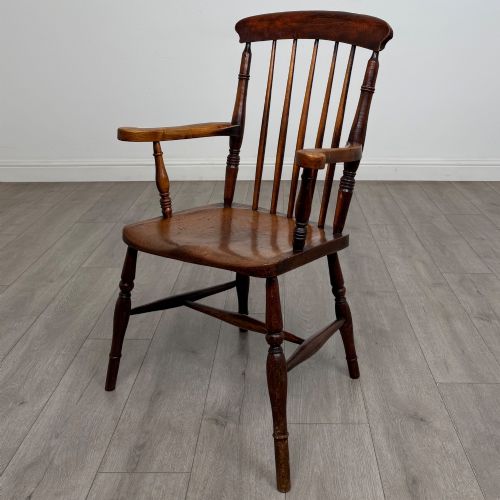
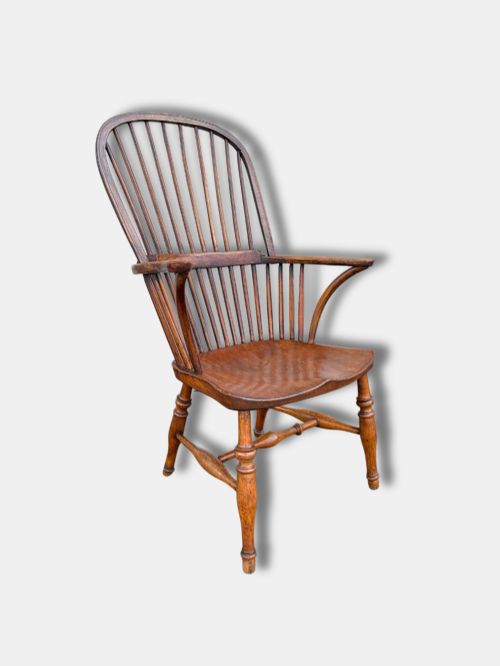
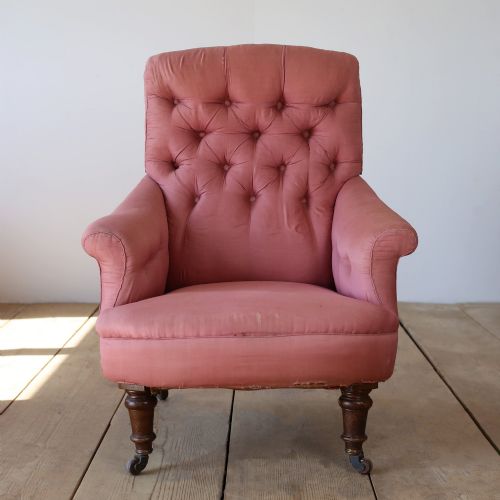
When searching for a 19th century fireside chair, a buyer encounters a diverse mix of seating designed for domestic comfort near the hearth, ranging from low seat models to substantial wingback designs. The selection spans robust country vernacular forms like ash and elm Windsor chairs alongside formal Victorian walnut and mahogany armchairs.
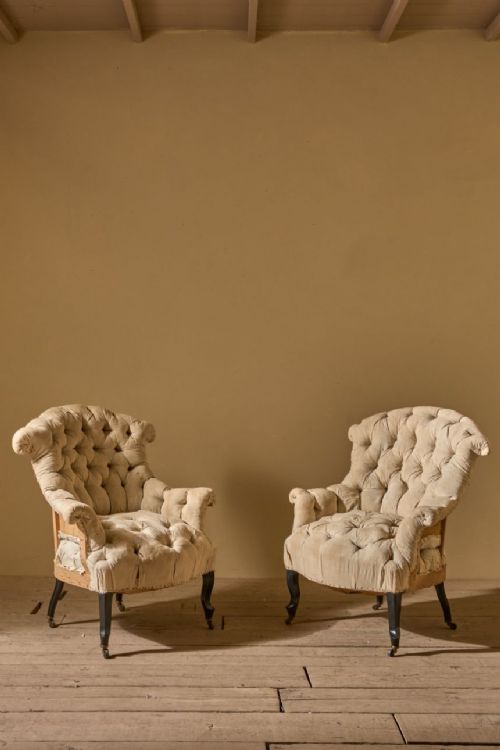
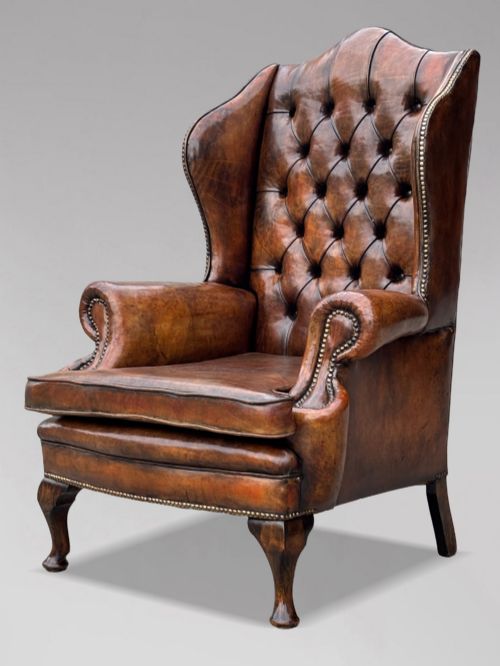
The most common versions met on this page include sturdy stick back and wheel back Windsor chairs from regional English makers, as well as upholstered button back wing armchairs from the Victorian era. These seating options combine practical warmth with period craftsmanship tailored for sitting close to an open fire.
Materials and construction
Makers utilised a combination of native timbers such as ash, elm, oak, and beech for sturdy country frames, while luxury pieces employed mahogany, walnut, rosewood, and goncalo alves. Structural integrity relied on traditional joinery methods, including turned spindles, pegged joints, and steam-bent wooden components for hoops and bows.
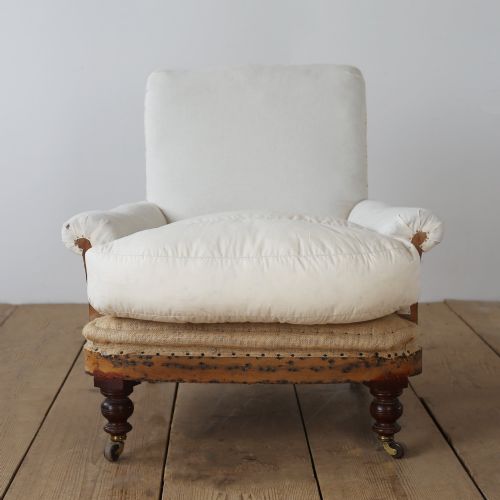
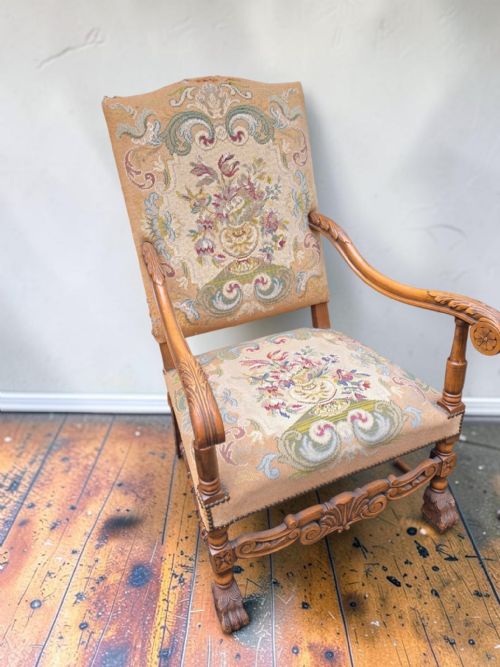
Upholstered examples integrate brass castors, webbing, and stuffing covered in materials like leather, velvet, tapestry, and calico. Frame embellishments range from simple stick back spindles to carved Gothic details and deep buttoning.
Some nineteenth century vernacular chairs retain traces of old rushed seats and primitive repairs that hint at generations of fireside warmth.
Distinguishing quality
Quality in these chairs rests upon the integrity of the timber frame, the crispness of any carved detailing, and the sympathetic nature of past repairs. Well-preserved original joinery and substantial timber scantlings distinguish superior pieces from those compromised by heavy structural alterations.
In upholstered variations, the standard of the underlying frame construction and the fidelity of any reupholstery materials to the period dictate the overall merit of the piece. Makers with established workshop reputations also elevate the standing of specific examples.
Howard and Sons·Gillows
The 19th Century Fireside Chair Glossary
- Windsor chair
- A wooden chair built with a solid sculpted wooden seat into which the legs and back spindles are separately bored and wedged. This form relies on turned components and steam-bent parts.
- Wingback
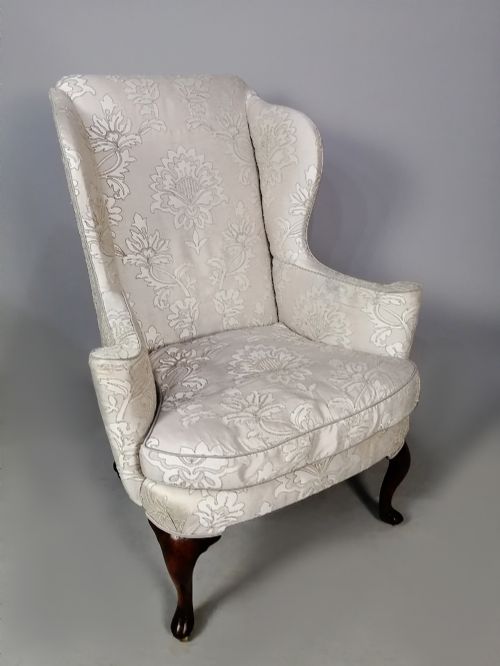
- An armchair featuring side panels or wings attached to the arm rests designed to shield the occupant from drafts. These upholstered forms frequently date to the Victorian period.
- Stick back
- A chair design utilising plain turned wooden rods or spindles fitted into the seat and top rail. It represents a prevalent style in country vernacular seating.
- Button back
- An upholstery technique where depressions are formed in the padding by pulling thread or twine tightly through the material and securing it to the frame. This method creates a patterned tufted surface.
- Corner chair
- A seat designed to fit into the corner of a room, typically featuring a semicircular back rail supported by turned columns and a central leg at the front.
19th Century Fireside Chair: Frequently Asked Questions
What defines a fireside chair?
A fireside chair is typically low to the ground to keep the occupant beneath the level of drafts and close to the warmth of the hearth. These seats often incorporate protective wings or solid wooden backs.
They appear in both formal upholstered varieties and robust wooden Windsor or stick back forms suited for everyday domestic use.
How do I identify a Victorian chair?
Victorian chairs often feature denser hardwoods like mahogany and walnut, alongside characteristic styles including button back upholstery and revival ornamentation. Construction methods from this era also incorporated coil springs and brass castors.
Examining the underside and framing reveals the transition from hand-worked joinery to more standardised industrial production techniques.
Are country chairs different from urban ones?
Country chairs generally utilise local timbers such as ash, elm, and fruitwood, focusing on simple structural strength and functional Windsor or ladder back designs. Urban workshop pieces frequently employ imported mahogany or walnut with elaborate carved details.
Regional variations also help determine the origin of country pieces based on turning patterns and local timber availability.
Can I use these chairs daily?
Most of these chairs remain structurally sound for regular daily use provided the joints are stable and any upholstery has been properly maintained. Timber frames benefit from occasional waxing to keep the wood nourished.
Upholstered pieces may require inspection of the internal webbing and padding to ensure adequate support for modern seating comfort.