
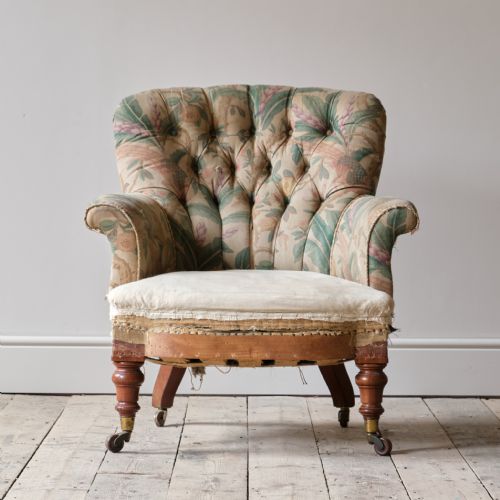
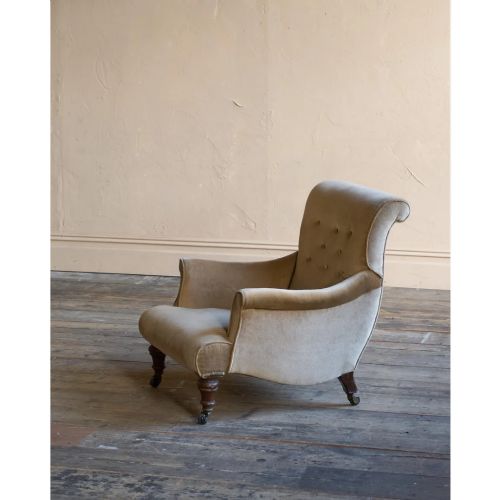
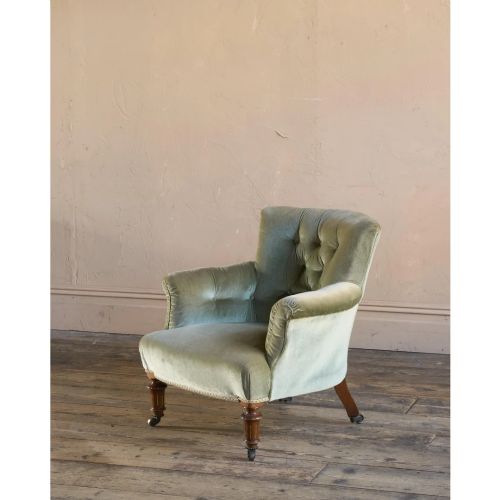
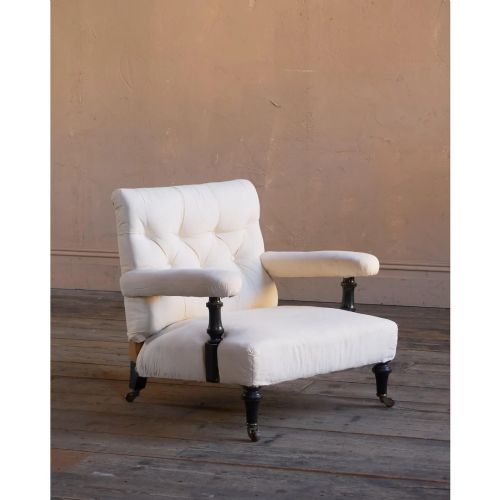
Button Back Easy Chair
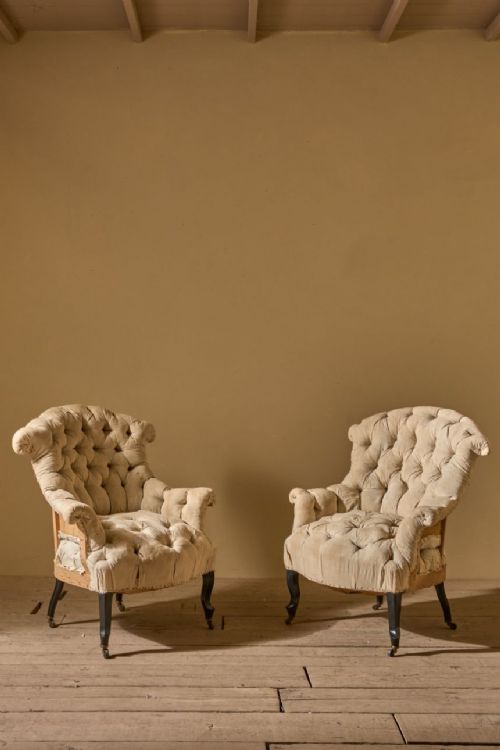
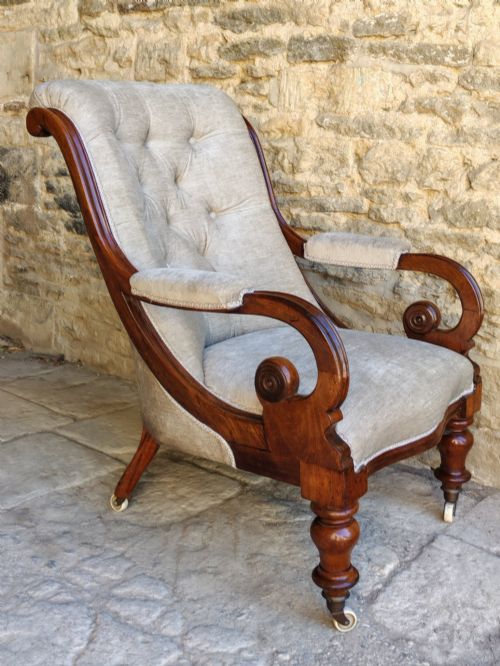
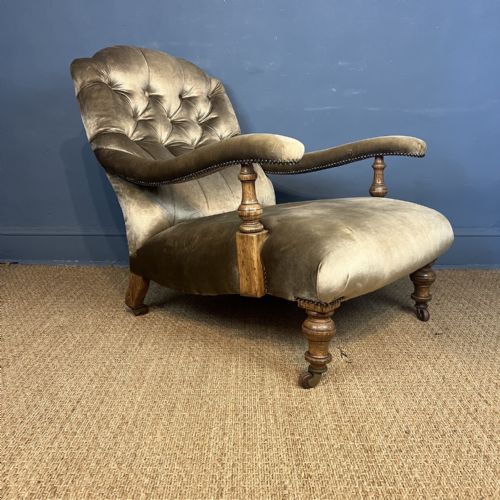
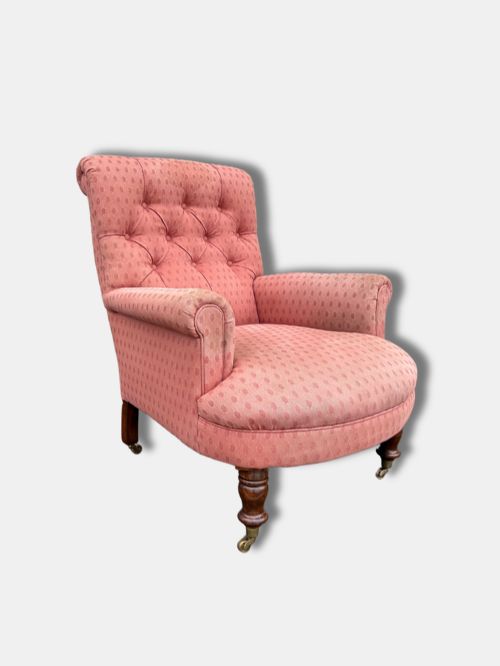
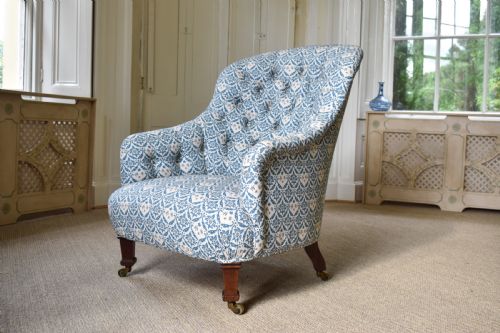
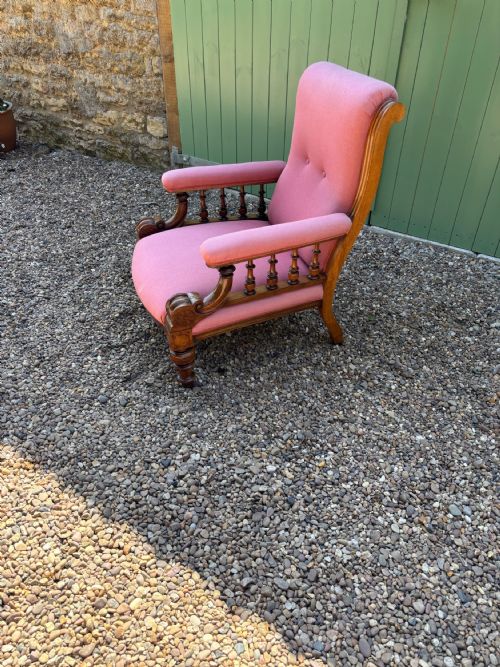
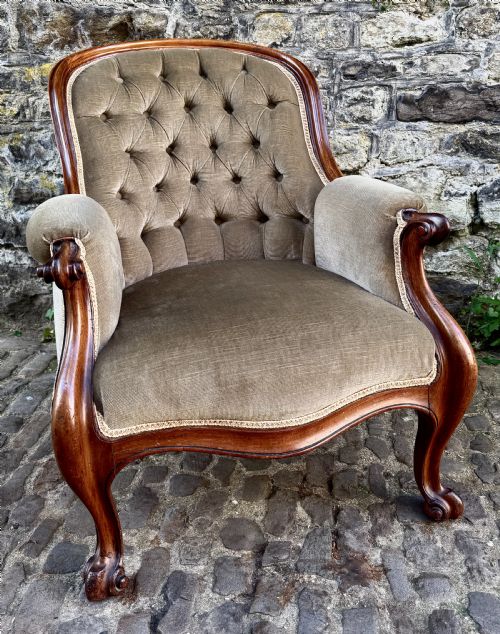
A button back easy chair offers deep comfort and traditional upholstery, combining rich timber frames with buttoned upholstery for domestic lounging.
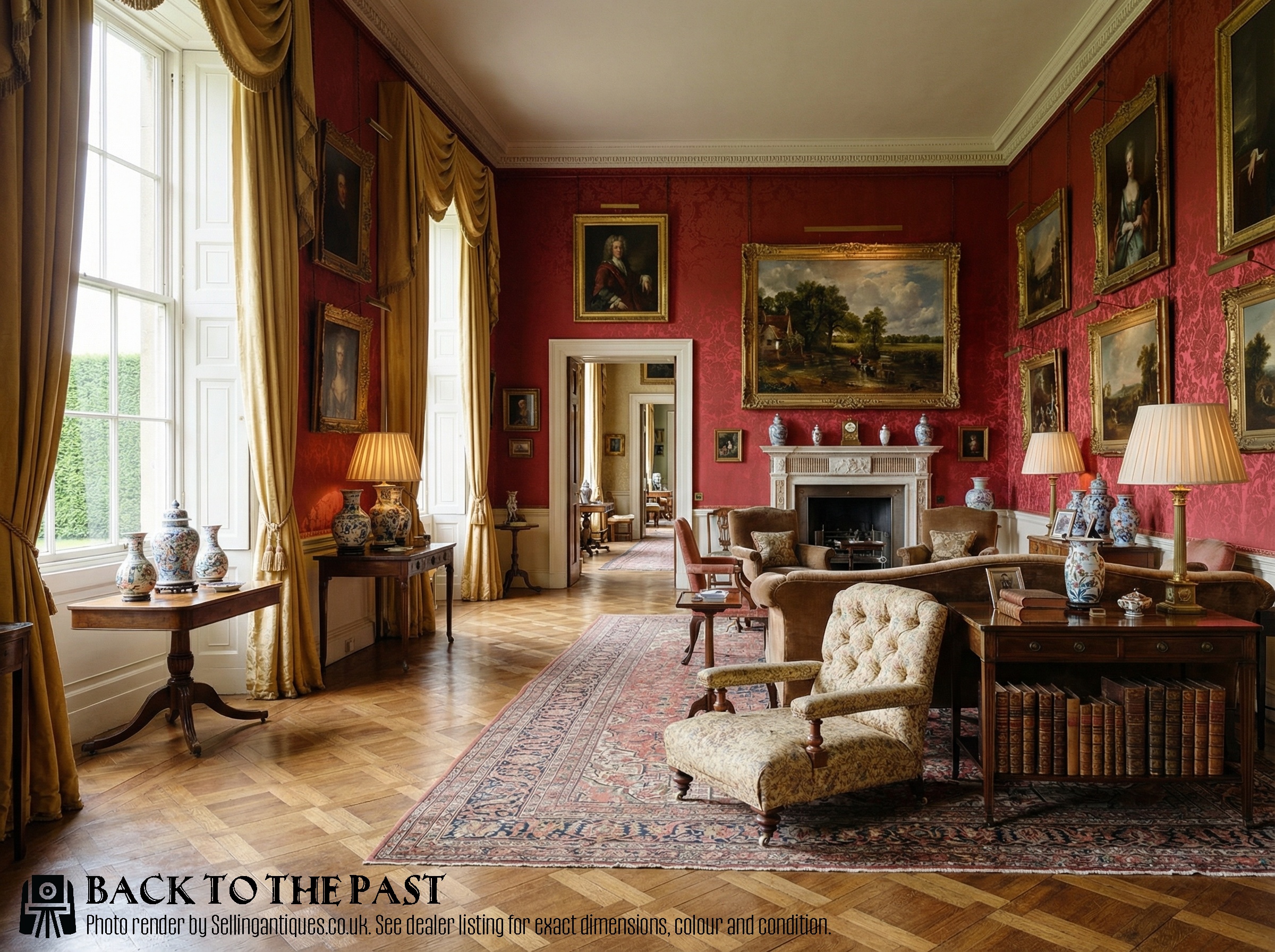
Button Back Easy Chair
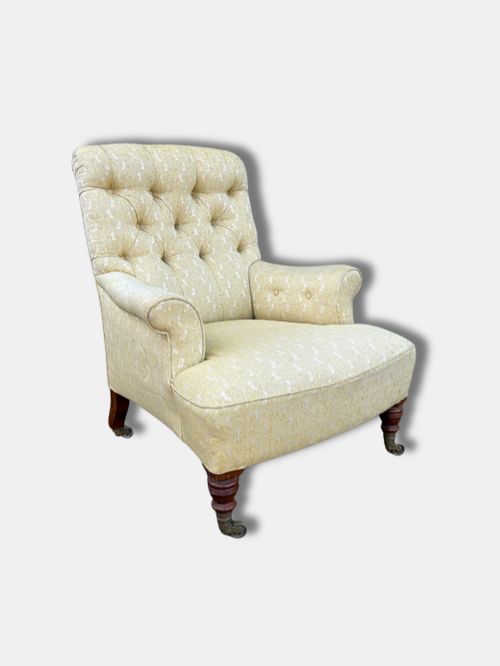
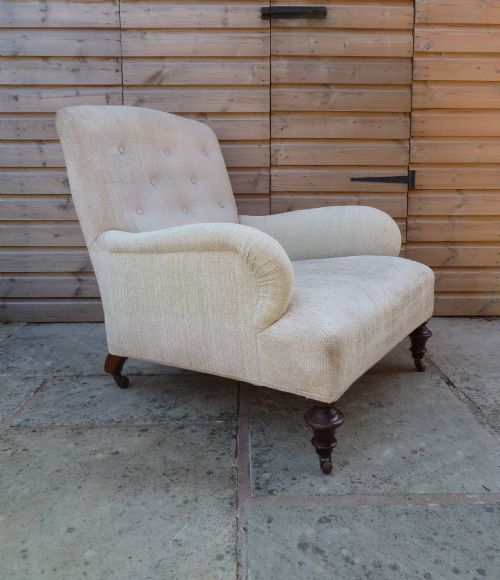
A button back easy chair is a low, supportive seat designed for relaxation, appearing frequently in Victorian, Edwardian, and nineteenth-century forms. These pieces often feature sprung seats and padded arms intended for comfortable daily use in drawing rooms and libraries.
The selection here draws primarily from nineteenth-century examples, including walnut and mahogany frames alongside walnut armchairs and slipper chairs. Buyers encounter Victorian and Edwardian iterations, many displaying classic English country house proportions.
Makers such as Howard and Sons and Gillows heavily influence this category, producing upholstered seating that ranges from compact library chairs to larger reading seats. French Napoleon III variants also appear, offering distinct tailoring and low profiles.
Evaluating construction and proportion
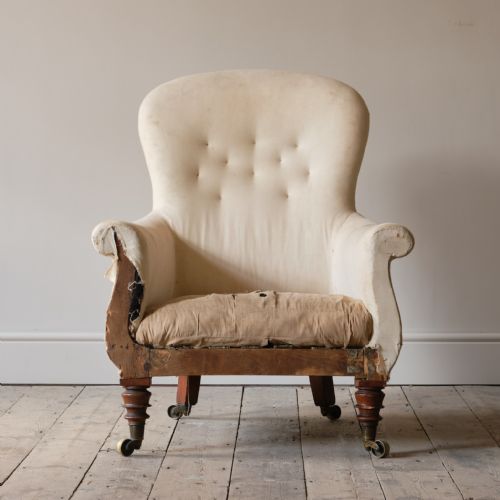
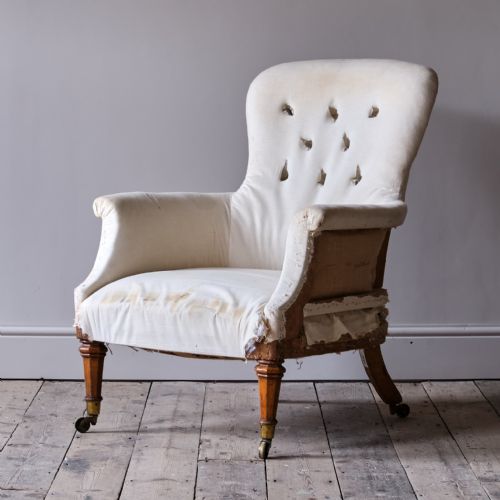
Quality rests in the integrity of the underlying timber frame and the precision of the joinery beneath the upholstery. Superior pieces retain robust hardwood frames without structural compromise, supporting deep springs that maintain proper tension.
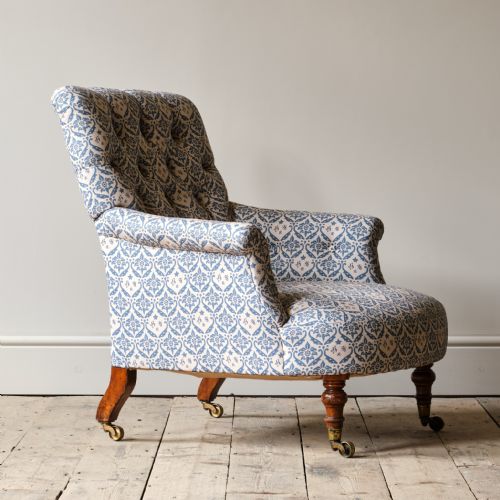
The finesse of the buttoning and the choice of covering fabric distinguish finer examples. Expert upholstery work ensures even tension across every diamond fold, while secondary woods and crisp carving on the show-wood frame indicate higher workshop standards.
Button Back Easy Chair Retail Price Guide 2026
Typical asking prices for button back easy chair among the pieces listed under this phrase on Sellingantiques today, from the lower quarter to the upper quarter. They describe what is for sale here now, not the wider market.
Listings feature nineteenth-century walnut and mahogany frames upholstered in leather, velvet, linen, and calico.
Howard and Sons·Gillows·Mellier and Co
The Button Back Easy Chair Glossary
- Button back
- A style of upholstery where the fabric is pulled deep into the padding and anchored with buttons in a grid pattern. This technique secures the internal stuffing while creating a textured, supportive surface.
- Easy chair
- A comfortable, upholstered seat designed for relaxation rather than formal sitting. These pieces typically feature low seats and generous padding.
- Sprung seat
- A seating platform built with coiled metal springs rather than solid webbing alone. This innovation provides superior bounce and long-term resilience.
- Show-wood
- The exposed wooden parts of an upholstered chair frame, such as the legs, arms, and crest rail. Craftspeople polish or carve these areas to display the grain and colour of walnut or mahogany.
Button Back Easy Chair: Frequently Asked Questions
How do I date a button back easy chair?
Dating relies on examining the timber frame, turning styles, and under-upholstery materials. Mid-nineteenth-century examples often feature walnut or rosewood frames with distinct Victorian carving.
Later Edwardian versions frequently adopt more streamlined profiles or specific maker characteristics. Comparing the secondary woods and spring construction helps pinpoint the decade of manufacture.
Where were these chairs used historically?
These seats found places in domestic drawing rooms, libraries, and country house bedrooms as dedicated reading and resting spots. Their compact dimensions made them versatile for sitting beside fireplaces.
They served family members seeking comfort during long winter evenings. Leather versions often occupied masculine spaces like studies, while fabric examples suited sitting rooms.
How should I care for the wood and fabric?
Protect the exposed timber frames by applying natural wax polish periodically to maintain the moisture of walnut or mahogany. Avoid placing the chairs in direct sunlight to prevent fading on velvet, leather, or linen coverings.
Vacuum upholstered surfaces gently using a soft brush attachment to remove dust from the button folds. Professional cleaning preserves the tension of horsehair stuffing and historic fabric integrity.