
19th Century Elm Furniture
These robust 19th century elm furniture pieces bring tactile grain and honest country utility into modern rooms.
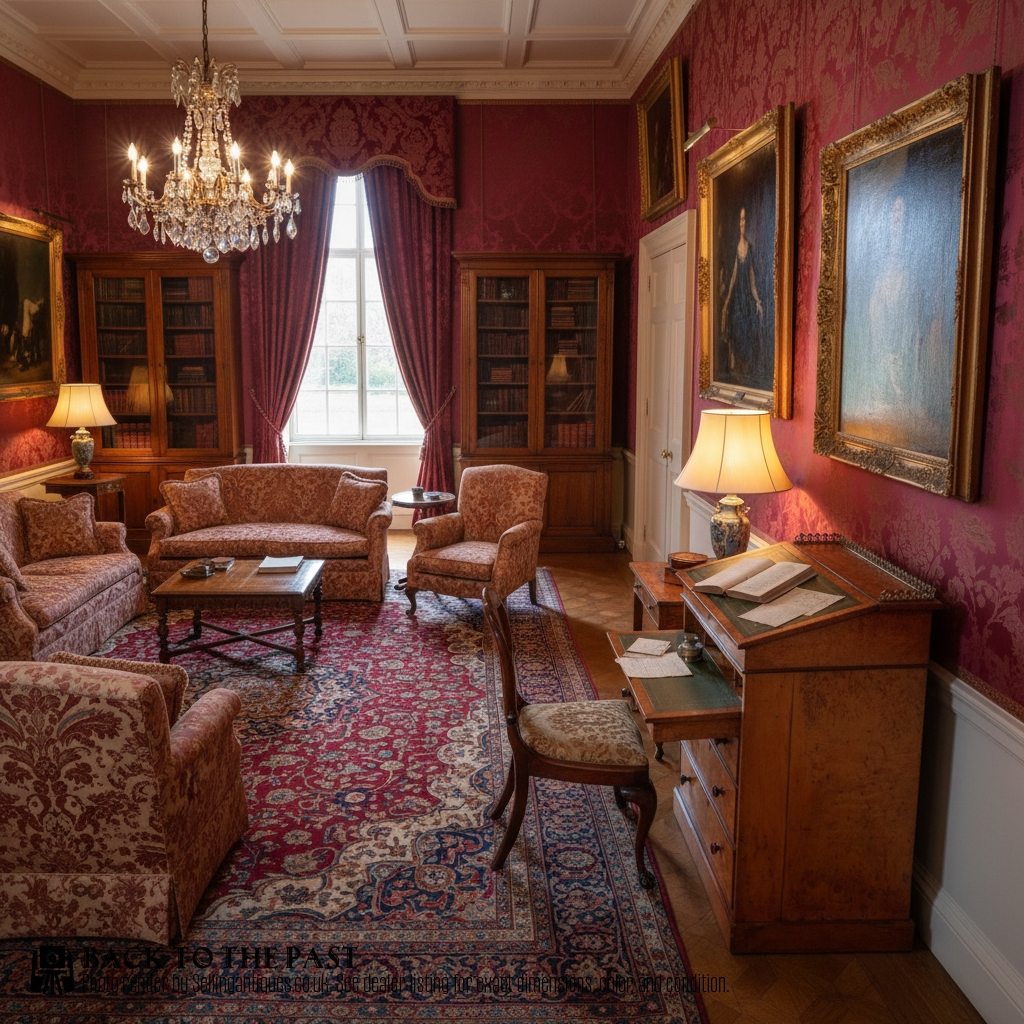
19th Century Elm Furniture
When you search for 19th century elm furniture, you encounter sturdy utilitarian pieces built for daily use in farmhouses, cottages, and provincial workshops. The selections span English country seating, robust dining tables, and functional storage chests from various global vernacular traditions.
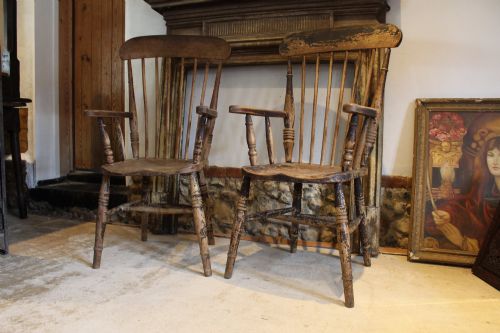
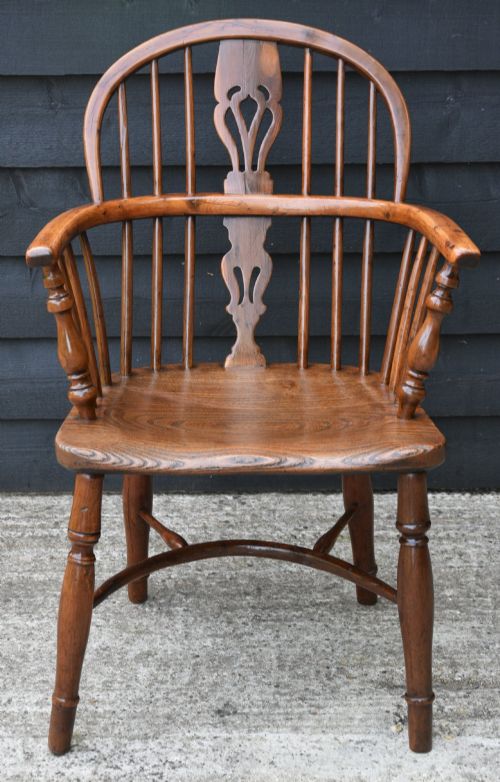
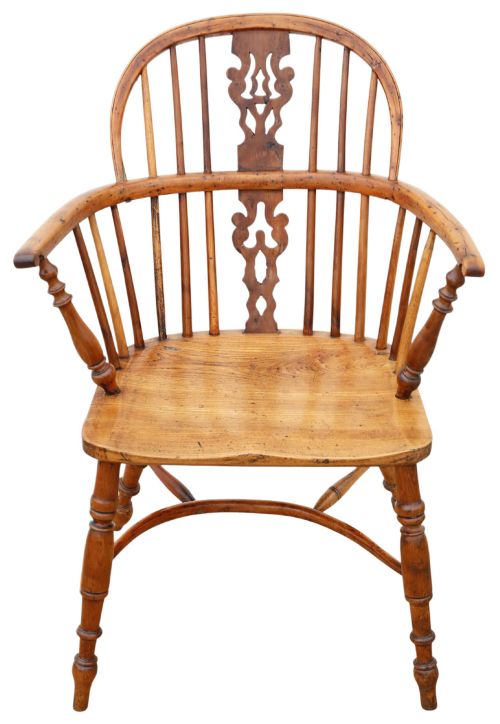
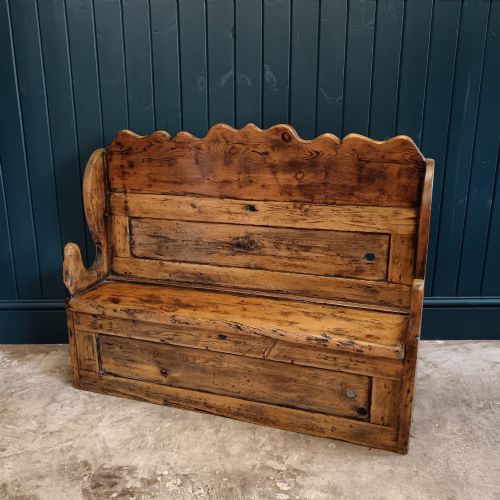
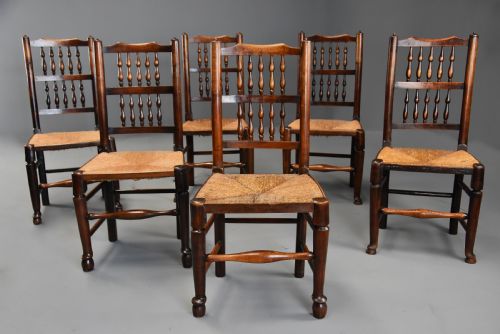
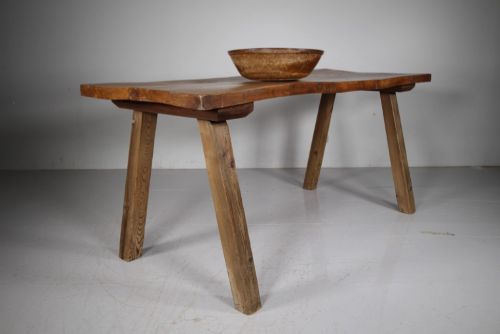
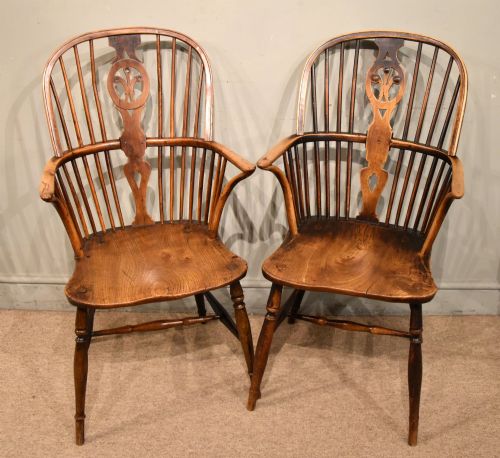
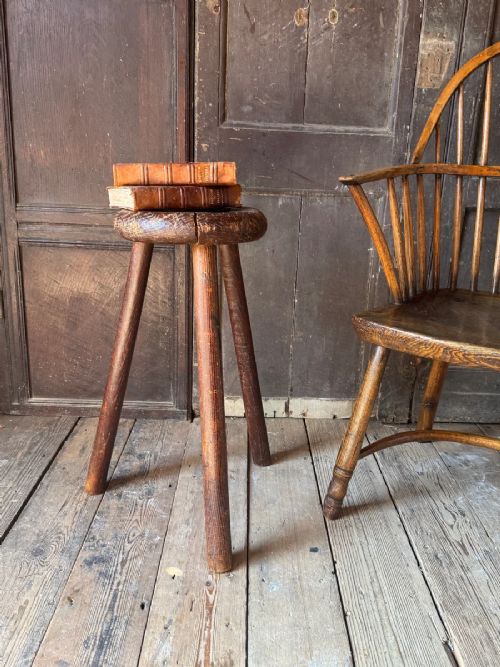
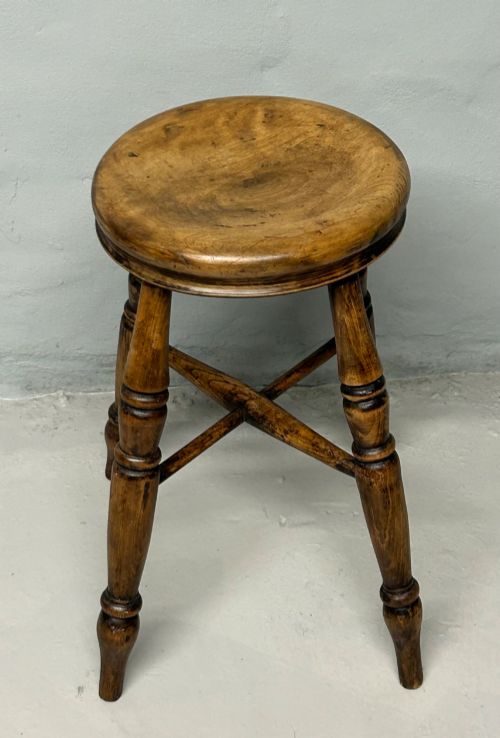
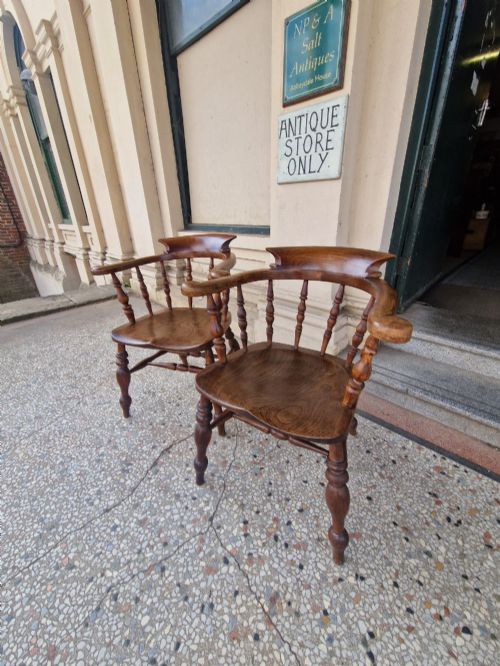
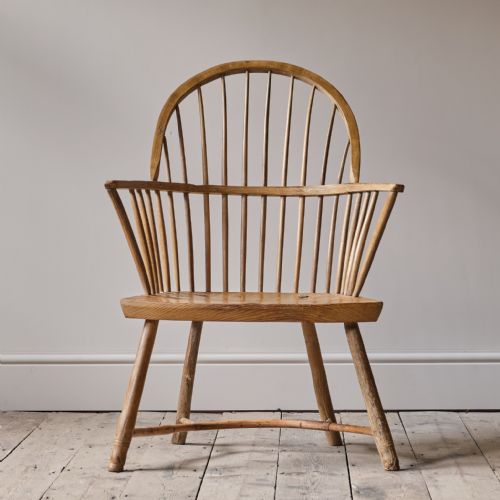
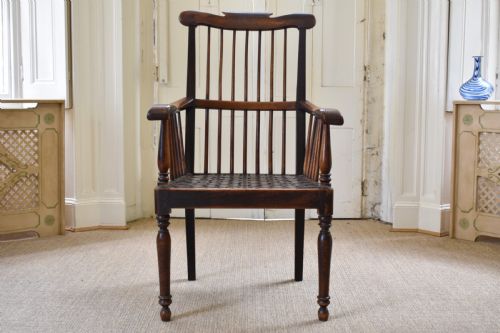
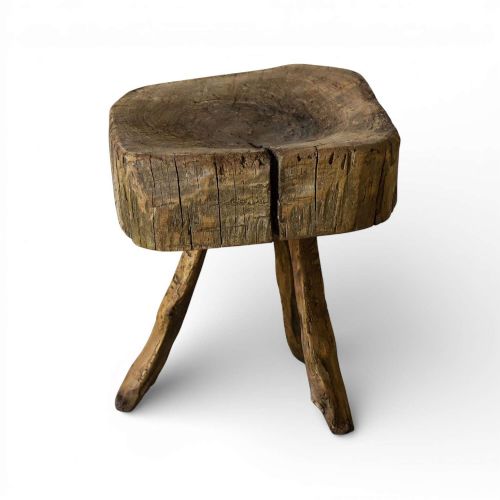
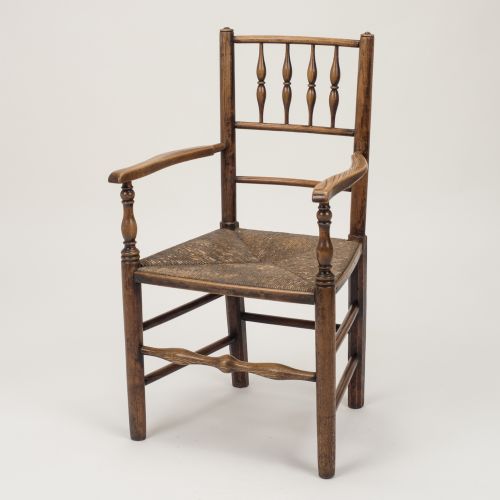
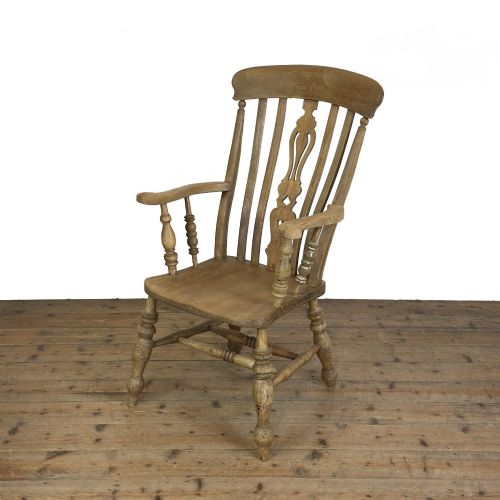
You are most likely to meet Windsor armchairs, spindle-back dining chairs, and low milking stools alongside substantial farmhouse tables and benches. These forms reflect a practical domestic life where local timber dictated the character of the household objects.
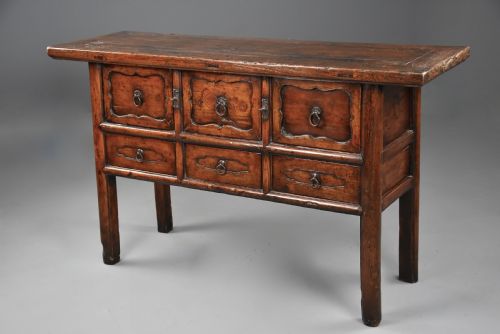
The aesthetic stretches from English and Welsh rustic traditions through to French provincial work, Scandinavian storage pieces, and Chinese domestic furniture. Each regional variety uses the tough properties of the wood to create enduring seating and surface tables.
How they were made
Elm timber provides the primary structural foundation due to its interlocking grain, which resists splitting under heavy stress. Craftsmen frequently paired this resilient wood with ash for spindle frames or beech for turned legs, ensuring each chair or table could endure decades of physical strain.
Makers utilised traditional joinery methods such as mortise and tenon joints, steam-bending for hoop-back Windsor chairs, and pegged constructions. Surfaces often retain simple waxed finishes, traces of historic paint, or natural patination built up through generations of household handling.
Several items retain traces of farmyard life, including dairy splatters and pig-bench wear patterns.
What varies in quality
The distinction between standard utility items and finer examples rests in the selection of figured burr timber, the balance of proportions, and the integrity of the original construction. Pieces featuring richly patterned burr elm veneers or seats carved from a single, thick plank demonstrate superior craftsmanship.
Surface preservation significantly influences the standing of a piece, particularly where original patination, rush seating, or early painted finishes remain intact. Alterations, replaced components, or excessive sanding diminish the historical authenticity that collectors seek in vernacular items.
The 19th Century Elm Furniture Glossary
- Windsor chair
- A wooden chair built with a solid sculpted seat into which the legs and back spindles are separately tenoned. This construction method creates a durable and supportive seat common in country houses.
- Burr elm
- A growth deformity in the elm tree that produces highly swirled and complex wood grain patterns. Cabinet makers prized this figured timber for decorative table tops and drawer fronts.
- Vernacular furniture
- Domestic objects made by local tradesmen using regional materials to satisfy immediate practical needs rather than following high-fashion court styles. These pieces emphasise function and local tradition.
- Patina
- The surface sheen and colour change developed by wood and other materials through age, handling, and light exposure. A rich patina indicates long use without harsh chemical stripping.
- Rush seating
- Woven chair seats made from dried marsh rushes twisted into cords and patterned across the frame. This technique provides a resilient and slightly yielding surface for country dining chairs.
19th Century Elm Furniture: Frequently Asked Questions
How do I care for antique elm?
Keep elm items away from direct heat sources and sudden temperature shifts to prevent the timber from splitting. Apply a microcrystalline wax occasionally to nourish the grain.
Avoid commercial liquid polishes that build up silicone layers. Gentle dusting with a soft cloth preserves the natural surface.
Were these items painted originally?
Many utilitarian items such as dairy stools and farmhouse boards received coats of practical paint or wash for protection. Surviving historic paint adds considerable character and historical context to vernacular furniture.
Owners should inspect paint layers closely to distinguish original historic surfaces from later decorative interventions.
Can I use these tables daily?
Most of these pieces were constructed specifically for heavy everyday work in kitchens, dairies, and farmhouses. Their robust joinery handles normal domestic use comfortably.
Using protective mats for hot dishes and promptly wiping spills ensures the antique timber remains undamaged during meals.