




Tall Narrow Wooden Cabinets
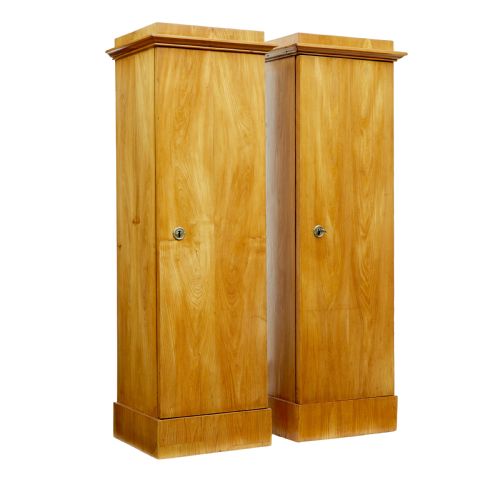
Tall narrow wooden cabinets bring vertical presence and storage to compact rooms, spanning Victorian and Edwardian periods in mahogany, walnut, and pine.
Tall Narrow Wooden Cabinets
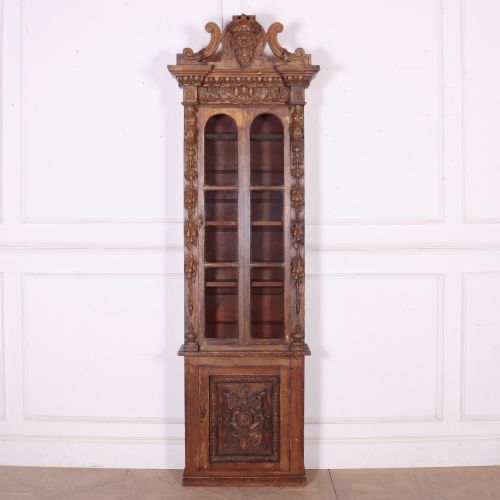
Tall narrow wooden cabinets encompass a variety of upright storage forms designed to maximise floor space while offering substantial internal capacity. When exploring tall narrow wooden cabinets on this page, you encounter pieces intended for specialised storage, from bookcases and music cabinets to Wellington chests and bedside cupboards.
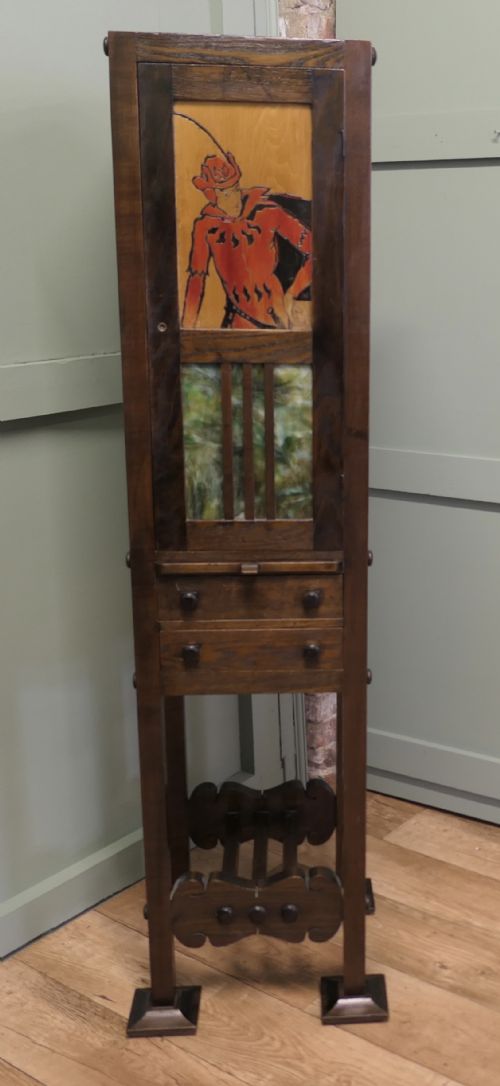
The selections span the nineteenth century through the Edwardian era, incorporating styles such as Victorian country, Arts and Crafts, and French provincial. You find forms originating from English workshops alongside Scandinavian and North African examples.
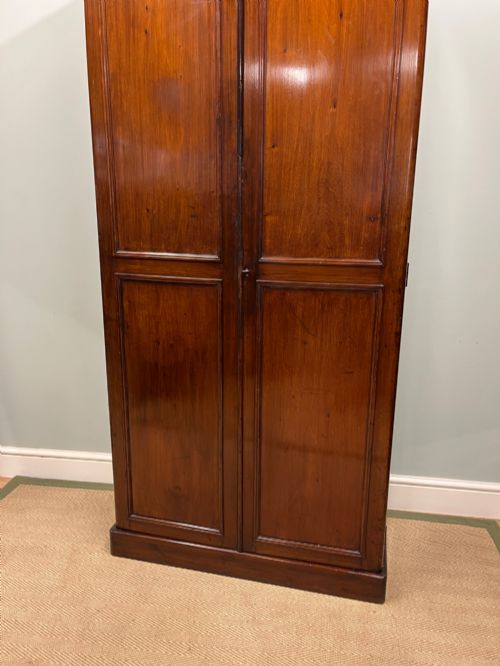
Mahogany and walnut predominate among the finer woods, complemented by robust pine and painted finishes used in domestic linen and kitchen cupboards. These vertical pieces serve practical functions in hallways, bedrooms, and studies where floor area is restricted.
Materials and Construction
Cabinet makers utilised dense hardwoods like mahogany, walnut, and elm for formal pieces, often pairing them with satinwood inlay or brass hardware. Carved pine and oak provided sturdy carcasses for provincial cupboards, kitchen housekeepers' units, and pharmacy chests.
Surface treatments range from clear wax finishes highlighting figured grain to cream and coloured paint applied to pine and softwood structures. Drawer construction typically involves hand-cut dovetails, while tall locking mechanisms define specific forms like the Wellington chest.
Tall Narrow Wooden Cabinets Retail Price Guide 2026
Typical asking prices for tall narrow wooden cabinets among the pieces listed under this phrase on Sellingantiques today, from the lower quarter to the upper quarter. They describe what is for sale here now, not the wider market.
Pharmacy chests keep your tiny odds and ends safely concealed behind six small drawers.
Evaluating Quality and Finish
The distinction between standard utility storage and superior cabinet work rests primarily on timber selection and timber figure, such as highly figured burr walnut or rich mahogany. Finer examples display meticulous attention to detail in satinwood inlay, brass fittings, and integrated locking systems.
Structural integrity and original surface preservation determine the standing of each piece, distinguishing workshop-produced items from simpler provincial furniture. The harmony of proportions across tall, slender elevations dictates the visual impact of the cabinet within a room.
Shapland and Petter·Minty·Gillows of Lancaster·Maple and Co
The Tall Narrow Wooden Cabinets Glossary
- Open bookcase
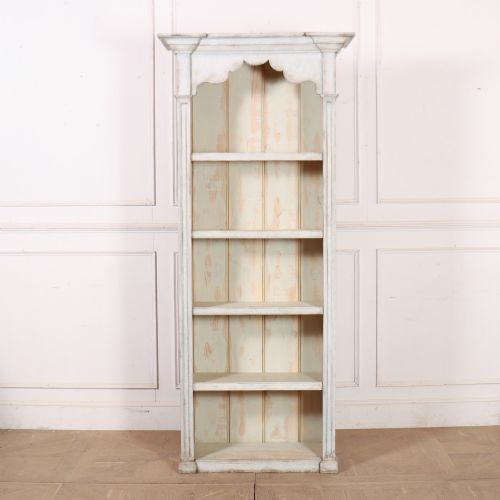
- A vertical shelving unit without doors, designed for book storage and display. These pieces often feature adjustable shelves and narrow footprints suitable for alcoves.
- Pharmacy chest
- A multi-drawer cabinet historically utilised for storing medical supplies and apothecaries' goods. These items exhibit numerous small drawers set within a tall wooden frame.
- Satinwood inlay
- Decorative woodwork technique involving contrasting light-coloured satinwood inserted into darker primary veneers. This method creates geometric or floral patterns across drawer fronts and cornices.
- Pedestal cupboard
- A compact, vertical freestanding cabinet designed to stand beside a bed or desk. These units generally combine a single door with an internal shelf or small drawer.
Tall Narrow Wooden Cabinets: Frequently Asked Questions
What is a Wellington chest?
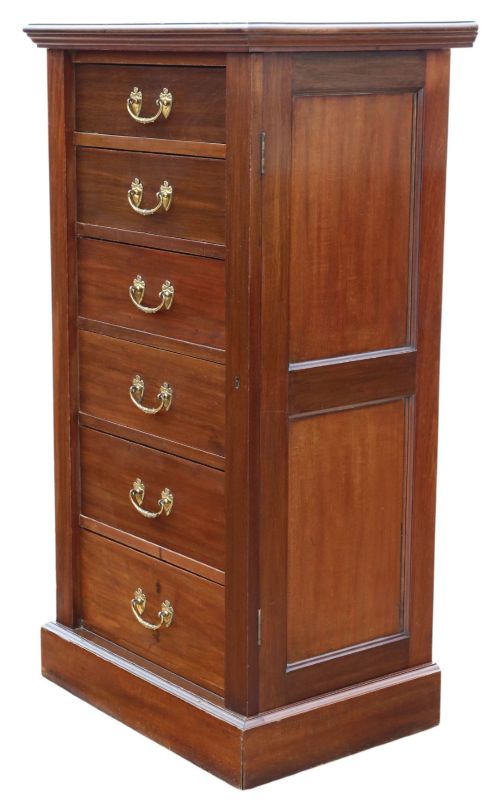
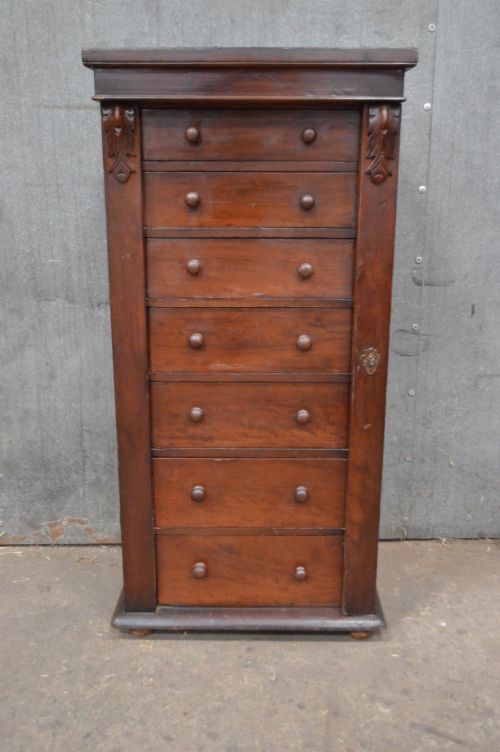
A Wellington chest is a tall, narrow set of drawers characterised by a locking wooden flap down one side that secures all the drawers simultaneously.
Originally designed in the nineteenth century for secure document storage, these pieces provide deep vertical capacity while occupying minimal floor space.
Where should I place a tall narrow cabinet?
These cabinets suit hallways, tight alcoves, and compact bedrooms where traditional wide furniture overwhelms the floor plan.
Their vertical proportions draw the eye upward, making them functional storage solutions in rooms with limited horizontal wall space.
How do I date an Edwardian cabinet?
Edwardian cabinets, produced between nineteen hundred and nineteen ten, often display lighter timbers, satinwood stringing, and influences from the Arts and Crafts movement.
Construction methods shift slightly toward machine-assisted precision while retaining hand-finished details and original brass or copper hardware.
How do I care for antique mahogany furniture?
Antique mahogany requires regular dusting with a dry, soft cloth and occasional treatment with quality beeswax to nourish the wood.
Keep these cabinets away from direct heat sources and strong sunlight to prevent the timber from drying out and the polish from fading.