


Swedish Furniture 19th Century
These pieces of swedish furniture 19th century combine clean Scandinavian lines with practical storage and striking timber figures, bringing northern light into any room.
Swedish Furniture 19th Century
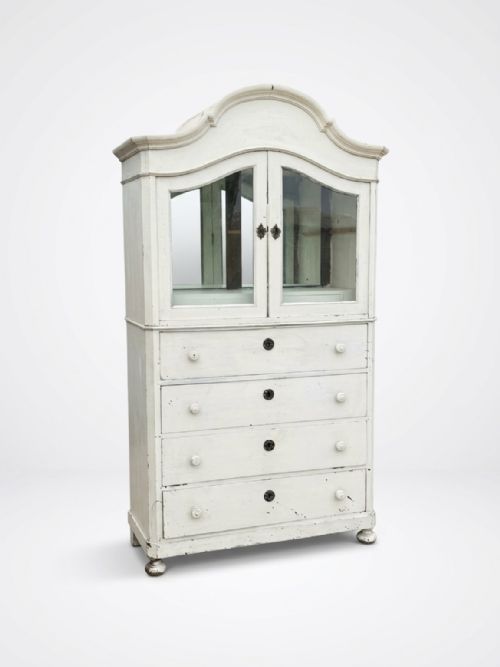
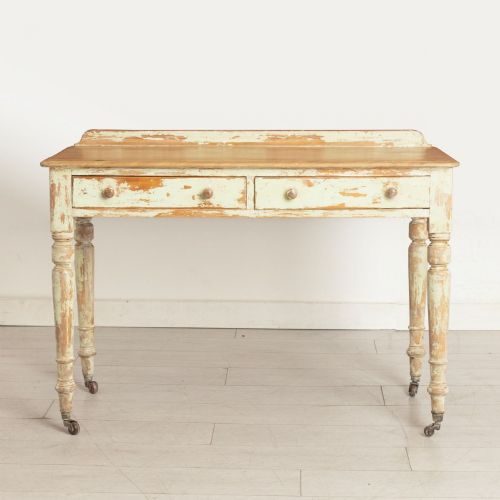
When you search for swedish furniture 19th century, you encounter a distinct blend of formal Biedermeier elegance and robust Scandinavian country utilitarianism. The selection centres heavily on storage and occasional pieces, including chests of drawers, writing desks, cabinets, and various forms of tables.
Most items date from the broader nineteenth century, reflecting periods such as the Victorian era or specific stylistic revivals. Buyers frequently find pine, birch, and painted surfaces that demonstrate the region's resourceful use of native timbers.
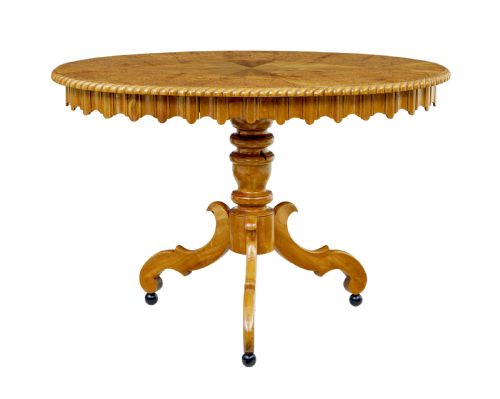
Forms range from austere folk art cupboards to highly figured burr birch commodes and drop-leaf dining tables. This variety allows collectors to furnish both formal interiors and relaxed rustic spaces with equal ease.
Materials and construction methods
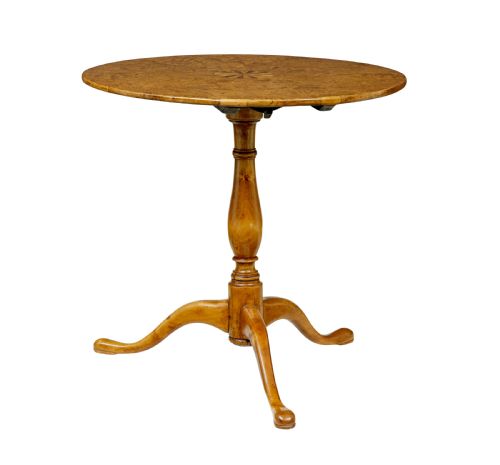
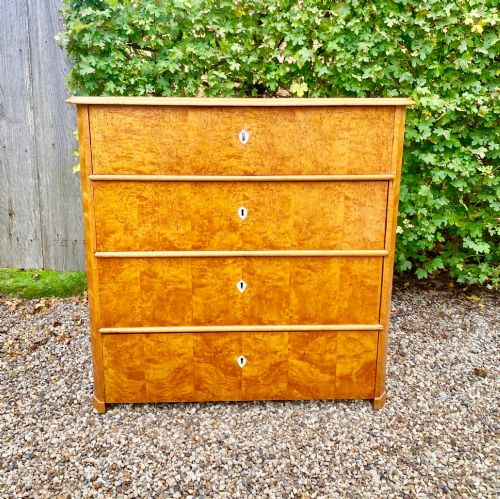
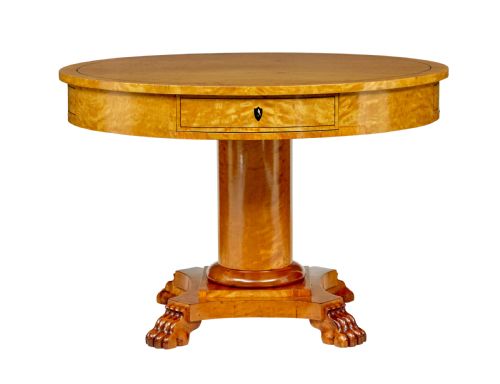
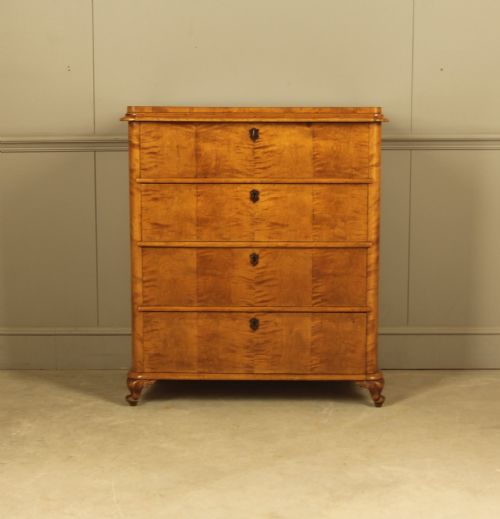
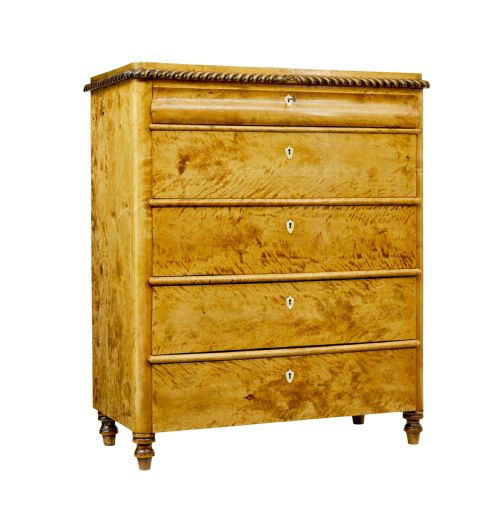
Makers relied extensively on native Scandinavian timbers, primarily utilising birch, pine, and oak. Carpenters selected exotic veneers such as burr birch, flame birch, and masur birch to create striking, patterned drawer fronts and table tops.
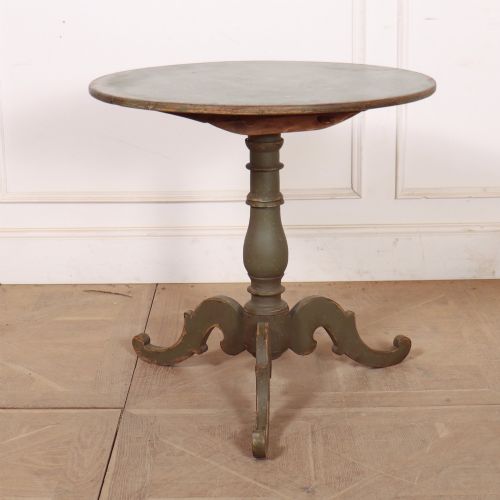
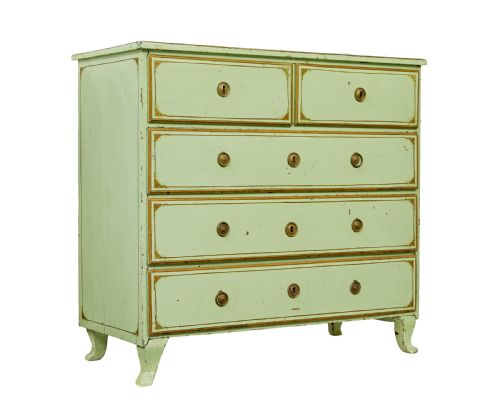
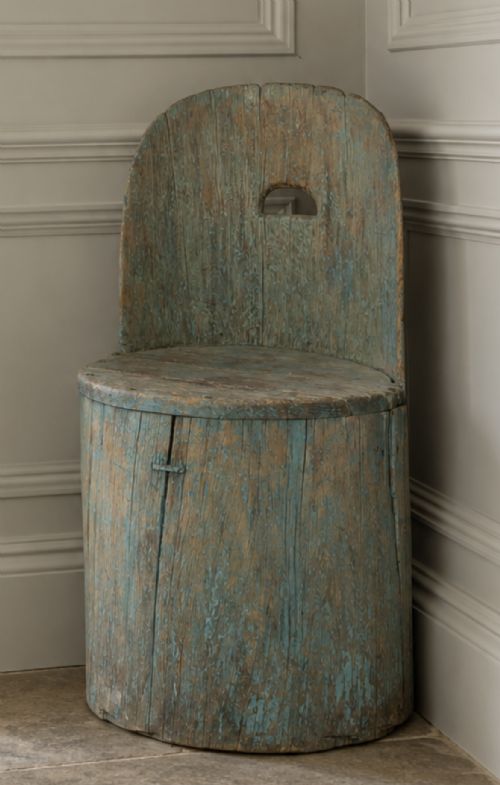
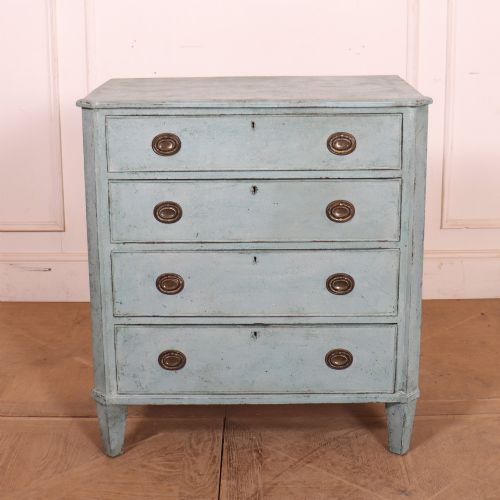
Surface treatments define a large portion of the inventory, encompassing hand-painted finishes, original paint schemes, and faux marble tops. Iron and brass hardware provided functional contrast to the pale timber and painted carcases.
Listings feature a strong representation of pine and birch timbers, alongside painted surfaces and specialised variations like burr, flame, and tiger birch.
Quality variations in the inventory
The degree of surface preservation heavily dictates the distinction between standard domestic items and finer examples. Pieces retaining their original hand-painted finishes or vibrant polychrome folk art decoration command greater attention than later overpainted surfaces.
Timber selection and grain matching separate standard utility items from high-status furniture. The use of highly figured burr, flame, or masur birch veneers requires advanced cabinet-making skill compared to plain structural pine.
The Swedish Furniture 19th Century Glossary
- Biedermeier
- A Central European and Scandinavian style characterised by utilitarian comfort, clean lines, and minimal ornamentation that prioritised warm wood grains.
- Masur birch
- A decorative timber variant displaying distinctive dark swirls and flecks within the grain, frequently utilised on prominent drawer fronts.
- Slagbord
- A traditional Scandinavian dropleaf dining table supported by swinging wooden gates or legs.
- Commod
- A low cabinet or chest of drawers designed for domestic storage, often elevated on legs.
- Secretaire
- A cabinet or chest incorporating a fitted writing drawer with a drop-front desk flap.
Swedish Furniture 19th Century: Frequently Asked Questions
How do I identify original paint?
Original paint surfaces show natural wear patterns, craquelure, and multiple underlying layers that match the period of construction. Modern overpainting often appears flat, uniform, and lacks the historical accumulation of surface dirt.
Examine edges and recesses for traces of earlier pigments or primer coats. Genuine historical paint finishes integrate physically with the timber substrate over decades of gentle cleaning.
What is the difference between Gustavian and Biedermeier pieces?
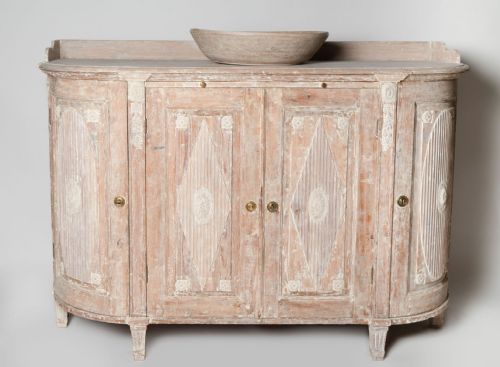
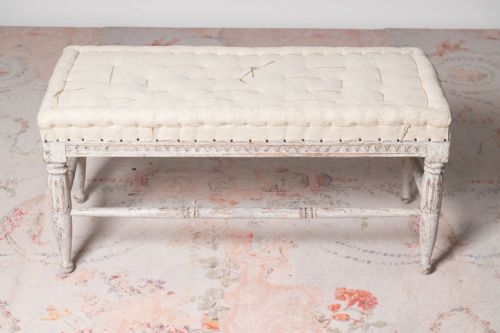
Gustavian pieces typically display neoclassical detailing, fluted columns, and pale monochromatic paint finishes derived from French royal aesthetics. Biedermeier furniture emerged later, focusing on unadorned architectural geometry and polished native wood veneers.
Gustavian items lean towards light, airy decorative schemes suited to formal reception rooms. Biedermeier designs emphasise domestic warmth through rich timber figures and comfortable proportions.
How should I care for burr birch surfaces?
Burr birch veneers require stable indoor humidity levels away from direct heat sources to prevent timber shrinkage and veneer lifting. Dust regularly with a dry, soft cloth and avoid abrasive cleaning chemicals.
Occasional application of appropriate microcrystalline wax helps protect the polished surface. Professional conservation is recommended for any structural timber movement.
Were these pieces used in everyday homes?
Nineteenth-century Scandinavian furniture served strictly practical purposes in both rural farmhouses and urban dwellings. Cupboards, chests, and benches were built to store textiles, provisions, and household goods.
Simpler pine items populated working kitchens and country homes, while veneered birch items furnished urban bourgeois interiors. Utility dictated form across all social strata during this era.