

19th Century Earthenware Pottery
These pieces of 19th century earthenware pottery bring the vibrant daily life, commemorative spirit and domestic utility of the Georgian and Victorian eras straight into your home.
19th Century Earthenware Pottery
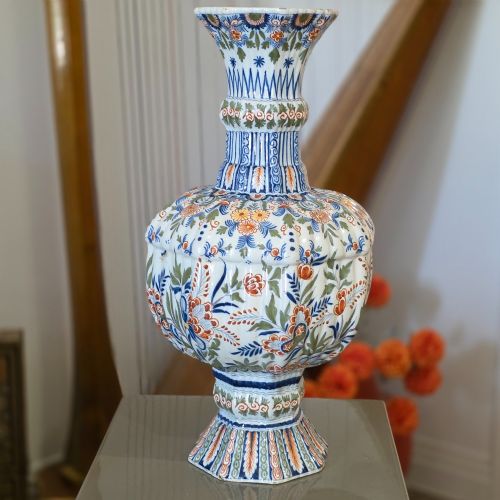
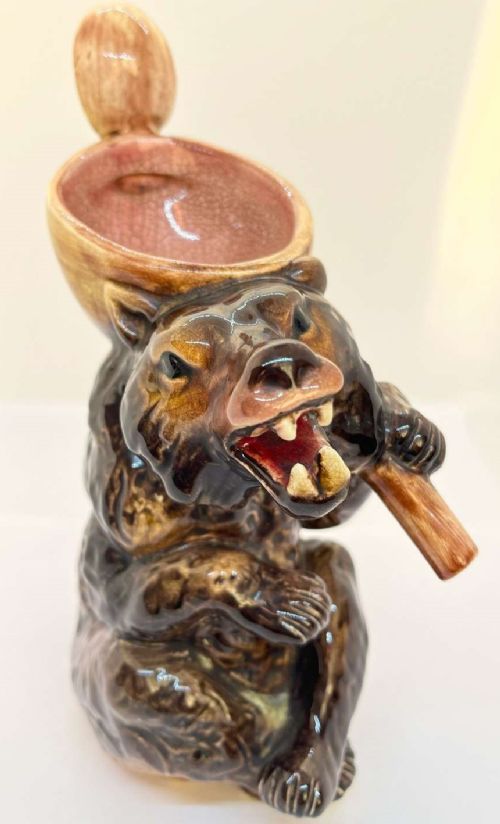
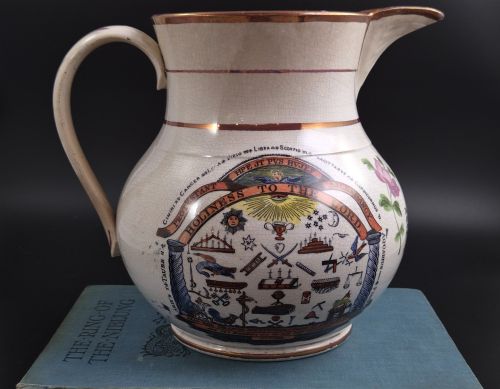
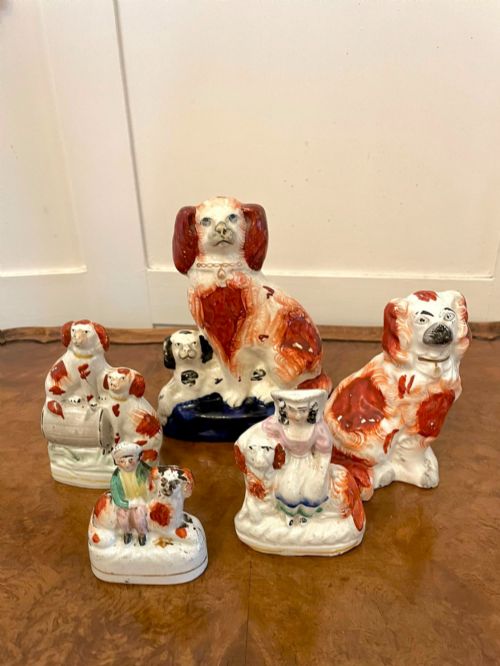
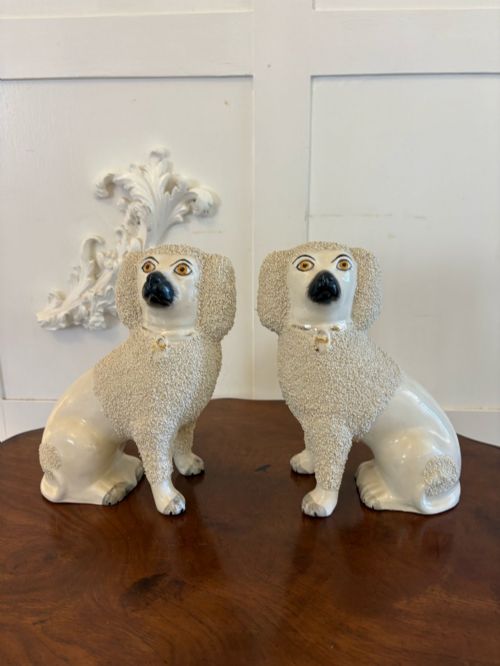
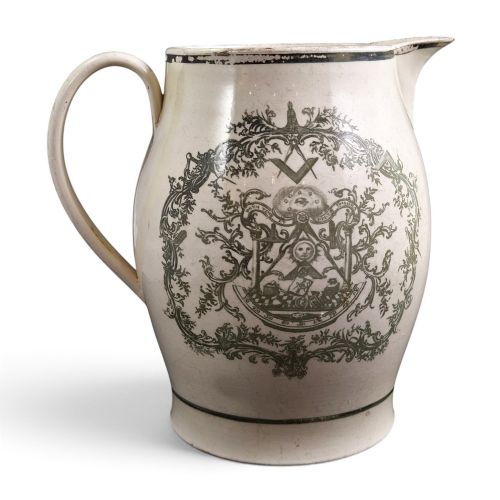
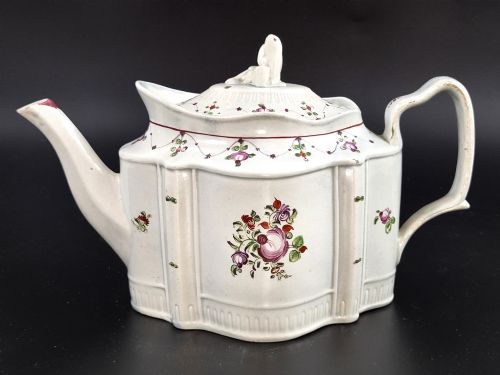
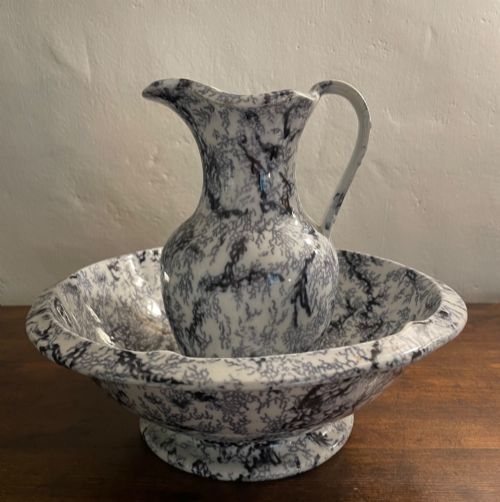
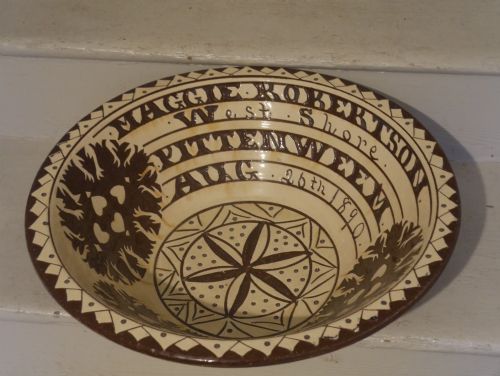
When you search for 19th century earthenware pottery, you encounter a diverse array of utilitarian and decorative objects shaped by British, French, Dutch and Italian makers. The selection spans robust dairy bowls and wine jars alongside highly ornamental figures, mantel dogs, spill vases and commemorative jugs.
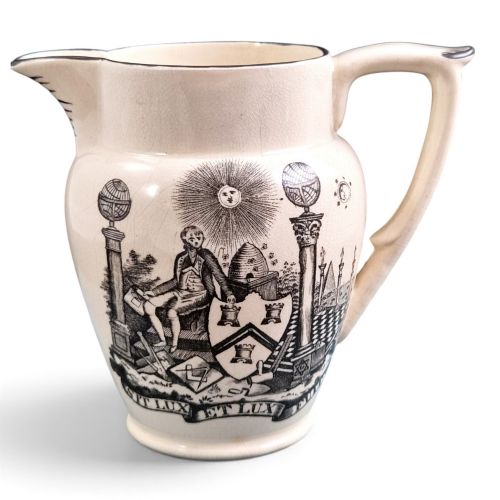
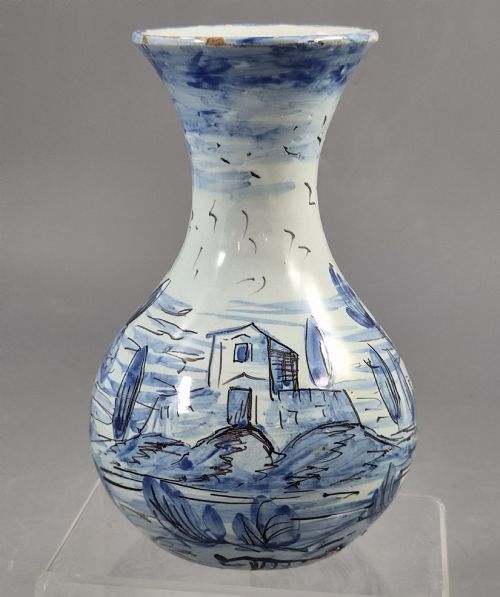
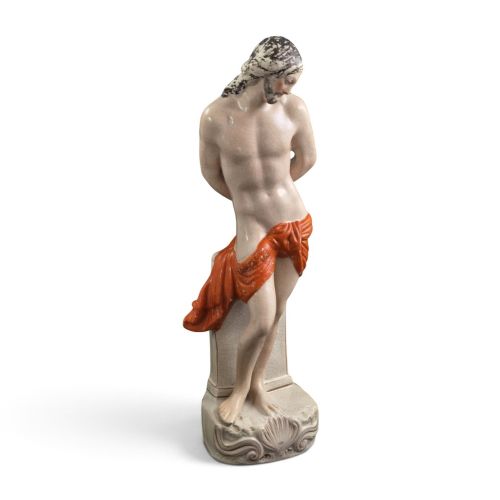
The most common forms on this page originate from Staffordshire potteries, represented by transfer-printed creamware jugs, brightly painted poodles, greyhounds and historical figures. Alongside these English earthenware pieces sit French confit pots, Dutch Delft cows and Italian majolica vases.
Dated items and named commemorative pieces anchor these objects firmly in the 19th century, drawing from Georgian, Regency, and Victorian periods. Whether looking for a simple slipware bowl or an elaborate majolica planter, the range covers both humble kitchen wares and grand parlour displays.
Distinctions in standard and execution
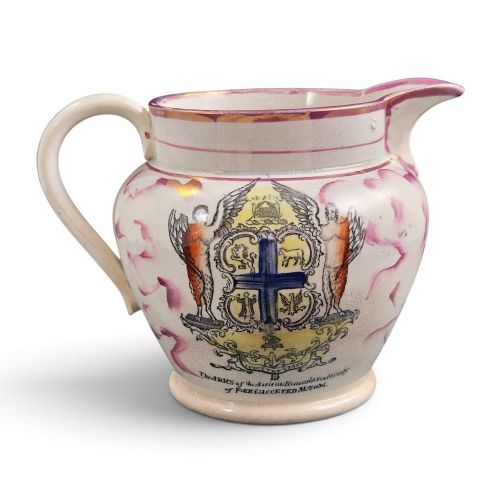
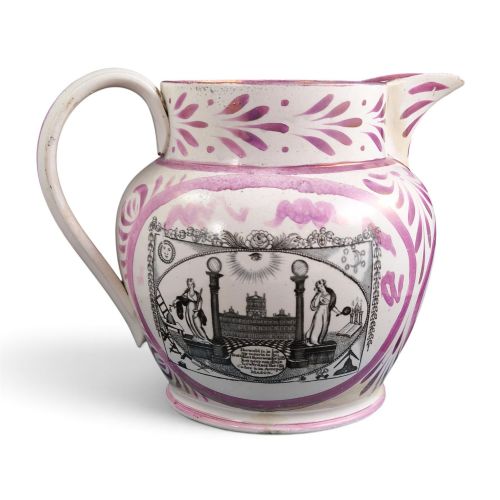
The sophistication of the glaze application also dictates the standard, distinguishing flat, dull surfaces from deep, even pink splash lustre or rich, fully fused glazes. Potteries with strong artistic oversight produced balanced forms with stable bases and minimal kiln distortion.
A stately ceramic toad hides inside an earthenware basin, ready to startle anyone washing up.
Sunderland Garrison Pottery·Seaton Pottery·Minton·Cantagalli·Davenport·Fourmaintraux-Courquin at Desvres
The 19th Century Earthenware Pottery Glossary
- Creamware
- A refined light-coloured earthenware developed in the 18th century and continued into the 19th century, known for its warm yellowish hue under a transparent lead glaze.
- Transfer printing
- A technique where a design is engraved on a copper plate, inked, and transferred via tissue paper onto the ceramic surface before firing.
- Lustreware
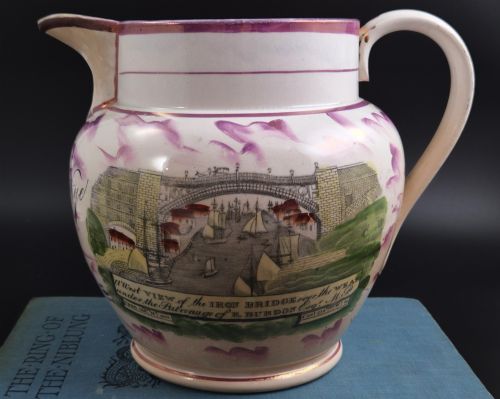
- Earthenware decorated with a metallic glaze that produces an iridescent, reflective sheen, often seen in pink or copper tones on nineteenth-century jugs.
- Majolica
- A heavy earthenware pottery covered with an opaque tin glaze and painted with brightly coloured metal oxides, revived extensively during the Victorian era.
- Slipware
- Pottery decorated with liquid clay diluted to the consistency of cream, trailed or brushed over a contrasting body before glazing and firing.
19th Century Earthenware Pottery: Frequently Asked Questions
What is creamware?
Creamware is a fine earthenware body perfected by English potters, valued for its smooth surface and warm cream-coloured tone.
It provided an ideal canvas for transfer-printed decorations and rich colourful enamels on jugs and tableware.
How were Sunderland lustre jugs used?
These large pitchers served both practical functions at the table and decorative roles in maritime homes and masonic lodges.
Their pink splash lustre and transfer prints celebrating ships and bridges made them prized commemorative items.
What are Staffordshire flatback figures?
Staffordshire flatbacks are earthenware portrait figures and animals modelled with finished fronts and plain, unadorned backs.
Created to stand neatly against mantelpieces and walls, they depicted royalty, literary heroes and local events.
How do I care for antique earthenware?
Earthenware is porous and sensitive to moisture, so these pieces require gentle dusting and washing by hand without harsh detergents.
Keeping them away from damp environments protects the historic glaze and delicate enamel decorations from deterioration.