
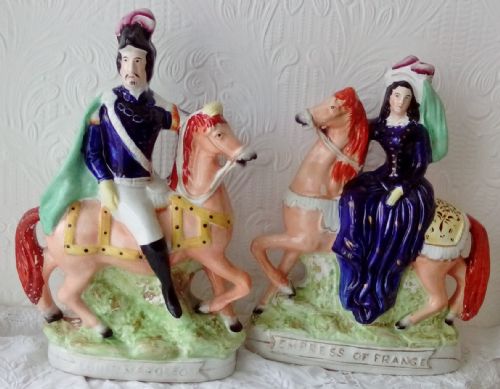


Cream Glazed Earthenware Figure
A cream glazed earthenware figure brings a distinct sculptural presence to a room, offering the quiet charm of nineteenth-century ceramic art.
Cream Glazed Earthenware Figure
When you search for a cream glazed earthenware figure, you encounter sculptural ceramics produced primarily during the Victorian era and the late nineteenth century. These items include human figurines, animal subjects such as greyhounds and cats, and architectural forms like cottages and castles.
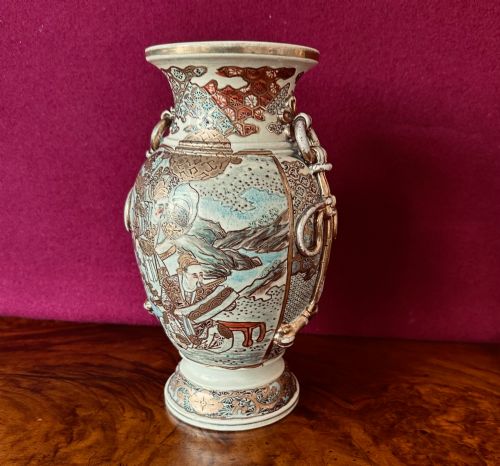
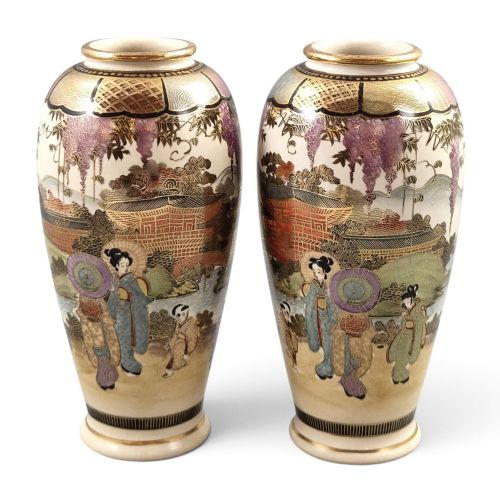
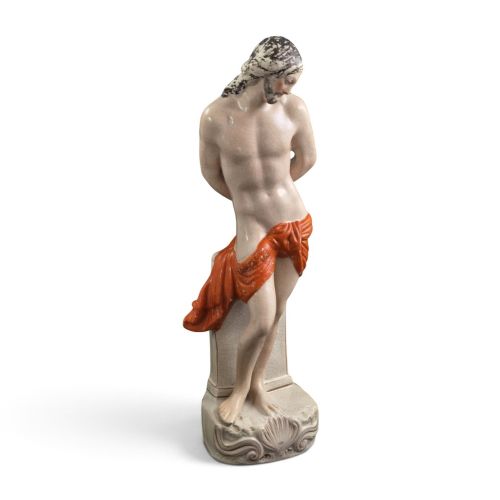
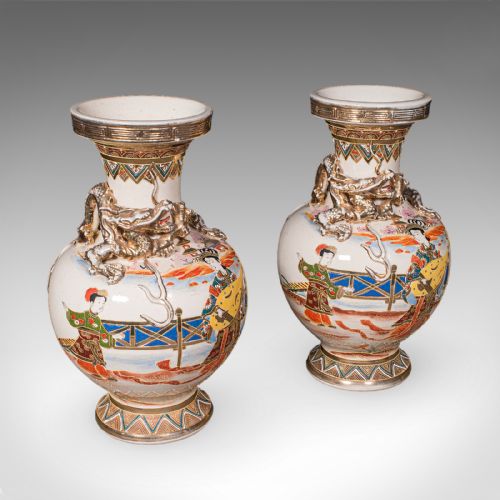
The versions most commonly met on this page are Victorian Staffordshire figures and pottery figures depicting historical personages, royalty, and domestic animals. Alongside English earthenwares, the selections span Japanese ceramic works from the Meiji and Taisho periods, including Satsuma vases and incense burners.
Moulded earthenware forms dominate the selection, often finished with detailed enamel painting, gilding, or plain glaze. Each piece reflects the decorative tastes of the nineteenth and early twentieth centuries, whether through British flatback figures or Japanese export ceramics.
Materials and construction methods
Many of the figurative pieces utilise a moulded construction technique, often left hollow at the back in the manner typical of Staffordshire flatbacks. Japanese pieces from the Satsuma tradition employ fine ceramic bodies decorated with intricate hand-painted enamels and gilt detailing.
Victorian potters occasionally immortalised household pets in clay, ensuring haughty cats and loyal greyhounds outlived their owners by centuries.
Factors that distinguish quality
The application of hand-painted enamel and gold leaf contributes significantly to the visual merit of an item. Skilled brushwork and well-preserved surface decoration indicate superior craftsmanship during the manufacturing process.
Shozan·Tokyo Taizan
The Cream Glazed Earthenware Figure Glossary
- Earthenware
- A porous type of pottery fired at a relatively low temperature and glazed to hold water and resist wear. It serves as the primary body for nineteenth-century Staffordshire figures.
- Flatback
- A ceramic figure moulded with a finished front and a flat, unadorned rear designed to sit flush against a wall or mantelpiece. This style is characteristic of Victorian Staffordshire production.
- Satsuma
- A type of Japanese earthenware originating from the Satsuma province, known for its ivory-coloured, crackle-glazed ceramic body decorated with elaborate enamels and gilding. These pieces date largely from the Meiji period.
- Enamel
- Opaque glass-like paint applied over the fired glaze of a ceramic piece and fixed with a secondary low-temperature firing. It provides the vibrant colours seen on nineteenth-century figures and vases.
- Baluster
- A vertical architectural form with a rounded lower body tapering towards the neck, frequently used to describe the silhouette of traditional vases.
Cream Glazed Earthenware Figure: Frequently Asked Questions
What is a Staffordshire flatback?
A Staffordshire flatback is a ceramic figure designed with a detailed front and a flat, unglazed or plain back intended to stand against a wall on a shelf or mantel. These pieces were produced in large numbers across nineteenth-century England.
They often depicted royalty, historical events, animals, or domestic scenes, serving as affordable decoration for Victorian homes.
How do I date a ceramic figure?
Dating relies upon stylistic clues, subject matter, and the specific characteristics of the clay body and glaze. Victorian pieces often reflect contemporary political figures or popular domestic animals of the period.
Markings, where present, can also indicate the workshop of origin, though many nineteenth-century figures remain unmarked.
Where were Satsuma wares made?
Satsuma ceramics originated in the Satsuma province of Kyushu, Japan, though production later expanded to major urban centres such as Kyoto and Tokyo during the Meiji period. These wares were created largely for export to Western markets.
They are instantly recognised by their creamy, finely crackled glaze and intricate gilt ornamentation.
How should I care for glazed earthenware?
Glazed earthenware requires gentle handling to protect the brittle ceramic body and any delicate overglaze enamel or gold leaf decoration. Dusting with a dry, soft cloth is generally sufficient for routine maintenance.
Keep pieces away from direct sunlight and areas of high moisture to preserve the integrity of the glaze and pigments.