

19th Century Display Stand
A 19th century display stand brings architectural presence and tiered elegance to interiors, holding everything from porcelain collections to hats.
19th Century Display Stand
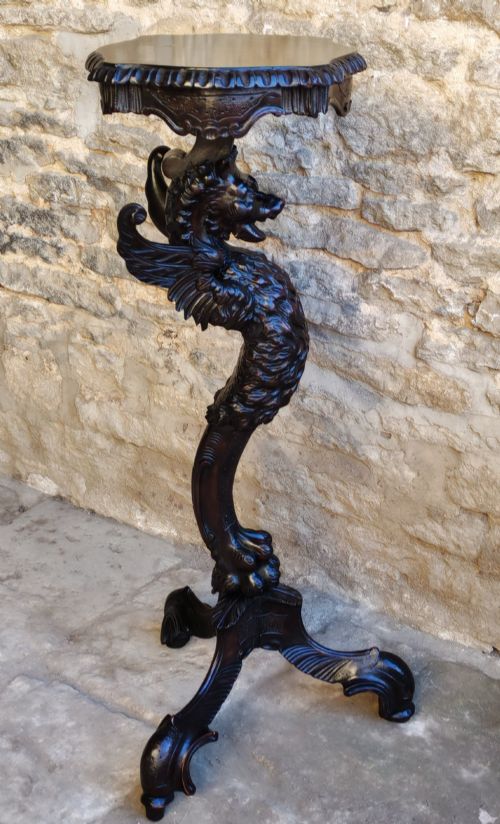
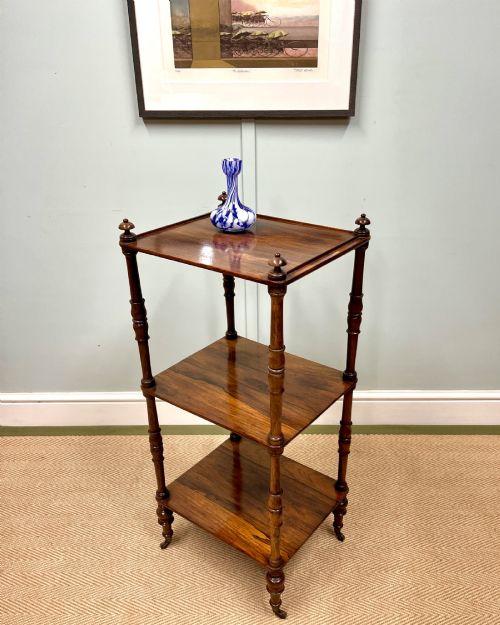
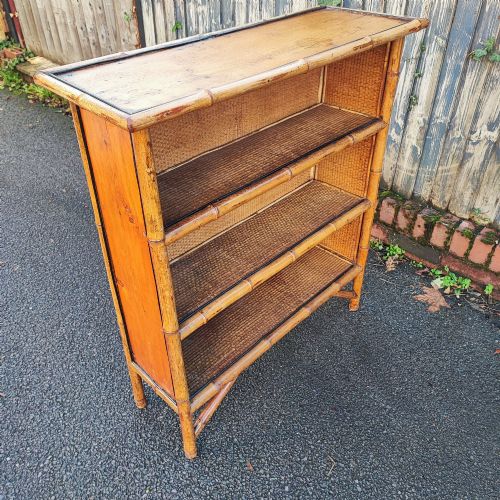
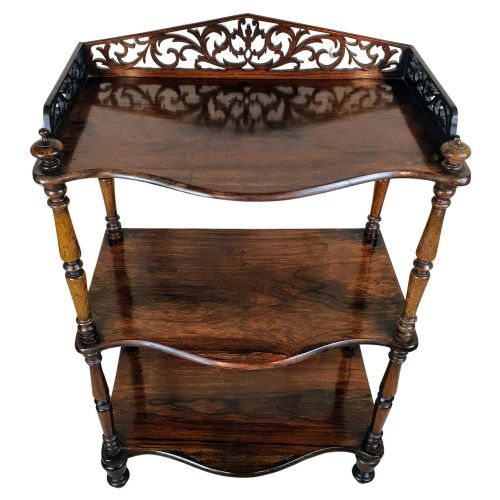
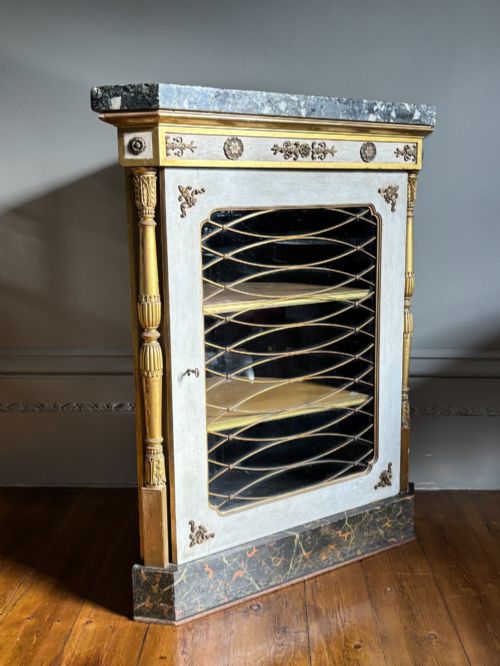
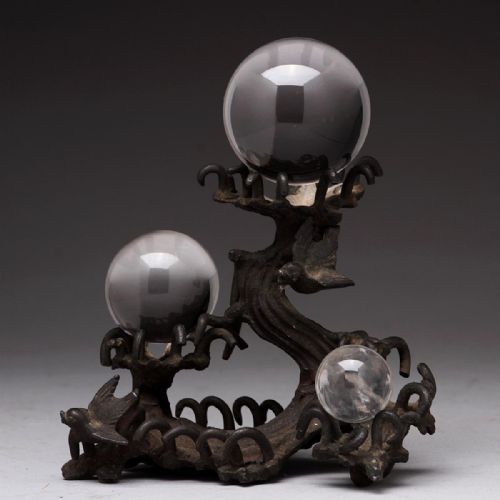
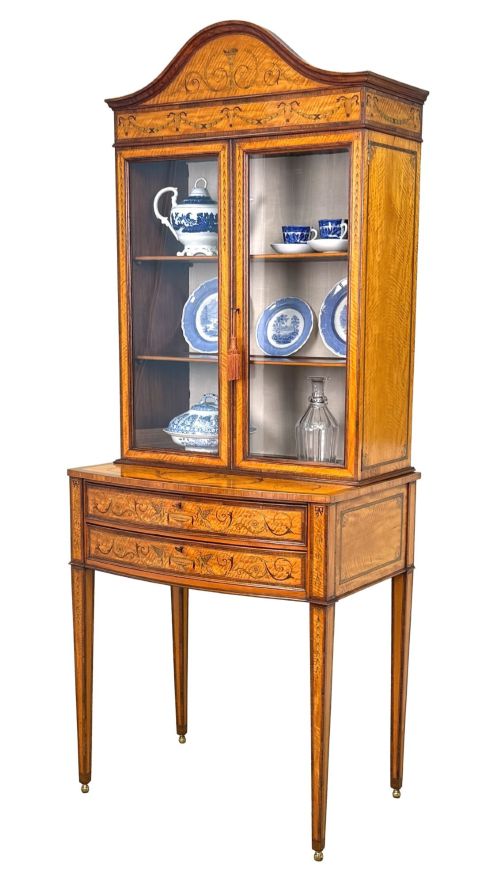
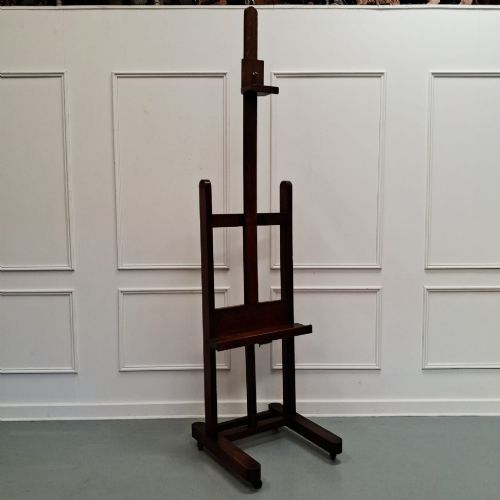
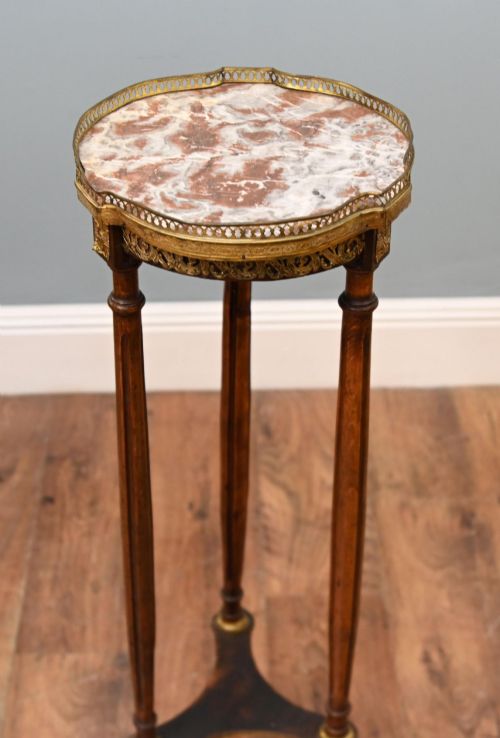
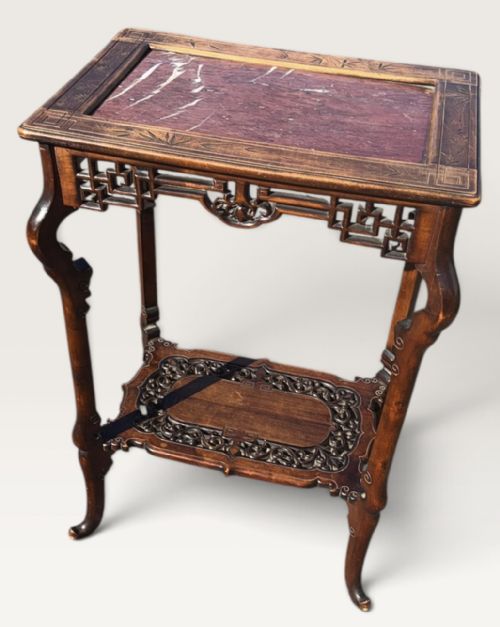
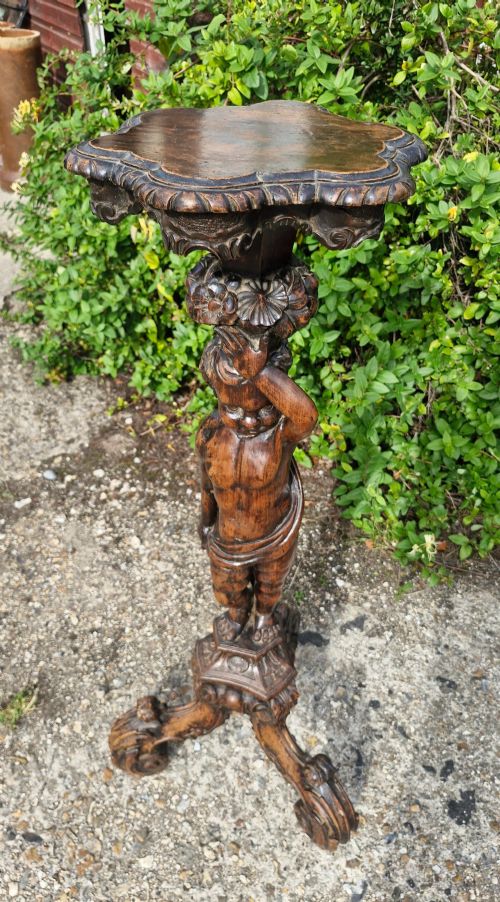
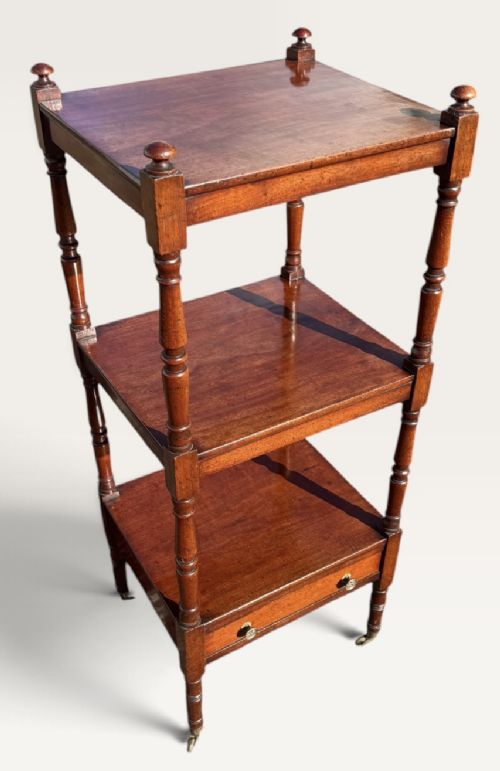
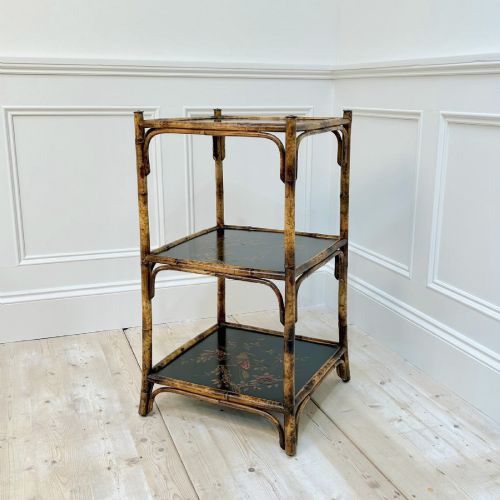
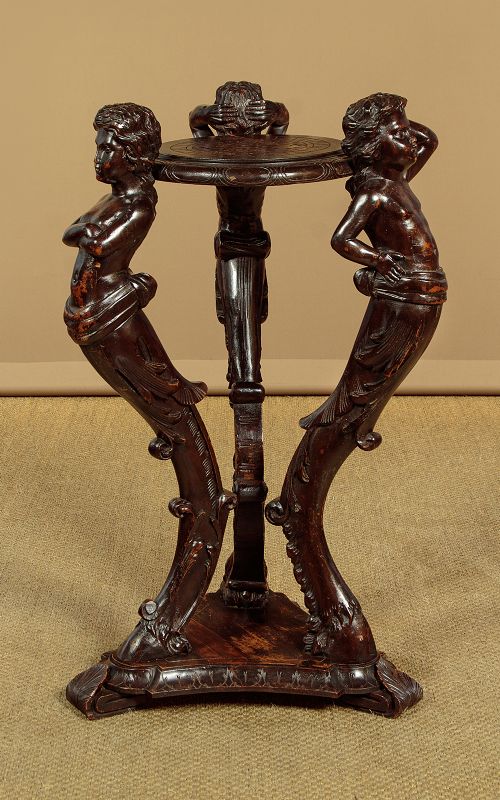
A 19th century display stand encompasses diverse multi-tiered furniture forms designed to elevate decorative objects, plants, and curiosities within domestic and commercial spaces. Pieces meeting this description range from freestanding hat and wig blocks in fruitwood and ebonised timber to architectural columns, multi-tiered étagères, and corner whatnots.
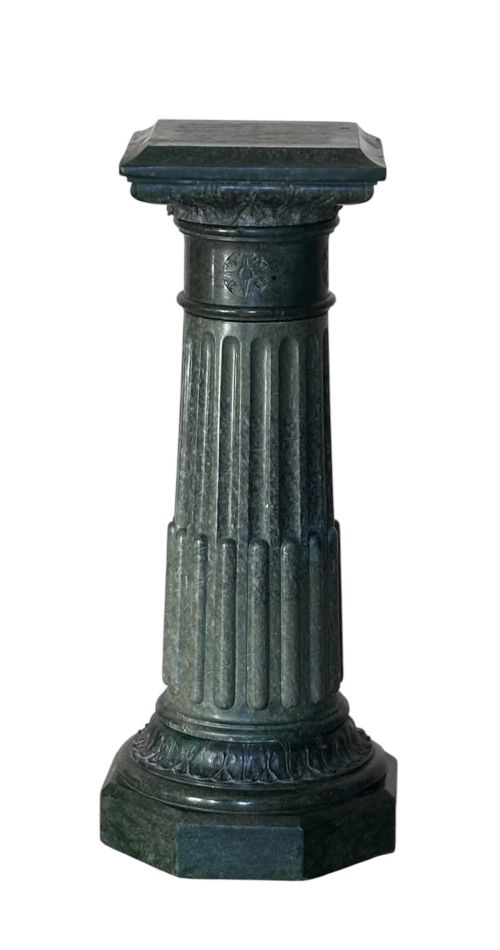
Makers and cabinetmakers of the Georgian, Regency, and Victorian periods produced these stands in timber species such as mahogany, rosewood, walnut, and padauk, often incorporating brass or marble details. Architectural pedestals and torchères frequently utilise stone, bronze, and cast iron to support heavier decorative urns or busts.
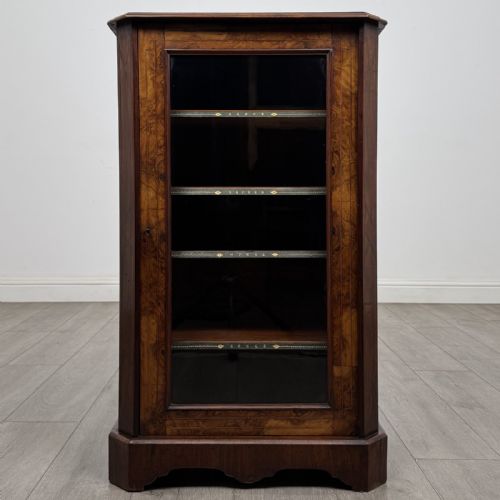
The selection includes specialised items like shop display units by Parnall and Sons alongside domestic corner cabinets and music stands. Buyers encounter both utilitarian retail stands and finely inlaid parlour furniture spanning the entire nineteenth century.
How They Were Made
Craftsmen utilised dense hardwoods like mahogany, walnut, and rosewood, constructing frames with traditional joinery such as dovetails and tenons. Cabinetmakers employed decorative veneers, including flame mahogany and burr walnut, applied over secondary pine or fruitwood carcases.
Metal elements such as ormolu collars, cast brass mounts, and wrought iron frameworks provided structural support and decorative contrast to stone and marble tops. Carved wooden details, ebonising, and parcel gilding enhanced the visual depth of étagères and torcheres.
19th Century Display Stand Retail Price Guide 2026
Typical asking prices for 19th century display stand among the pieces listed under this phrase on Sellingantiques today, from the lower quarter to the upper quarter. They describe what is for sale here now, not the wider market.
Several stands spent their youth displaying 19th-century gentleman's wigs before retiring to hold modern house plants.
What Varies in Quality
Quality reveals itself in the selection of timber figures, such as plum pudding mahogany or figured walnut, and the crispness of hand-carved mouldings and turned columns. Superior pieces display seamless veneer matching across tiered shelves and structurally sound joints that support weight without flexing.
The integration of secondary materials like Verde Antico scagliola marble, cast bronze mounts, and stamped maker details distinguishes ambitious cabinetwork from utilitarian shop fixtures. Finer stands maintain balanced proportions across multiple tiers, with precise turning on upright supports and columns.
Gabriel Viardot·Edwards and Roberts·John Carter·Parnall and Sons·Shoolbred
The 19th Century Display Stand Glossary
- Étagère
- A set of open shelves for displaying small ornaments or books. These multi-tiered stands became popular in the nineteenth century for parlour and drawing-room use.
- Torchère
- A tall, slender stand or pedestal designed to carry a lamp or candle. Regency and Victorian examples frequently utilise carved mahogany, bronze, or gilded wood.
- Whatnot
- A piece of furniture consisting of a set of open shelves for books or ornaments. 19th-century examples often feature three or four tiers supported by turned columns.
- Scagliola
- A composite material made from selenite, glue, and pigments, mimicking marble and other hard stones. Grand Tour columns and tabletop inserts often employ this technique.
- Astragal
- A small convex moulding framing glass panels in cabinet doors. This detail frequently appears on 19th-century bookcases and display cabinets.
19th Century Display Stand: Frequently Asked Questions
What were 19th century display stands used for?
Domestic stands held ceramics, books, decorative plants, and personal collections in drawing rooms and libraries. Commercial variants functioned as hat blocks and wig stands in nineteenth-century shops.
Larger architectural pedestals and torchères elevated bronze busts, urns, and sculptural lighting. Their tiered designs maximised vertical display space in period interiors.
Are shop display stands different from domestic ones?
Shop display stands, such as nineteenth-century hat block and wig stands in elm or fruitwood, were built for utilitarian retail environments. They prioritise functional height and sturdy bases over decorative veneers.
Domestic equivalents like étagères and torchères focus on refined cabinetmaking, polished hardwoods, and decorative mounts suited for formal entertaining spaces.
How should I care for a antique wooden stand?
Maintain stable indoor humidity levels to prevent timber shrinkage and veneer lifting. Avoid placing wooden stands near direct heat sources or in harsh sunlight.
Dust regularly with a soft, dry cloth and apply occasional high-quality beeswax to nourish polished mahogany, walnut, and rosewood surfaces.