





Three Shelf Display Unit
A three shelf display unit organises collections with tiered surfaces, bringing vertical timber furniture directly into domestic living spaces.
Three Shelf Display Unit
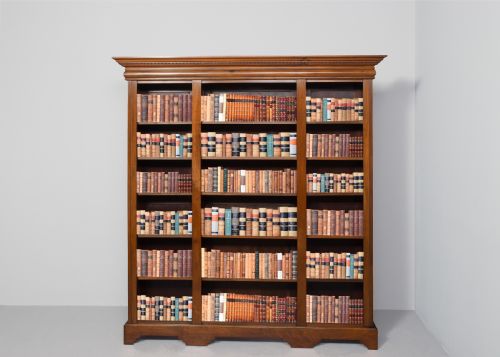
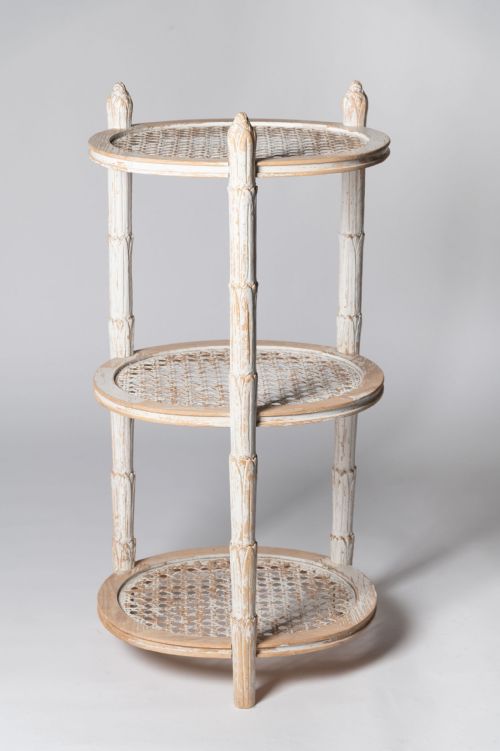
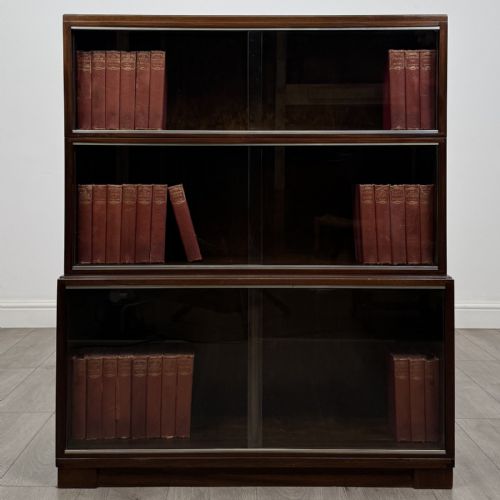
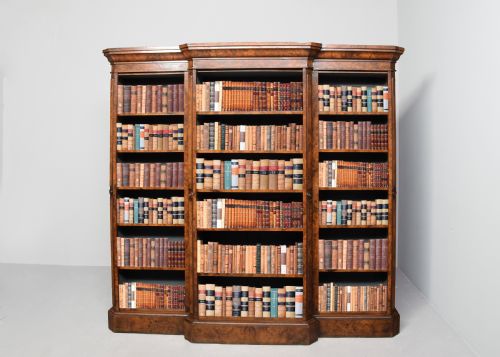
A three shelf display unit encompasses traditional tiered furniture designed to hold books, ornaments and small objects within domestic interiors. These pieces appear across several historical periods, taking the form of whatnots, étagères, open bookcases and wall shelves.
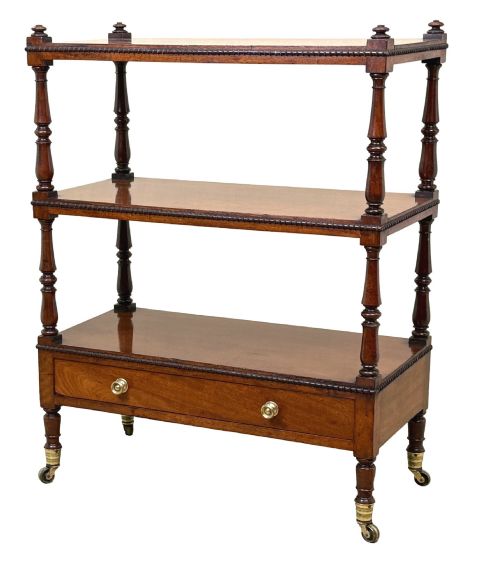
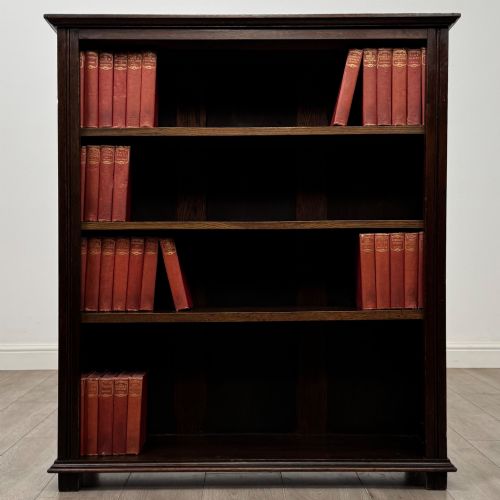
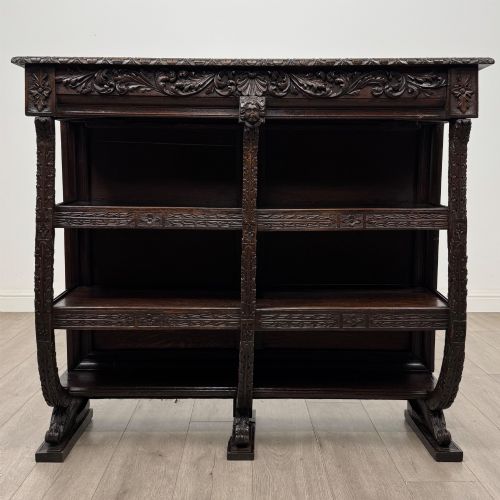
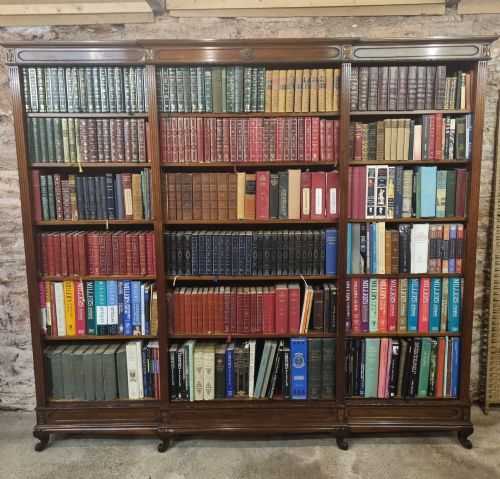
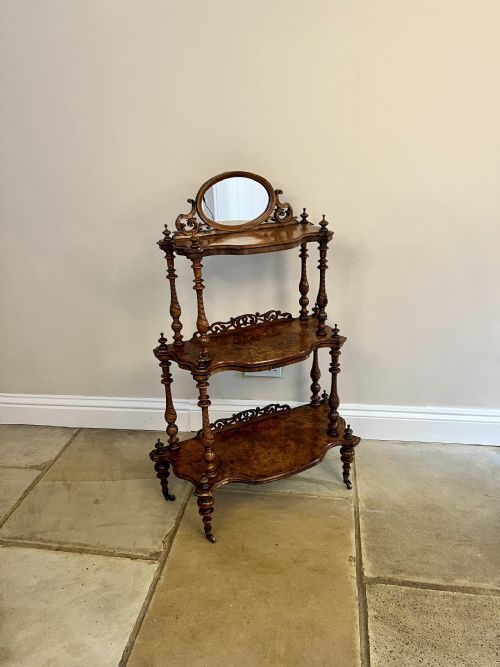
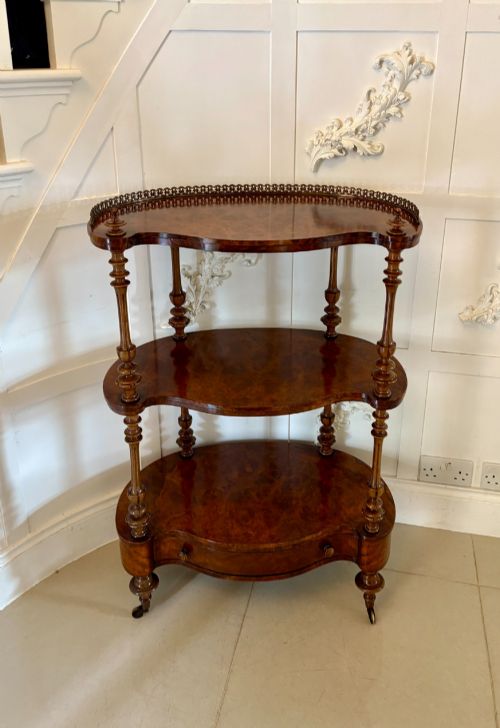
The versions most commonly met on this page belong to the Victorian and nineteenth-century periods, constructed primarily as freestanding wooden multitier stands. Examples range from compact mahogany buffet tiers to serpentine burr walnut étagères and open oak bookcases.
Makers and cabinetmakers adapted the three-tier format for varying utility, producing portable bookshelves, wall-mounted display ledges and corner units. Buyers encounter diverse stylistic influences, including Regency refinement, Edwardian practicality and occasional Anglo-Indian detailing.
Materials and construction
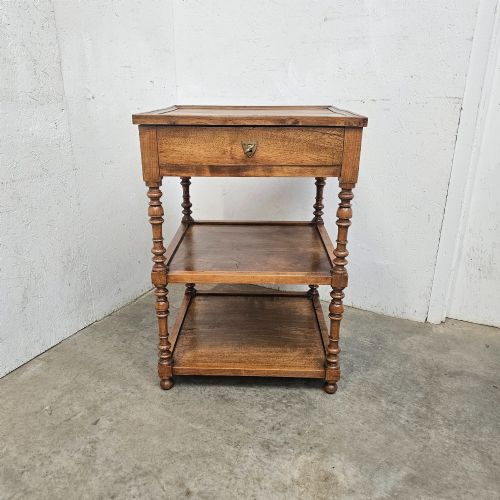
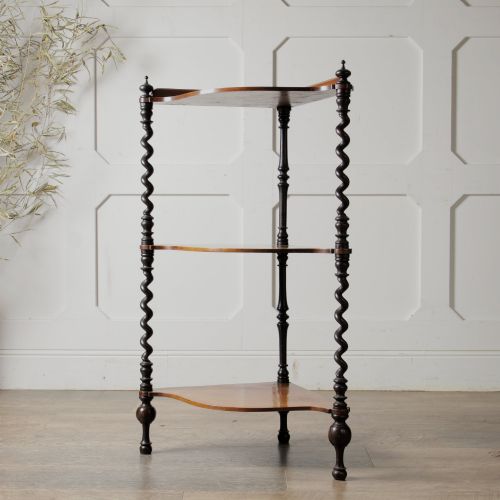
Cabinetmakers constructed these display units predominantly using dense hardwoods such as mahogany, walnut, burr walnut and rosewood, occasionally incorporating exotic timbers like birdseye maple, satin birch or teak. Selected grain patterns provide the visual focus on tiered surfaces, complemented by turned supports, barley twist columns and occasional brass galleries.
Joining techniques rely on traditional mortise and tenon joints for structural uprights, with shelves securely fixed or made adjustable within breakfront housings. Ebonised wood and bamboo appear in specific stylistic subsets, reflecting nineteenth-century design tastes for contrasting finishes and lighter structural frameworks.
Three Shelf Display Unit Retail Price Guide 2026
Typical asking prices for three shelf display unit among the pieces listed under this phrase on Sellingantiques today, from the lower quarter to the upper quarter. They describe what is for sale here now, not the wider market.
Early three-tier stands occasionally travelled as portable bookshelves, allowing owners to pack their favourite volumes inside stagecoaches.
Assessing craftsmanship
The grade of timber selection dictates visual distinction, with highly figured burr walnut, rich rosewood veneers and well-matched mahogany distinguishing superior examples from standard utility pieces. Finer items exhibit crisp carving on turned supports, balanced proportions and sophisticated serpentine shaping rather than plain geometric rigidity.
Structural integrity depends upon the tightness of joints and the stability of tiered platforms under load. Quality surfaces display careful french polishing that accentuates natural grain movement without obscuring the historical patina accumulated over generations.
Heals
The Three Shelf Display Unit Glossary
- Étagère
- A French term for a piece of furniture consisting of a set of open shelves for displaying small articles. These frequently appear alongside English whatnots from the nineteenth century.
- Breakfront
- A cabinet or bookcase whose central section projects forward from the flanking wings. This architectural arrangement adds depth and visual rhythm to larger shelving units.
- Brass gallery
- A low decorative railing of pierced or turned brass fitted around the perimeter of a shelf. It prevents items from sliding off upper tiers.
- Barley twist
- A type of turning resembling a spiral rope used for vertical support columns. This decorative woodworking technique became popular during the Victorian period.
Three Shelf Display Unit: Frequently Asked Questions
What is a three shelf display unit?
A three shelf display unit is an open piece of tiered furniture designed to hold books, ceramics and decorative objects within a room. These items distribute storage vertically across three distinct levels.
Historically called whatnots or étagères, they function as both practical storage and decorative focal points. Their open structure allows objects to be viewed from multiple angles.
How were these units used originally?
In nineteenth-century homes, these tiered units stood in parlours and drawing rooms to display prized ornaments, small collections and reading material. Their open shelves kept daily essentials accessible.
Smaller portable versions and wall-mounted variants provided flexible display options where floor space was limited. They accommodated the Victorian enthusiasm for collecting and exhibiting decorative objects.
How do I style a tiered display unit?
Balance heavier items such as books or larger ceramics on the lower shelves to maintain visual stability. Reserve upper tiers for lighter glassware, small sculptures and trailing plants.
Leave adequate empty space around objects to prevent the shelves from appearing overcrowded. Varying the height and texture of displayed items creates an engaging arrangement.
How can I tell Victorian pieces apart?
Victorian display units often feature distinct timber choices like burr walnut, rosewood or figured mahogany, frequently paired with turned columns or carved details. Later nineteenth-century examples may incorporate serpentine shaping or barley twist supports.
Examining the construction methods beneath the shelves reveals period joinery characteristics. Comparing the timber grain and finish helps distinguish mid-nineteenth-century items from later revival pieces.