





19th Century Desk Shelf
These pieces gather the functional fittings of a nineteenth century desk shelf, built to organise letters and hold volumes.
19th Century Desk Shelf
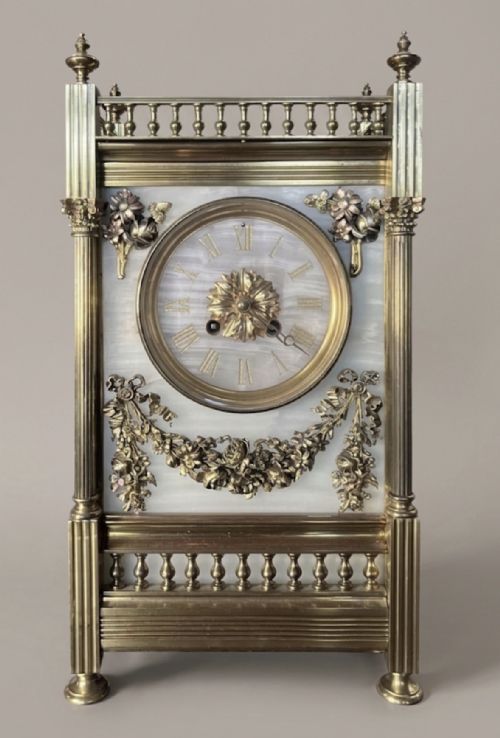
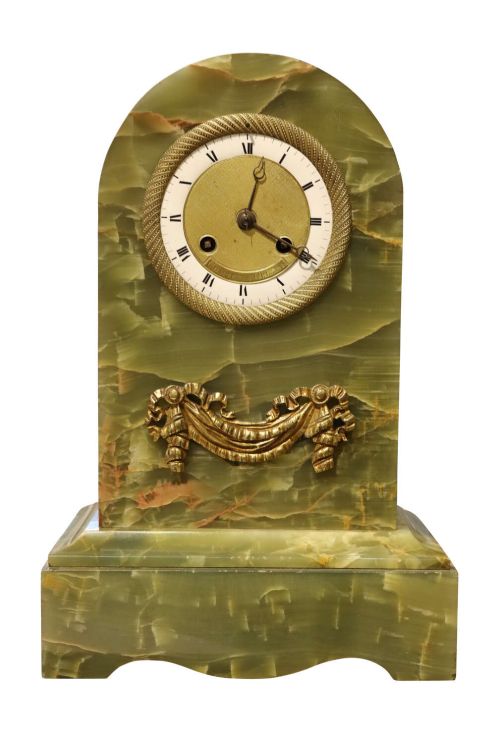
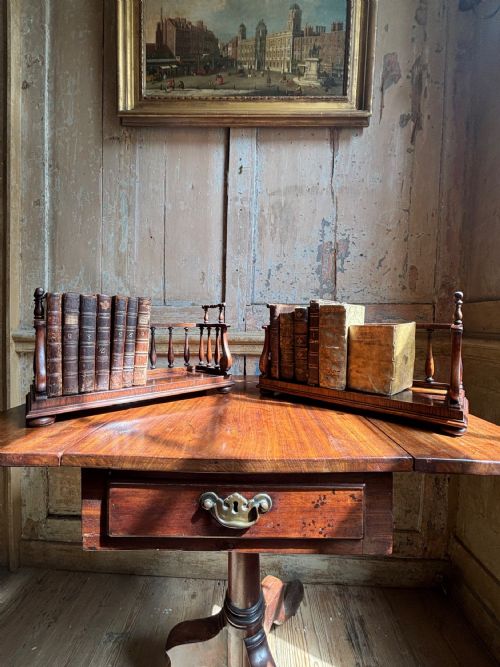
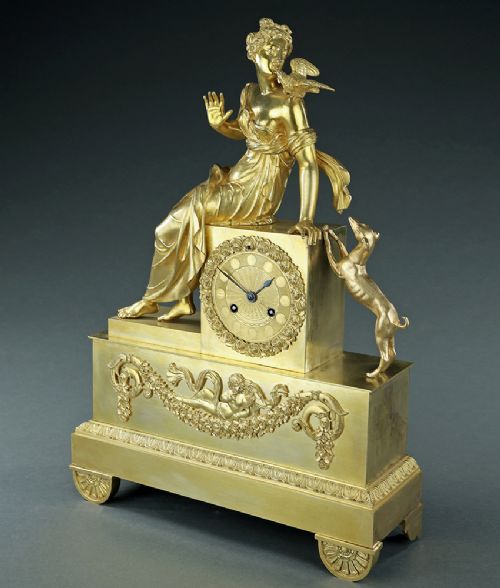
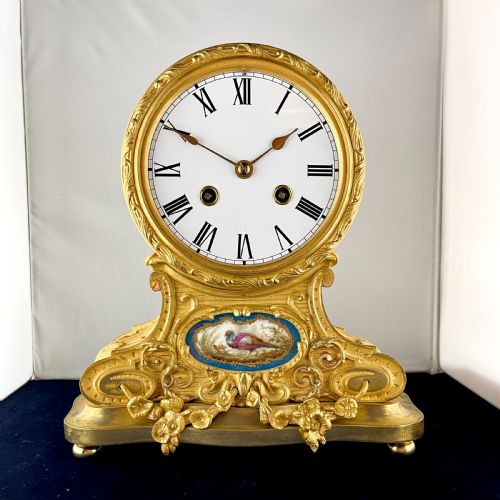
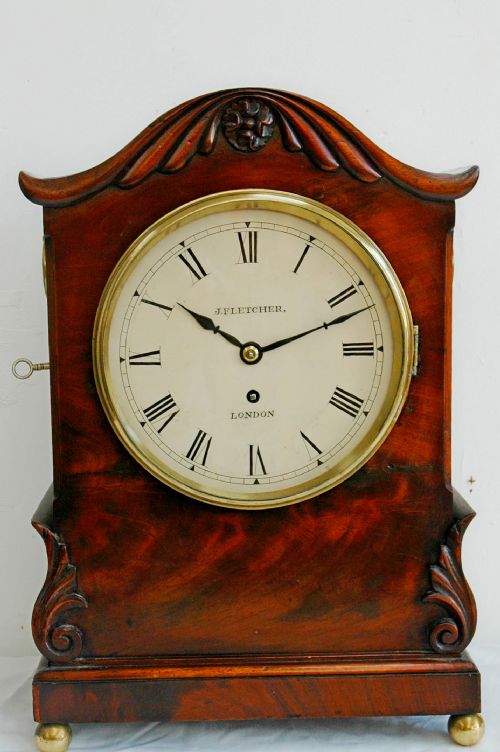
A 19th century desk shelf on this page appears primarily within the wider family of nineteenth century mantel clocks, book stands, and desktop organisers. These objects served the writing tables and libraries of Victorian and earlier homes, designed to keep papers and volumes in order.
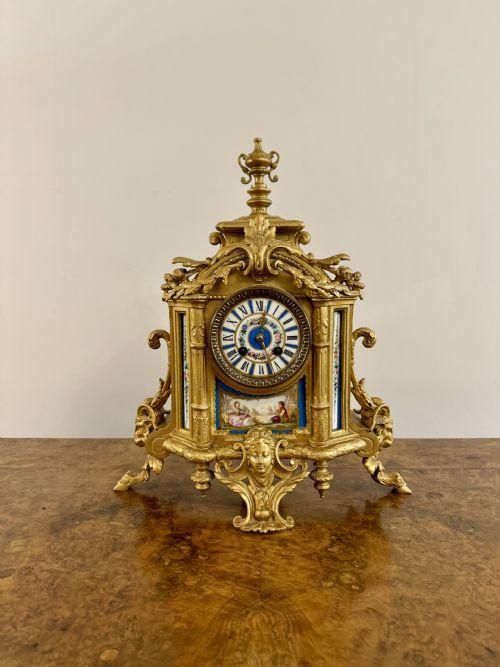
The materials vary from rich mahogany and rosewood to sienna marble and ormolu bronze. Book stands and pigeon holes sit alongside timepieces mounted in marble or gilt metal, reflecting the varied needs of a nineteenth century study.
Makers and styles span French Empire, Rococo Revival, and English Regency tastes. Buyers encounter items that combine practical compartments with decorative stonework and metal mounts.
How They Were Made
Cabinet makers utilised dense hardwoods such as mahogany and rosewood for book stands and pigeon holes, cutting timber to form sturdy joints. Brass and ormolu mounts were cast and chased to adorn clock cases and desk accessories.
Foundry workers cast gilt bronze and brass, while stonemasons shaped green onyx, red marble, and sienna marble to house clock movements. Enamel dials and porcelain panels were hand-painted and fitted into metal bezels.
19th Century Desk Shelf Retail Price Guide 2026
Typical asking prices for 19th century desk shelf among the pieces listed under this phrase on Sellingantiques today, from the lower quarter to the upper quarter. They describe what is for sale here now, not the wider market.
Some timepieces even recorded maritime journeys, bearing inscriptions from mid-nineteenth century steamships.
What Varies in Quality
The refinement of the cast bronze mounts and the depth of the hand-chasing separate standard production from superior pieces. Crisp detailing in figural elements and architectural marble work indicates a higher grade of manufacture.
The choice of timber grain in mahogany or rosewood structures reveals the maker's selection of materials. Robust construction of internal pigeon holes and tightly fitted joints distinguish finer library furnishings.
Charles à Orléans·Samuel Marti·D. Munsey of Cambridge·Achille Brocot·Funnell of Brighton
The 19th Century Desk Shelf Glossary
- Ormolu
- Gilded bronze, where a gold amalgam is applied to a bronze base through heat. This technique produces a rich metallic finish seen on French clock mounts.
- Pigeon hole
- A small compartment within a desk organiser or cabinet designed for sorting letters and papers. These compartments formed essential parts of nineteenth century desktop storage.
- Champlevé
- An enamelling technique where troughs are dug into a metal surface and filled with vitreous enamel before firing. It adds colourful patterning to clock faces and cases.
- Fusee
- A conical pulley used in clock movements to maintain even tension on the chain as the mainspring unwinds. This mechanism improves the timekeeping accuracy of bracket clocks.
- Regency
- An English design style spanning the early nineteenth century, characterised by classical restraint and dark timbers. Pieces from this period often incorporate brass inlay.
19th Century Desk Shelf: Frequently Asked Questions
How do I use a book stand?
Book stands sit on a desk or table surface to support volumes upright between decorative ends.
They keep reference books close at hand while protecting fragile bindings from sliding.
Where were desk organisers placed?
Desk organisers and pigeon holes rested directly on writing tables or library desks.
Their open compartments allowed owners to sort daily correspondence and documents efficiently.
How do I date marble clocks?
Dating relies on stylistic clues like the symmetry of Rococo Revival mounts or the clean lines of Egyptian Revival motifs.
Material choices, such as sienna or red marble, also point toward specific decades within the nineteenth century.
What is a bracket clock?
A bracket clock is a portable timepiece originally designed to sit on a wall bracket or desk.
These pieces feature enclosed movements and handles for easy movement between rooms.