




Wooden Office Organiser
These wooden office organiser pieces bring practical order to a room, offering compartments and drawers built for daily utility.
Wooden Office Organiser
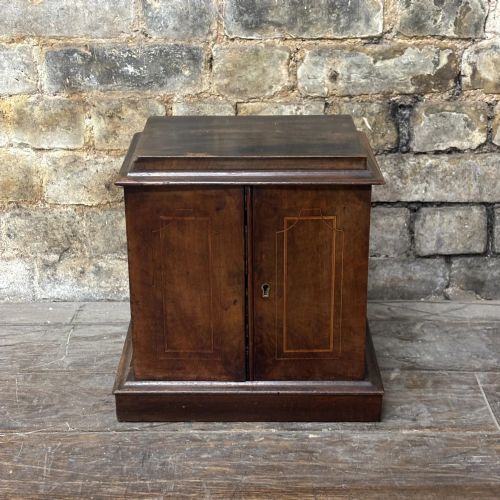
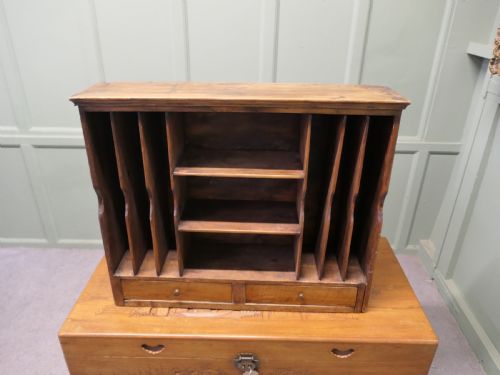
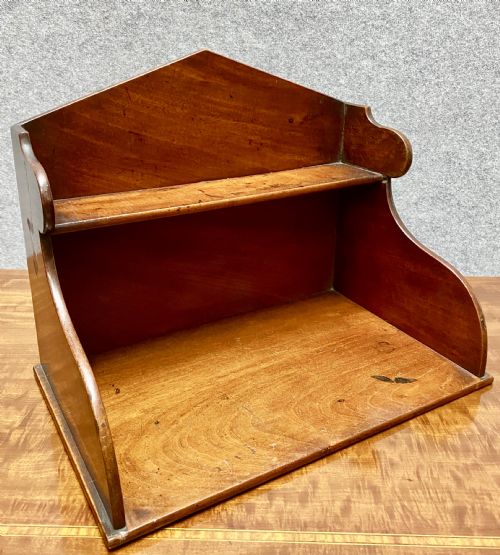
A wooden office organiser groups several distinct forms together, from desktop pigeon holes and stationery cabinets to small drawer units and filing shelves. Buyers searching this phrase encounter items spanning the Victorian and Edwardian periods through to the nineteen thirties.
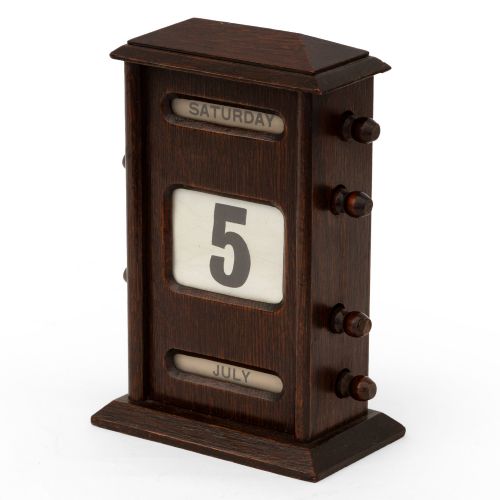
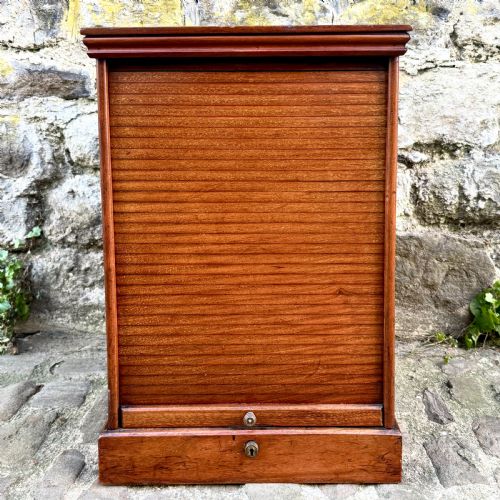
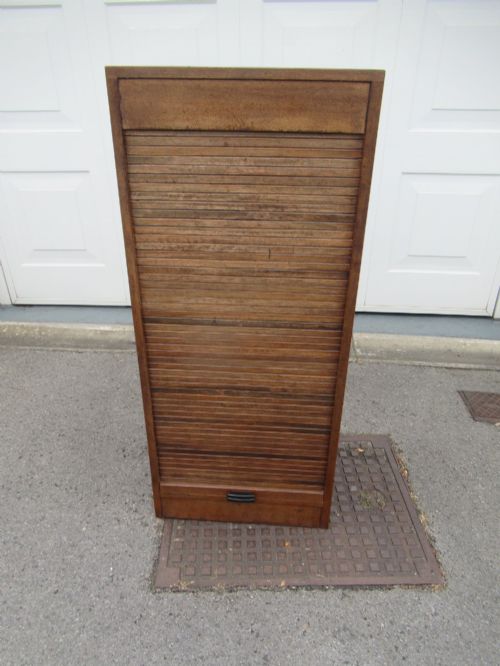
The material selection leans heavily towards mahogany, oak, and pine, alongside rosewood and beech. Common configurations include tambour fronts, calendar fittings, and index drawers designed for sorting correspondence and papers.
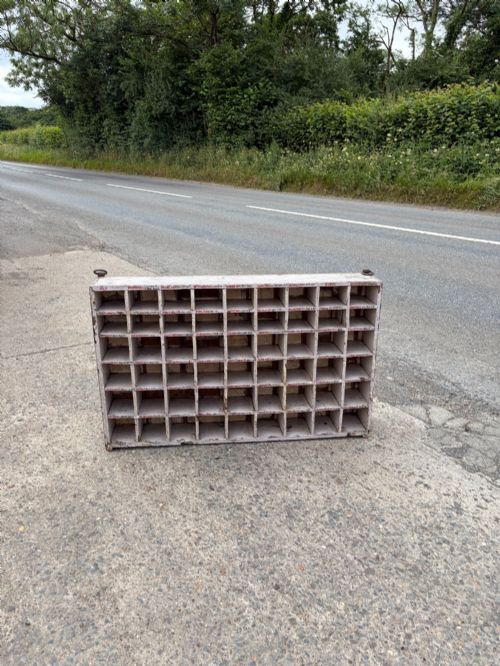
Origins range from English Victorian insurance desks to French post office shelving and early twentieth century industrial pieces. These units provide functional desktop storage rather than grand decorative furniture.
How They Were Made
Construction relies upon traditional timber framing, using solid mahogany, oak, and pine tailored to desktop or small cabinet formats. Brass hardware appears frequently for pulls, handles, and calendar mechanisms.
Sliding tambour fronts and modular pigeon hole compartments demonstrate specialist carpentry designed for frequent office use. Painted finishes and paper linings also feature on specific storage units.
Wooden Office Organiser Retail Price Guide 2026
Typical asking prices for wooden office organiser among the pieces listed under this phrase on Sellingantiques today, from the lower quarter to the upper quarter. They describe what is for sale here now, not the wider market.
Insurance agents once relied on these very timber tidies to keep paperwork from escaping into the Victorian ether.
What Varies in Quality
Quality rests upon the choice of timber and the precision of the joinery, particularly in moving parts like tambour doors and index drawers. Dense hardwoods such as rosewood and figured mahogany represent a higher standard than utility pine.
The integrity of original brass fittings and working mechanical elements, such as perpetual calendar rollers, distinguishes standard commercial pieces from finer examples.
Amberg
The Wooden Office Organiser Glossary
- Tambour front
- A flexible door made of narrow wooden slats glued to a canvas backing, allowing it to slide smoothly around a curved track.
- Pigeon holes
- Open compartments arranged in rows and columns for sorting letters, documents, and stationery.
- Stationery cabinet
- An enclosed desktop box featuring internal shelves or slots specifically designed for writing paper and envelopes.
- Desk tidy
- A compact tabletop accessory incorporating compartments for pens, letters, and small office supplies.
- Index filing drawers
- Small drawer units fitted with alphabetical or numerical dividers for organising cards and records.
Wooden Office Organiser: Frequently Asked Questions
What periods do these organisers cover?
The available selection spans from the late nineteenth century through the Edwardian era up to nineteen thirty. Victorian and Edwardian pieces sit alongside early twentieth century utilitarian designs.
Materials shift across these decades, moving from rosewood and mahogany in the nineteenth century toward oak and pine in later years.
How were pigeon holes used?
Pigeon holes served to sort incoming and outgoing correspondence in offices, post offices, and insurance agencies. Each compartment held specific letters or documents for quick retrieval.
This open storage format kept active paperwork visible and accessible throughout the working day.
What timber types should I expect?
Mahogany, oak, and pine dominate the selection, complemented by rosewood and beech. Each wood reflects the manufacturing standards and aesthetic preferences of its period.
Hardwoods like mahogany and rosewood generally appear on nineteenth century desk pieces, while oak and pine suit functional Edwardian and later office units.
How do I fit one into a modern room?
These compact units sit comfortably on modern desks, sideboards, or shelves to corral mail and small items. Their utilitarian forms blend easily into studies and working spaces.
Selecting a piece whose timber tone matches existing room furniture helps integrate the organiser naturally.