





19th Century Cylinder Bureau
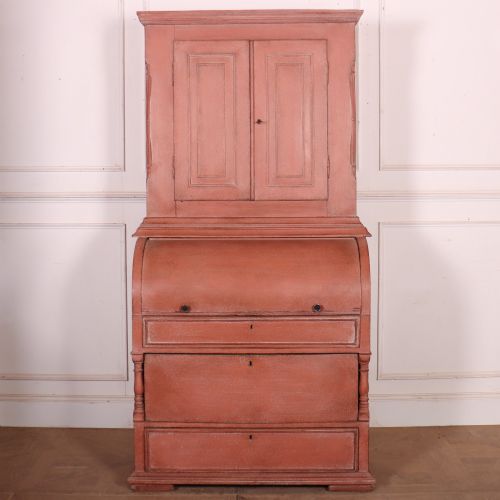
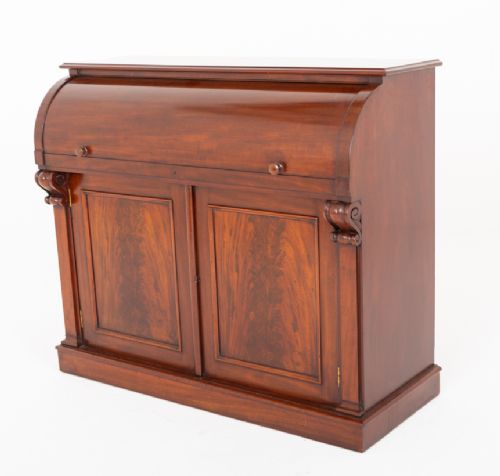
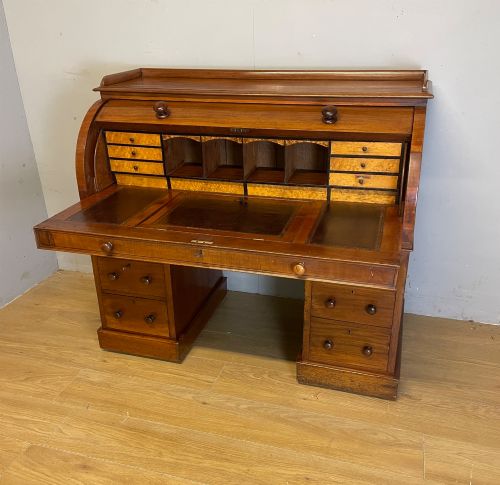
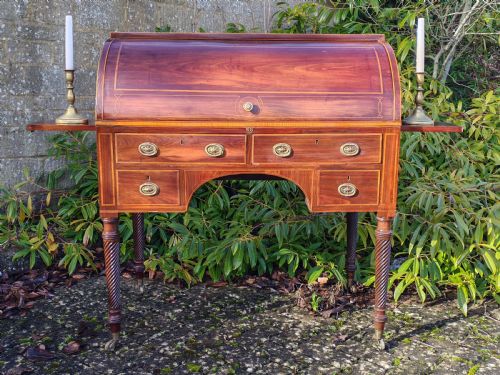
A 19th century cylinder bureau brings concealed workspace and architectural presence to a room, offering a rolling cylindrical shutter that hides fitted drawers and a pull-out writing slide.
19th Century Cylinder Bureau
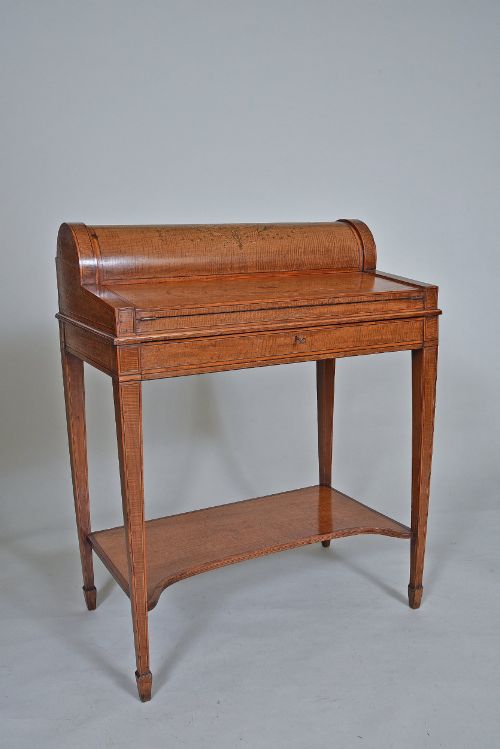
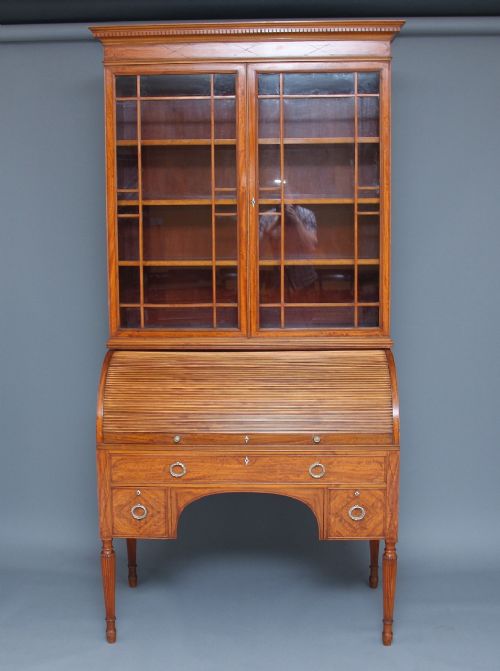
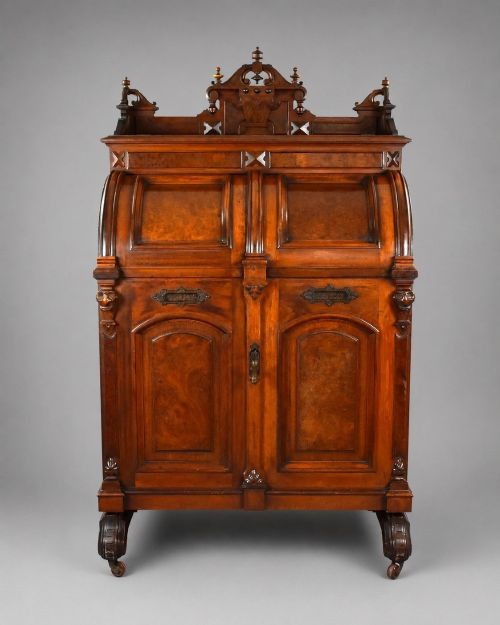
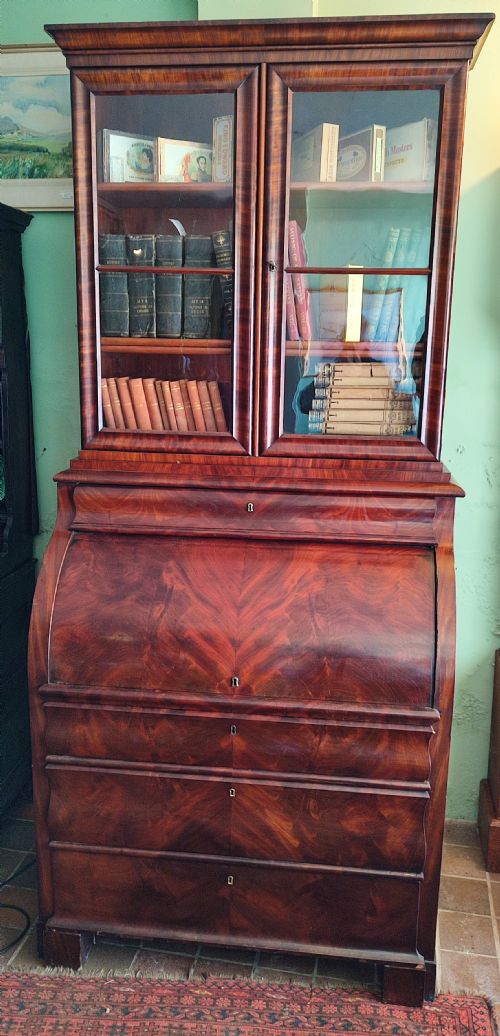
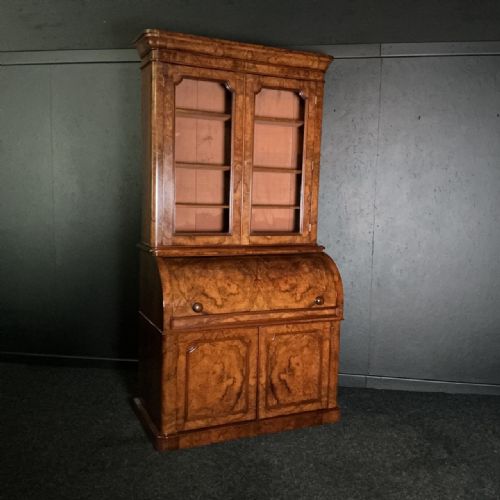
A 19th century cylinder bureau is a form of writing furniture defined by its curved, quarter-circle wooden shutter which rotates upwards to reveal an interior fitted with small drawers and pigeonholes. When you search for this phrase, you encounter pieces that range from compact pedestal desks to towering bureau bookcases topped with glazed shelving.
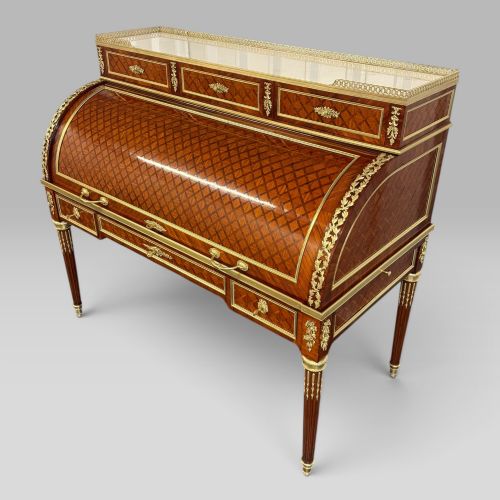
The selection here draws heavily from the Victorian era and earlier nineteenth-century periods, alongside Continental interpretations influenced by French styles such as Louis XVI, Louis XV, and the Empire revival. Mahogany remains the most frequent wood you will meet, joined by walnut, burr walnut, satinwood, kingwood, and rosewood.
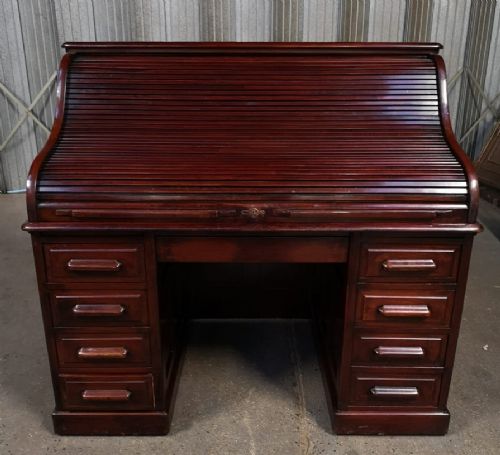
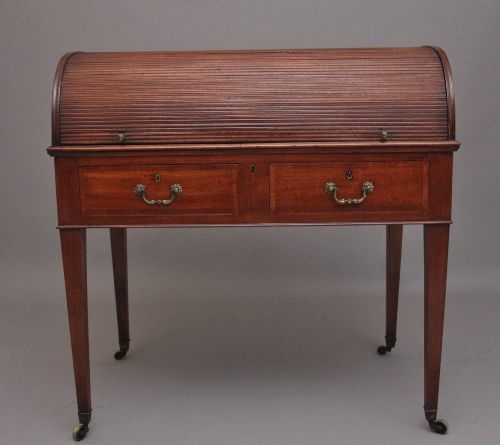
Many examples incorporate practical variants like twin pedestals, tambour fronts, or upper bookcase sections with doors. Miniature versions and specialised forms such as the bonheur du jour also appear among the desks and writing tables.
Materials and construction methods
Cabinetmakers constructed the rolling cylinder from narrow vertical slats glued to a flexible canvas backing or built up solid curved panels, allowing the shutter to glide smoothly within hidden side grooves. This mechanical core relied on precise joinery to ensure the curved shutter operated without binding as wood expanded and contracted.
Solid timbers and fine veneers formed the visible surfaces, with flame mahogany, burr walnut, and exotic woods like kingwood laid in parquetry, marquetry, or geometric inlay patterns. Brass hardware, ormolu mounts, leather writing surfaces, and glass door panels completed the structural and decorative assembly.
19th Century Cylinder Bureau Retail Price Guide 2026
Typical asking prices for 19th century cylinder bureau among the pieces listed under this phrase on Sellingantiques today, from the lower quarter to the upper quarter. They describe what is for sale here now, not the wider market.
Secret compartments hidden behind false drawer backs give nineteenth-century writers a place to stash private correspondence away from prying housemaids.
Distinctions in execution and design
Quality rests in the smoothness of the cylinder mechanism and the precision of the interior fittings, where secondary timbers, dovetail joints on small drawers, and the integration of secret compartments reveal the maker's hand. Superior pieces maintain alignment in the rolling shutter and use dense, well-figured veneers that cover the carcass without lifting or splitting.
Decorative ambition separates standard utility desks from high-status items, with gilt bronze ormolu mounts, elaborate marquetry panels, and fine stringing elevating the visual weight. The integration of matched upper bookcase cabinetry or complex fitted interiors marks out the more ambitious workshops.
Edwards and Roberts·Francoise Linke
The 19th Century Cylinder Bureau Glossary
- Cylinder bureau
- A writing desk featuring a curved, rotating roll-top shutter that conceals an internal writing surface and pigeonholes. The cylinder slides back into the desk body when opened.
- Parquetry
- Geometric wood mosaic work formed by small veneer blocks arranged in patterns such as cubes or chevrons. It frequently covers the exterior surfaces of French Continental desks.
- Ormolu
- Gilded bronze mountings applied to furniture for decorative enrichment. These cast metal details appear frequently on revival and Empire pieces.
- Tambour
- A flexible shutter made from narrow strips of wood glued to canvas or leather backing. This allows the writing surface to be covered using a sliding panel similar to a cylinder.
- Bonheur du jour
- A light ladies writing desk featuring a small cabinet or shelving superstructure upon the top. These portable writing pieces often display marquetry and delicate proportions.
19th Century Cylinder Bureau: Frequently Asked Questions
How does a cylinder bureau work?
The curved wooden shutter runs in curved tracks cut into the sides of the desk carcass. Pushing the shutter up or pulling it down rotates it out of sight behind the interior pigeonholes.
This mechanical action typically links to the internal writing slide, so drawing out the desk surface can automatically unlock or clear the roll-top mechanism depending on the internal linkage.
Where were cylinder bureaus placed?
These desks served in private libraries, studies, and drawing rooms of large nineteenth-century houses. Their finished backs and refined facades often allowed them to stand away from walls.
In grander settings, bureau bookcases combined workspace with a visible library display in a single architectural unit.
How do I care for the timber?
Keep nineteenth-century furniture away from direct heat sources and rapid humidity changes to protect vulnerable veneers and the moving cylinder track. Maintaining stable room conditions prevents the wood from warping.
Apply traditional wax sparingly and polish with soft cloths to preserve the finish on mahogany and walnut surfaces without building up heavy residues.
How do I tell different periods apart?
Earlier nineteenth-century pieces often display restrained Regency or Georgian proportions with clean mahogany grains and brass inlay. Victorian and later revival examples frequently incorporate heavier carving, extensive marquetry, or French-inspired ormolu mounts.
Regional details also help, as Continental pieces often feature Kingwood parquetry and Vernis Martin lacquer work rather than standard British cabinet timbers.