


19th Century Corbels
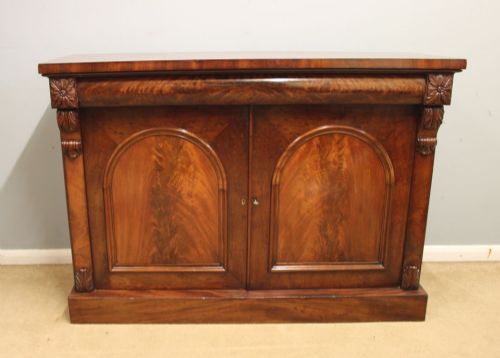
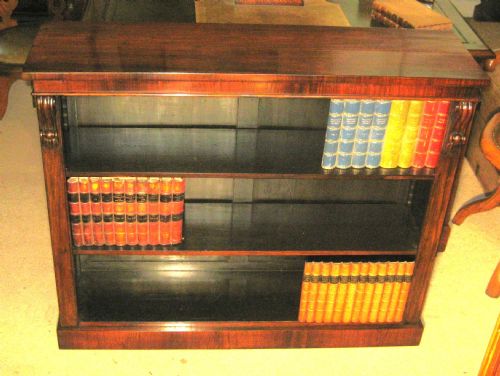
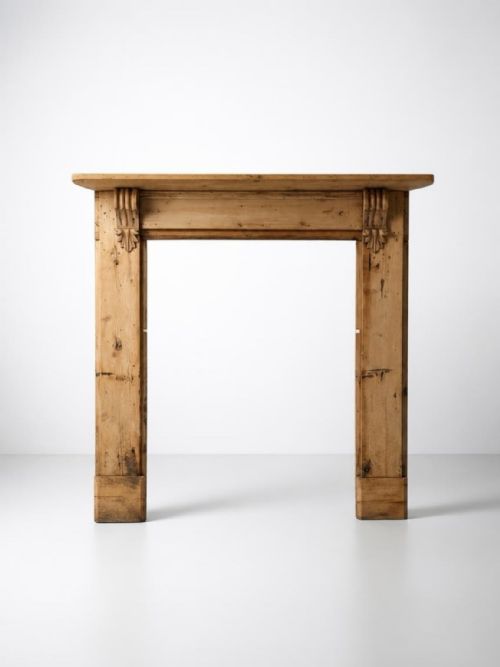
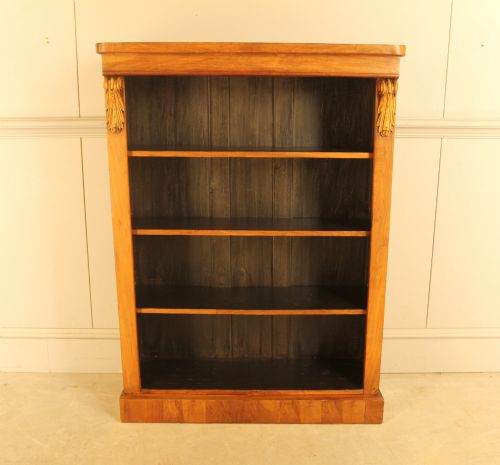
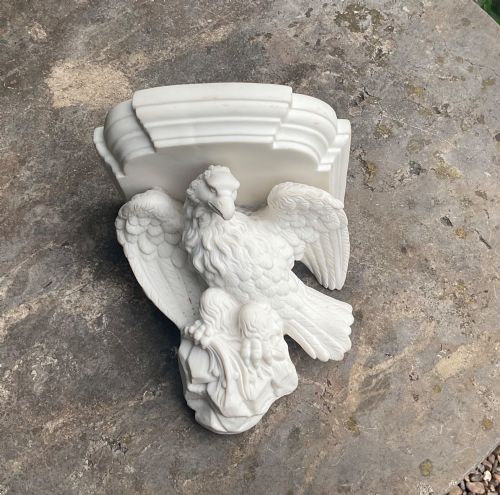
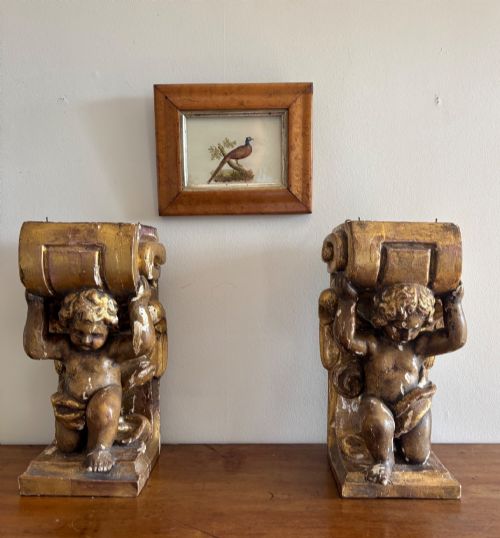
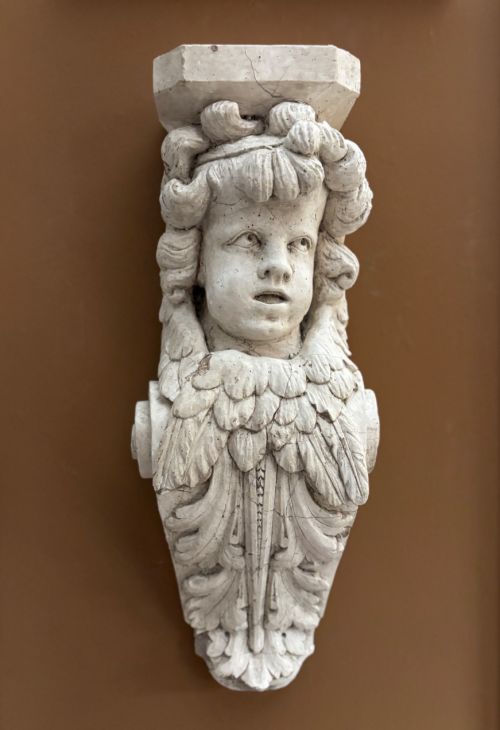
These 19th century corbels and architectural brackets bring sculptural weight and historical timber or stone to a wall.
19th Century Corbels
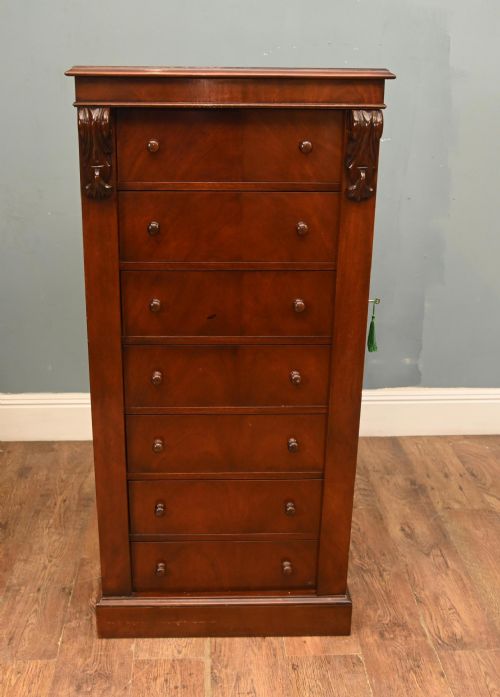
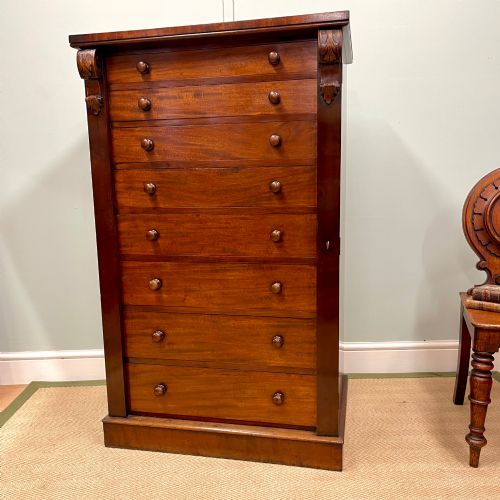
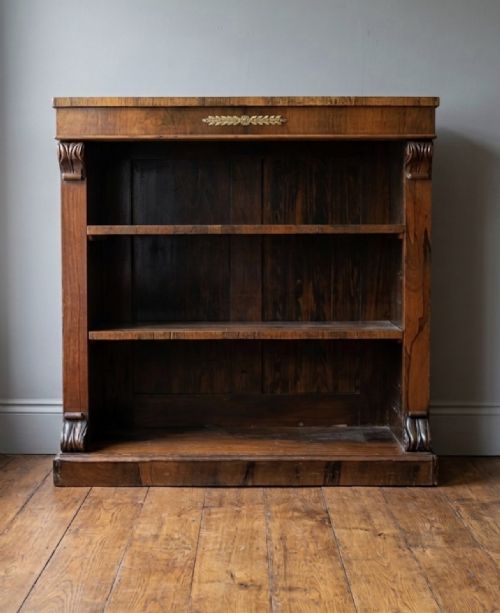
When you search for 19th century corbels, you are looking at structural and decorative load-bearing projections adapted for interior display, alongside related wall brackets and architectural supports. The examples recorded here span cast iron, terracotta, marble, and hand-carved pine or oak, originating from periods including the Victorian era and the mid-nineteenth century.
The selection ranges from robust architectural stone and terracotta pairs designed for substantial weight to intricate carved wood or giltwood brackets meant for display shelves. Buyers meet both utility pieces salvaged from buildings and decorative ornaments carved specifically for Victorian interiors.
How they were made
The evidence shows these supports were formed through traditional foundry casting for iron and terracotta, or hand-carving for timbers such as oak, pine, and walnut. Carvers utilised gouges and chisels to render detailed cherubs, mythical figures, and classical scrollwork directly into the grain of the wood.
Surface finishes include applied gold leaf, ormolu mounts, and painted layers over plaster or earthenware. Stonemasons and ceramicists shaped durable materials like marble and terracotta to withstand structural loads while maintaining decorative relief.
Listings for 19th century corbels and brackets encompass materials ranging from cast iron and terracotta to mahogany, oak, and gold leaf.
What varies in quality
Quality in these architectural elements rests upon the crispness of the chisel work and the depth of the relief carving. A piece carved by hand with deep undercut foliage displays a tactile conviction that shallow mechanical milling misses.
The integrity of the material also dictates distinction, separating honest weathered stone and dense seasoned oak from lesser replacements. Original gilding and untouched historic surfaces hold greater visual honesty than later overpainting.
Luigi Frullini·Henri Dasson·Minton
The 19th Century Corbels Glossary
- Corbel
- A structural projection built into or jutting from a wall to support a weight above. In 19th century pieces, these often took on elaborate figurative or scroll designs.
- Terracotta
- Fired clay used for architectural ornaments and wall brackets. It offered durability and allowed makers to cast complex repeating motifs.
- Giltwood
- Timber coated with a thin layer of gold leaf. This finish provided a reflective, opulent surface popular in Victorian reception rooms.
- Ormolu
- Gilded bronze mounts applied to furniture and brackets. The technique created bright metallic highlights against darker woods.
- Black Forest
- A style of wood carving originating from central Europe, characterised by realistic animal and forest motifs in dark walnut.
19th Century Corbels: Frequently Asked Questions
How were corbels used originally?
Builders used corbels beneath ceiling beams, mantelpieces, and projecting balconies to bear heavy loads. They transferred the weight safely down into the main wall structure.
Over the course of the nineteenth century, smaller versions were adapted simply as wall brackets for displaying clocks, busts, and porcelain.
Can these brackets hold heavy weight?
Many solid stone, iron, and oak examples possess genuine structural strength. They remain capable of supporting substantial shelves when properly anchored into masonry.
Lighter plaster, terracotta, or decorative giltwood brackets serve best for display rather than load-bearing duty.
How do I date a 19th century piece?
Dating relies on identifying the characteristic motifs of periods like the Regency or Victorian eras. Examining tool marks on timber or the composition of the ceramic helps confirm age.
Archival records and known manufacturer marks also pinpoint specific decades of production.
How do I mount a wall bracket safely?
Wall brackets require fixings matched to the weight of the piece and the composition of the wall. Solid brick or stone walls take heavy screws and plugs easily.
Plasterboard partitions demand special hollow-wall anchors to secure the bracket firmly without pulling loose under strain.