


Gilded Wood Shelves
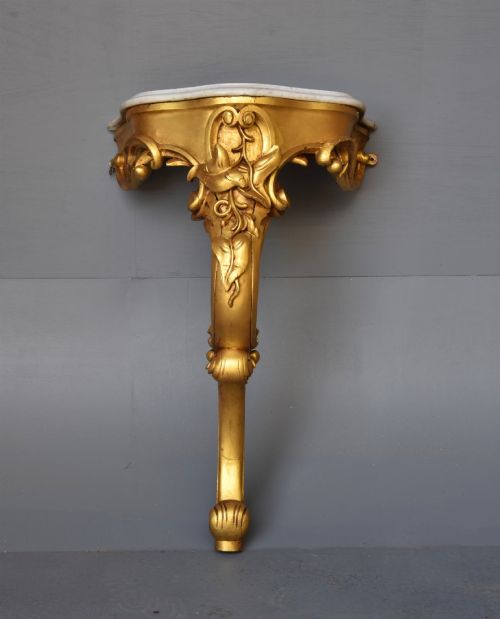
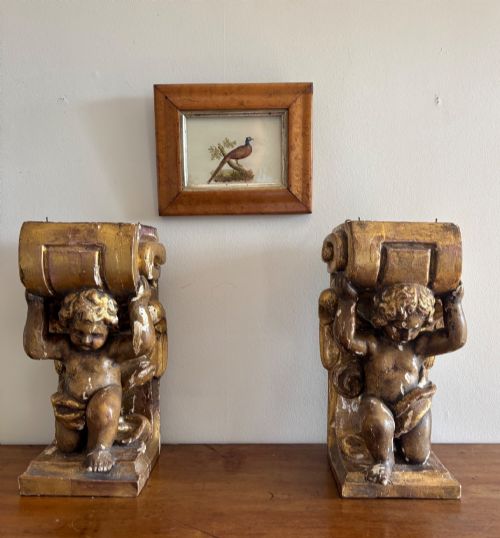
These gilded wood shelves bring genuine warmth and architectural presence to a room, ranging from compact wall brackets to larger display surfaces.
Gilded Wood Shelves
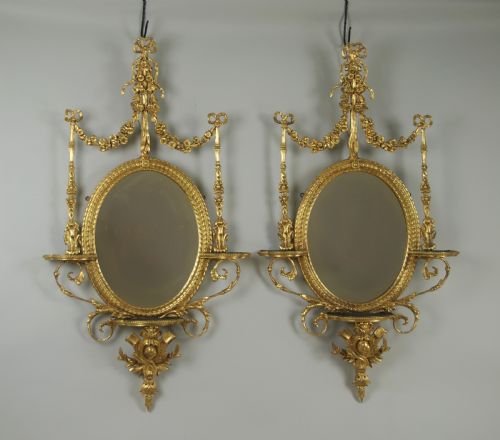
When you search for gilded wood shelves, you encounter an array of functional surfaces designed to display smaller objects, books, or mirrors. These pieces span centuries of design, with particular representation from the nineteenth century alongside earlier eighteenth-century examples.
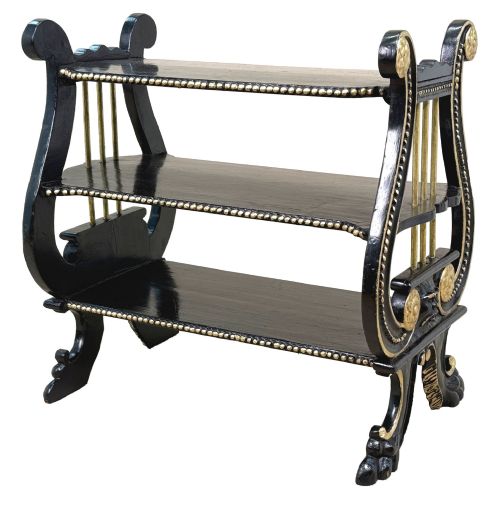
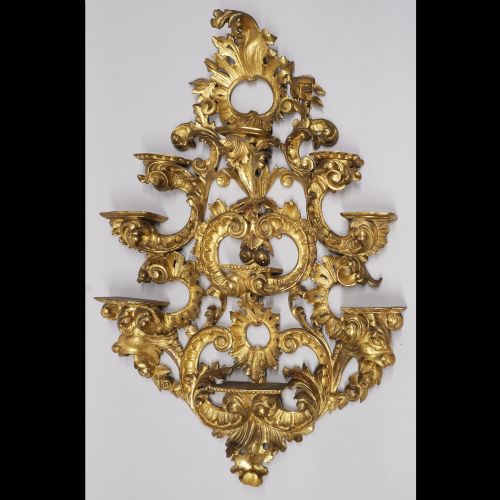
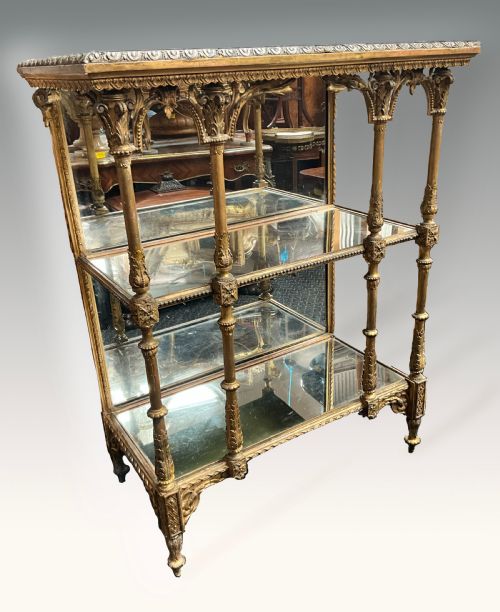
The forms vary considerably across the selection. You will find small carved wall brackets, multi-tiered étagères, and console tables incorporating display surfaces, each serving a distinct decorative purpose within domestic interiors.
Stylistic influences draw heavily on historical revivals. Pieces range from exuberant Rococo Revival and Baroque Revival forms to restrained Neoclassical designs and Regency interpretations.
Materials and Construction
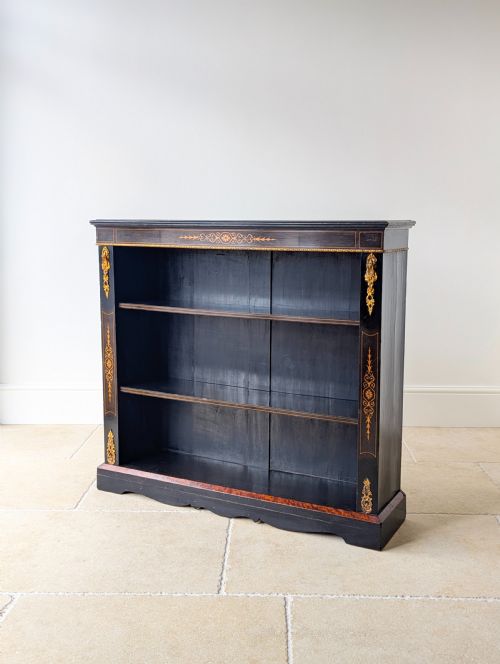
Makers relied on solid timber foundations, frequently utilising carved wood or ebonised wood as a structural base. Gesso often provided the smooth preparation layer necessary for subsequent surface decoration.
Guilding was achieved by applying delicate gold leaf over the prepared substrate, creating a reflective and lustrous finish. Additional materials such as marble tops, glass inserts, and ormolu mounts appear on select refined items.
Listings feature items spanning from the eighteenth century through the Victorian era to the early twentieth century, utilising giltwood, gesso, marble, and ebonised wood.
Judging Quality and Execution
Quality rests primarily in the crispness and depth of the carving. Hand-carved details exhibit a vitality and precision that mechanical replication simply cannot achieve.
The integrity of the gilding surface dictates the visual impact of the piece. Superior examples display thoughtful application of gold leaf and gesso, whereas lesser items show heavy wear or coarse overpainting.
Henri Dasson
The Gilded Wood Shelves Glossary
- Giltwood
- Timber that has been decorated with gold leaf. This finish defines the reflective character of these shelves.
- Gesso
- A plaster-like mixture applied to wood as a base for gilding. It allows craftsmen to carve intricate relief details before applying gold leaf.
- Étagère
- A piece of furniture consisting of open shelves for displaying small objects. These tiered units often incorporate mirrors.
- Bracket
- A supporting architectural member projecting from a wall. In this context, it refers to small wall-mounted display shelves.
- Ormolu
- Gilded bronze used for decorative mounts and accents. It frequently complements ebonised wood surfaces on nineteenth-century pieces.
Gilded Wood Shelves: Frequently Asked Questions
How do I hang a heavy gilded wall bracket safely?
Wall brackets require secure fixing into solid masonry or direct wall studs using appropriate heavy-duty screws andrawl plugs. The substantial weight of carved wood and gesso demands robust support.
Consult a professional installer if you are uncertain about the load-bearing capacity of your walling material. Ensuring a firm anchor protects both the antique and your interior.
Where should I place an étagère in my home?
An étagère works effectively in drawing rooms, studies, or hallways where its multi-tiered shelves can showcase small collections of ceramics or glass. Placing them away from direct sunlight preserves the delicate gold leaf finish.
Ensure the piece sits in a stable traffic area to avoid accidental bumps against the projecting open shelves.
How do I clean antique giltwood safely?
Dust giltwood surfaces gently with a very soft, dry brush or a feather duster. Moisture and chemical cleaning agents will strip or damage delicate gold leaf and gesso.
Avoid rubbing the surface vigorously, as the historic metallic leaf is exceptionally thin and sensitive to abrasion.
What is the difference between Regency and Victorian styles here?
Regency pieces often favour cleaner architectural lines with classical restraint, sometimes combining rosewood with subtle gilding. Victorian items tend toward heavier ornamentation, embracing Rococo or Baroque revival motifs with deep, elaborate carving.
Examining the secondary timbers and overall silhouette helps distinguish between these nineteenth-century periods.