





Antique Putti Brackets
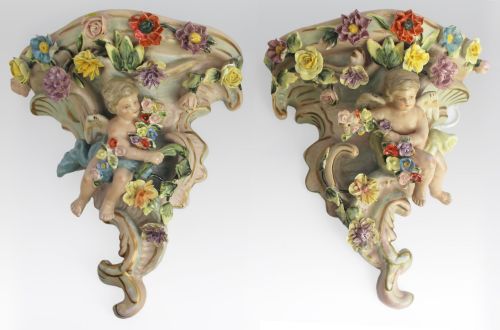
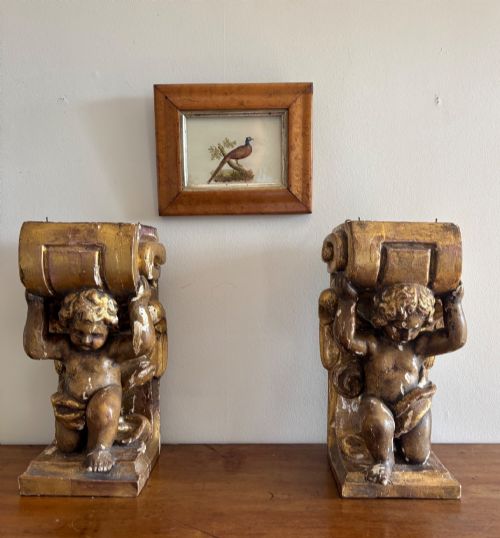
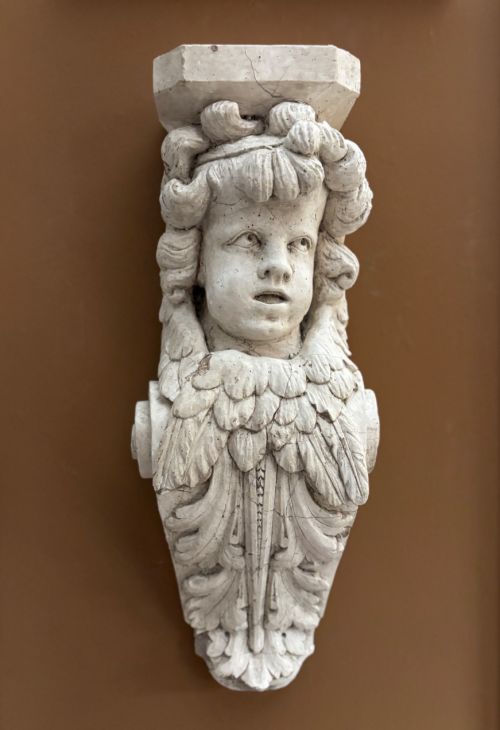
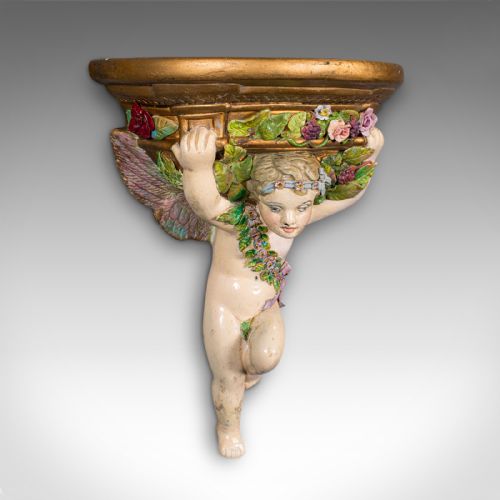
Antique putti brackets are sculptural shelf supports modelled with winged figures, offering an ornate architectural accent for displaying small objects.
Antique Putti Brackets
When you search for antique putti brackets, you are looking at architectural shelf supports and wall mounts modelled with cherubs, cupids, or winged figures. These pieces provide a sturdy ledge designed to project from a wall for displaying small ornaments, clocks, or candles.
The versions most commonly met on this page span the nineteenth century through the early twentieth century, taking forms such as wall brackets, corbels, and wall sconces. Many of these examples draw directly on historical design revivals.
Makers and artisans of this era frequently turned to ornate European styles, producing items influenced by the Rococo Revival, Baroque Revival, and French Rococo traditions. These decorative supports serve both a structural and a purely ornamental function within domestic interiors.
Materials and construction methods
Carved wood provides the structural foundation for many traditional examples, often enhanced with layers of gesso, gold leaf, or gilt to achieve a reflective metallic finish. Artisans also utilised cast metals such as brass, gilt bronze, and ormolu to shape durable figures with intricate surface detail.
Plaster and porcelain compositions appear frequently, allowing workshops to mould complex figurative shapes with high relief before applying enamel or paint finishes. These varied techniques dictate the weight and mounting requirements of each individual wall bracket.
Cherub brackets spend decades holding up heavy porcelain clocks before anyone notices they have been missing their wings all along.
Assessing quality in antique putti brackets
Surface treatments also influence the overall character, particularly the preservation of original gilding, gesso layers, or hand-painted enamel finishes. Subtly aged patination and intact structural joints show how well the bracket has survived its functional lifespan.
Leon Message·Jollet et Cie·Minton
The Antique Putti Brackets Glossary
- Putto
- A plump, often winged child figure commonly found in classical and revival art. These sculptural figures form the primary decorative motif of the brackets.
- Corbel
- A structural piece of stone, wood, or metal jutting from a wall to carry a superincumbent weight. In this context, it functions as a decorative wall bracket.
- Gesso
- A paint mixture consisting of a neutral binder mixed with chalk, gypsum, or pigment. This substance is applied to wood before gilding to create a smooth surface for relief work.
- Ormolu
- Finely ground high-carat gold-mercury amalgam applied to a bronze object. This French technique imparts a rich golden sheen to cast metal mounts.
- Rococo Revival
- A nineteenth-century design movement characterised by asymmetrical C-scrolls, floral motifs, and shellwork. It heavily influences the ornamentation on many period brackets.
Antique Putti Brackets: Frequently Asked Questions
What is the difference between a bracket and a corbel?
A bracket generally projects further from the wall to support a shelf or small object, whereas a corbel is traditionally a solid block projecting from the wall to bear heavier loads.
In decorative antique pieces, the terms often overlap, though both provide a stable miniature ledge for display purposes.
How do I mount a heavy wooden putto bracket?
Most antique wall brackets feature integrated hanging loops, rear screw holes, or require dedicated concealed metal brackets fixed securely into wall studs.
Given the weight of dense carved timber and applied gesso, professional installation into solid masonry or studwork is recommended to ensure stability.
How do I clean gilt wood and gesso?
Gilt wood and gesso surfaces require gentle dusting with a dry, soft feather duster or a very soft artist brush to prevent damaging the delicate metallic leaf.
Moisture and modern chemical solvents should be avoided entirely, as water will dissolve the underlying water-gilding gesso layers.
How can I tell the nineteenth-century pieces apart?
Nineteenth-century examples often reveal their age through the hand-carving marks on timber backs, the composition of the gesso, or the specific casting seams on metal mounts.
Stylistic shifts also help, moving from early Victorian neoclassical restraint towards heavier Baroque and Rococo Revival exuberance as the century progressed.