




19th Century Copper Basin
A 19th century copper basin brings genuine warmth and historical utility to a room, offering robust metalwork shaped for daily tasks.
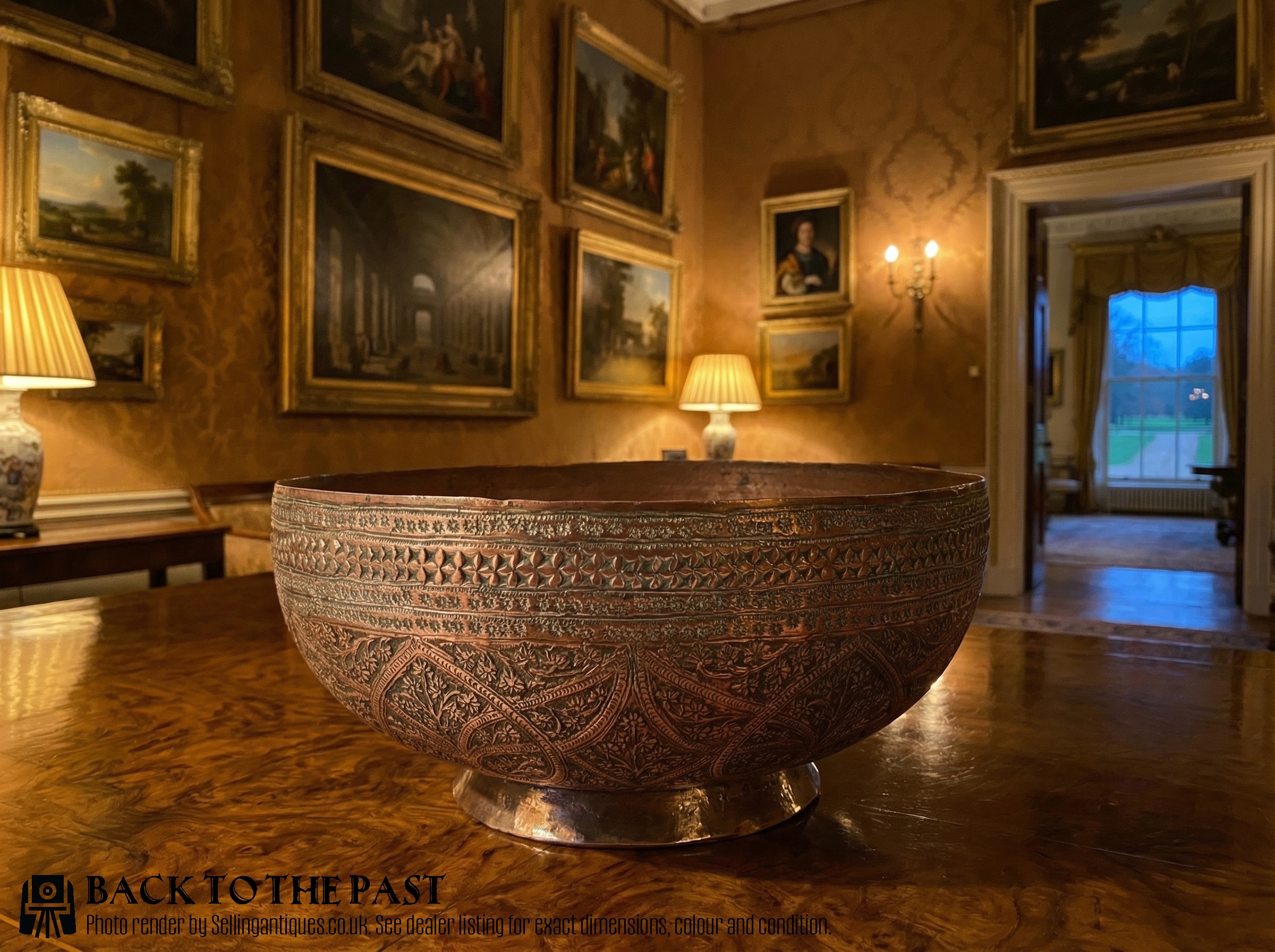
19th Century Copper Basin
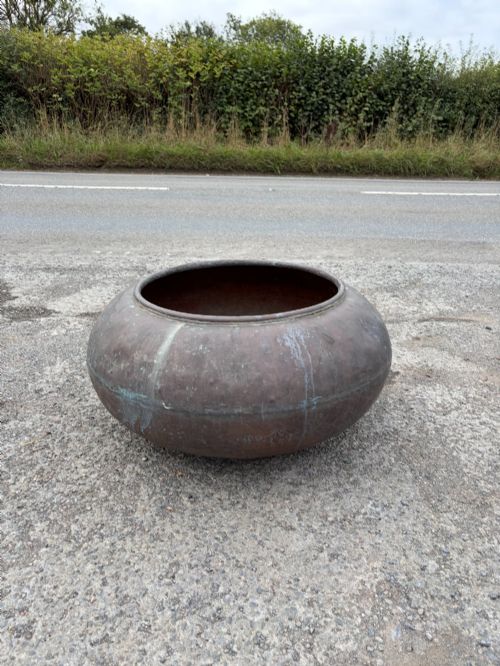
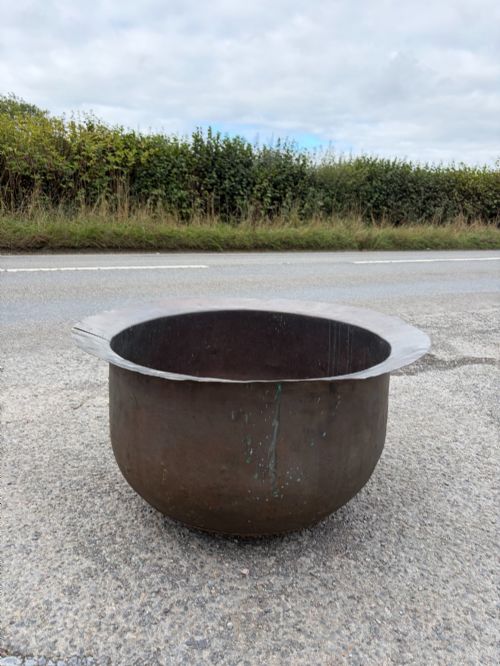
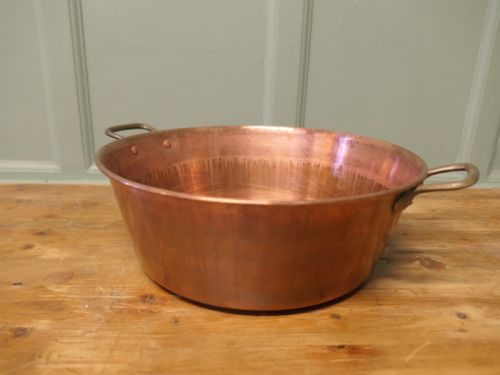
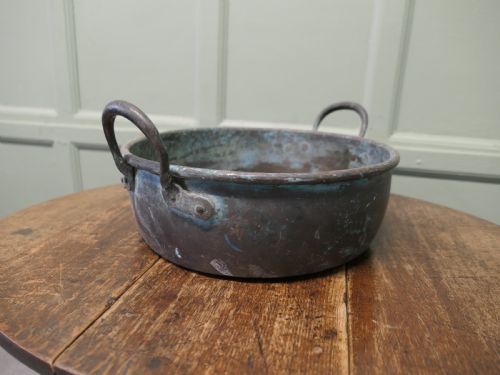
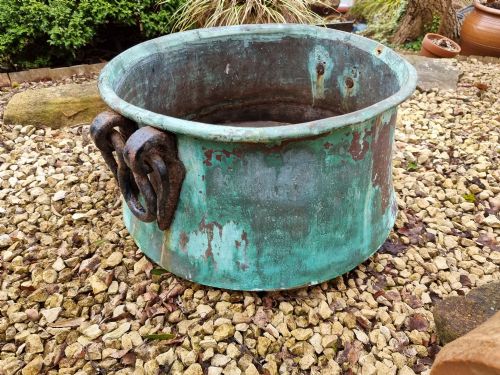
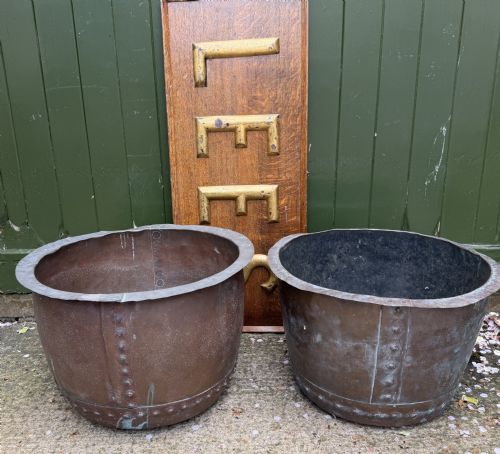
A 19th century copper basin encompasses utilitarian cookware, preserve pans, jardinières, and wash bowls originating from periods such as the Victorian era and Regency style. Buyers searching for a 19th century copper basin typically encounter large pots, jam pans, and garden planters fashioned from heavy metal.
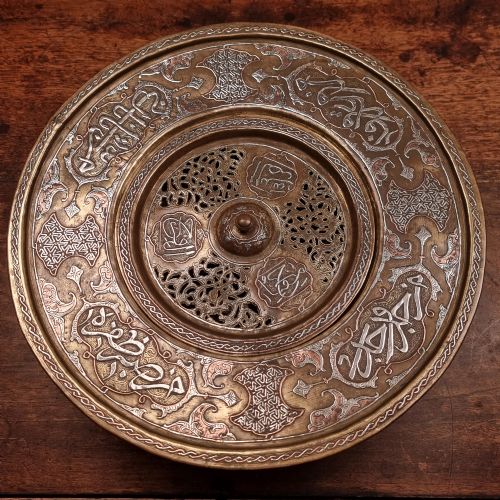
The evidence shows these objects serving various domestic roles, from grain measures and log bins to decorative bowls and wine coolers. Forms range from simple cooking vessels to embossed brass-detailed pots and silver-inlaid Islamic wash bowls.
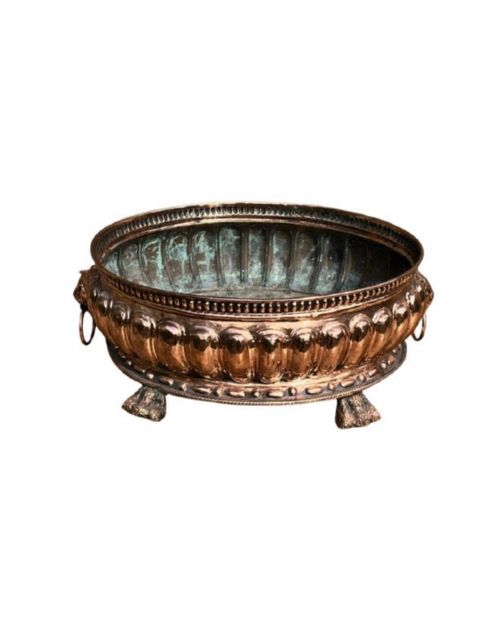
Origin and regional styles vary across the selection, featuring Italian neo-classical jardinières, Mamluk revival pieces, and Indian copper bowls alongside British country kitchenware. Buyers are most likely to meet practical vessels designed for boiling, preserving, and planting.
What Varies in Quality
Metal thickness and weight distinguish sturdier utilitarian cookware from lighter decorative items, with heavy gauge copper surviving rigorous kitchen use. The integrity of riveted joints and handle attachments indicates the standard of original construction.
The character of the surface finish also determines appeal, as natural patination and aged verdigris add visual depth that mechanical cleaning removes. Craftsmanship shows in the precision of hammering and the detail of embossed or inlaid ornamentation.
The 19th Century Copper Basin Glossary
- Verdigris
- A green patina formed naturally on copper through atmospheric oxidation over many years. This weathered surface layer is prized by collectors for its visual depth.
- Jam Pan
- A wide, shallow cooking vessel traditionally used for boiling fruit and sugar. These heavy copper pans usually feature strong double handles for lifting.
- Jardiniere
- An ornamental pot or stand designed to hold growing plants or flowers. Examples often appear in brass or copper with classical styling.
- Grain Measure
- A standardised container utilised for weighing or measuring dry agricultural produce. These sturdy vessels were typically constructed from heavy copper or iron.
19th Century Copper Basin: Frequently Asked Questions
What were these copper basins used for?
These vessels originally served practical functions in domestic and agricultural settings, including preserving fruit, cooking meals, measuring grain, and washing.
Over time, many of these utilitarian items transitioned into decorative roles, acting as planters, log bins, and wine coolers in contemporary interiors.
How do I clean a copper basin?
Most collectors prefer to preserve the natural patina and verdigris surface that develops on nineteenth-century metal over decades of use.
If you prefer a bright finish, mild proprietary metal cleaners remove tarnish without scratching the soft copper body or damaging riveted joints.
Are these basins safe for cooking?
Many nineteenth-century vessels were lined with tin to prevent food from reacting directly with the copper during boiling and preserving.
Buyers intending to use these pans for food preparation should check the interior lining to ensure the protective metal layer remains intact.
How can I tell the period of a copper basin?
Dating relies on observing construction methods, such as hand-beaten hammering marks, early rivet styles, and the specific weight of the metal sheets.
Stylistic indicators like Regency forms or Victorian aesthetic movement details also help assign pieces to the correct nineteenth-century decade.