
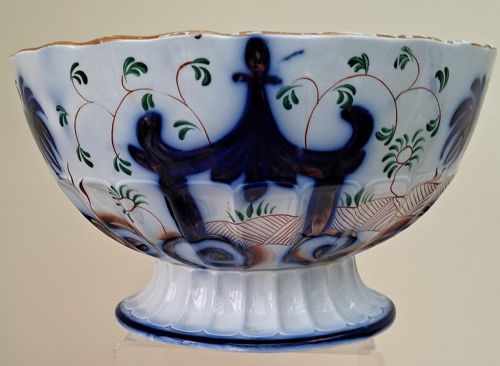
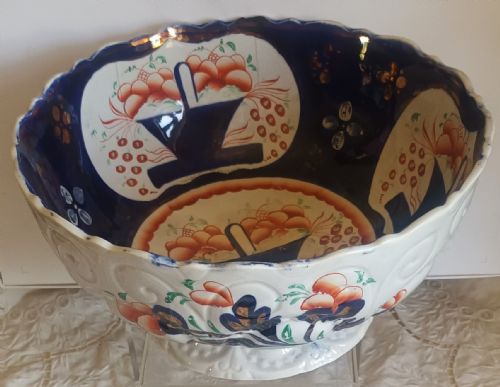


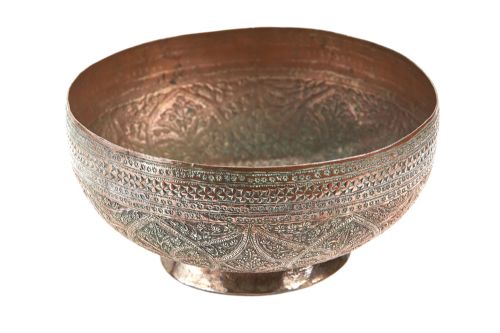
Copper Decorative Bowl
These copper decorative bowl pieces bring tactile warmth and rich metallic tone to a room, offering striking focal points for a mantel or table.
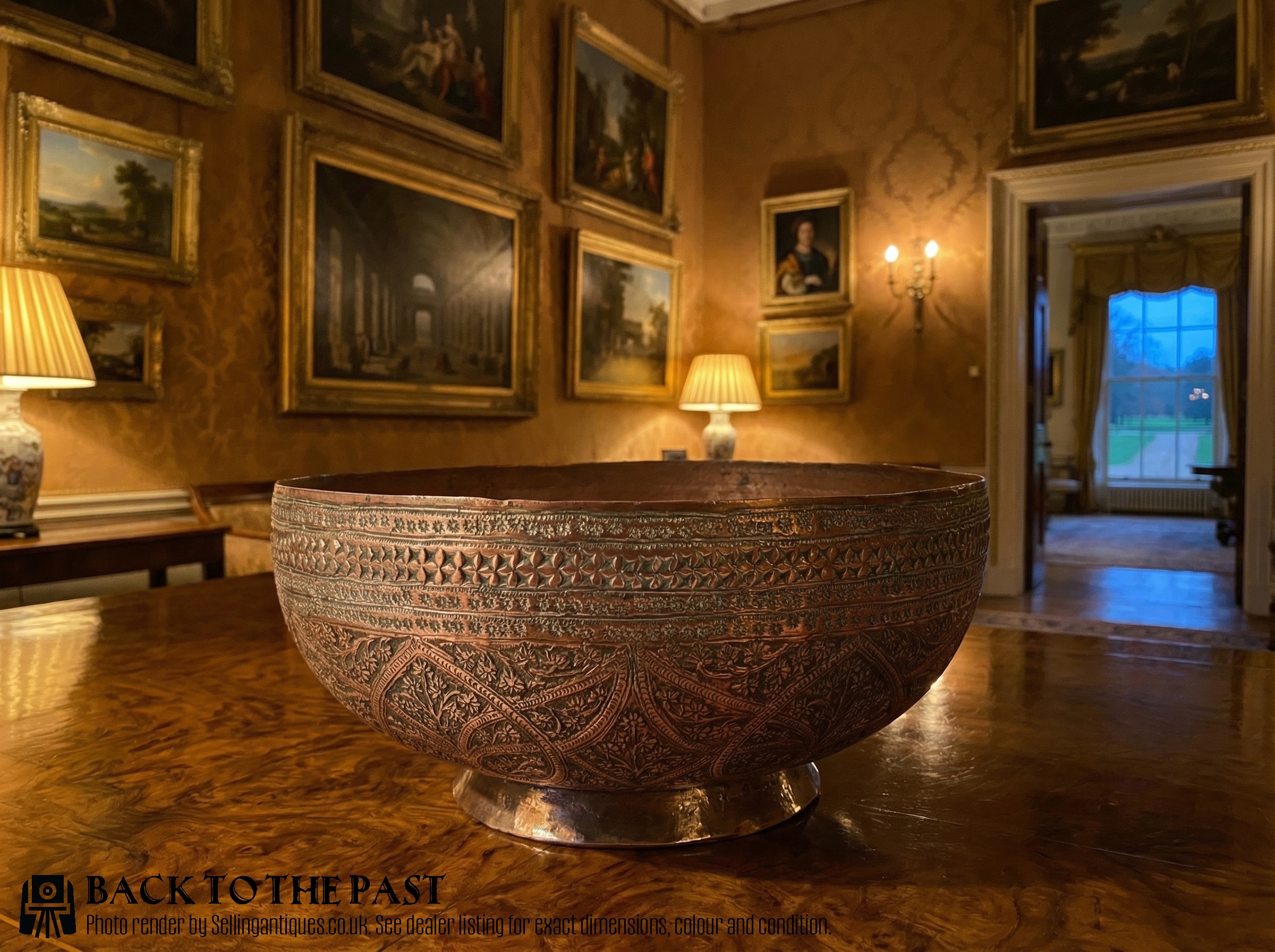
Copper Decorative Bowl
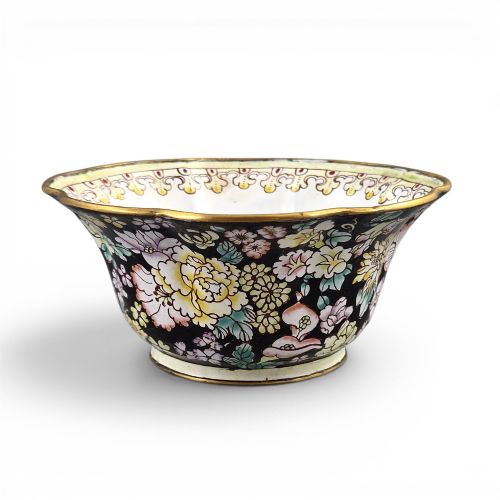
When you search for copper decorative bowl, you encounter vessels and dishes created to catch the eye rather than serve a purely utilitarian purpose in the home. The selection spans distinct global traditions, merging utility with decorative metalwork across the nineteenth and early twentieth centuries.
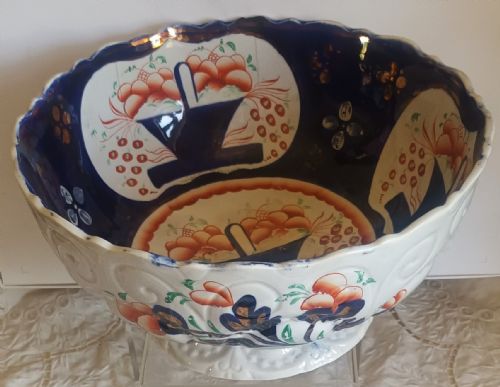
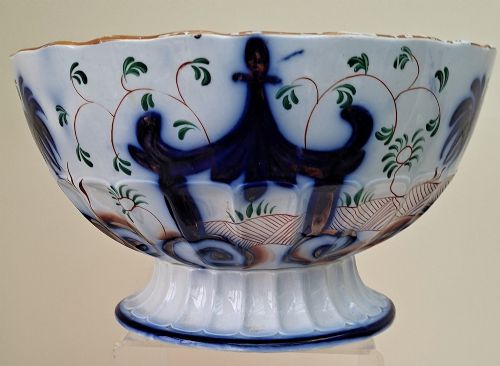
The versions most likely to meet you on this page include large Arts and Crafts pedestal bowls, intricate Middle Eastern dishes, and Japanese cloisonne enamel chargers. Alongside these, nineteenth century European metalwork and pottery pieces appear, expanding the scope of vessels worked in metal or paired with colourful glazes.
Forms range from deep jardinieres and footed bowls to broad chargers and painted enamel vessels. Each object reflects the prevailing aesthetic of its origin, whether that is the hammered metalwork of the British Arts and Crafts movement or the detailed inlay of Islamic metalwork.
What varies in quality
The distinction between ordinary and exceptional work rests on the crispness of the hand-chased detail and the weight of the metal used in the body. Heavier gauge copper resists warping and provides a more satisfying substance in the hand.
Surface finish also dictates the tier of the piece, with finely controlled patination and flawless enamel work separating master craftsman output from standard commercial production. Integration of secondary metals like silver inlay shows a higher level of workshop dedication.
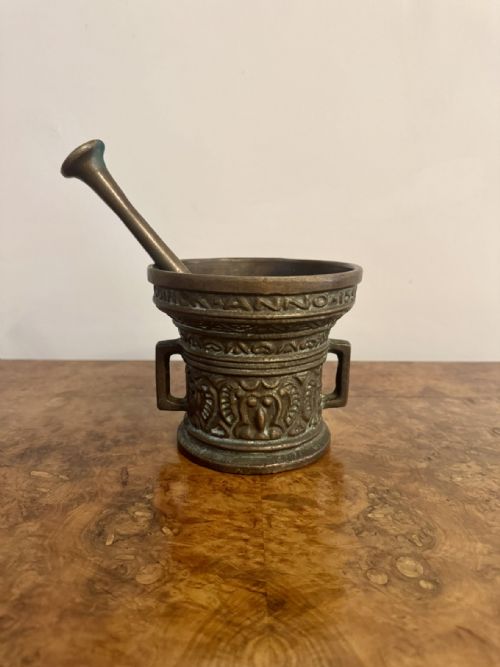
A solitary brass pestle waits patiently on this page, perhaps hoping someone will finally bring it a proper mortar to settle down with.
The Copper Decorative Bowl Glossary
- Charger
- A large decorative plate or shallow bowl meant for display on a wall or sideboard rather than for dining. These large surfaces often display the most ambitious pictorial decoration in a collection.
- Cloisonne
- An ancient technique where thin metal wires are soldered to a metal base to create compartments, which are then filled with enamel paste and fired. This method produces intricate, multi-coloured patterns.
- Jardiniere
- An ornamental pot or stand designed to hold a live plant or flower arrangement, frequently executed in heavy copper or brass during the Victorian period. They often feature robust handles or embossed body decoration.
- Patination
- The natural or induced chemical colouration on the surface of metal that develops over time or through treatment. A rich patination adds depth and visual character to plain copper.
- Cabochon
- A gemstone or piece of glass shaped and polished brightly rather than faceted, often set into metalwork as an accent. Arts and Crafts metalworkers frequently utilised them on pedestal bowls.
Copper Decorative Bowl: Frequently Asked Questions
How do I clean an antique copper bowl?
Maintenance requires minimal intervention to preserve the historic surface and darker patinated areas accumulated over decades. Gentle dusting with a soft cloth is usually sufficient for regular upkeep.
Avoid aggressive metal polishes that strip away the original finish and character. Leaving the surface untouched protects the integrity of the metal.
Are these bowls safe for food use?
These decorative items were intended for visual display, interior decoration, or holding dry botanical arrangements rather than culinary service. Many lack the food-safe linings required for modern dining.
Utilise them solely for ornamental placement in your home to maintain their condition. Placing fruit or water inside unlined antique metal can damage the interior surface.
How do I date an Arts and Crafts copper bowl?
Dating relies on observing characteristic construction marks, such as hand-hammered tool impressions left by the artisan. Stylistic cues like riveted construction and cabochon settings point toward the late nineteenth and early twentieth centuries.
Examining the depth of the metal and any stamped workshop signatures helps place the piece within a specific decade. Comparing the design motifs to known period catalogues narrows the timeframe further.
What is Islamic metalwork influence on these pieces?
Middle Eastern metalwork traditions heavily influenced nineteenth century European makers who adopted intricate silver inlay and geometric engraving. These designs often feature dense calligraphic bands or complex foliate scrolls across patinated copper surfaces.
Such pieces reflect a Victorian enthusiasm for exotic global aesthetics and revival styles. The combination of contrasting metals creates a rich visual texture distinct from plain domestic wares.