

19th Century Ceramic Pitcher
These 19th century ceramic pitcher examples bring utilitarian history into the home through transfer prints, lustres and rich glazes.
19th Century Ceramic Pitcher
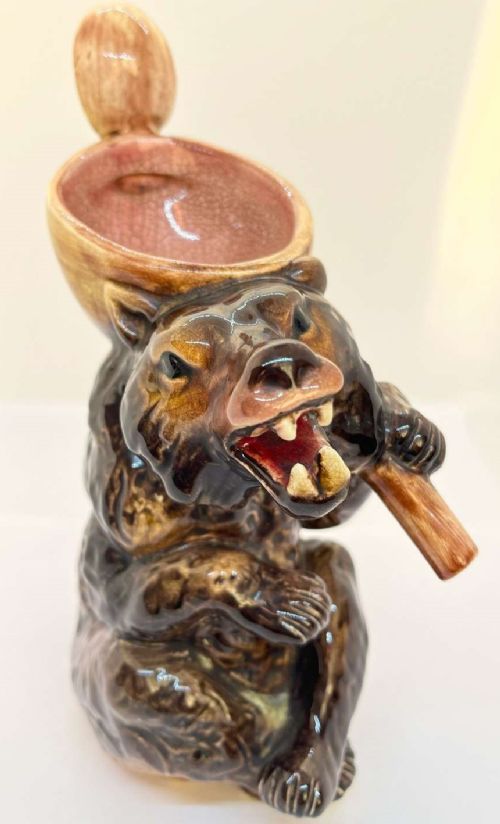
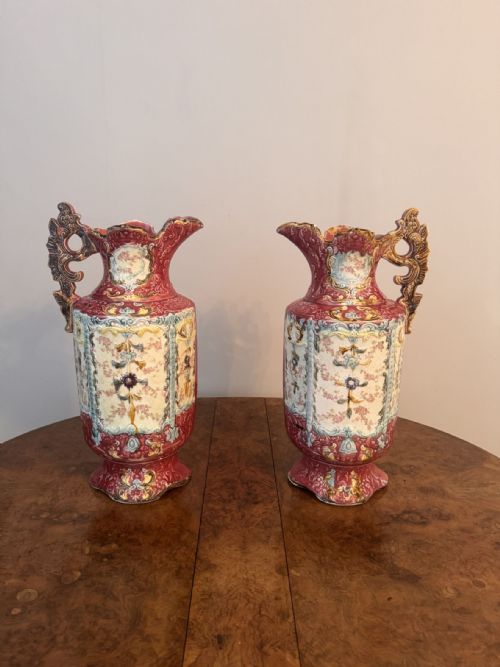
A 19th century ceramic pitcher encompasses a diverse range of vessels, from robust stoneware tygs and creamware jugs to decorative majolica ewers. These pieces originate predominantly from English potteries in Staffordshire and Sunderland, alongside continental European factories producing faience and porcelain.
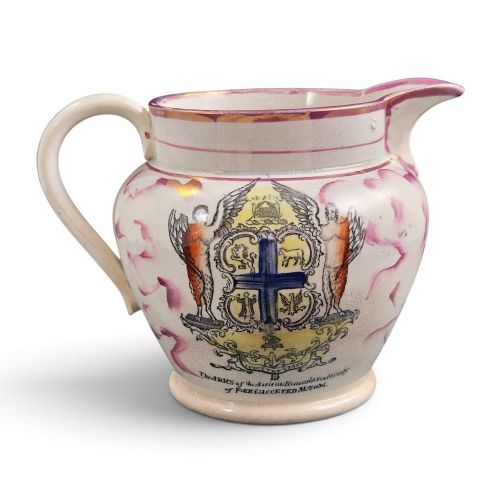
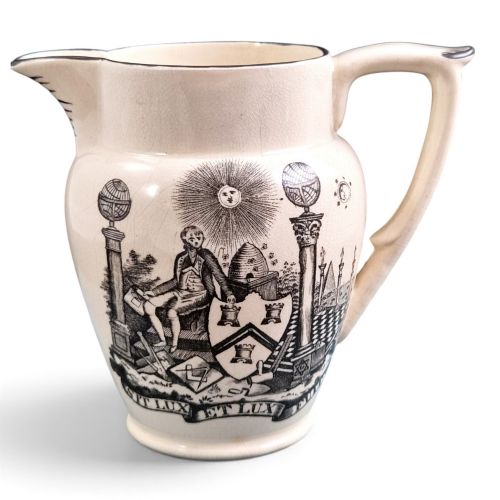
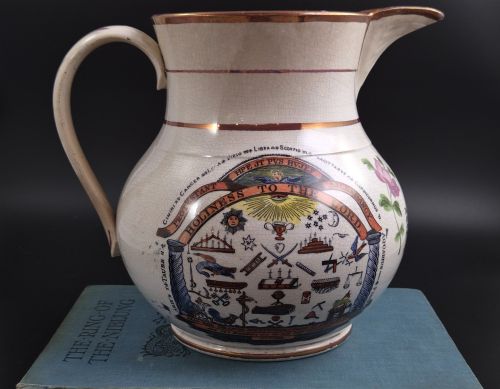
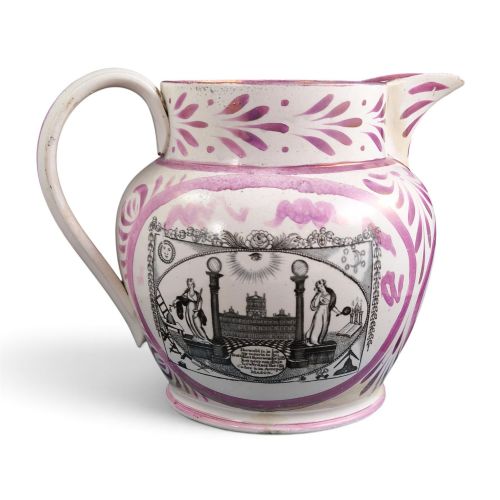
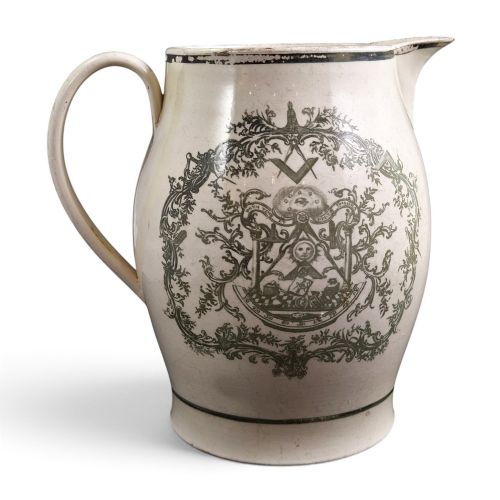
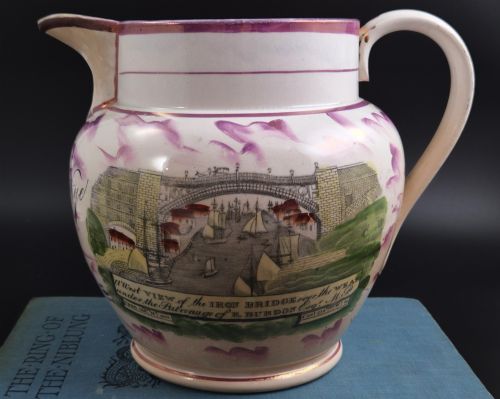
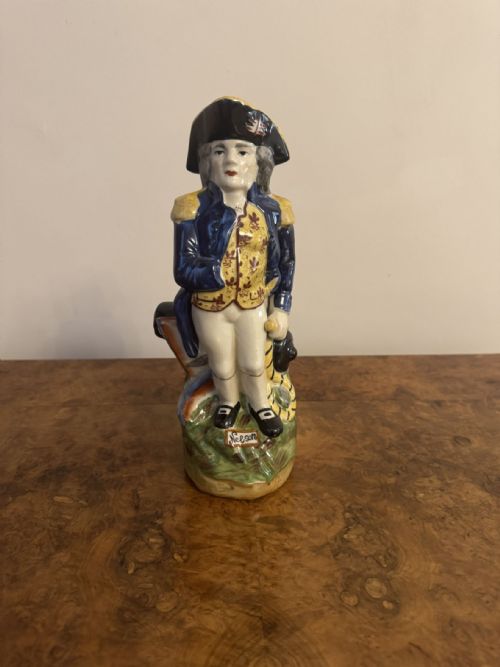
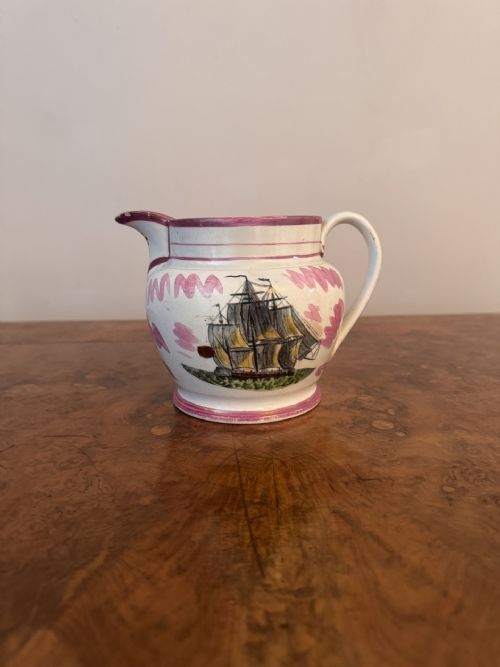
The domestic forms vary from utilitarian milk and water jugs to commemorative pieces bearing masonic symbols, maritime themes and transfer-printed scenes. Collectors frequently encounter gaudy Welsh ironstone jugs and toby jugs depicting notable figures such as Lord Nelson.
The date range spans the Georgian and Victorian eras, moving from early creamware bodies to later ornate majolica and flow blue designs. Each specimen reflects the shifting domestic tastes and ceramic advancements of its specific decade.
Materials and Techniques
Potters shaped these vessels using earthenware, creamware, ironstone and stoneware bodies, often applying tin or lead glazes to seal the porous clay. Earthenware and creamware provided smooth surfaces suited to black or polychrome transfer printing.
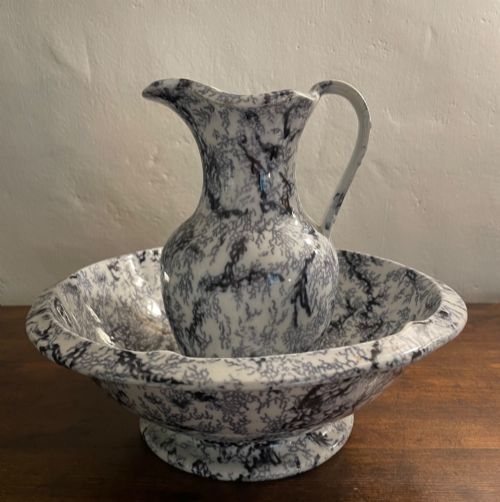
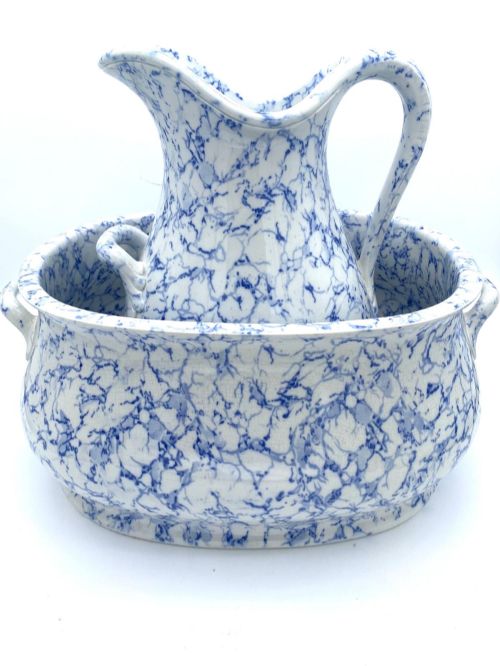
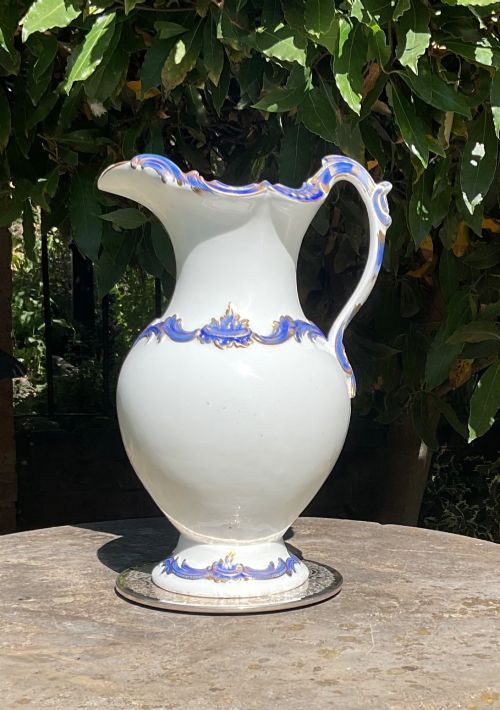
Decoration relied heavily on hand-brushing enamel colours, copper and pink lustre washes, and relief moulding techniques. Specialised styles such as flow blue blurred cobalt pigments during firing to create soft, atmospheric patterns across the ceramic surface.
The material record shows extensive use of transfer-printing and pink lustre decoration alongside relief-moulded animal and figural forms.
Distinctions in Execution
The refinement of the ceramic body and the crispness of the transfer print or relief moulding separate standard utilitarian vessels from superior examples. Master potters achieved precise registration in multi-plate transfer printing and delicate execution in hand-painted polychrome enamels.
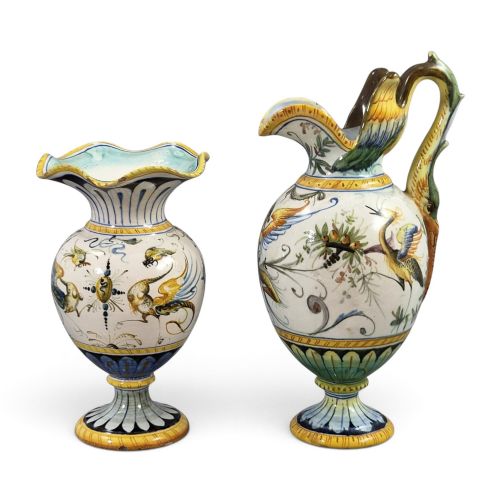
The complexity of the form dictates distinction, such as grotesque handles on ewers, reticulated porcelain work, or intricate lustre applications. Greater artistic ambition in pattern design, such as historical scenes or detailed maritime subjects, elevates a piece.
Holdcroft·Sunderland Garrison Pottery·Minton·Cantagalli Florence·Mason's·Grainger Worcester·Gien Faience
The 19th Century Ceramic Pitcher Glossary
- Creamware
- A refined earthenware body with a pale yellowish glaze developed in the 18th century and continued into the 19th century. This ceramic body provided a smooth canvas for transfer-printed designs.
- Lustreware
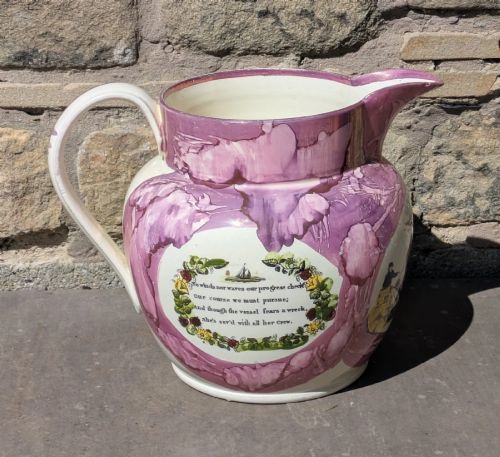
- Pottery decorated with a metallic film that produces an iridescent sheen. Sunderland pieces frequently display a characteristic pink splash or mottled lustre effect.
- Transfer printing
- A method of applying pre-printed paper designs from an engraved copper plate onto a ceramic surface before firing. This technique allowed intricate pictorial scenes to be reproduced consistently.
- Majolica
- A type of earthenware covered with an opaque tin-lead glaze and painted with metallic oxide colours. Victorian majolica is known for vibrant naturalistic palettes and relief-moulded plant or animal forms.
- Ironstone
- A dense, durable type of earthenware patented in the early 19th century to imitate porcelain. It frequently carries Chinoiserie patterns and rich cobalt blue decorations.
- Toby jug
- A pottery jug modelled in the shape of a seated person, usually a robust character holding a mug of beer or a pipe. These figural pieces served both functional and display purposes.
19th Century Ceramic Pitcher: Frequently Asked Questions
What were these pitchers originally used for?
These vessels served primarily functional roles in the 19th-century household for pouring water, milk, or beer at the table. Many larger examples functioned as washstand ewers or commemorative display pieces marking fraternal memberships and historical events.
Over time, their roles shifted from daily utility to decorative mantle and cabinet display items as domestic dining habits evolved.
How do I care for antique ceramic pitchers?
Display these pieces away from direct sunlight to protect fragile enamel colours and lustre finishes from fading. Wash them by hand in lukewarm water without harsh detergents when cleaning is necessary.
Avoid submerging pieces with old repairs or hairline cracks for extended periods to prevent moisture ingress into the porous ceramic body.
How do I distinguish Georgian from Victorian pieces?
Georgian examples often feature creamware bodies, subtle pearlware glazes, and simpler transfer-printed maritime or patriotic themes. The forms tend toward restrained classical lines and lighter earthenware bodies.
Victorian pieces frequently display heavier ironstone construction, vibrant majolica glazes, bolder polychrome palettes, and more elaborate relief moulding.
What causes pink lustre effects on Sunderland jugs?
The pink lustre effect is achieved by applying a solution containing gold chloride onto the pottery before a specialist low-temperature kiln firing. During firing, the gold particles disperse across the glaze to create a distinctive metallic pink sheen.
Potters often combined this technique with sponge-spattering to produce the characteristic marbled pink splash found on maritime pieces.