

19th Century Ceramic Dish
A 19th century ceramic dish brings the bold handpainted motifs and refined porcelain of the Regency and Victorian eras directly to the table.
19th Century Ceramic Dish
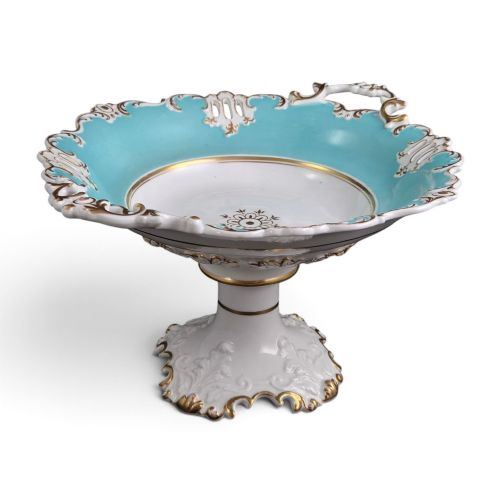
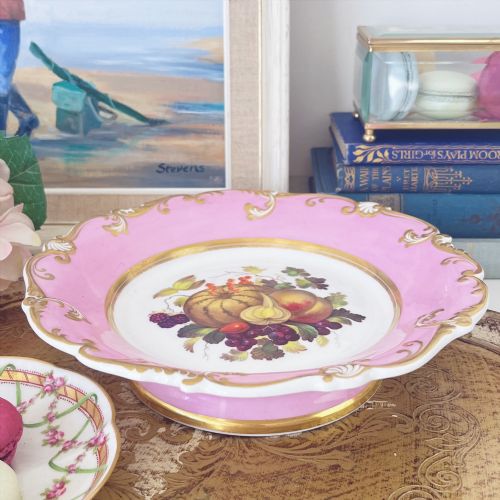
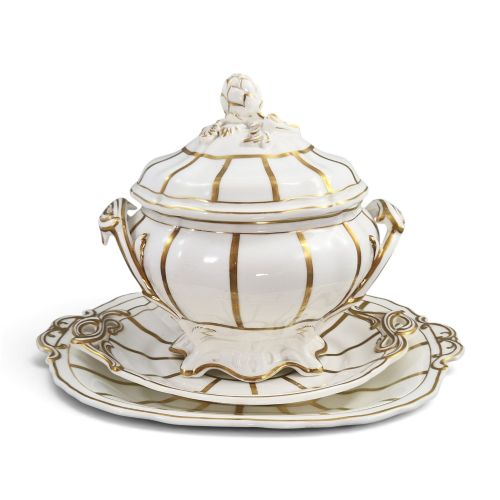
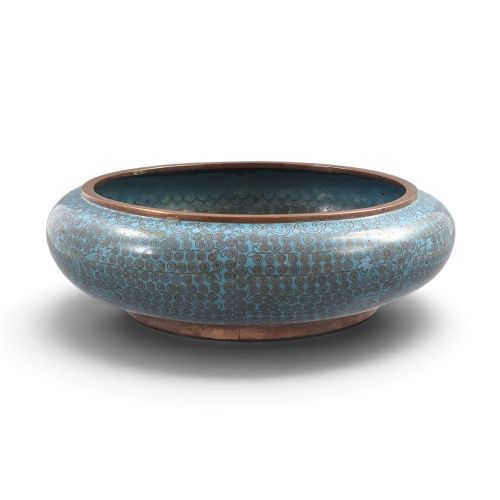
A 19th century ceramic dish encompasses a wide variety of domestic and decorative tableware, ranging from blue and white meat platters and dessert plates to elaborate tazzas and serving bowls. These items served functional roles at formal dining tables or functioned as cabinet pieces displayed in drawing rooms.
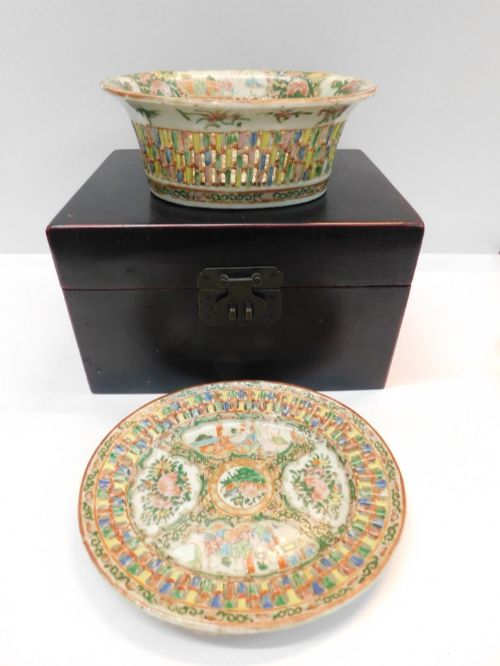
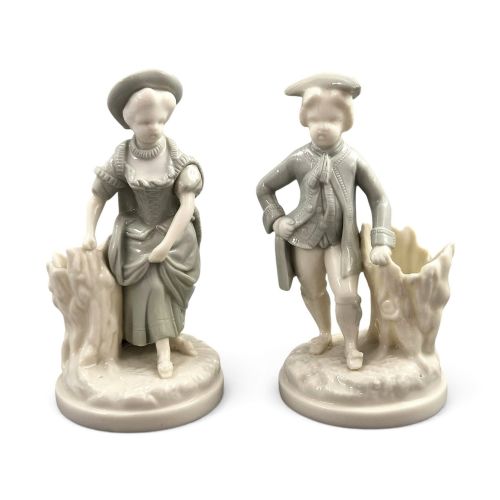
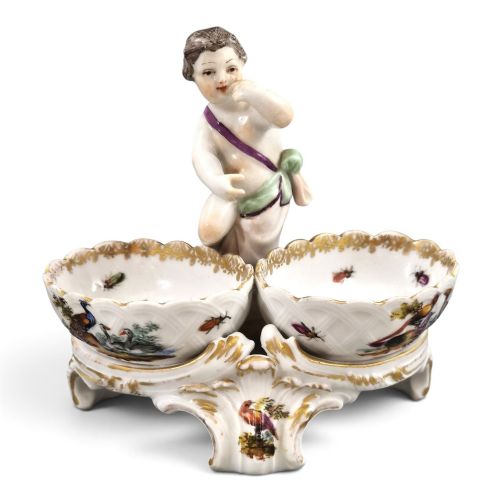
Most examples date across the Victorian and Regency periods, spanning foundational earthenware through to bone china and hard-paste porcelain. Buyers encounter specialised forms such as cheese domes, figural salt cellars, and reticulated chestnut baskets.
How they were made
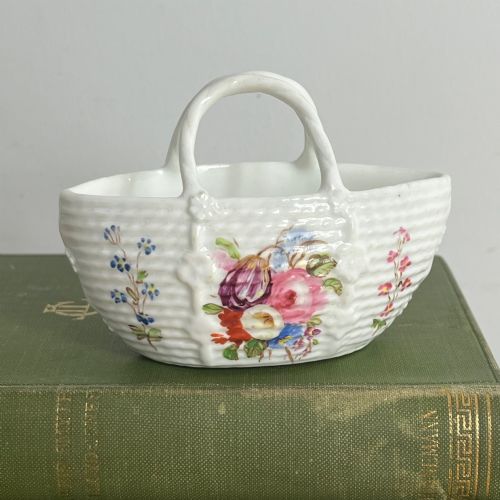
Potters utilised bone china, earthenware, and hard-paste porcelain as the primary body materials, shaping them either on the wheel or within intricate moulds to achieve forms like basket weave or shell edges. Glazes were applied to seal the ceramic body before secondary firing.
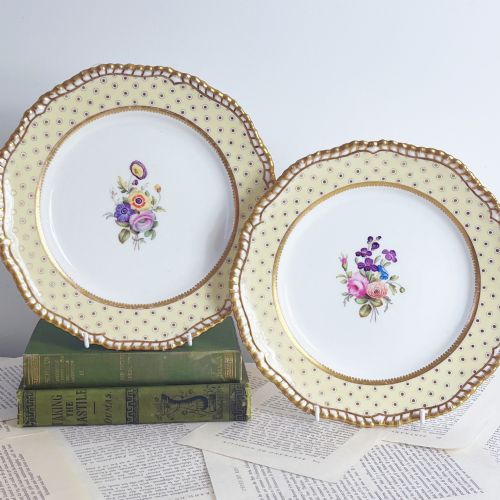
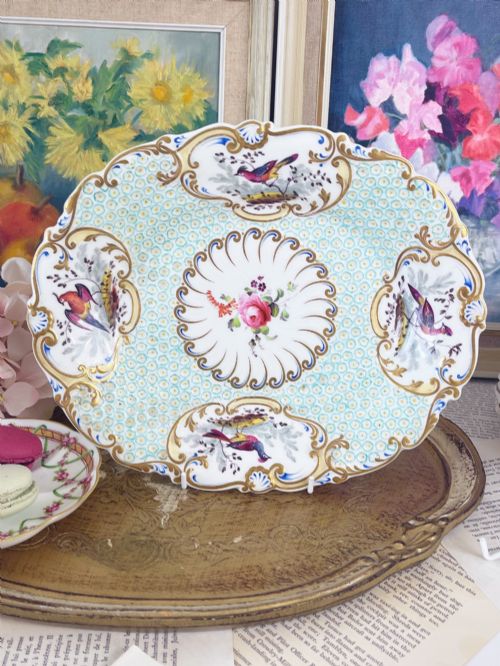
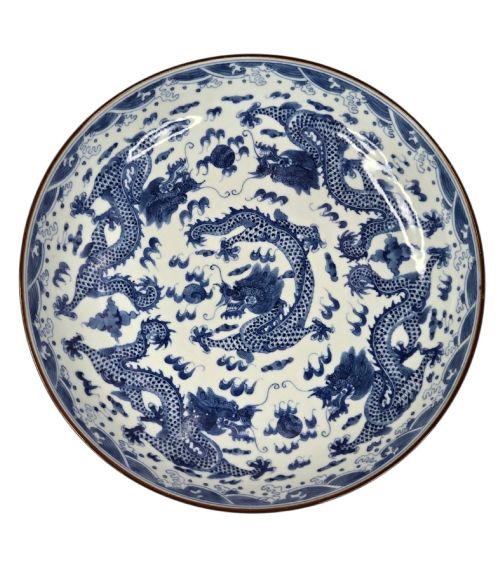
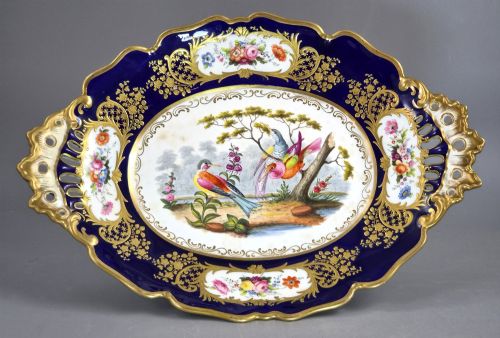
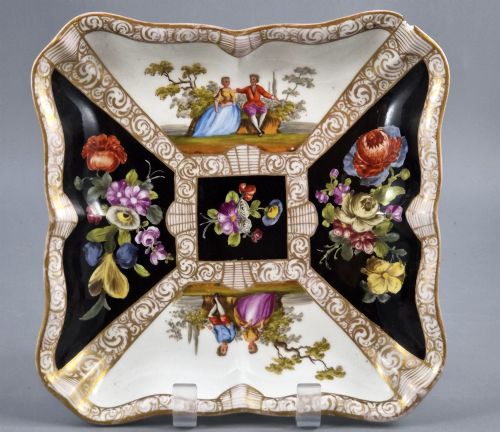
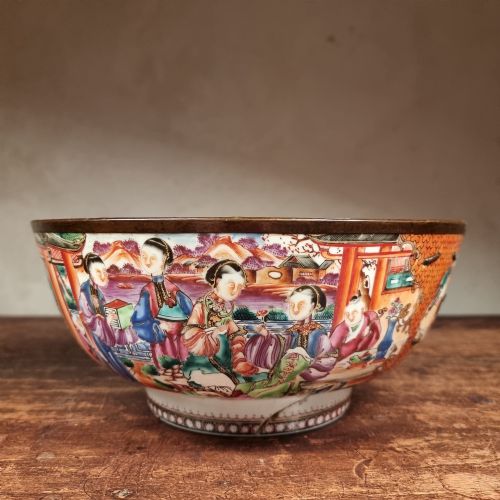
Decoration relied heavily on handpainted pigments, transfer printing in blue and white, and applied gold leaf or gilding. Enamels were fused to the surface at lower kiln temperatures to secure vivid polychrome scenes of birds, flowers, and figures.
A solitary ceramic bear once met its dramatic end on a nineteenth-century plate, immortalized forever in blue and white transfer print.
What varies in quality
Quality rests upon the crispness of the moulding and the precision of the handpainted or transfer-printed details across the surface. Premier pieces demonstrate superior brushwork control in complex ornithological or botanical scenes rather than rushed, repetitive factory output.
The integration of precious materials such as gold leaf, heavy gilding, and specialised ground colours like turquoise or pink elevates a piece. Preservation of the glaze surface and the crispness of relief elements like basket weave or figural mounts dictate the standing of individual items.
Spode·Coalport·H & R Daniel·Meissen·Davenport·KPM Berlin·George Jones·Wedgwood·Edmé Samson & Cie·Hicks & Meigh·Minton·Chamberlains Worcester
The 19th Century Ceramic Dish Glossary
- Bone china
- A type of soft-paste porcelain containing bone ash, developed in England to create a durable, highly translucent body. It allowed makers to produce thinner walls without sacrificing structural integrity.
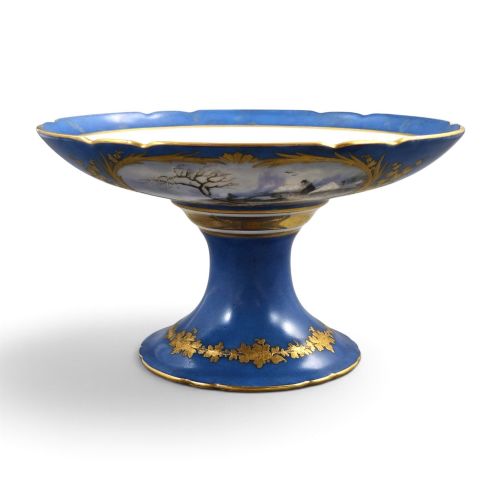
- Tazza
- An ornamental shallow bowl or plate mounted upon a central foot or pedestal. These elevated pieces served fruit or sweetmeats during formal nineteenth-century dessert courses.
- Imari
- A style of Japanese export porcelain characterised by a palette of underglaze blue, iron red, and abundant gold. European potteries frequently copied these distinctive radiating patterns throughout the nineteenth century.
- Drabware
- An unglazed or salt-glazed stoneware body exhibiting a subdued brownish-grey or olive tone. It enjoyed popularity for utilitarian items like cheese dishes and kitchenwares.
- Transfer printing
- A mechanical method of applying complex monochromatic designs to ceramics by pressing paper tissue from a copper engraving onto the biscuit ware. This innovation allowed factories to produce intricate pictorial scenes efficiently.
19th Century Ceramic Dish: Frequently Asked Questions
How were nineteenth-century dessert dishes used?
These dishes were deployed at the conclusion of formal dinners for serving fruits, sweetmeats, and delicate pastries.
They often formed part of large matching dessert services set out upon the dining table for guests to admire.
Can I use these antique dishes for daily dining?
Most pieces from this era feature delicate handpainted enamels and soft glazes susceptible to modern detergents and abrasive scrubbing.
Collectors generally reserve them for display cabinet use or gentle service on special occasions.
How do I identify a Regency period dish?
Regency items often display neoclassical motifs, refined blue and white transfer printing, or early bone china bodies produced around the first two decades of the nineteenth century.
Factory marks and pattern numbers stamped or painted underneath help confirm the manufacturing date.
What is the difference between porcelain and earthenware?
Porcelain is fired at much higher temperatures, resulting in a vitrified, non-porous body that is often translucent when held to the light.
Earthenware is opaque, slightly softer, and requires a complete glaze to remain impervious to liquids.