

White Ceramic Dish
When you search for a white ceramic dish, you find serving platters, chargers and decorative plates shaped by centuries of earthenware, porcelain and tin glaze traditions.
White Ceramic Dish
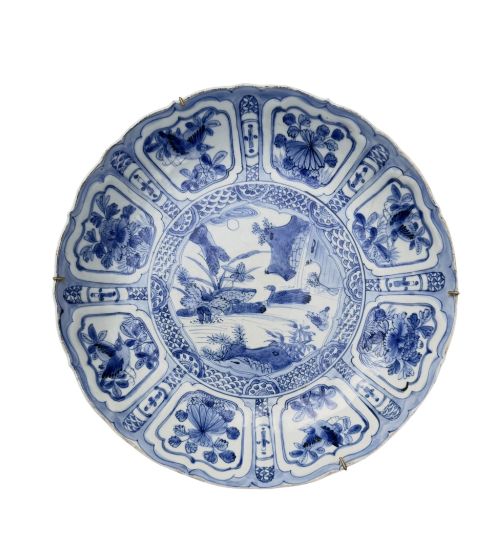
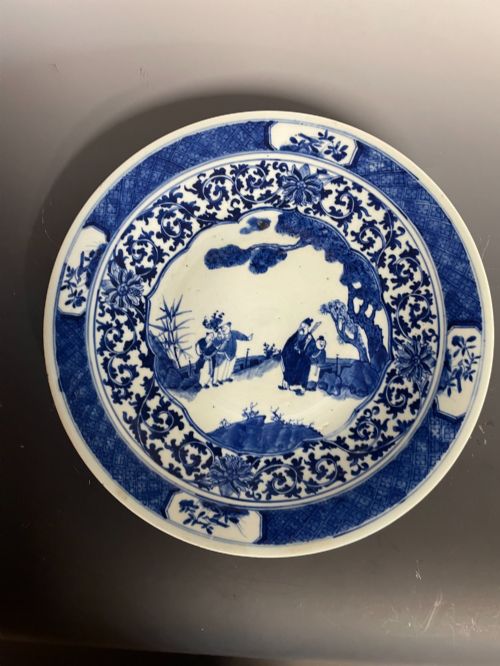
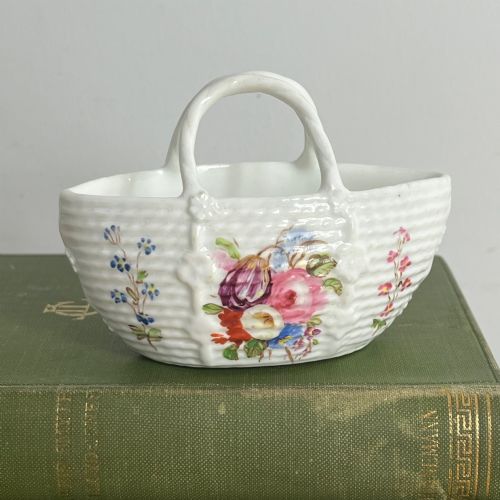
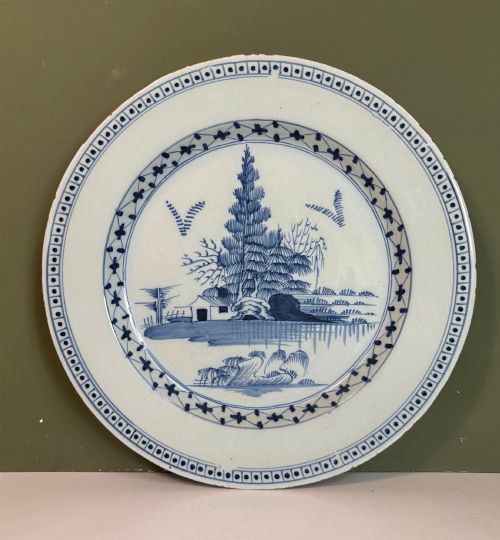
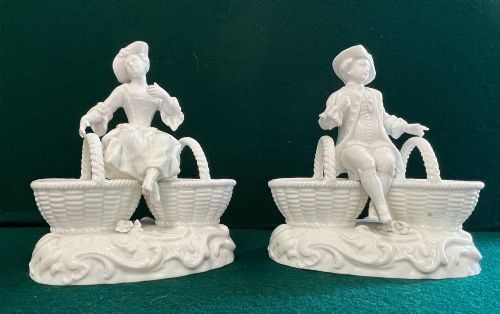
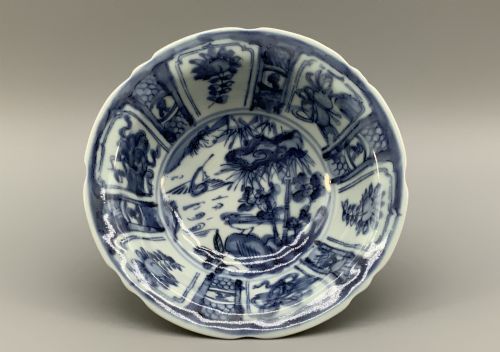
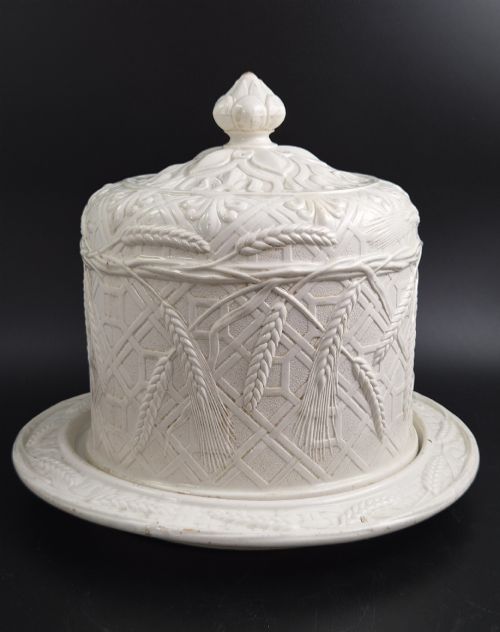
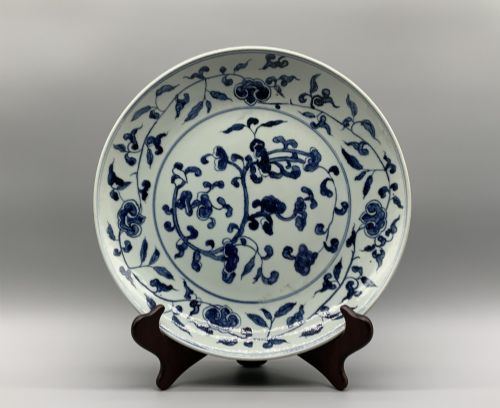
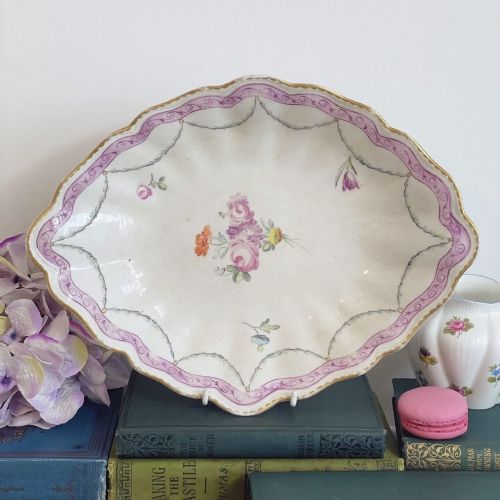
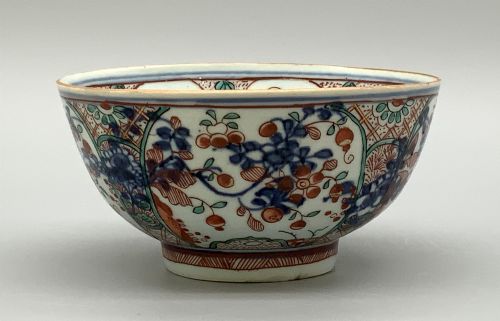
A white ceramic dish encompasses functional vessels and decorative forms ranging from eighteenth-century delft chargers to nineteenth-century ironstone cheese domes and porcelain plates. These pieces derive from diverse origins, including English factories, continental European kilns and Asian export traditions.
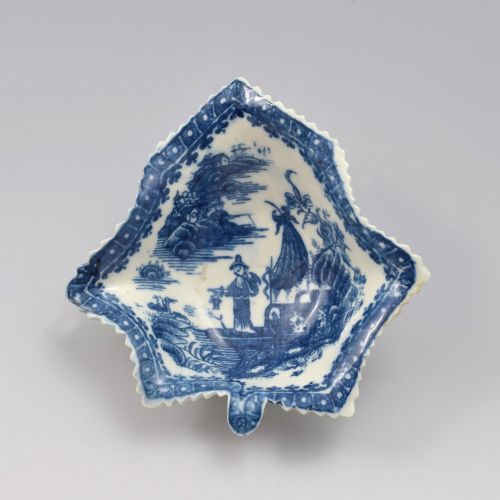
The domestic forms recorded on this page include serving platters, sauce tureens, dessert dishes, pickle dishes and large chargers. Buyers encounter domestic tablewares alongside purely ornamental plates designed for display.
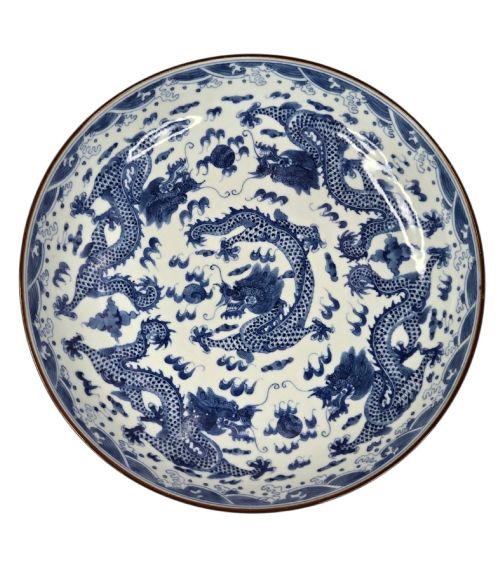
Domestic and decorative items span the Georgian, Victorian and Regency periods, alongside earlier seventeenth-century examples and Qing dynasty porcelain. Earthenware and soft-paste porcelain provide the physical substance of these historical forms.
Materials and technique
Potters shaped these items using earthenware, soft-paste porcelain, bone china and tin glaze. Cobalt pigment, enamel colours and gold leaf decorated the surfaces before final firing.
Techniques combine handpainted botanical motifs, transfer printing and moulded reliefs. Artisans applied tin glaze to obscure coarse earthenware bodies, while porcelain pieces display translucent bodies fired at high temperatures.
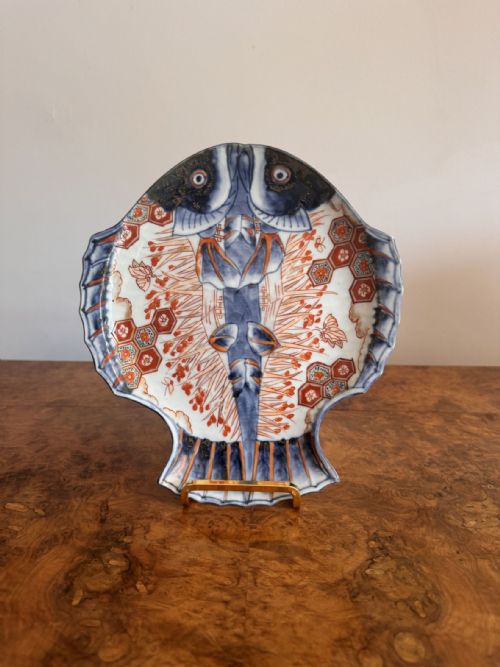
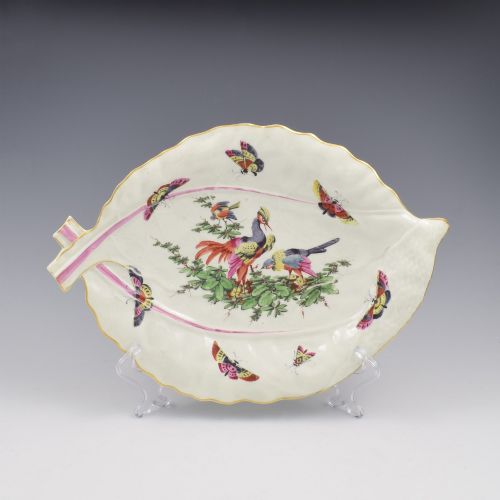
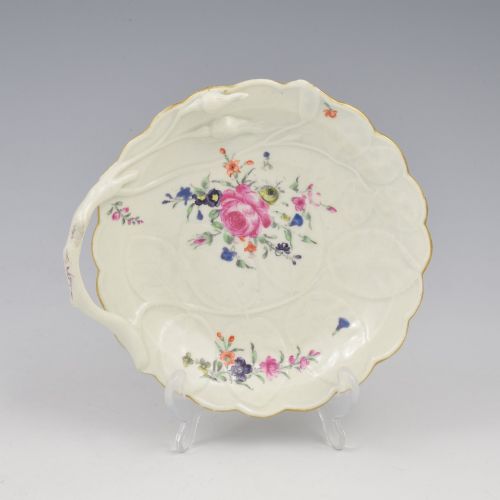
Potters shaped historical porcelain into botanical leaves and swimming fish to surprise diners as sauces were consumed.
What varies in quality
Quality rests upon the crispness of the moulded detail, the control of cobalt pigment during firing, and the precision of handpainted polychrome enamels. Superior examples display refined potting with thin, even walls and stable glazes.
Provenance and factory origin elevate certain items, particularly pieces carrying documented marks from early English porcelain works or Kangxi period kilns. The artistic ambition of the painting separates standard utility vessels from exceptional cabinet pieces.
Flight Barr And Barr·Meissen·Caughley·Dr Wall Worcester·Chelsea·Bow·Dresden·Davenport·KPM Berlin·Derby·Spode
The White Ceramic Dish Glossary
- Charger
- A large decorative plate or platter intended for ceremonial display or grand dining tables.
- Tin glaze
- An opaque white ceramic glaze containing tin oxide, used extensively on earthenware to provide a smooth ground for painted decoration.
- Soft-paste porcelain
- A ceramic composition made from white clay mixed with ground glass or frits, fired at lower temperatures than hard paste.
- Transferware
- Pottery decorated by applying a printed design from an engraved copper plate through tissue paper onto the ceramic surface.
- Ironstone
- A heavy, durable earthenware developed in the nineteenth century to imitate porcelain and withstand rigorous domestic use.
White Ceramic Dish: Frequently Asked Questions
What is the difference between earthenware and porcelain?
Earthenware is a porous, opaque pottery body fired at lower temperatures, whereas porcelain is a dense, vitrified material that is often translucent.
Porcelain requires higher firing temperatures and specific mineral ingredients like kaolin, resulting in a harder and less absorbent structure.
How do I care for antique ceramic dishes?
Wash historical ceramics by hand in warm water using mild soap, avoiding harsh scrubbing tools that can damage old glazes.
Keep delicate earthenware and soft-paste porcelain away from modern dishwashers and sudden temperature changes to prevent crazing or cracking.
Can I use these antique dishes for serving food?
Many historical plates and platters were created for dining purposes, but age, glaze stability and previous wear dictate daily suitability.
Earthenware with crazed surfaces or pieces with delicate overglaze enamels benefit from display rather than active service at the table.
How do I identify a tin glazed dish?
Tin glazed items show an opaque milky-white surface applied over a buff or pinkish earthenware body beneath.
Examining the unglazed foot rim often reveals the coarser underlying clay body characteristic of seventeenth and eighteenth-century delftware.