




19th Century Caucasian Carpet
These 19th century caucasian carpet pieces are tribal and village floor coverings offering geometric patterns and rich wool texture that anchor a room.
19th Century Caucasian Carpet
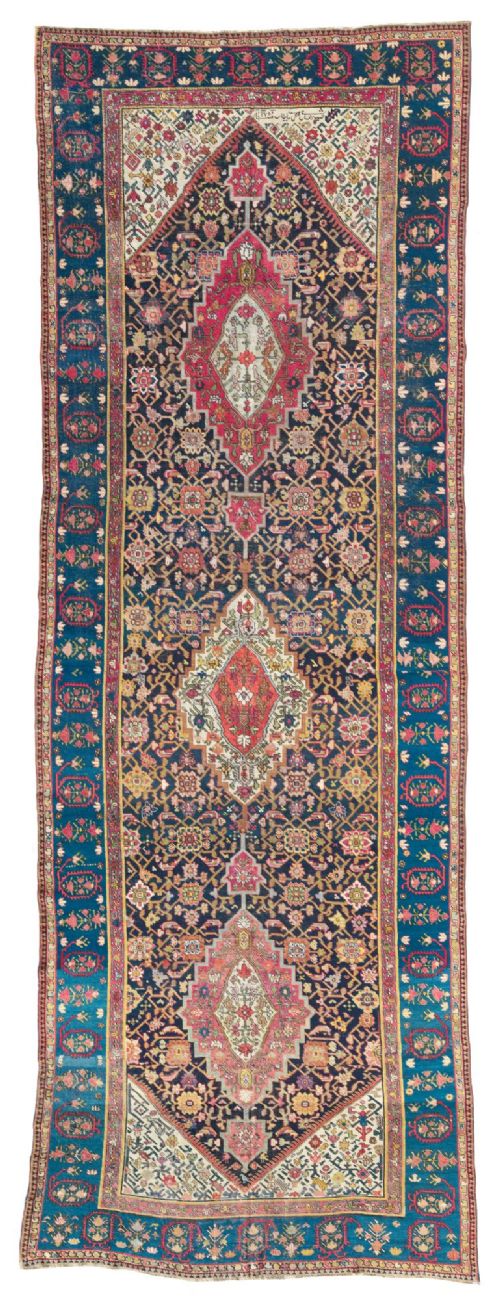
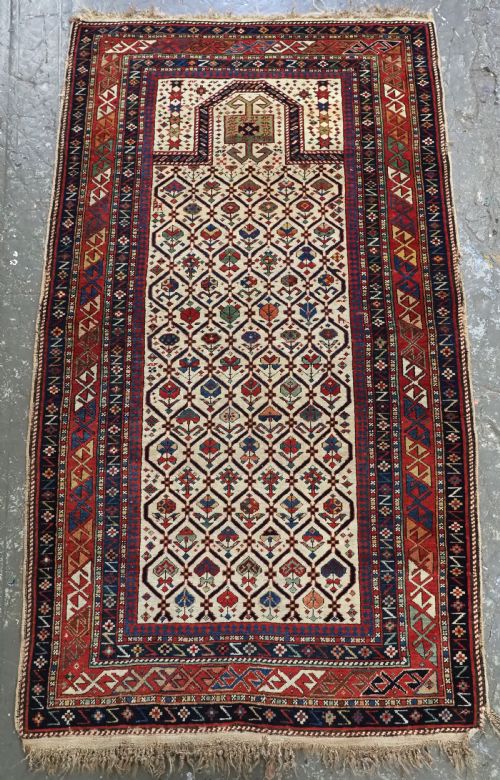
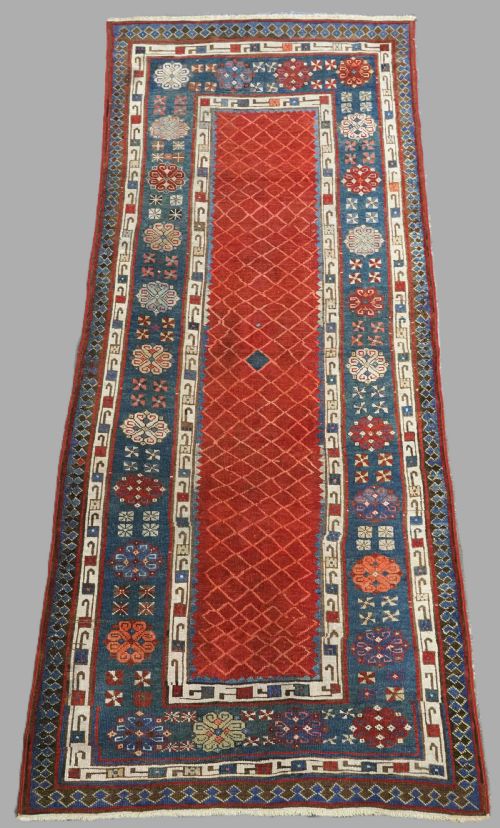
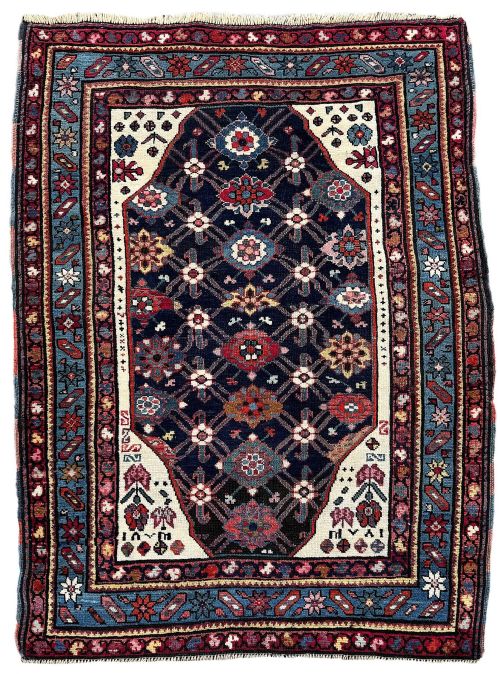
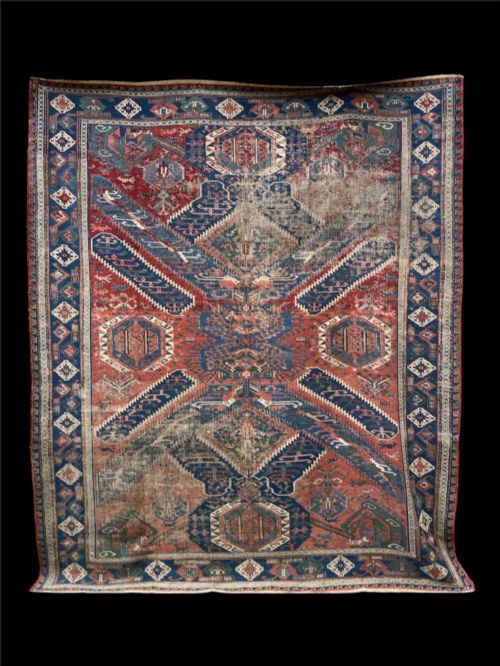
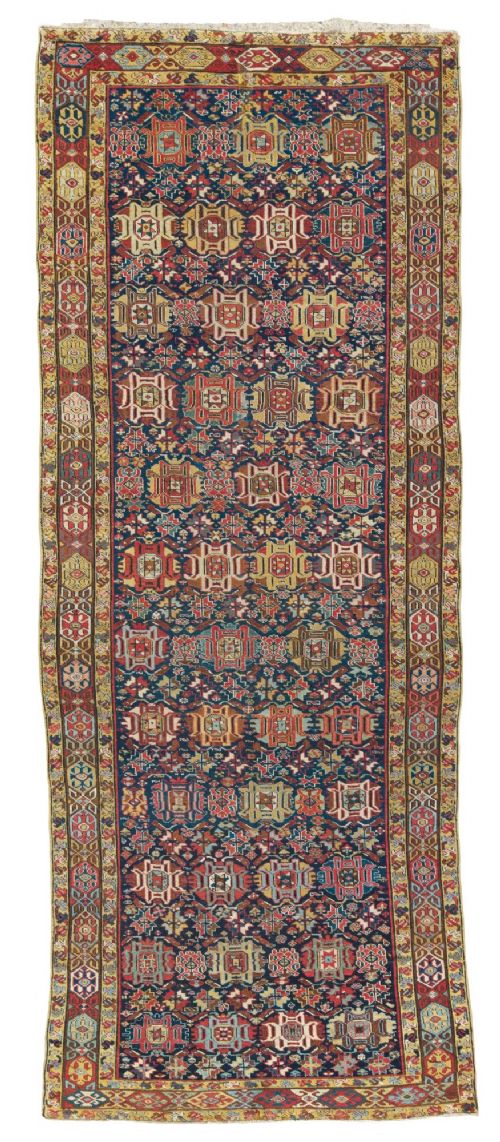
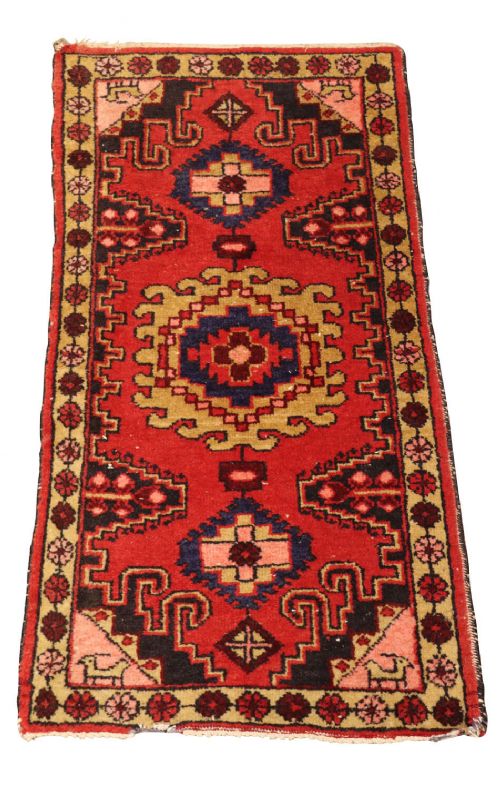
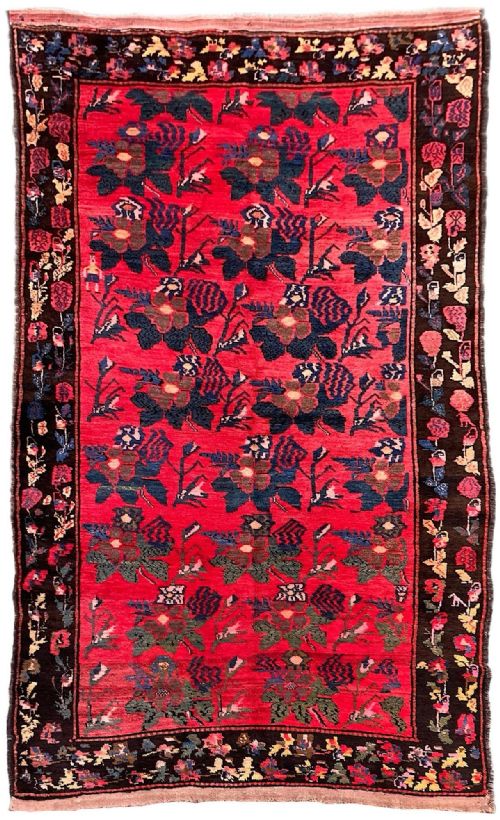
A 19th century caucasian carpet encompasses tribal and village rugs, long runners and prayer formats produced across the Caucasus region during the 1880s, 1890s and around 1900. These items include Gendje, Kazak, Karabagh, Dagestan, Derbent, Seichur, Soumac and Kuba types.
Buyers meet formats ranging from square rugs to long runners, featuring floral lattices, striped boteh motifs, elongated latch hook medallions, diagonal stripes, and star and lattice designs on ivory or darker grounds.
How they were made
These floor coverings are constructed from wool, employing traditional knotting and flatweaving techniques native to Caucasian workshops and nomadic weavers.
The materials yield varied handle and pile density, from the fine weave of Derbent examples to the flat-woven structure of Soumac pieces.
19th Century Caucasian Carpet Retail Price Guide 2026
Typical asking prices for 19th century caucasian carpet among the pieces listed under this phrase on Sellingantiques today, from the lower quarter to the upper quarter. They describe what is for sale here now, not the wider market.
Current listings feature wool materials across periods spanning from 1880 to 1900.
What varies in quality
Quality separates by the crispness of the geometric drawing, such as the precision of latch hook medallions and star lattices, alongside the fineness of the wool weave.
Visual appeal depends on colour balance, demonstrated in the soft palettes of Derbent rugs and the distinct contrast of striped boteh or diagonal stripe patterns.
The 19th Century Caucasian Carpet Glossary
- Kazak
- A designated style of Caucasian rug known for bold geometric medallions and latch hook motifs. These pieces display strong primary colours.
- Boteh
- A stylised almond or paisley shaped motif often arranged in rows or stripes. Karabagh examples frequently utilise this design.
- Soumac
- A flat-woven carpet technique creating a durable structure without a cut pile. These items provide a smoother surface texture.
- Prayer rug
- A small rug format featuring a mihrab or niche design used for devotions. Dagestan examples often follow this layout.
19th Century Caucasian Carpet: Frequently Asked Questions
What is a 19th century caucasian carpet?
It is a hand-knotted or flat-woven floor covering originating from the Caucasus region during the nineteenth century. These items showcase tribal designs such as geometric medallions and lattice patterns.
Weavers utilised local wool to produce durable rugs and runners in various village workshops and nomadic camps.
How do I identify different types?
Identification relies on observing specific design elements like latch hook medallions, star patterns, or striped boteh motifs. Regional names such as Kazak, Gendje and Karabagh reflect these distinct visual traditions.
Structure also aids recognition, as seen in the flat-woven build of Soumac pieces compared to piled rugs.
Where were they made?
They were produced across the Caucasus region, an area bridging Europe and Asia encompassing various distinct weaving towns and tribal groups. Specific origins include Derbent, Seichur and Dagestan.
Each locale developed recognisable colour palettes and pattern repertoires passed down through generations.
How do I live with one?
Placing these textiles on floors requires a suitable underlay to prevent slip and reduce friction against the wool pile. Regular gentle vacuuming without a beater bar helps maintain the surface.
Protecting the rug from prolonged direct sunlight preserves the natural dyes used in the nineteenth century.