

19th Century Cast Iron
19th century cast iron brings heavy utility and ornate Victorian foundry work together in garden benches, umbrella stands, and architectural doorstops.
19th Century Cast Iron
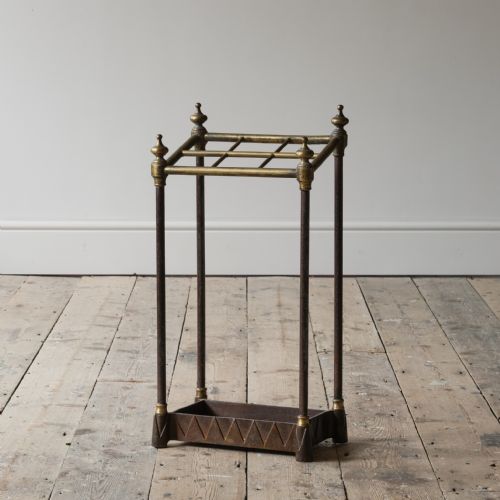
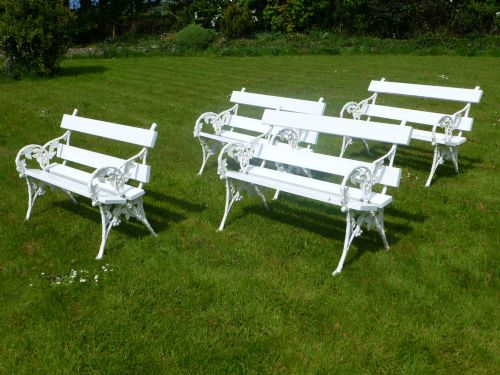
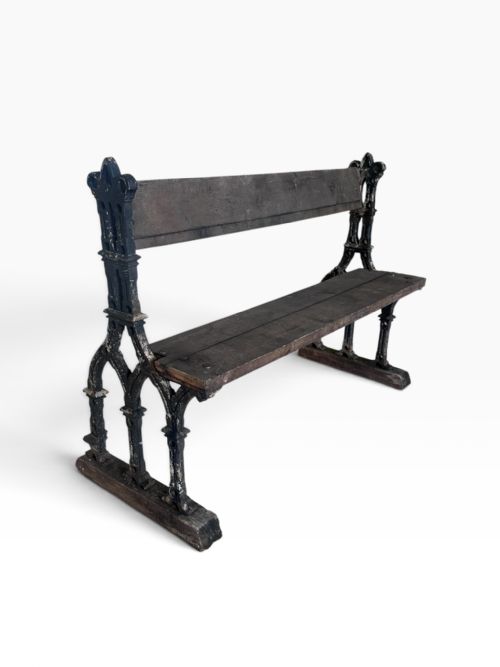
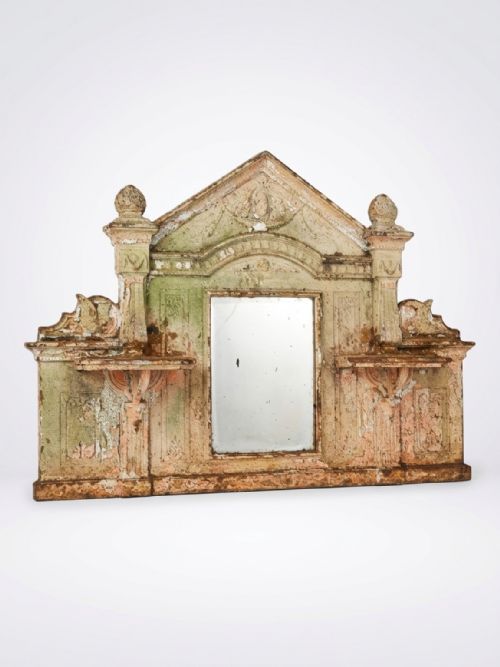
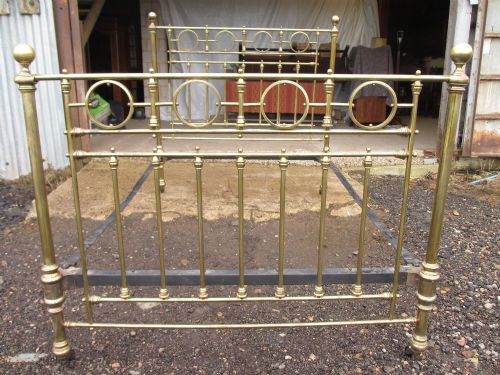
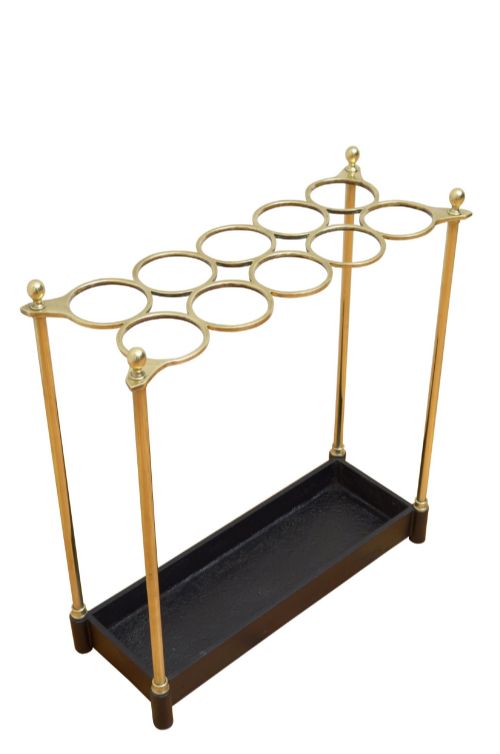
When searching for 19th century cast iron, buyers encounter practical domestic items and substantial garden furniture produced during the Victorian period. The selection on this page centres on utilitarian forms such as doorstops, umbrella stands, and boot scrapers alongside heavy outdoor seating.
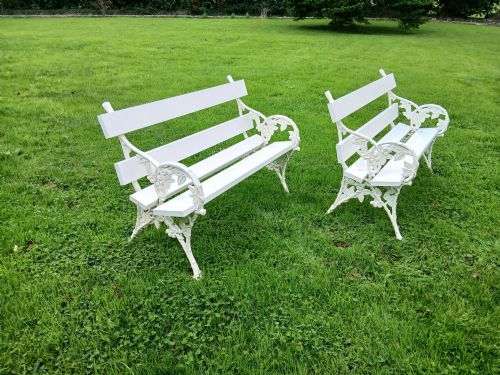
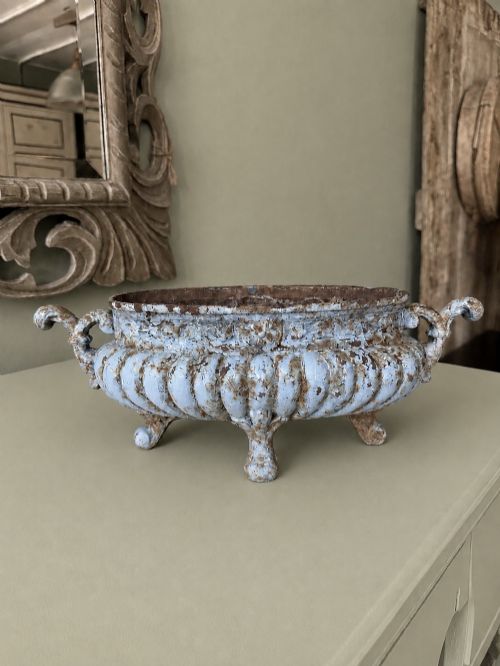
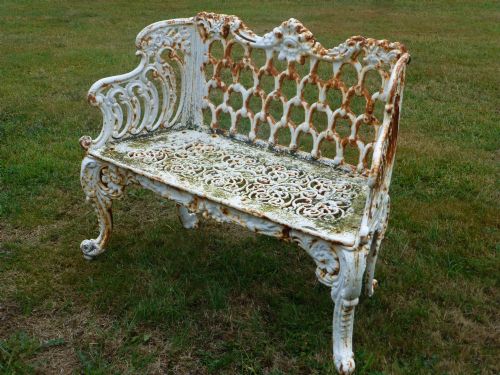
Foundry work from this era spans simple structural items and decorative items styled in Gothic, neoclassical, and rustic patterns. Garden benches and campana urns dominate the larger objects, often displaying botanical motifs like blackberry and leaf designs.
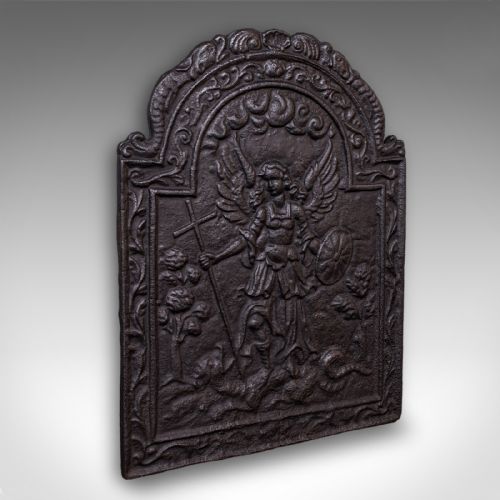
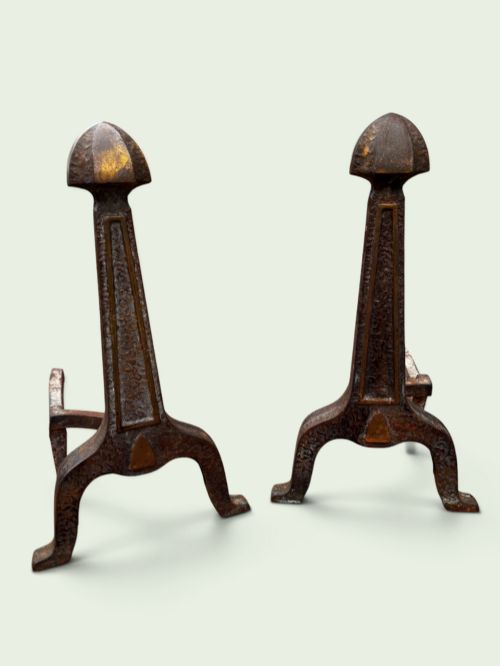
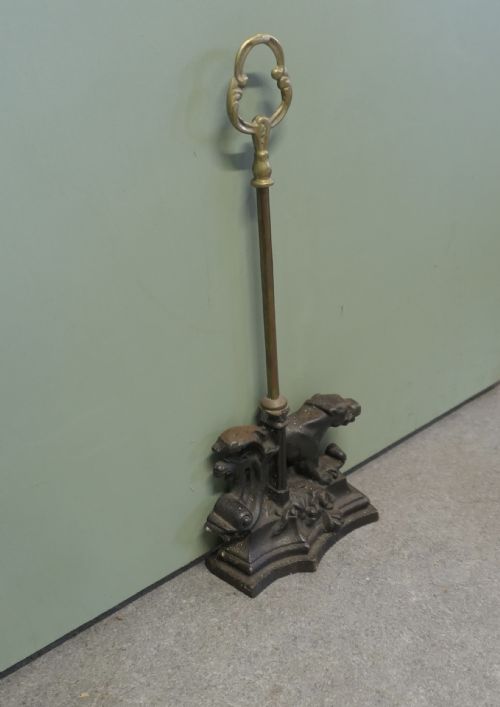
Smaller household accessories also appear frequently, including cast iron fire backs, andirons, and animal door stops shaped like dogs and lions. These domestic pieces reflect the broad industrial output of British and French foundries during the eighteen-eighties and nineties.
What varies in quality
Structural integrity depends on the thickness of the metal and the survival of original joining bolts without stress fractures from frost expansion. Heavier gauge castings on campana urns and garden benches command greater appreciation among collectors than thinner, later reproductions.
The presence of legible foundry stamps or historical registration marks adds archival interest and confirms the manufacturing period of the piece.
Cast iron pigs served as shop bells in Victorian butchers.
Falkirk Carron Foundry·Corneau Frères Charleville·James Bruce Glasgow·Andrew Handyside·Hayward Brothers·Kenrick & Sons
The 19th Century Cast Iron Glossary
- Campana urn
- A bell-shaped garden vessel mounted on a pedestal, frequently cast with classical foliage or fluted bodies. These heavy containers were designed to hold large plants on terraces and lawn edges.
- Fire back
- A heavy iron plate placed at the back of an open hearth to reflect heat into the room and protect the masonry wall. They often display heraldic emblems or biblical scenes cast in high relief.
- Door stop
- A portable heavy weight, often shaped like an animal or human figure, used to keep interior doors from swinging shut. Victorian examples frequently depict lions, dogs, or characters like Mr Punch.
- Foundry mark
- An embossed or raised name, initials, or symbol cast directly into the iron by the maker to identify the producing works. These stamps help trace pieces to specific industrial centres in Britain and France.
- Faux bois
- Imitation wood grain rendered in metal, stone, or concrete, popular in garden furniture during the Victorian rustic movement. Iron benches styled this way mimic gnarled branches and tree trunks.
19th Century Cast Iron: Frequently Asked Questions
How do I clean rust off a cast iron garden bench?
Remove loose scale and flaking paint with a wire brush, taking care not to gouge the original metal surface beneath. Apply a suitable metal primer and finish with exterior paint to protect the piece from further moisture damage.
Avoid harsh chemical dips that strip away historical patination and weaken the remaining metal structure. Regular gentle brushing and oiling keep outdoor pieces stable through winter weather.
Can heavy cast iron urns stay outside in winter?
These robust garden vessels tolerate cold temperatures well, provided trapped water inside does not freeze and crack the metal walls. Ensure drainage holes remain unblocked so moisture can escape freely during heavy rain and snow.
Placing small stones at the base of the urn improves drainage and prevents soil from freezing into a solid, expanding block against the cast iron.
How do I identify a Coalbrookdale casting?
Look for crisp botanical detailing and registration numbers or specific foundry stamps located on the underside or reverse of the object. Coalbrookdale pieces often feature ferns, ivy, and complex geometric tracery associated with their nineteenth-century pattern books.
Compare the casting weight and sharpness against known catalogue examples to confirm the factory origin.
Are these old doorstops heavy enough for daily use?
Nineteenth-century door stops were cast from dense iron specifically to hold open heavy interior doors in period homes. Their substantial weight makes them entirely practical for daily service in modern hallways.
Place them gently against skirting boards to avoid chipping painted finishes or damaging delicate flooring surfaces.