


Antique Coin Bank
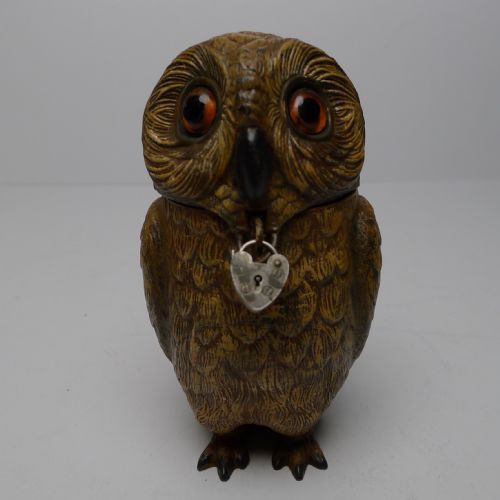
An antique coin bank gathers small savings in cast iron, earthenware, and painted spelter.
Antique Coin Bank
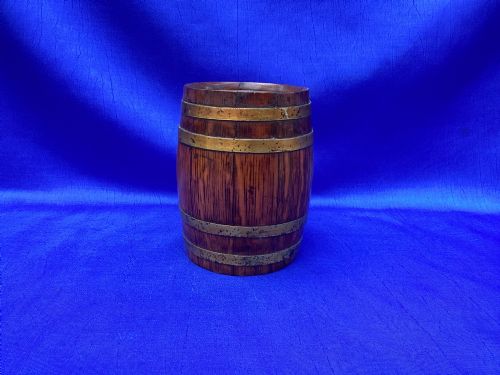
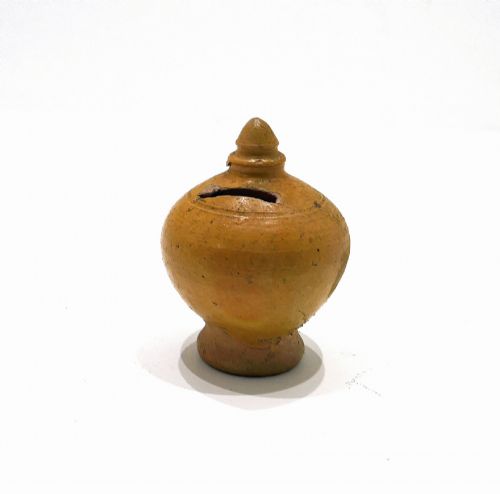
An antique coin bank serves to store spare currency securely within domestic spaces. Buyers searching for an antique coin bank encounter functional metal, ceramic, and carved wooden receptacles dating from the nineteenth and early twentieth centuries. These objects take familiar forms such as mechanical banks, barrels, puzzle books, and pottery figures.
The selection ranges from Victorian cast iron designs to English country folk art and earthenware pottery. Most examples originate from the Victorian and Edwardian eras, reflecting both British and international workshop traditions. Forms span from simple earthenware money boxes to elaborate mechanical figures designed to animate the act of saving.
Materials and construction
Cast iron and spelter provide the rigid structure for mechanical and figural banks, often finished with applied paint surfaces. Earthenware examples such as Verwood pottery utilise traditional local clays shaped and fired in regional kilns. Woodworkers employ mahogany, oak, and carved hardwoods for miniature chests, barrels, and puzzle boxes.
Metal components often incorporate brass hardware such as drop handles and slot surrounds to secure the opening mechanisms. Painted details finish many of the cast iron and spelter models, while ceramic versions rely on lead glazes and hand-applied colours. Joinery in the wooden cabinets and boxes involves period dovetailing and turned elements.
An amusing carved hardwood miser waits patiently to swallow your spare shillings.
Assessing quality and character
The standard of an antique coin bank depends on the crispness of the casting in iron pieces and the skill of the modeller in ceramic examples. Finer specimens retain their original painted surfaces and working mechanical parts without later replacement components. The quality of timber selection and the precision of the joinery elevate pieces like mahogany banks of drawers and puzzle boxes.
Artistic execution distinguishes standard utilitarian containers from folk art carvings and marked pottery productions. The survival of functional locks, keys, and internal mechanisms preserves the original utility of the object. Patina built up through handling indicates age and genuine domestic use over generations.
John Harper Co.
The Antique Coin Bank Glossary
- Spelter
- A zinc alloy used as a cheaper substitute for bronze in decorative figures and money boxes. It takes paint readily and provides a substantial weight.
- Verwood pottery
- Earthenware produced in the Verwood district of Dorset, known for traditional rural pottery traditions. These utilitarian wares often featured lead glazes.
- Mechanical bank
- A coin bank with moving parts that operate when a lever is pressed or a coin is inserted. Victorian iron founders produced many elaborate variations.
- Folk art
- Utilitarian and decorative objects made by self-taught or local artisans outside academic traditions. These pieces reflect regional materials and vernacular designs.
Antique Coin Bank: Frequently Asked Questions
How do mechanical coin banks work?
Mechanical coin banks operate through internal springs, levers, and gravity when a user places a coin into position. Pressing a lever or inserting the currency triggers figures to move, deposit the coin, and reset for the next savings.
These mechanisms were cast in iron and required precise alignment during manufacture to function smoothly. Owners interacted with them regularly, which explains why many surviving examples show wear to their moving parts.
What materials were used for early banks?
Early banks utilised cast iron, tin metal, earthenware, and various hardwoods such as mahogany and oak. Makers selected materials based on durability and the intended complexity of the design.
Ceramic versions relied on regional clays and local pottery traditions, while metal versions required foundry casting. Wooden examples depended on the joinery skills of cabinet makers and folk carvers.
Where were these coin boxes kept?
These coin boxes sat on mantelpieces, sideboards, and desks in Victorian and Edwardian domestic interiors. They functioned as both decorative household objects and practical receptacles for small savings.
Children and adults alike utilised them to accumulate coins over time before accessing the contents. Their presence in the home combined utility with amusing or decorative figural forms.
How do I care for wooden and metal banks?
Preserving these objects involves keeping them away from direct sunlight, damp environments, and extreme temperature fluctuations. Wooden surfaces benefit from occasional application of suitable wax, while metal and painted surfaces require dry dusting.
Harsh chemical cleaners should be avoided to protect original paintwork, patination, and delicate mechanical components. Gentle handling ensures that moving parts and hinges remain undamaged.