

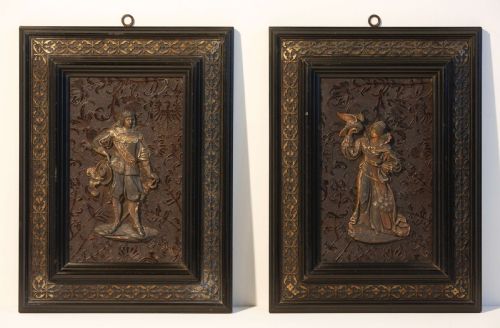


Victorian Metal Wall Art
Victorian metal wall art brings warmth and character to a room through cast and hammered pieces.
Victorian Metal Wall Art
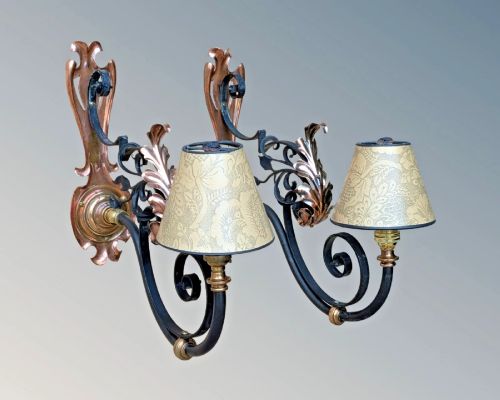
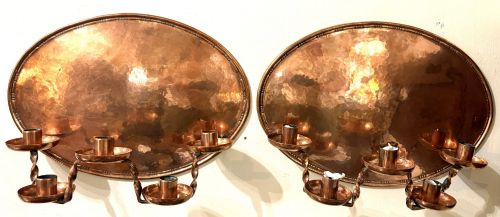
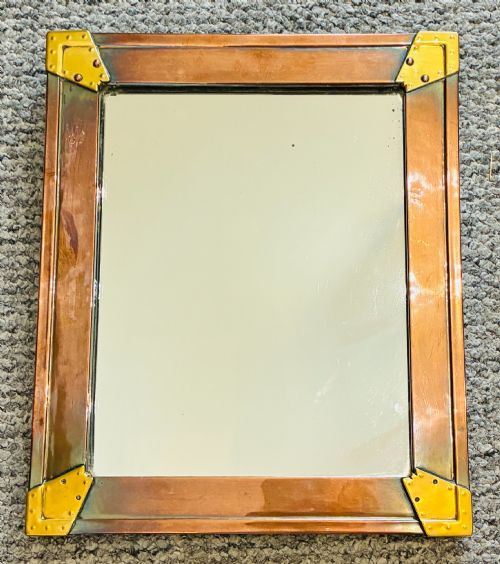
Victorian metal wall art spans a diverse array of decorative objects designed to hang upon interior and exterior surfaces, drawing from nineteenth-century aesthetics. These pieces include wall plaques, sconces, mirrors, chargers, and relief panels created to enhance domestic spaces with metallic texture and historic design.
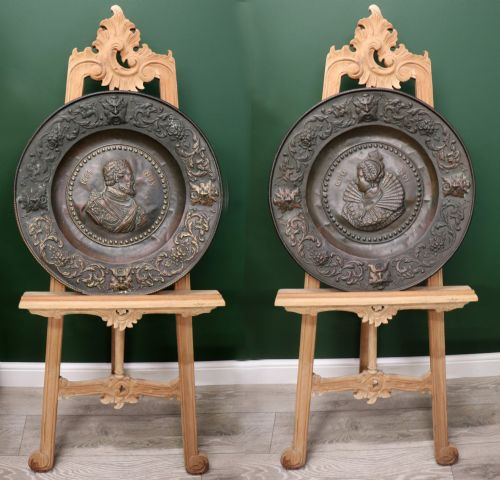
The objects most frequently met on this page range from Arts and Crafts copper work and hammered brass trays to heavy cast iron architectural panels and bronze portrait plaques. They reflect the varied revival styles of the period, incorporating Gothic, Baroque, and classical motifs into everyday household decoration.
How they were made
Makers utilised metals such as copper, brass, bronze, iron, and white metal, often combining them with wood or glass elements to create depth and contrast. Techniques ranged from delicate hand-hammering and repoussé work on trays and sconces to robust casting for heavy iron architectural panels and portrait plaques.
Surface finish played an essential role in the production process, with artisans employing bronzing, gilding, and silvering to accentuate the relief details of figures and motifs. These methods ensured that utilitarian metals gained decorative prominence through skilled manipulation by nineteenth-century craftsmen.
Listings feature works from the nineteenth century alongside Edwardian pieces, utilising materials including copper, brass, bronze, wrought iron, and glass.
What varies in quality
The distinction between ordinary production and superior work lies in the crispness of the casting or the depth and precision of the hand-hammered relief. Masterful handling of copper and brass demonstrates deliberate control over texture and form, whereas lesser examples show softer contours and perfunctory finishing.
Quality also rests on the integrity of the design and the preservation of original surface treatments such as gilding or bronzing. Pieces that retain their intended patination and structural cohesion stand apart from those altered or degraded over time.
The Victorian Metal Wall Art Glossary
- Repoussé
- A metalworking technique where the artisan hammers metal from the reverse side to create a raised design in relief on the front. This method was widely used in Arts and Crafts copper and brass wall chargers.
- Wall Charger
- A large decorative plate intended for display on a wall rather than for dining use. These items often feature portraits, animal motifs, or historic scenes.
- Wall Sconce
- A light fixture fixed to a wall that uses candles or bulbs to illuminate a room. Antique metal examples frequently incorporate reflective brass or copper backplates.
- Relief Plaque
- A flat panel where the sculpted elements project from a background plane. Nineteenth-century versions often portray historical figures, literary characters, or classical scenes in bronze or cast iron.
Victorian Metal Wall Art: Frequently Asked Questions
How do I hang heavy iron panels?
Heavy cast iron architectural panels require secure fixings anchored directly into wall studs or masonry using appropriate load-bearing brackets. Weight distribution must be calculated carefully before mounting to ensure stability.
Consulting a professional installer is recommended for monumental pieces to prevent structural damage to the wall and to guarantee safety.
How should I clean antique copper?
Antique copper generally benefits from minimal intervention to preserve its historic patination and surface character. Dusting with a soft, dry cloth is usually sufficient for regular maintenance.
Avoid harsh chemical polishes that strip away age-related coloration and reduce the aesthetic value of hammered or repoussé surfaces.
Were these pieces meant for outdoors?
Most interior metal wall art such as brass trays, mirrors, and delicate sconces was designed strictly for indoor domestic display. Items like weather vanes and certain cast iron panels were created for exterior exposure.
Checking the original context of the object helps determine its suitability for garden or patio placement today.
How do I spot Arts and Crafts style?
Arts and Crafts metalwork typically displays visible hand-working marks, such as hammer blows on copper and brass surfaces. The designs favour natural motifs, stylized animals, and honest construction over mass-produced uniformity.
Look for thoughtful integration of materials and simple, robust forms characteristic of late nineteenth and early twentieth-century workshops.