


19th Century Carved Treen
These small wooden domestic objects gather the working hands and parlour habits of the Victorian era into carved fruitwood, sycamore and boxwood.
19th Century Carved Treen
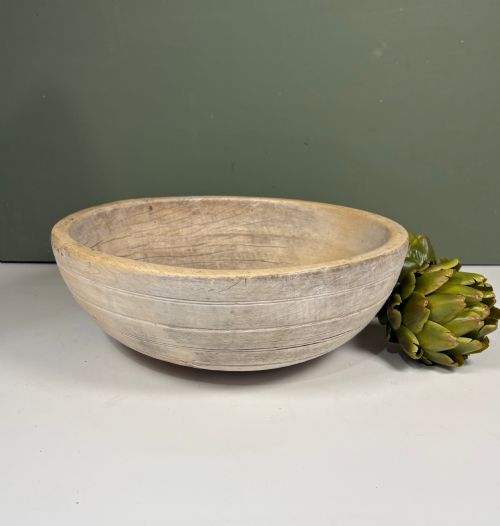
19th century carved treen encompasses small household utensils, pocket containers and folk art items shaped from timber by hand or simple lathe work. These objects served everyday domestic functions in dairy, kitchen and parlour before mass production standardised household goods.
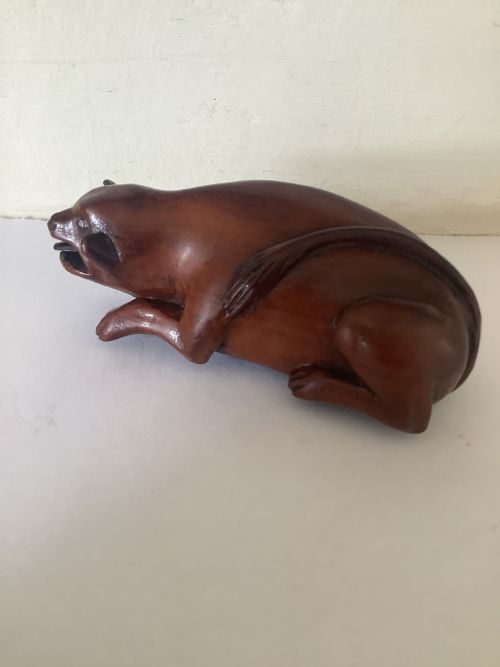
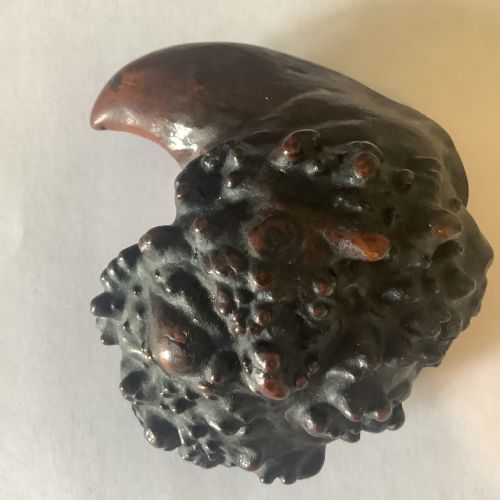
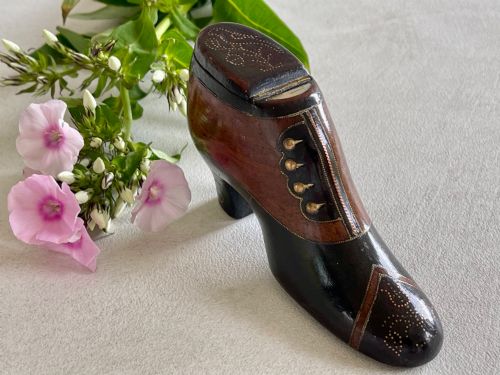
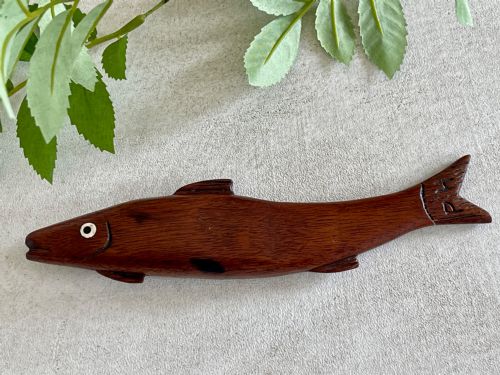
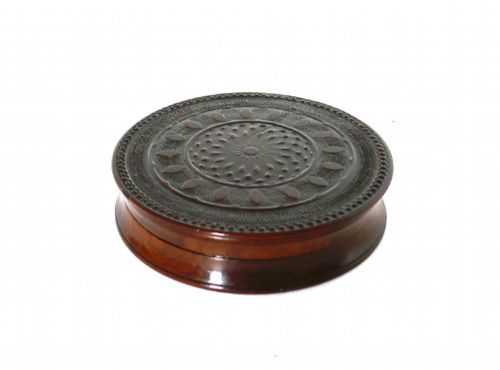
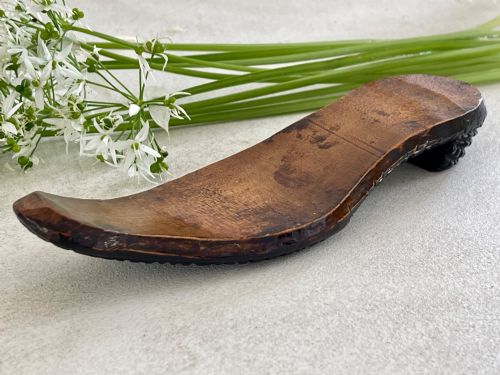
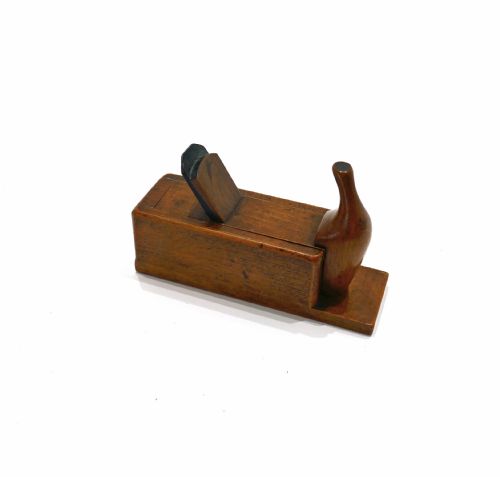
The items most frequently met on this page include pocket snuff boxes shaped as shoes, animals or planes, alongside regional knitting sheaths and dairy utensils like butter prints and scoops. Pieces often display vernacular regional traits, particularly from Welsh, Cumbrian and Scottish makers working in local timbers.
While the broad category spans the Victorian period and earlier Georgian survivals, the core of the selection centres on nineteenth-century domestic woodenware. Collectors encounter utilitarian forms alongside decorative items carved with chip carving, punchwork or bone inlay.
Materials and construction methods
Wood selection dictated the utility and finish of each piece, with dense hardwoods like fruitwood, sycamore, laburnum, lignum vitae and boxwood chosen for their stability and fine grain. Makers also utilised native timbers such as oak, beech, walnut and mahogany according to regional availability and the intended function of the object.
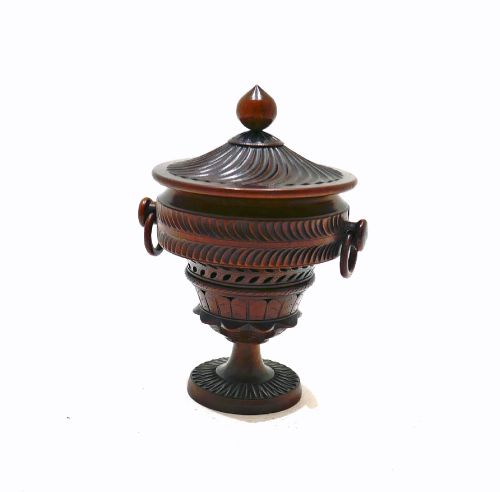
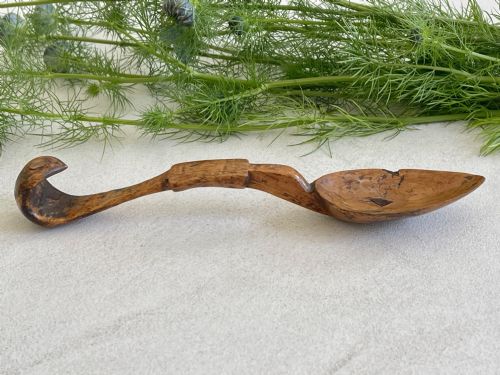
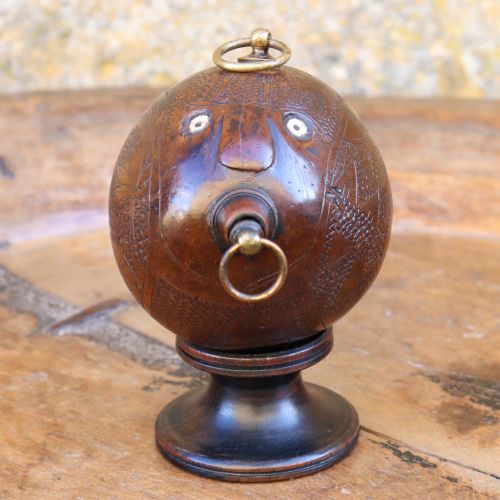
Working methods combined lathe turning for cylindrical forms like goblets, cups and candlesticks with hand carving for figural snuff boxes, lovespoons and knitting sheaths. Surface decoration frequently employed punchwork, incised lines, chip carving and bone or metal inlay to embellish plain wooden surfaces.
Recorded forms include knitting sheaths, butter prints, treen cups, Welsh lovespoons and novelty snuff boxes.
Distinctions in quality and execution
Quality in these wooden objects rests upon the precision of the carving and the proportional balance of the form, distinguishing confident regional craft from repetitive workshop output. Crisp execution of punchwork, inlay and incised details preserves the integrity of the design over decades of handling.
Wear contributes to character, but distinction lies in whether handling has softened crisp carving or obscured the original intention of the maker. Patina developed through regular use enhances the grain of fruitwood and sycamore, provided the surface retains its original texture without modern intervention.
The 19th Century Carved Treen Glossary
- Treen
- Small handmade wooden domestic objects. The term derives from the old English word for tree.
- Knitting sheath
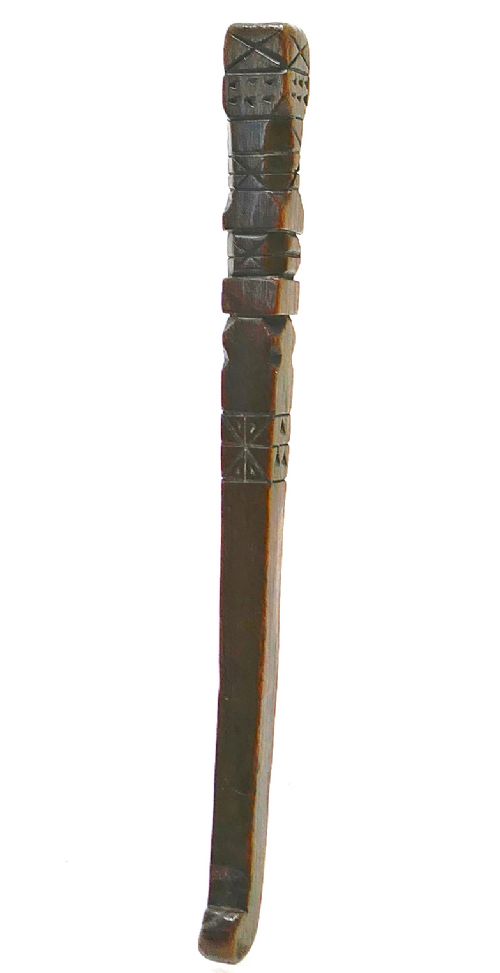
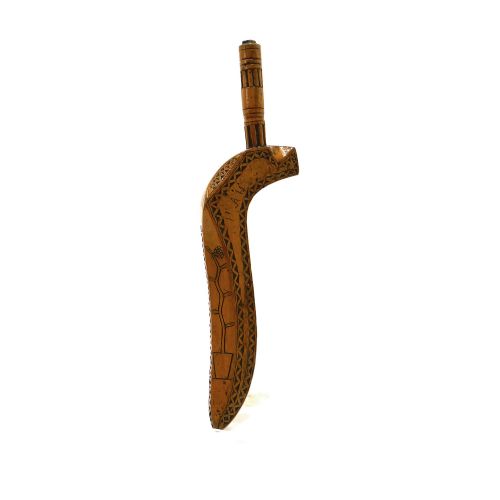
- A carved wooden holder tucked into a belt or apron string to support a single knitting needle. These pieces often display regional carving styles.
- Lovespoon
- A decorative wooden spoon traditionally carved as a token of affection. Welsh examples frequently feature intricate cut-out links, hearts and geometric patterns.
- Snuff box
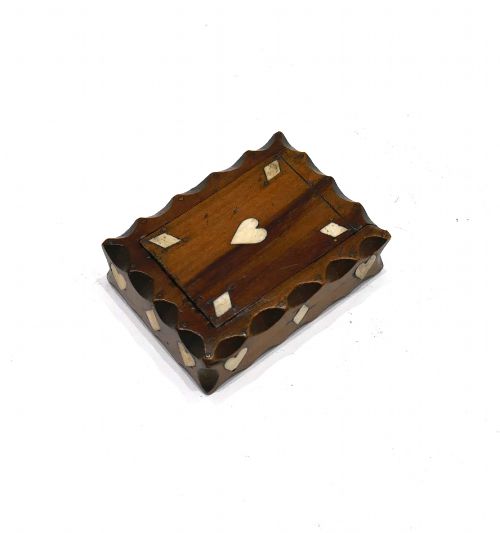
- A small lidded container designed for pocket storage of powdered tobacco. Nineteenth-century versions commonly take whimsical forms such as shoes, animals or everyday objects.
- Butter print
- A carved wooden stamp used to impress patterns onto pats of butter. Designs often incorporate agricultural motifs like wheat ears and acorns.
- Laburnum
- A dense hardwood with contrasting dark heartwood and pale sapwood. Makers utilised this timber for decorative turned boxes and small treen.
19th Century Carved Treen: Frequently Asked Questions
How were knitting sheaths used?
Knitters tucked the narrow end of the sheath into their waistband or apron string to anchor one needle steady while working with the other hand. This method allowed for faster, braced knitting during long hours of domestic labour.
Most surviving examples show personal modifications or initials, reflecting the individual nature of these utilitarian tools carved by family members or local craftspeople.
What is treen?
Treen refers to small, functional wooden objects made for domestic use before the widespread adoption of factory-produced metal and plastic goods. The category includes everything from kitchen scoops and butter moulds to pocket snuff boxes and candlesticks.
Collectors prize these items for their tactile qualities, honest construction, and the way daily handling develops a deep surface patina over generations.
How do you date 19th-century treen?
Dating relies on stylistic clues, tool marks, timber choice, and occasionally inscribed dates or commemorative events carved into the surface. Changes in pocket fashions and domestic habits also help narrow the window of production.
Objects made from native fruitwoods and sycamore often display vernacular characteristics tied to specific regions like Wales or Cumbria during the Victorian decades.
Why do some pieces have inlaid decoration?
Inlay work using bone, horn or contrasting woods added visual distinction to plain utilitarian items like snuff boxes and dairy equipment. Makers used simple geometric shapes, hearts and diamond motifs to personalize otherwise standard utilitarian forms.
This embellishment transforms an ordinary pocket container or kitchen tool into a cherished keepsake or courtship gift.