
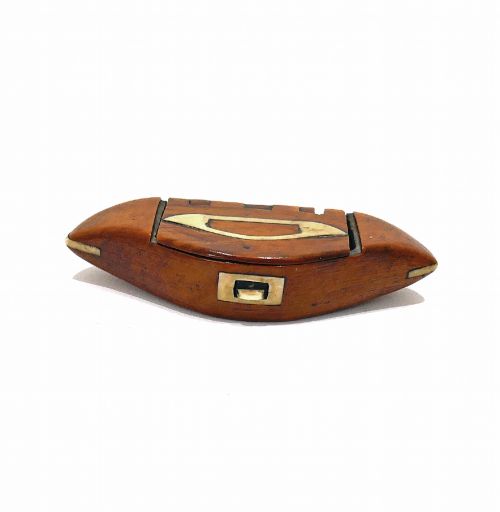


Carved Bone Inlaid Box
A carved bone inlaid box brings together intricate organic detail and dark wood, offering a tactile piece of historic craftsmanship that suits any mantelpiece or desk.
Carved Bone Inlaid Box
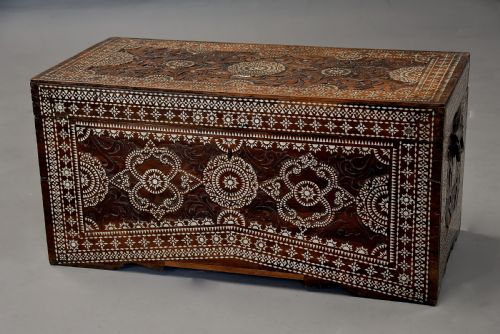
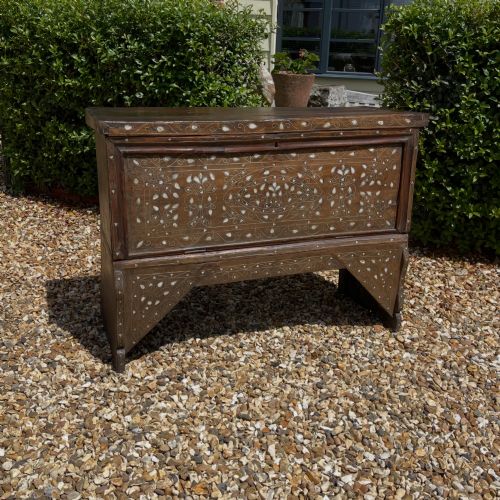
When you search for a carved bone inlaid box, you encounter a variety of receptacles designed for personal storage, ranging from small snuff boxes to large trunks and coffers. The examples on this page span the nineteenth century and the early twentieth century, encompassing distinct regional traditions such as Anglo-Indian and Syrian craftsmanship.
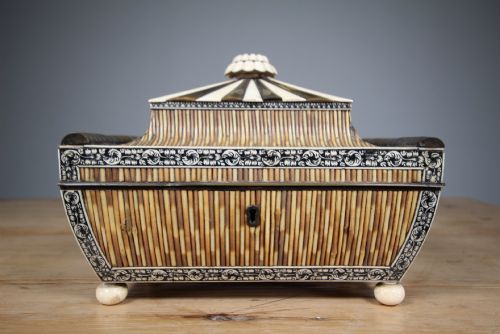
The forms vary considerably according to their original purpose, including stationery boxes, writing slopes, sewing boxes, and sarcophagus-shaped containers. Many pieces incorporate geometric or figurative motifs, utilising bone, ivory, antler, or mother-of-pearl to contrast against grounds of ebony, sandalwood, fruitwood, and rosewood.
Materials and construction
Makers constructed these boxes using a foundation of dense hardwoods such as ebony, sandalwood, fruitwood, rosewood, and general hardwood. Surfaces were then channelled to receive delicate sections of bone, horn, antler, or porcupine quill, secured meticulously to form intricate patterns.
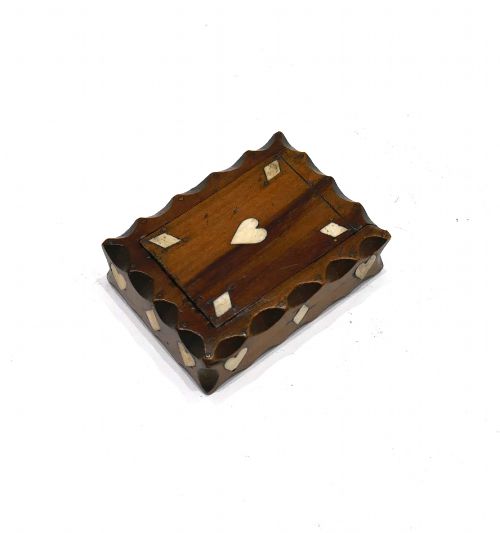
Specialised techniques like Sadeli work appear in Anglo-Indian pieces, creating complex micro-mosaic designs from various materials. Other items employ simpler treen construction, featuring inlaid bone hearts, diamond shapes, or mother-of-pearl panels set flush into turned or carved wooden bodies.
Among the more imaginative survivals are nineteenth-century treen snuff boxes carved directly into the miniature form of ladies' feet wearing open-toed shoes.
Assessing quality
Quality rests upon the precision of the inlay work and the complexity of the carved decorative motifs across the wooden body. Finer examples display tightly fitted geometric patterns and secure placement of delicate bone, quill, or horn elements without significant gaps.
The choice of primary wood and secondary contrasting materials also dictates the standing of a piece, with dense exotic timbers like sandalwood and ebony often housing superior interior fittings, compartments, and writing slopes.
The Carved Bone Inlaid Box Glossary
- Treen
- Small handmade wooden objects for domestic use. These items showcase traditional woodturning and carving skills from past centuries.
- Sadeli work
- A complex form of micro-mosaic craft originating in India. Tiny geometric segments of various materials are bound together and sliced to create decorative bands.
- Sarcophagus
- A box shape featuring a sloping or domed lid reminiscent of an ancient stone coffin. This profile was particularly popular for Regency and Victorian sewing and tea containers.
- Vizagapatam
- A coastal city in India renowned for luxury export boxes. Items from this tradition frequently combine sandalwood or rosewood with elaborate bone and ivory ornamentation.
Carved Bone Inlaid Box: Frequently Asked Questions
What were these boxes used for?
These receptacles served various practical domestic functions depending on their scale and internal fittings. Smaller examples functioned as pocket containers for tobacco or snuff, while larger formats organised writing equipment, sewing implements, or stationery.
Trunks and coffers provided secure storage for precious textiles or personal documents. Their decorative exteriors ensured they remained on display in the principal rooms of a Victorian or Regency home rather than hidden away.
How do I date a carved bone inlaid box?
Dating relies on combining stylistic evidence with the primary wood and regional construction methods. Regency and Victorian examples often feature sarcophagus silhouettes and specific floral or geometric bone motifs.
Later nineteenth-century and early twentieth-century pieces can introduce broader stylistic mixes, such as Middle Eastern trunk forms or specific Edwardian porcupine quill work. Examining the interior paper linings, hinges, and locks also helps establish a reliable timeframe.
How do I care for inlaid wood?
Organic inlays and historic hardwoods require stable environmental conditions away from direct sunlight and sudden temperature shifts. Excessive heat or dryness can cause the wood to shrink and loosen the bone or horn elements.
Maintenance should be limited to gentle dusting with a dry, soft cloth. Avoid modern liquid polishes or moisture, which can penetrate porous bone sections and degrade historical adhesives.
What is Anglo-Indian work?
Anglo-Indian refers to decorative items produced in India during the period of British rule, often specifically for the European export market. These objects combined traditional Indian carving techniques with European furniture forms like writing slopes and sewing boxes.
The resulting pieces utilised local materials such as sandalwood, porcupine quill, and horn, augmented by intricate bone or ivory inlay.