

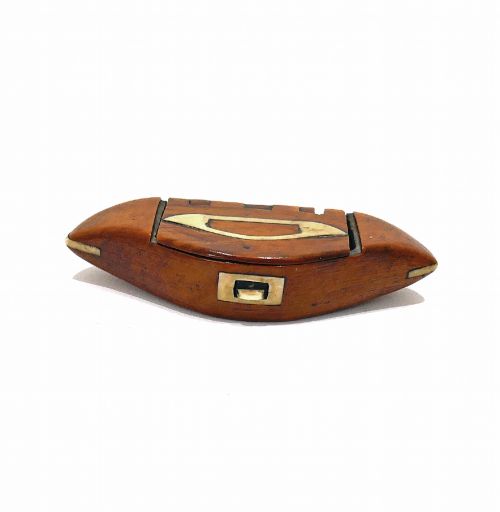


Bone Inlay Wooden Box
A bone inlay wooden box brings tactile intricacy to a room, offering small-scale storage crafted across global traditions from Regency to the twentieth century.
Bone Inlay Wooden Box
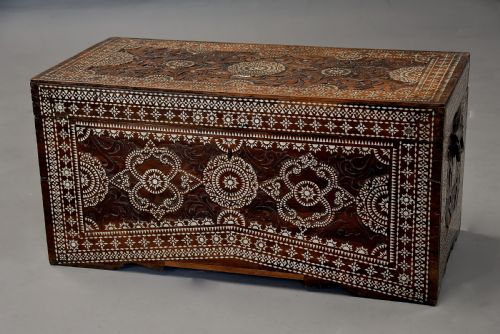
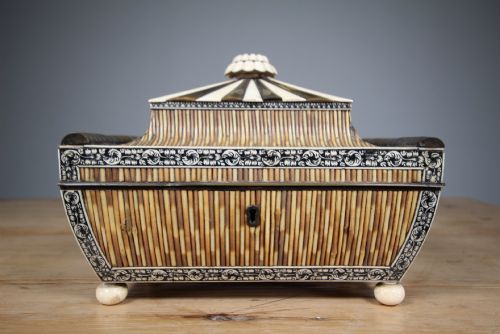
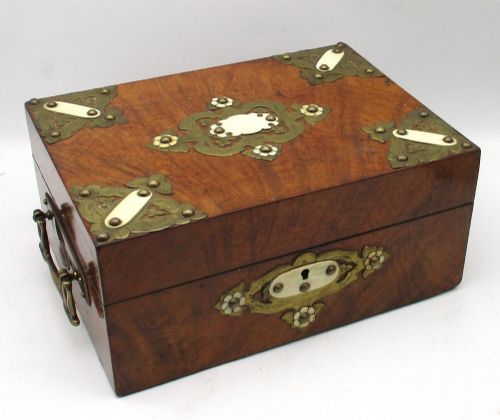
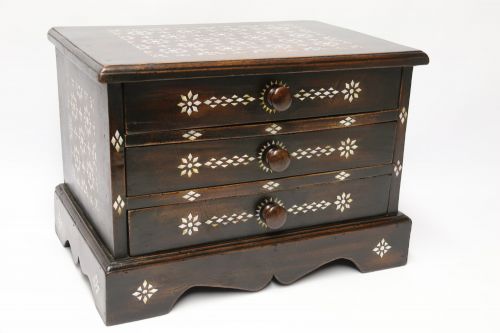
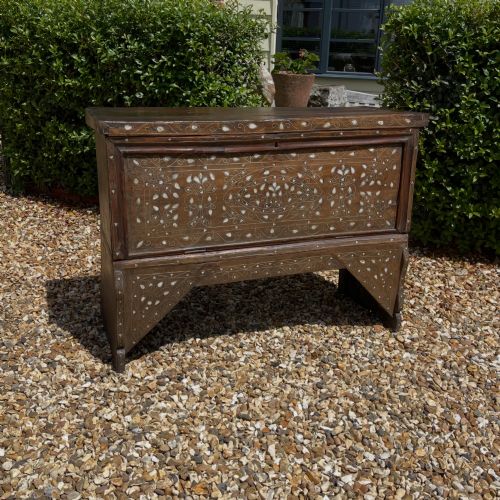
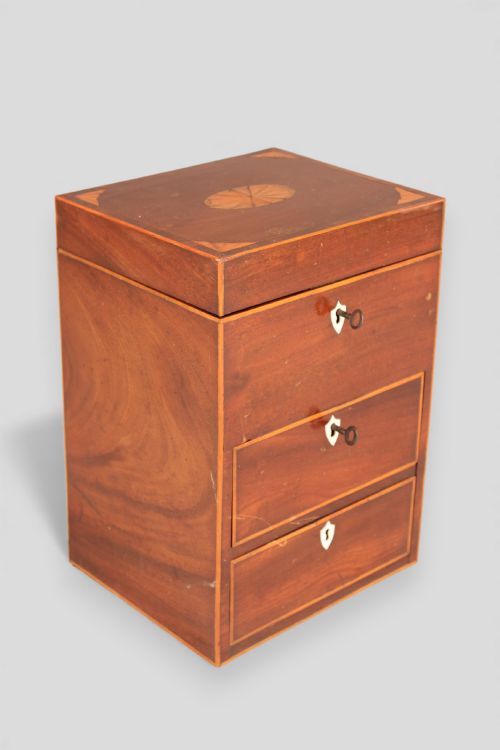
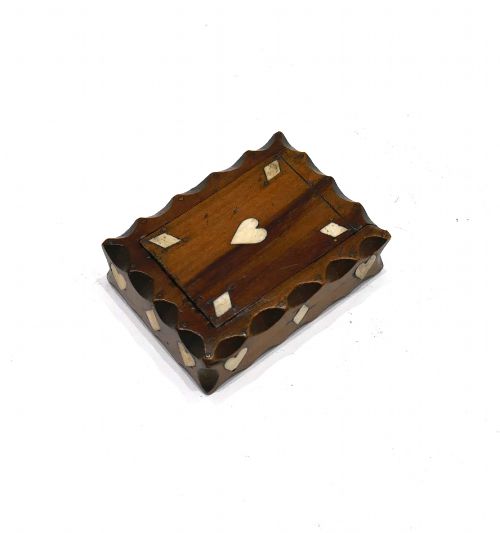
When you search for a bone inlay wooden box, you encounter a remarkably varied selection of functional containers ranging from tea caddies and snuff boxes to larger writing slopes, chests, and jewellery boxes.
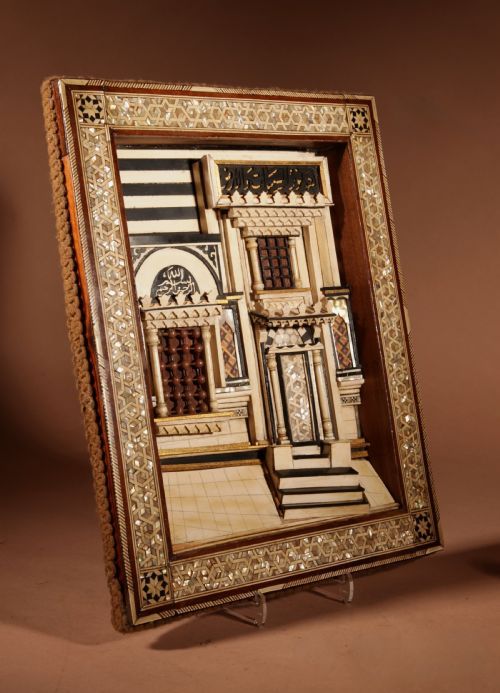
The material origins span several distinct regional styles, including Anglo-Indian, Ottoman, Syrian, and Victorian folk art expressions, capturing diverse aesthetic traditions in wood and bone.
Dated examples stretch from the Georgian and Regency periods through the nineteenth century into the early twentieth century, showing lasting popularity for intricate surface ornamentation.
Materials and Construction
The pieces combine timber foundations such as hardwood, mahogany, rosewood, walnut, ebony, and fruitwood with applied sections of bone, antler, or mother-of-pearl.
Craftsmen utilised precise inlay techniques, recessing small geometric or figurative pieces of bone into the wooden bodies to create striking contrast and texture.
Listings feature woods including mahogany, rosewood, walnut, ebony, coromandel, and fruitwood, alongside bone, antler, and mother-of-pearl embellishments.
Evaluating Quality and Detail
Excellence in these objects rests upon the precision of the inlay work and the harmonious integration of bone elements within the surrounding timber grain.
Superior examples display careful carving, thoughtful timber selection such as partridge wood or coromandel, and intact interior fittings that survive from their period of origin.
The Bone Inlay Wooden Box Glossary
- Tea caddy
- A container designed specifically for storing dry tea leaves, often featuring internal compartments and a locking lid. These boxes were prized possessions in Georgian and Victorian households.
- Treen
- Small handmade wooden domestic objects produced from the sixteenth century onwards. Snuff boxes and small vessels often fall under this descriptive term.
- Writing slope
- A portable desk with a hinged sloping lid that opens to reveal a writing surface, inkwell spaces, and stationery compartments. They reflect the portable writing habits of past centuries.
- Sarcophagus shaped
- A box profile featuring a steep, flared base and a domed lid reminiscent of classical monumental tombs. This distinct neoclassical form became popular during the Regency period.
- Khatamkari
- An ancient Persian technique of marquetry involving the delicate arrangement of wood, bone, and metal wires in intricate geometric star patterns.
Bone Inlay Wooden Box: Frequently Asked Questions
What were these boxes used for?
These containers served practical daily functions for storing precious commodities, writing materials, or personal items like jewellery and snuff. Wealthy households relied on them to keep valuable or perishable goods secure and neatly arranged.
Over time, many of these utilitarian objects transitioned into purely decorative display pieces. Their intricate exteriors allowed owners to showcase taste and refinement in public reception rooms.
Where were these items made?
Production locations span Britain, continental Europe, and various global regions associated with British trade networks, particularly India and the Middle East. Anglo-Indian workshops produced distinctive items utilising local exotic hardwoods and native carving styles.
European makers also drew inspiration from Ottoman and Renaissance revival aesthetics. This international exchange resulted in diverse regional interpretations of inlaid box construction.
How should I care for inlaid wood?
Protect these pieces by keeping them away from direct sunlight, extreme temperature shifts, and high humidity, which can cause wood to warp and bone to lift. Gentle dusting with a dry, soft cloth maintains the surface without risking moisture damage.
Avoid applying modern polishes or chemical cleaners that might degrade historic adhesives or discolour the bone inserts. Minimal handling preserves the delicate interface between the wood and inlay.