


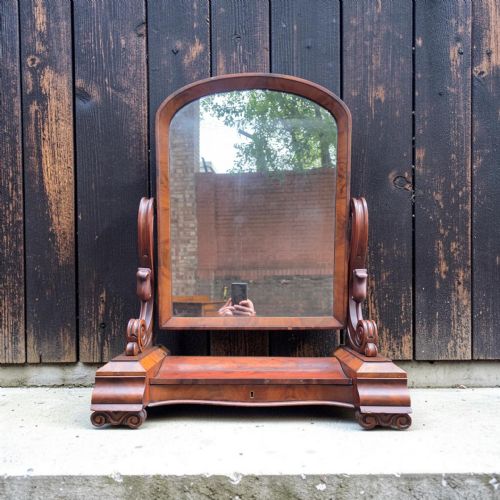
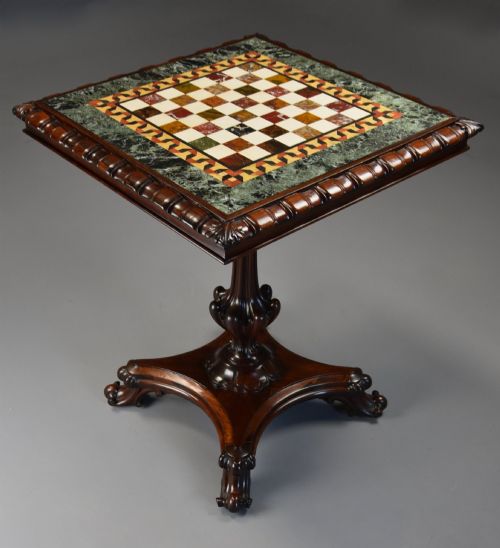
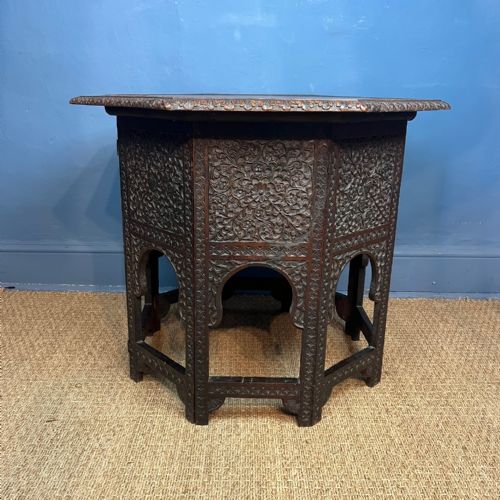
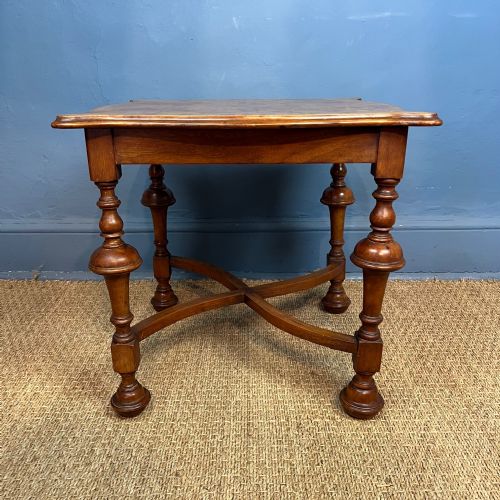
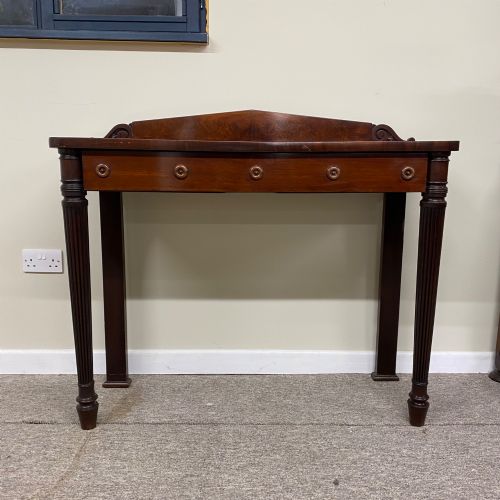
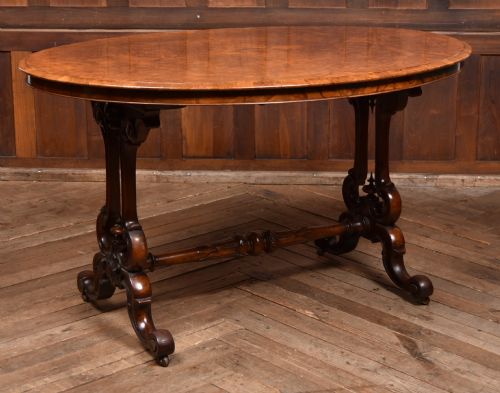

19th Century Carved Table
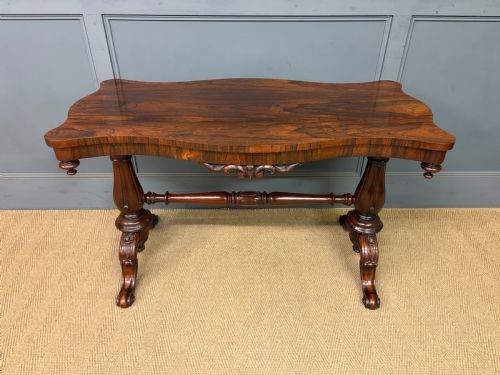
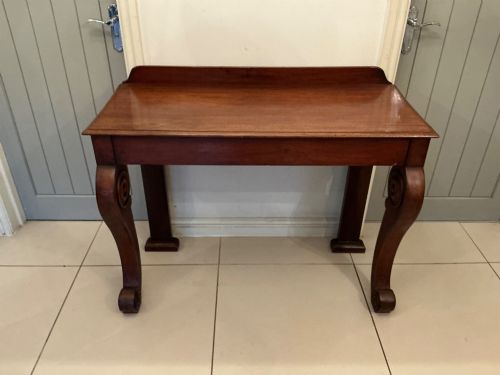
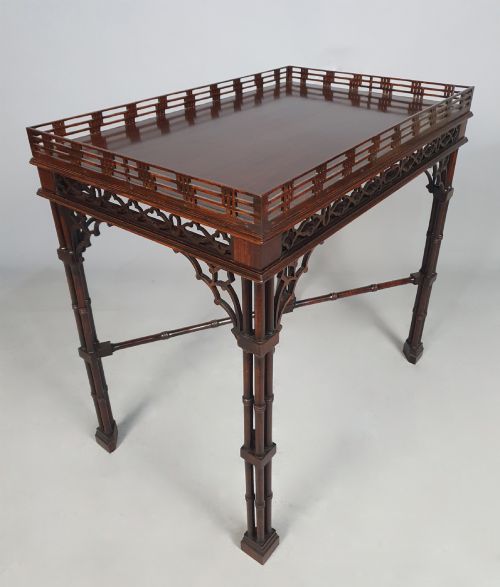
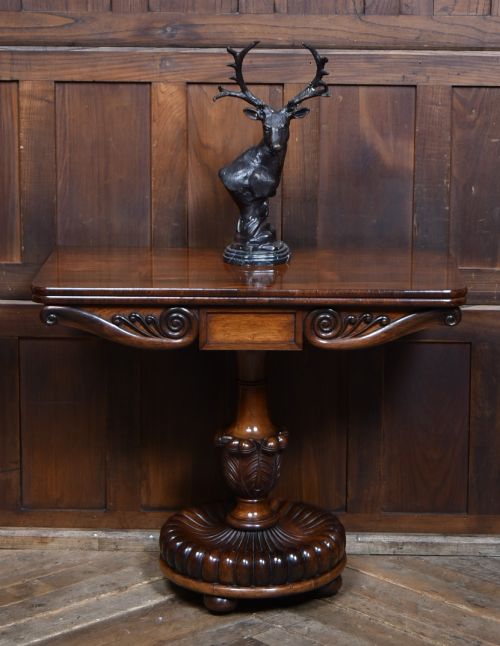
When you search for a 19th century carved table, you open a diverse world of Victorian, William IV, and continental craftsmanship created for daily domestic use and display.
19th Century Carved Table
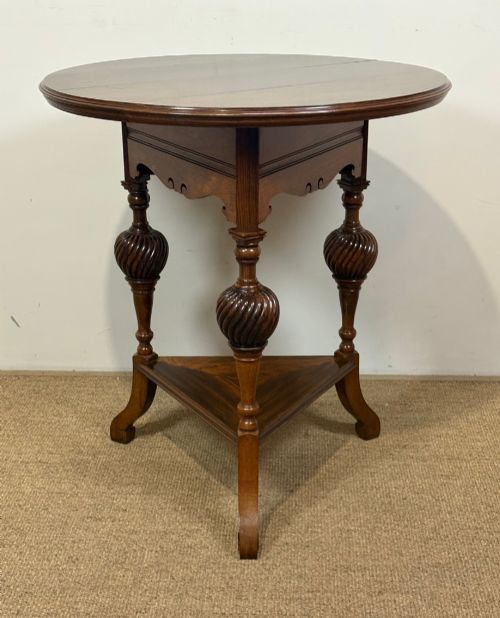
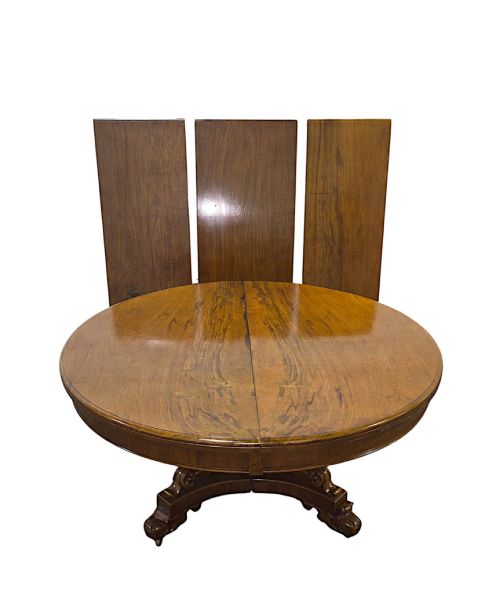
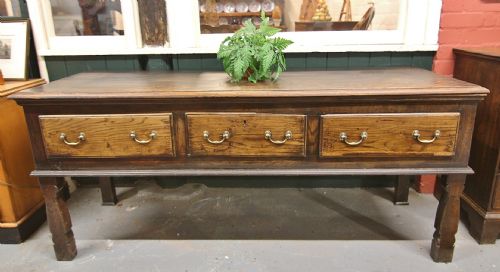
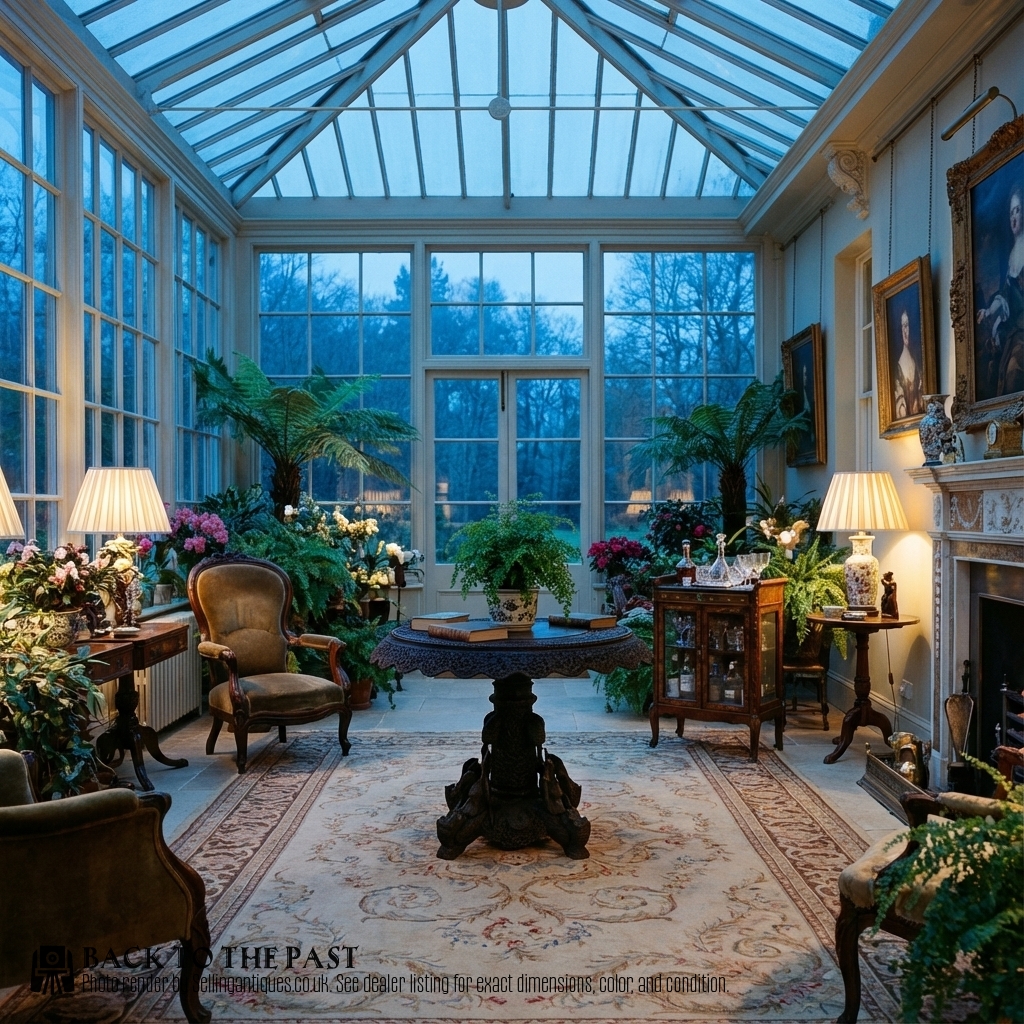
A 19th century carved table encompasses a wide variety of domestic furniture forms, ranging from compact occasional, lamp, and wine tables to large centre, library, and dining formats. The material record spans substantial oak and mahogany alongside rich burr walnut, rosewood, and gilded woods, reflecting both British domestic traditions and broader international influences.
On this page, buyers frequently encounter Victorian walnut and mahogany pieces, alongside occasional tables originating from Anglo-Indian workshops, French ateliers, and Swedish makers. These pieces served functional roles in period homes, functioning variously as card tables, sewing desks, console supports, and breakfast tables.
How They Were Made
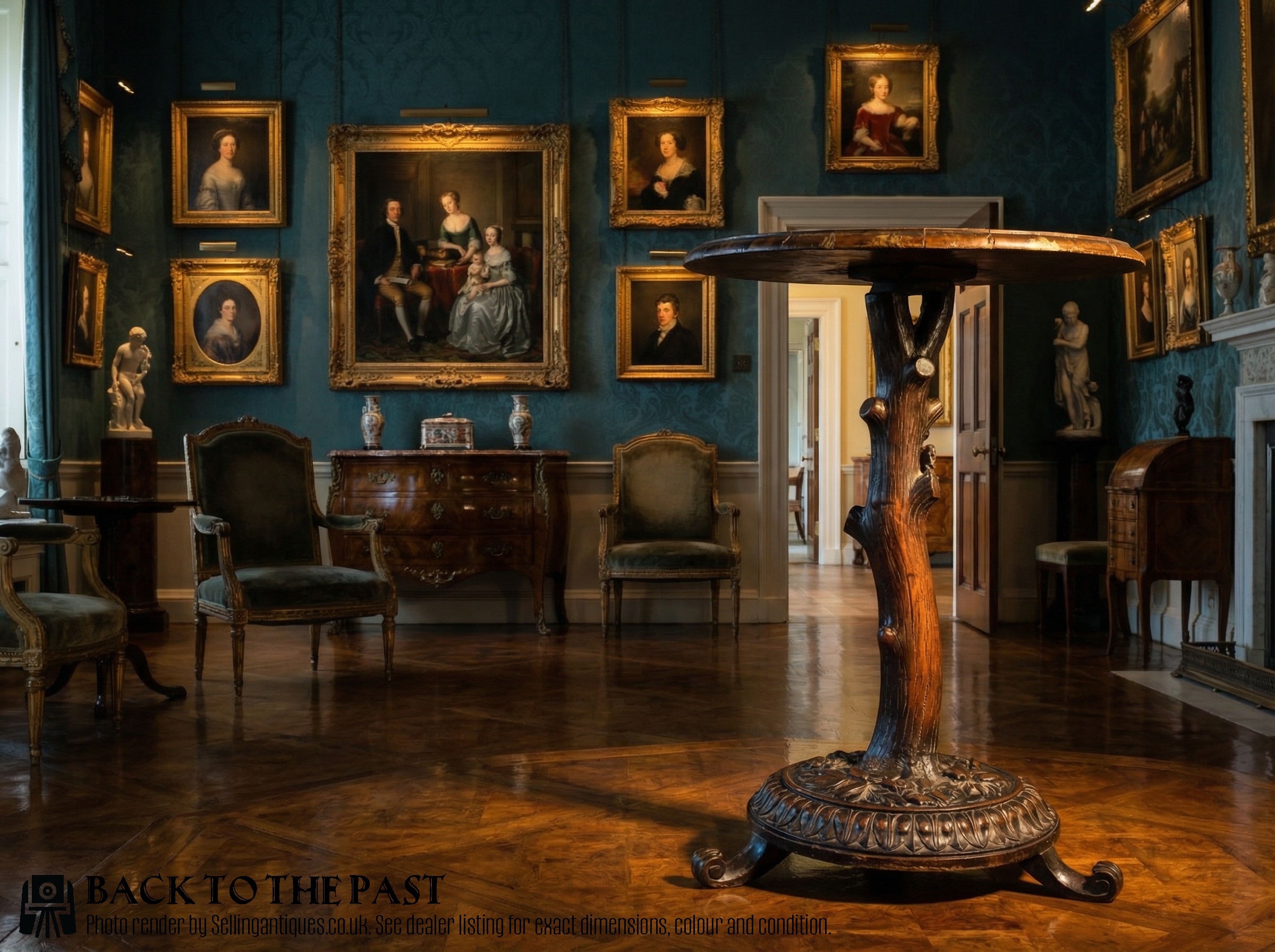
Cabinet makers utilised dense hardwoods such as mahogany, oak, rosewood, and walnut, often applying decorative veneers like burr walnut and burr birch over secondary timbers. Surfaces were frequently shaped with hand-carved ornamentation, ranging from crisp floral motifs and scrolling foliage to figural elements like the Green Man.
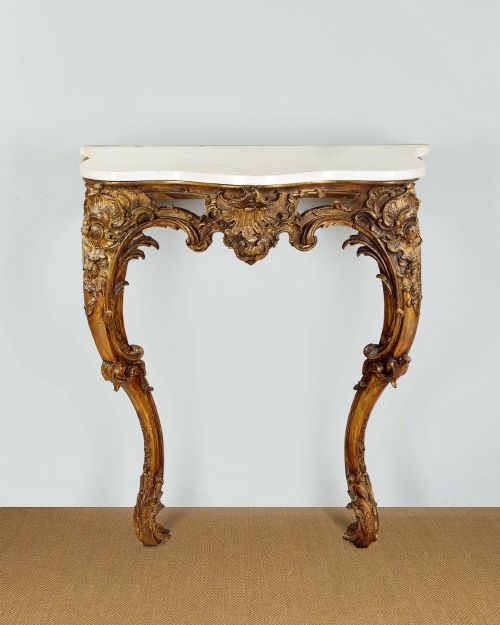
Gilded tables combined carved timber or gesso over wood bases with gold leaf application, while structural joints relied on traditional joinery techniques appropriate to the form, such as tilt-top mechanisms, pedestal bases, and turned legs.
19th Century Carved Table Retail Price Guide 2026
Typical asking prices for 19th century carved table among the pieces listed under this phrase on Sellingantiques today, from the lower quarter to the upper quarter. They describe what is for sale here now, not the wider market.
Object forms span dining tables, card tables, nests of tables, console tables, and pedestal wine stands.
What Varies in Quality
The standard of a 19th century carved table is defined by the depth and precision of the hand-carved details, the choice of figured timber veneers, and the structural integrity of the piece. Superior examples exhibit crisp undercutting in the foliage or figural carvings and balanced proportions across bases, pedestals, and tops.
Simpler regional or utilitarian pieces utilise flatter, more mechanical decoration and plainer secondary timbers, whereas high-end commissions demonstrate integrated marquetry inlay, marble inserts, or specialised mechanisms for folding and tilting.
Felix-Alfred Ternisien
The 19th Century Carved Table Glossary
- Burr Walnut
- A figured wood veneer derived from the abnormal growth growths of a walnut tree, highly prized for its swirling grain patterns on Victorian table tops.
- Console Table
- A wall-mounted or freestanding table designed to stand against a vertical surface, frequently paired with a matching pier mirror.
- Gueridon
- A small circular French table supported by a single central column or figural base, often featuring an inset marble top.
- Tilt-Top
- A functional mechanism allowing the table top to pivot vertically for compact storage when not in use.
- Triform Base
- A three-sided pedestal support common on Regency and William IV dining and centre tables.
19th Century Carved Table: Frequently Asked Questions
Where were centre tables placed?
Centre tables were designed to stand free in the middle of a large room rather than against a wall. They served as decorative focal points for displaying books, lamps, or floral arrangements.
Because they were visible from all sides, quality examples feature finished carving and grain matching around the entire perimeter of the top and base.
What is an occasional table?
An occasional table is a small, moveable piece of furniture intended to be used as needed around the home. Forms in this category include lamp tables, wine tables, and small tripod stands.
Their lightweight construction allowed domestic occupants to shift them easily beside seating areas for holding drinks, sewing work, or lighting.
How do I care for polished wood?
Polished wood surfaces require protection from direct sunlight and excessive moisture to prevent fading and veneer lifting. Regular dusting with a soft, dry cloth maintains the historic finish without stripping natural oils.
Avoid using silicone-based sprays, opting instead for traditional microcrystalline waxes when the timber requires nourishment and protection.