

19th Century Carved Cane
These 19th century carved cane pieces span seating and walking sticks crafted in hardwood, silver, and brass across various regional styles.
19th Century Carved Cane
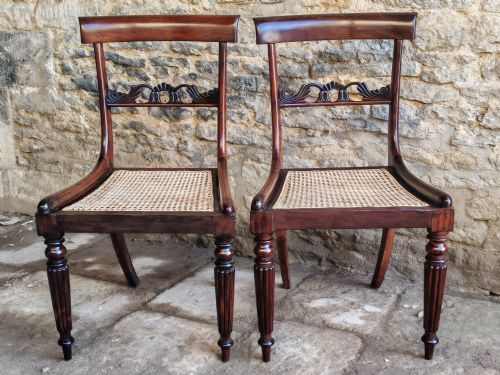
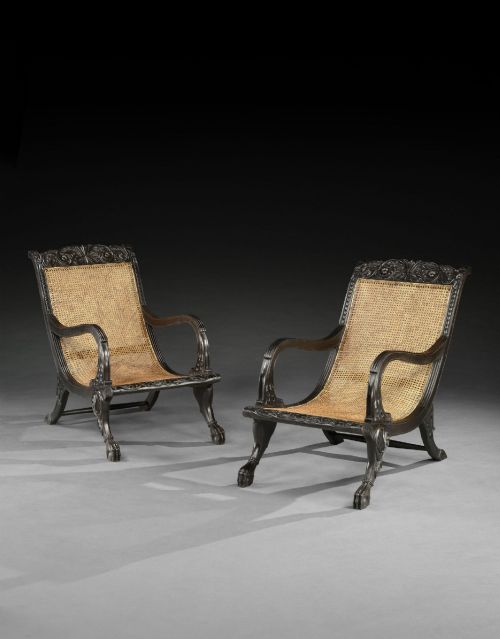
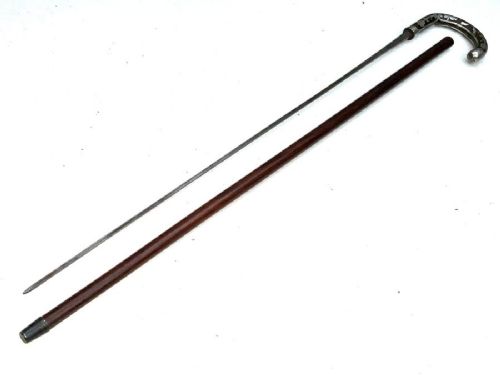
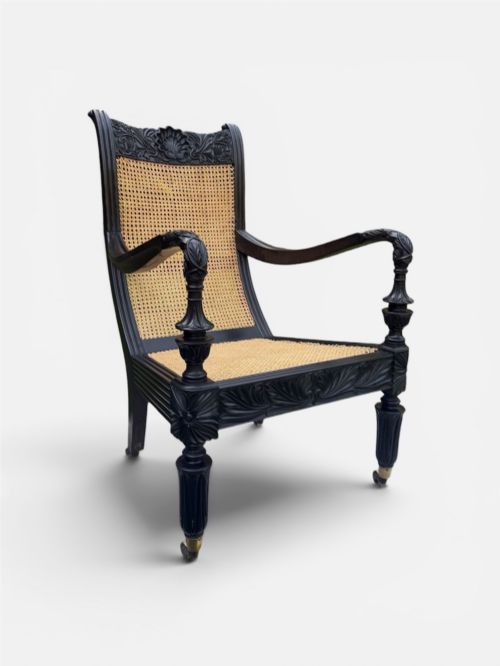
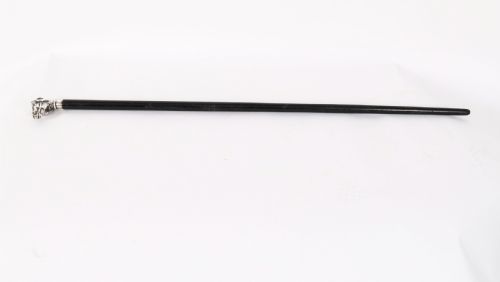
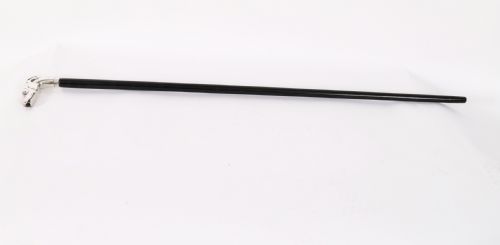
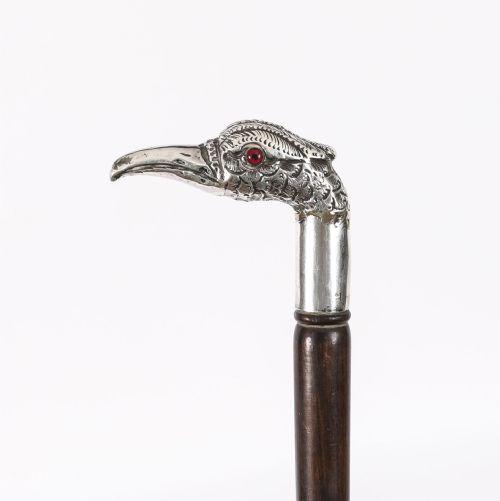
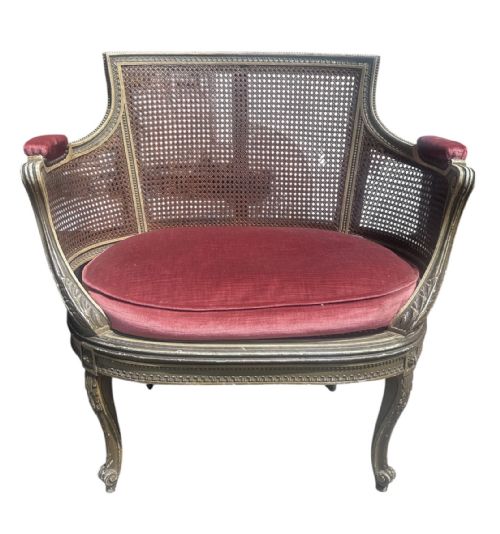
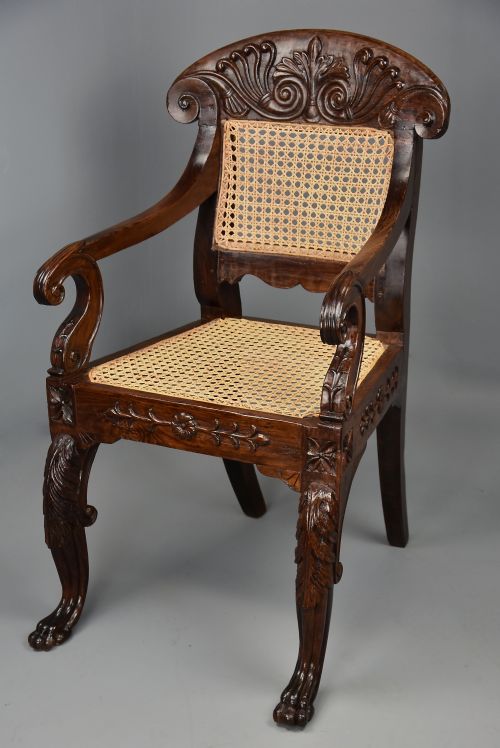
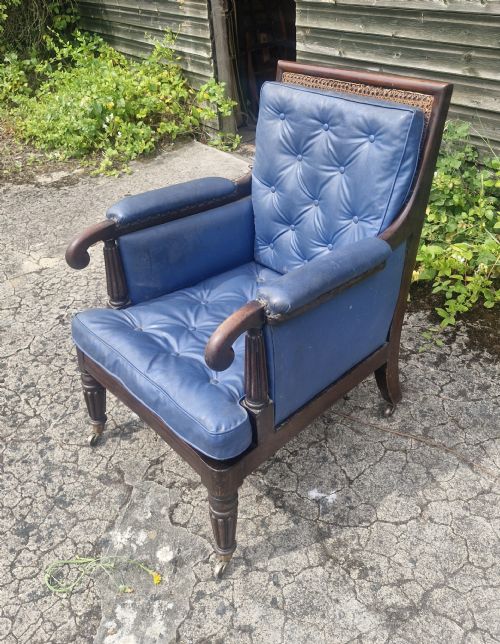
When buyers search for 19th century carved cane, they encounter two distinct categories of objects: seating furniture featuring woven caned panels and wooden walking sticks with intricate carved handles. The seating includes armchairs, bergere library chairs, side chairs, and sofas from French, Regency, and Anglo-Indian traditions. Walking sticks incorporate carved animal heads, silver or gold pommels, and hidden gadgets like sword blades or snuff boxes.
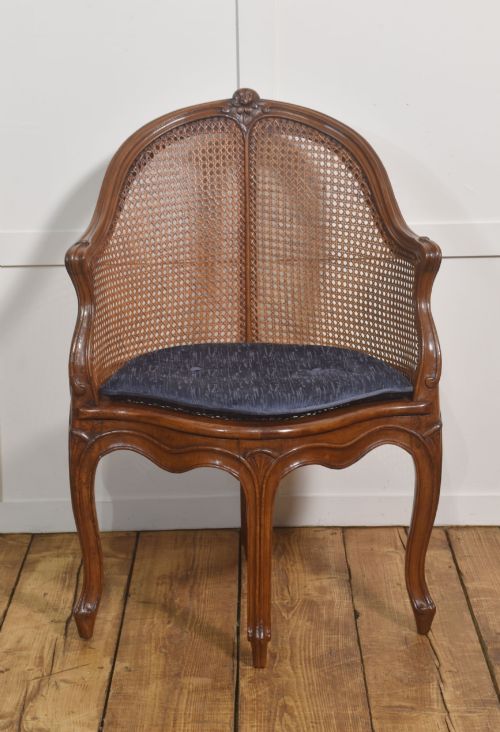
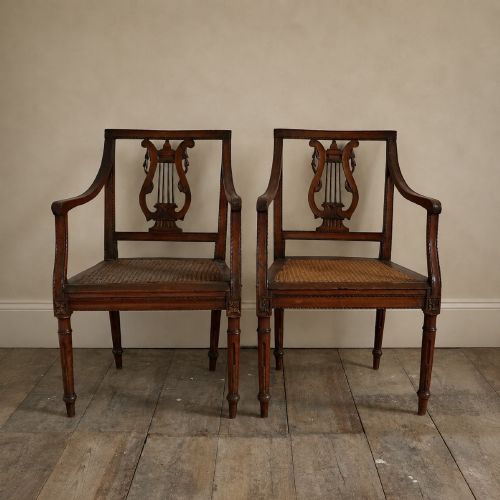
The version most commonly met on this page is the 19th century seating chair, particularly French Louis XV style armchairs and walnut tub chairs with woven cane seats and backs. Alongside these, walking sticks and canes mounted with silver novelty handles appear frequently in the inventory. Hardwoods such as mahogany, rosewood, ebony, and padouk dominate the furniture construction.
How they were made
Maker workshops utilised dense timbers including mahogany, walnut, rosewood, ebony, and padouk to construct chair frames and walking stick shafts. Carvers shaped the solid wood into floral motifs, ribbon twists, and animal forms, while metalworkers cast silver and brass for handles and collars. Caned panels were hand-woven from split rattan cane threaded through drilled holes in the wooden chair frames.
Joinery methods relied on traditional mortise and tenon construction for chairs and settees to ensure structural stability under weight. Metal components on walking sticks, such as swords, corkscrews, and coin slots, were integrated directly into the shafts and pommels with precise mechanical fittings.
The inventory records French, Regency, and Anglo-Indian stylistic influences across dining chairs, armchairs, settees, and sword sticks.
What varies in quality
The refinement of the hand-carving determines much of the distinction between average pieces and superior examples. Deep, crisp detailing on animal heads, foliage, and crest rails indicates skilled craftsmanship, whereas shallow or mechanically smoothed carving points to lower workmanship. The tightness and uniformity of the hand-woven cane work also separate standard furniture from finer productions.
Material selection establishes another tier of quality, seen in the choice of solid tropical hardwoods like ebony and padouk rather than softer secondary timbers. Signed or attributed works, particularly those bearing maker details on silver pommels or associated with known cabinet-maker workshops, command higher regard.
Brigg·Gillows
The 19th Century Carved Cane Glossary
- Bergere
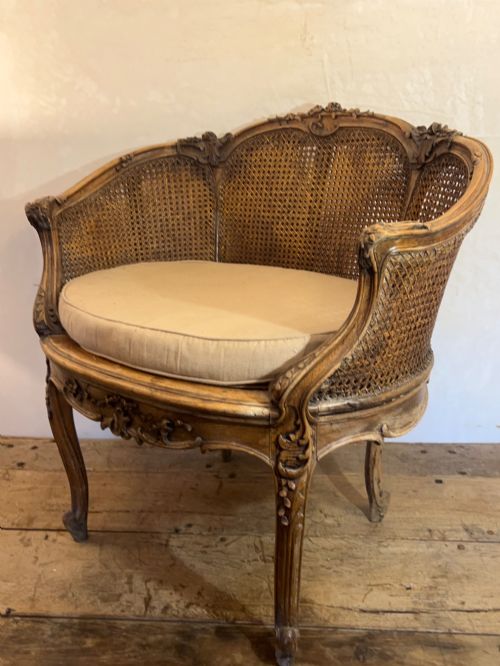
- An upholstered French armchair with enclosed sides, typically featuring a cane back and seat panels. These chairs originated in the 18th century and continued through the 19th century in revival styles.
- Corbeille
- A French term describing a chair with a rounded, basket-like back that curves continuously into the arms. They frequently incorporate Louis XV carved details and caned surfaces.
- Pommel
- The knob or handle at the top of a walking stick or cane. These elements were frequently cast in silver or gold and carved into animal or novelty forms.
- Sabre leg
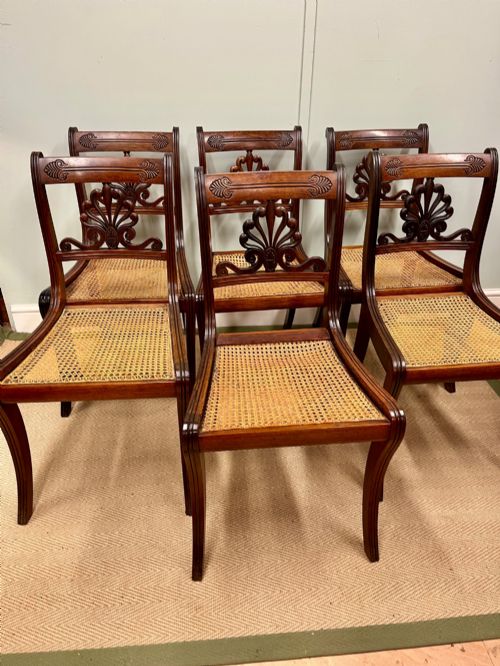
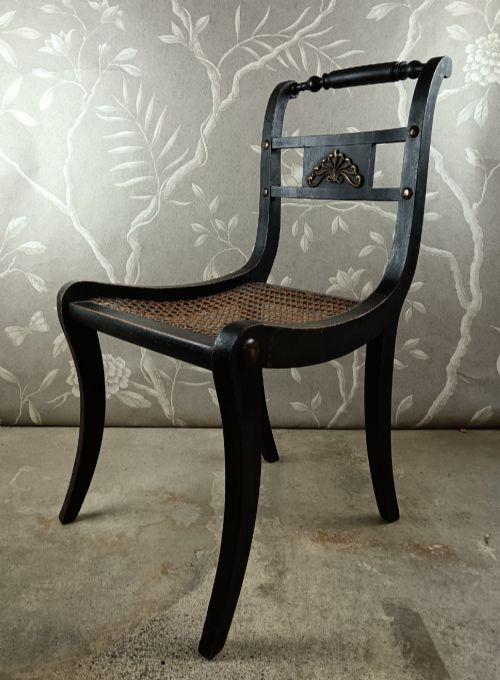
- A concave curving chair leg that tapers toward the foot, popular during the Regency period. They draw inspiration from classical antiquity.
- Sword stick
- A walking cane containing a concealed blade within the wooden shaft. They often feature a locking mechanism in the handle to secure the blade.
19th Century Carved Cane: Frequently Asked Questions
What is a bergere chair?
A bergere chair is a traditional French armchair featuring solid wooden frames and cane panels on the back and seat. They often include upholstered loose cushion seats for comfort.
During the 19th century, cabinet-makers revived earlier French designs like Louis XV and Louis XVI, producing these enclosed seating forms in mahogany, walnut, and painted finishes.
How are walking sticks dated?
Walking sticks are dated by examining the hallmarks on silver or gold mounts, the style of the carving, and the materials used for the shaft and handle. Animal heads and novelty pommels reflect Victorian tastes.
Maker marks stamped onto metal collars or precious metal pommels provide specific manufacturing years and workshop origins for pieces from the period.
Are cane seats durable?
Cane seats woven from split rattan offer surprising resilience and flexibility when maintained properly. Regular use distributes weight evenly across the tightly pierced wooden frame.
Environmental humidity prevents the natural cane from becoming brittle, ensuring the woven strands retain their structural integrity over decades of daily sitting.
What are gadget canes?
Gadget canes are functional walking sticks that conceal hidden tools, weapons, or compartments within the shaft and handle. Common examples include sword sticks, snuff boxes, and hidden corkscrews.
These pieces were carried by gentlemen in the 19th century as practical accessories or novelty items reflecting the ingenuity of period metalworkers and carvers.