


Carved Timber Stick
A carved timber stick brings tactile utility and rustic narrative into a room, spanning walking canes, folk art distaffs, and utilitarian treen.
Carved Timber Stick
A carved timber stick encompasses items shaped from hardwood, elm, ash, and oak across periods ranging from the eighteenth century to the early twentieth century. Buyers seek these pieces for their tangible connection to traditional craftsmanship, vernacular design, and domestic utility.
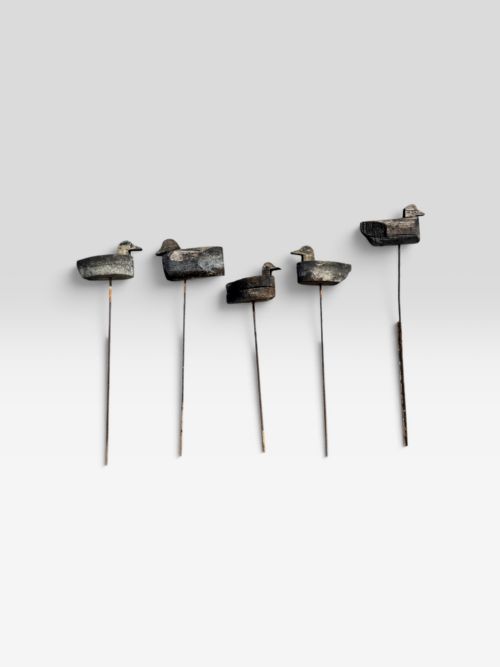
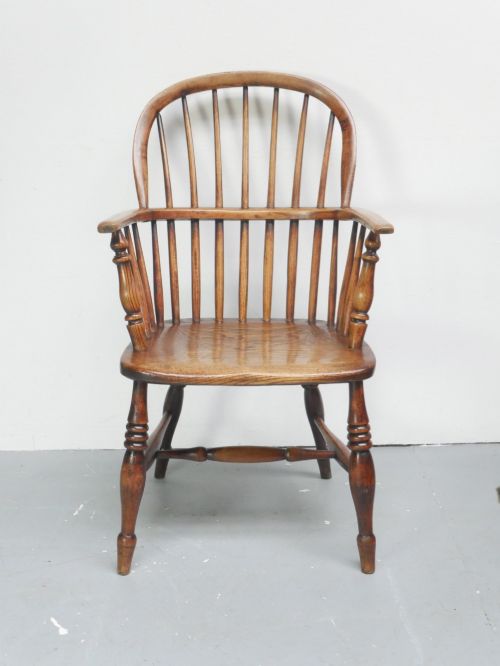
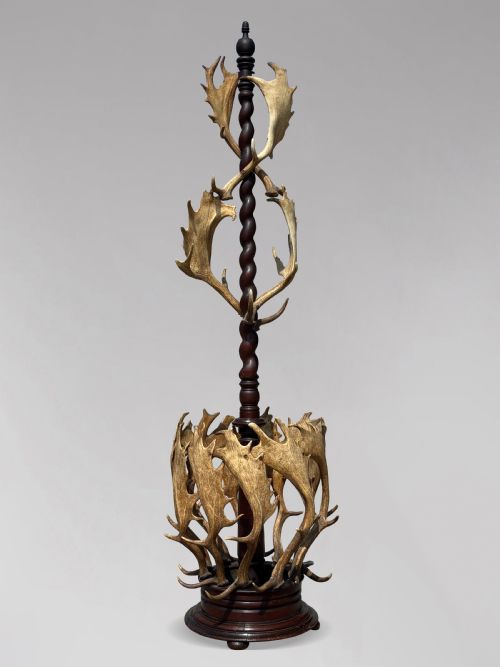
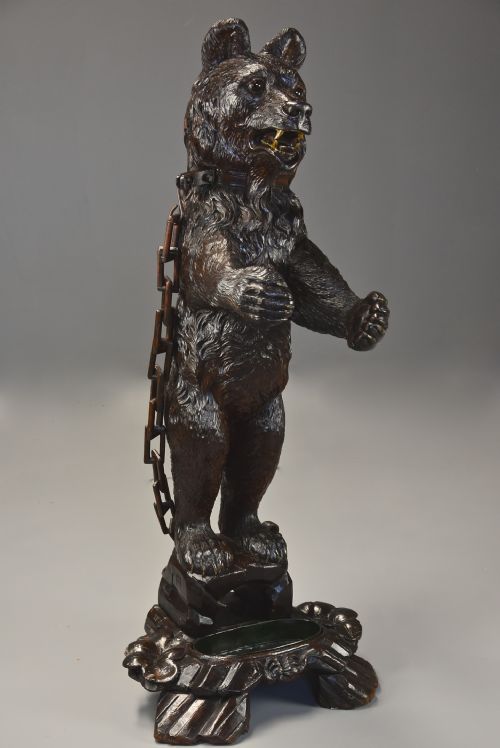
The objects span diverse functional forms, including walking sticks, canes, umbrella stands, knitting sheaths, and candle holders. Folk art, Black Forest, and traditional British country styles dominate the selection, often featuring figurative carving such as animals or human forms.
Pieces originating from European workshops, British country houses, and colonial contexts appear frequently. The inventory also includes specialised items like distaffs and throwing clubs, demonstrating the broad scope of historic woodworking.
Materials and construction methods
Makers utilised dense timbers such as oak, elm, ash, and general hardwoods to ensure structural integrity and longevity in daily use. Selected woods were shaped using traditional hand tools, allowing artisans to exploit the natural grain and strength of the timber.
Carving techniques required patient hand-tool work to achieve intricate surface decoration, from articulated animal figures to geometric patterns on treen. Metal, bone, and silver plating were occasionally integrated as functional mounts, ferrules, or decorative elements on canes and sticks.
One German Shepherd walking cane comes fully articulated, ready to guard your hallway with snapping wooden jaws.
Quality and execution
The distinction between ordinary and exceptional pieces lies in the precision and depth of the hand carving. Superior examples display confident, lifelike anatomical detail in animal figures or crisp execution in folk art motifs, whereas lesser pieces show rushed or shallow incisions.
Integrity of the timber and preservation of the original surface patina dictate desirability. Items retaining authentic tool marks, uncompromised joints, and minimal structural alteration command greater appreciation among collectors.
J. Parker of Woodstock·Henry Borlase Stevens·Negretti and Zambra, London
The Carved Timber Stick Glossary
- Treen
- Small handmade wooden household objects created for functional use. These items reflect domestic life and vernacular craftsmanship of past centuries.
- Distaff
- A tool used in spinning for holding flax or wool. Examples from this tradition often feature decorative carved wooden decoration.
- Folk art
- Utilitarian or decorative objects made by self-taught or traditional craftsmen. The style emphasises regional character over formal academic training.
- Knitting sheath
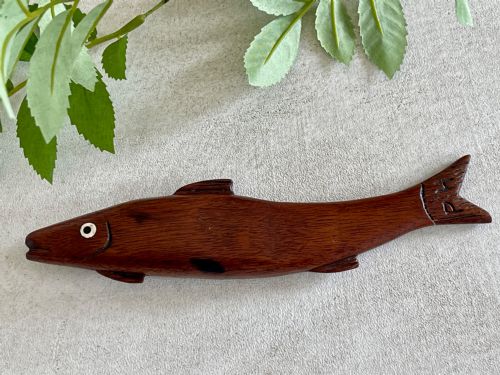
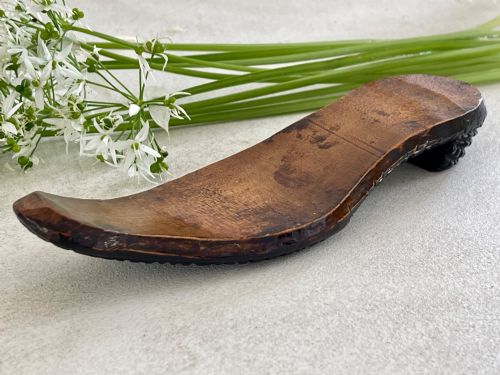
- A small device tucked into a belt or apron to hold a knitting needle steady. They frequently take imaginative shapes like shoes or fish.
- Ferrule
- A metal cap or ring attached to the end of a walking stick or cane. This component protects the timber from splitting during ground contact.
Carved Timber Stick: Frequently Asked Questions
What is a carved timber stick used for?
These items served various daily functions ranging from walking support and umbrella storage to textile production through distaffs and knitting sheaths.
Collectors today display them as sculptural elements or decorative accents that reflect historical domestic and outdoor pursuits.
How do I identify the age of a stick?
Age is determined by examining tool marks, timber shrinkage, wear patterns on handles and ferrules, and stylistic conventions of the period.
Folk art pieces and Victorian walking canes often bear characteristic decorative motifs specific to the nineteenth and early twentieth centuries.
Are these sticks made from solid wood?
Most pieces are fashioned from solid native hardwoods such as oak, ash, and elm, carved directly from branches, tree trunks, or seasoned planks.
Some items integrate secondary materials like bone or metal plating for reinforcement or decorative contrast.
How do I care for antique wooden sticks?
Keep wooden objects away from direct heat sources and dramatic humidity fluctuations to prevent the timber from splitting or warping over time.
Apply occasional microcrystalline wax to nourish the surface and preserve the historic patina without damaging the underlying grain.