


System Walking Cane
A system walking cane conceals a hidden blade, tool or gadget within its shaft, offering a discreet companion for the Victorian and Edwardian gentleman.
System Walking Cane
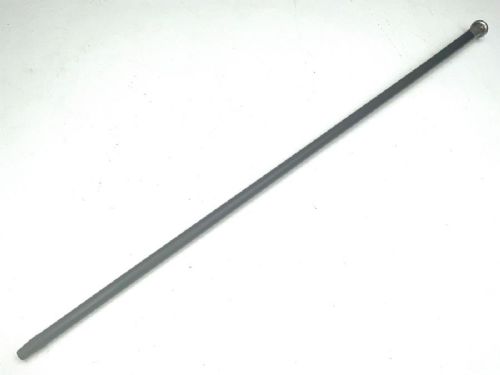
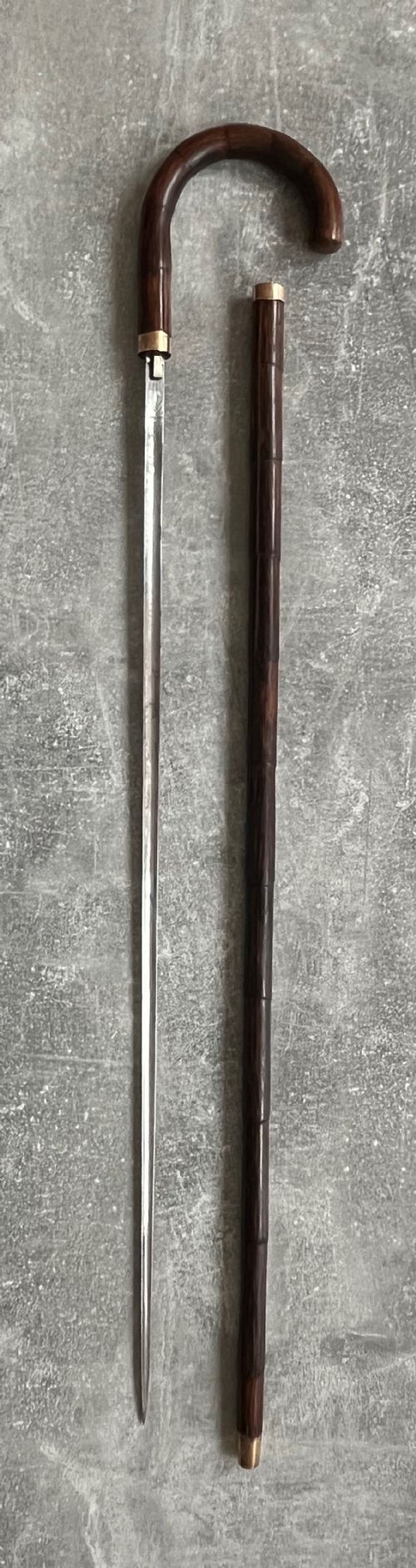
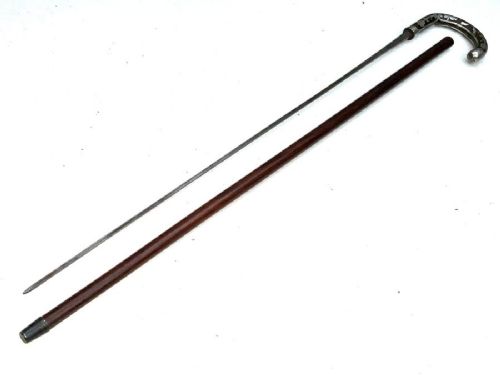
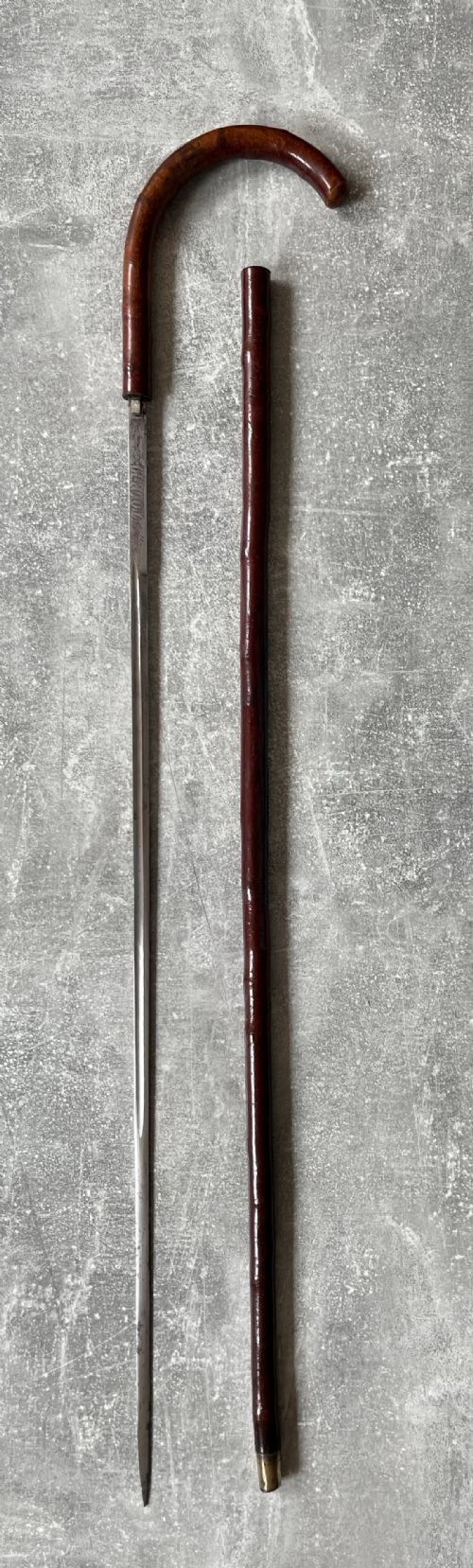
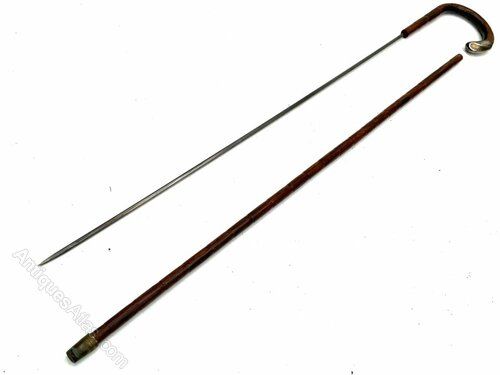
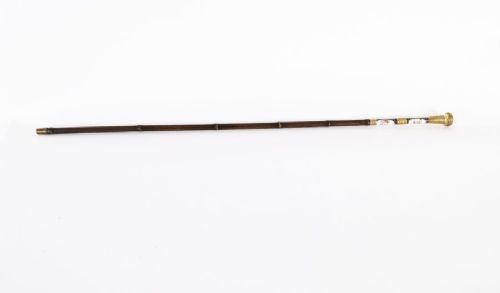
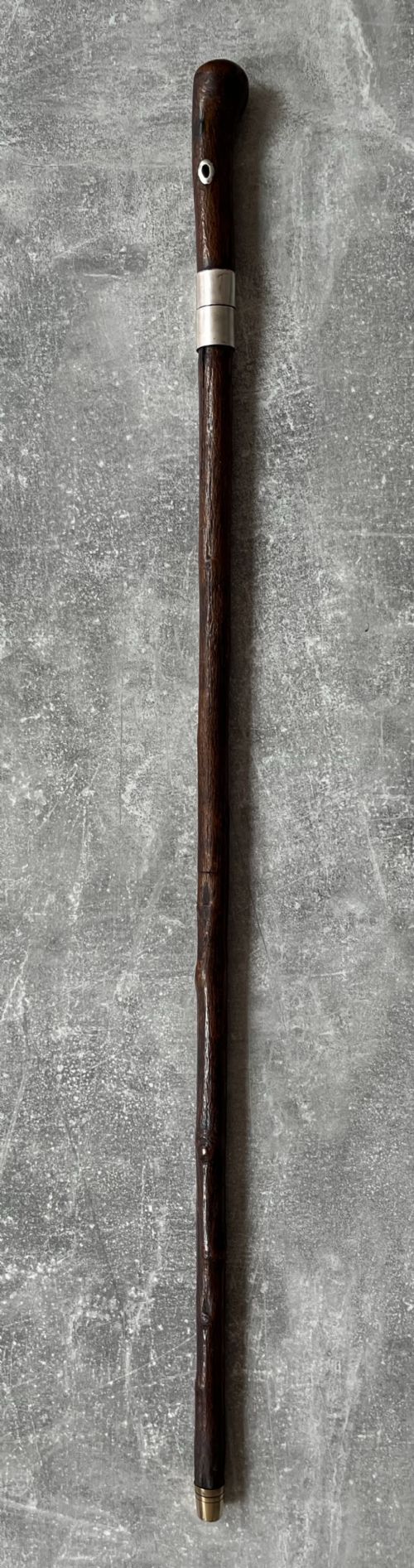
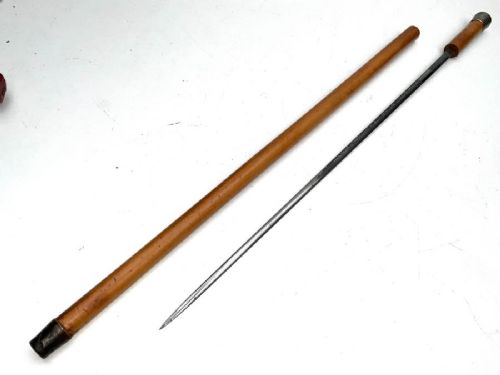
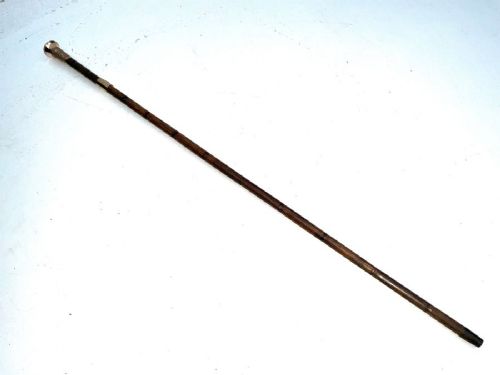
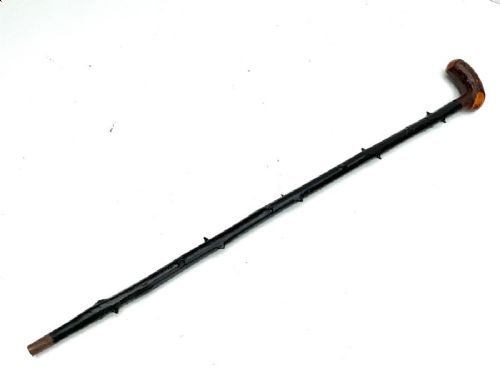
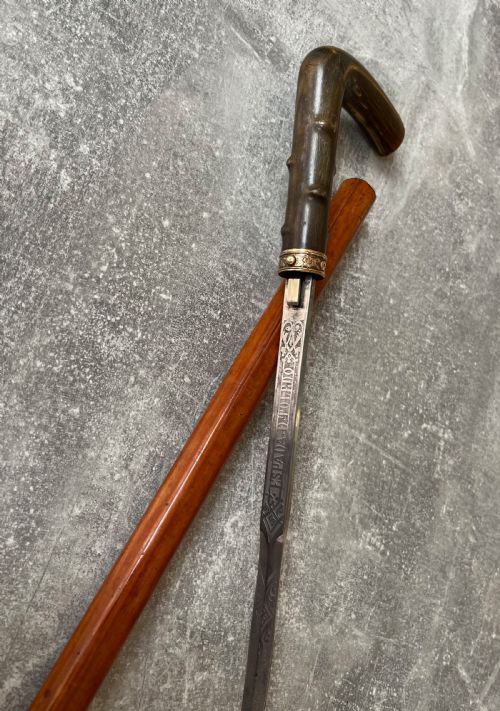
A system walking cane is primarily encountered as a traditional sword stick or a gadget cane housing a concealed implement beneath its exterior. The pieces seen here date predominantly from the late nineteenth century into the early decades of the twentieth century, reflecting Victorian and Edwardian manufacturing output.
Most examples function as conventional walking aids while incorporating internal mechanisms such as button releases for blades, screw joints for compartments, or specialised handles like snuff boxes and corkscrews. The selection spans standard timber shafts alongside novelty forms associated with Masonic groups, military officers and specific regional styles like Irish blackthorn.
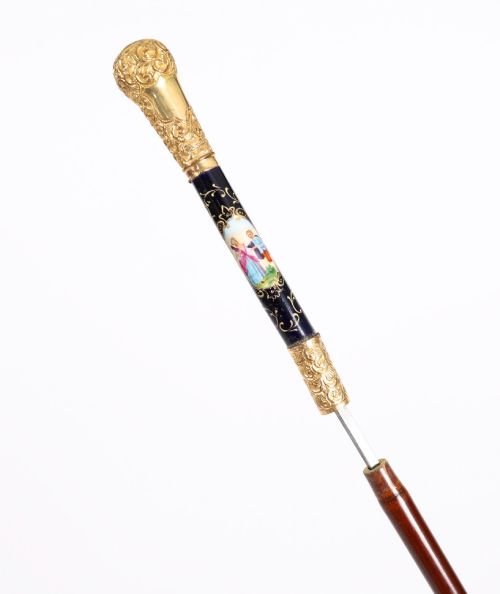
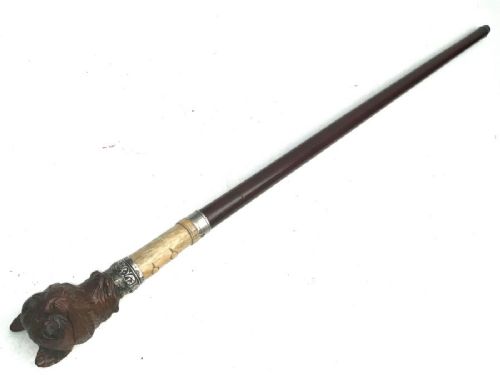
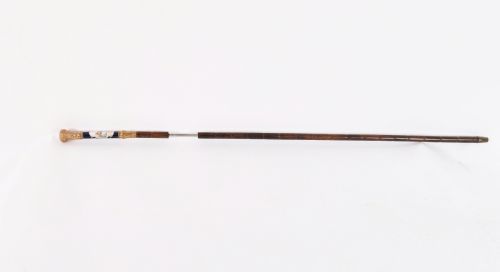
Makers utilised various organic and manufactured materials for the shafts, including malacca cane, partridge wood, hazel, cherrywood and bamboo. These were frequently paired with mounted collars in silver or brass, and occasionally fitted with porcelain sections or carved bone handles.
How they were made
Craftsmen shaped natural woods such as malacca, partridge wood and hazel to form the outer shaft, often retaining root balls or incorporating faux bamboo texturing. Internal blades, notably Toledo steel or Wilkinson varieties, were fitted precisely within the hollowed wooden interiors to ensure a flush closure.
Handles and mounts required distinct metalworking and carving skills, incorporating silver collars, brass mechanisms, gold plate, Sevres porcelain, horn, bone and carved wooden animal motifs. Button release systems and screw threads were engineered to secure the concealed elements firmly during transit.
The listings on this page span the Victorian and Edwardian eras, featuring timber shafts paired with steel blades, silver mounts, and bone components.
What varies in quality
The standard of a system walking cane depends largely on the precision of the concealed mechanism and the execution of the exterior mountings. Finer specimens display seamless joints where the handle meets the shaft, alongside robust button releases that secure blades or gadgets without play.
Material selection dictates the upper tier of the range, marked by marked silver mounts, inscribed blades from notable makers, and finely carved handles of bone or porcelain rather than plain turned wood.
Brigg·Wilkinson
The System Walking Cane Glossary
- System walking cane
- A walking stick that conceals a blade, tool, or mechanical device within its shaft or handle. These pieces served practical or defensive functions while maintaining the appearance of a standard gentleman's accessory.
- Toledo blade
- A steel blade produced in Toledo, Spain, renowned for its flexibility and strength. These blades were frequently imported and fitted into nineteenth-century sword sticks.
- Malacca cane
- A resilient and flexible stem derived from the rattan palm, imported from Southeast Asia and prized for its mottled brown finish. It forms the slender shaft of many traditional walking sticks.
- Snuff box handle
- A hollowed handle compartment designed to hold powdered tobacco. This addition transformed a standard walking aid into a multifunctional gentleman's accessory.
System Walking Cane: Frequently Asked Questions
What is a system walking cane?
A system walking cane is a traditional walking stick that conceals a hidden blade, tool, or mechanical device within its wooden or metal shaft.
These pieces were used by Victorian and Edwardian gentlemen for personal defence or daily convenience while maintaining the outward appearance of a standard walking aid.
How do you open a sword stick?
Most sword sticks utilise a mechanical button release or a threaded screw mechanism positioned near the collar to secure the blade inside the shaft.
Pressing the button or unscrewing the handle allows the inner blade to slide out smoothly from its wooden housing.
What materials were used for these canes?
Shafts were constructed from natural timbers such as malacca cane, partridge wood, hazel, cherrywood, bamboo and blackthorn.
Handles and mounts frequently incorporate silver, brass, gold plate, Sevres porcelain, carved bone, horn and carved wood.
How do you date a Victorian walking cane?
Dating relies on stylistic markers, hallmarks on silver mounts, and the specific patents or manufacturing techniques associated with nineteenth-century workshops.
Pieces from this era often feature traditional joinery, Toledo steel blades, and specific regional motifs like Masonic symbols.