


Vintage Decorative Walking Stick
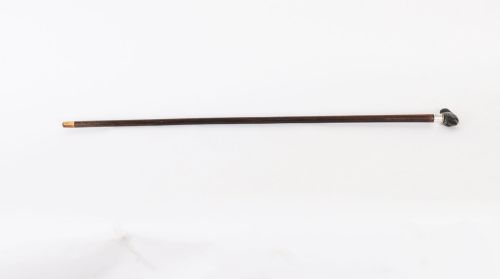
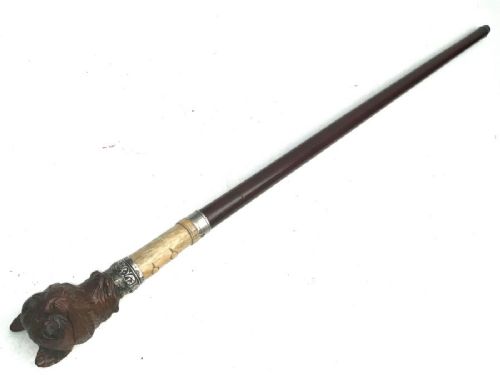
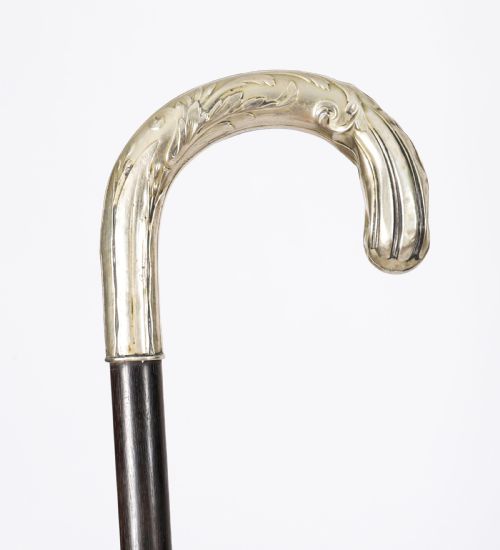
These vintage decorative walking sticks combine functional support with striking handles in silver, horn, and carved wood.
Vintage Decorative Walking Stick
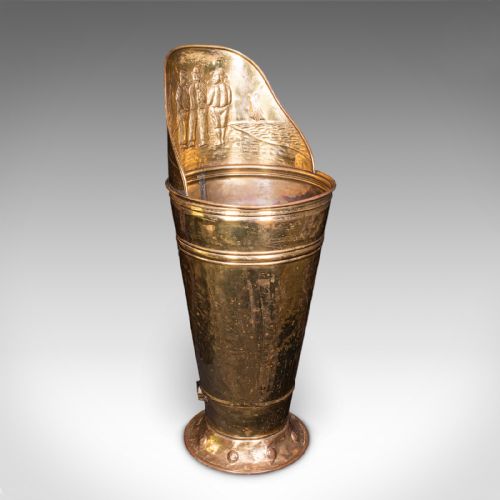
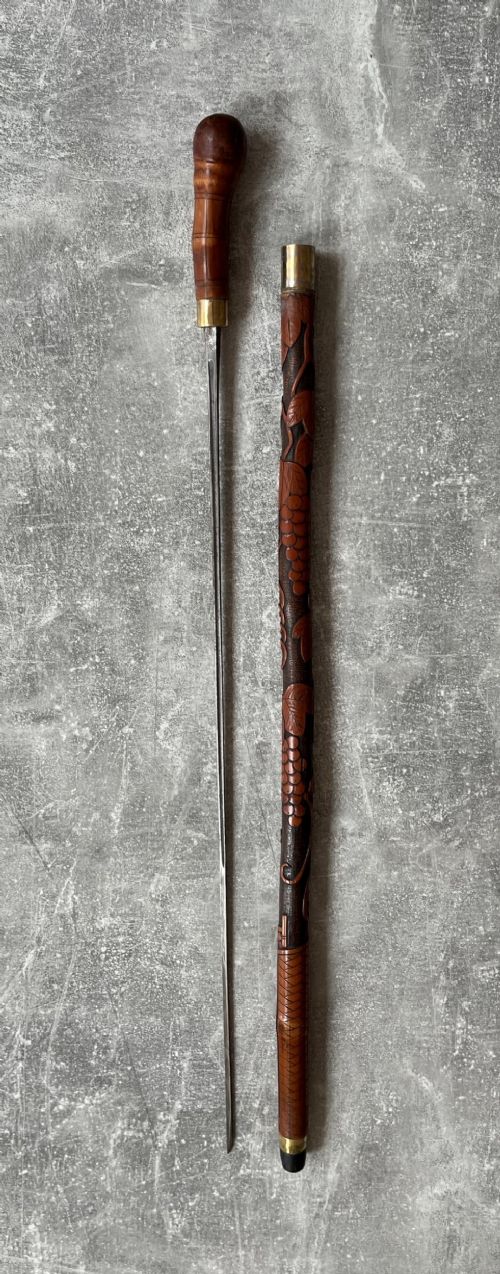
A vintage decorative walking stick serves as both a traditional mobility aid and a statement accessory spanning the Victorian era through the Art Deco period. Buyers seeking these items will encounter various forms, including standard walking canes, sword sticks with concealed blades, and companion stick stands.
The selections on this page draw from 19th Century craftsmanship as well as early 20th Century designs up to 1930. Origin styles range from Dutch traditional brass work and East Asian bamboo carving to French Art Nouveau silver plating.
Materials and construction methods
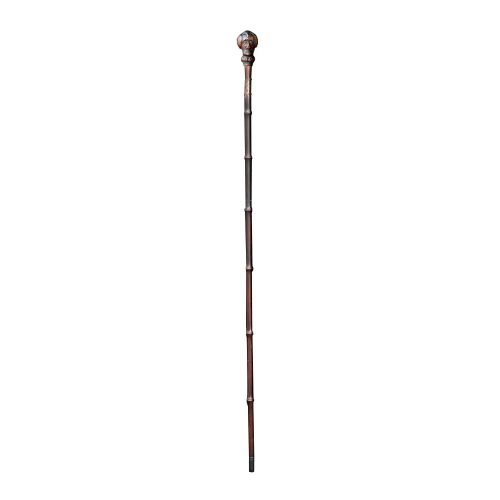
These shafts and hafts utilise robust natural materials such as hardwood, malacca, bamboo, and snakeskin covering over a core. Artisans formed the handles from bone, antler, horn, and carved wood.
Metal elements incorporate brass, steel, and silver, often featuring embossed patterns or silver plating. Novelty handles depict carved animal forms like parrots alongside standard crook designs.
One bird managed to sneak onto a stick without flying away, appearing as a carved wooden parrot.
Assessing quality in walking sticks
Quality rests upon the sculptural detail of the handle and the integrity of the materials used throughout the shaft and mountings. Master carvers and silversmiths produced finer handles with intricate animal motifs or deep embossing rather than plain metal tops.
The preservation of delicate coverings like snakeskin and the secure fitting of concealed sword blades also distinguish superior examples from standard utility pieces.
The Vintage Decorative Walking Stick Glossary
- Crook
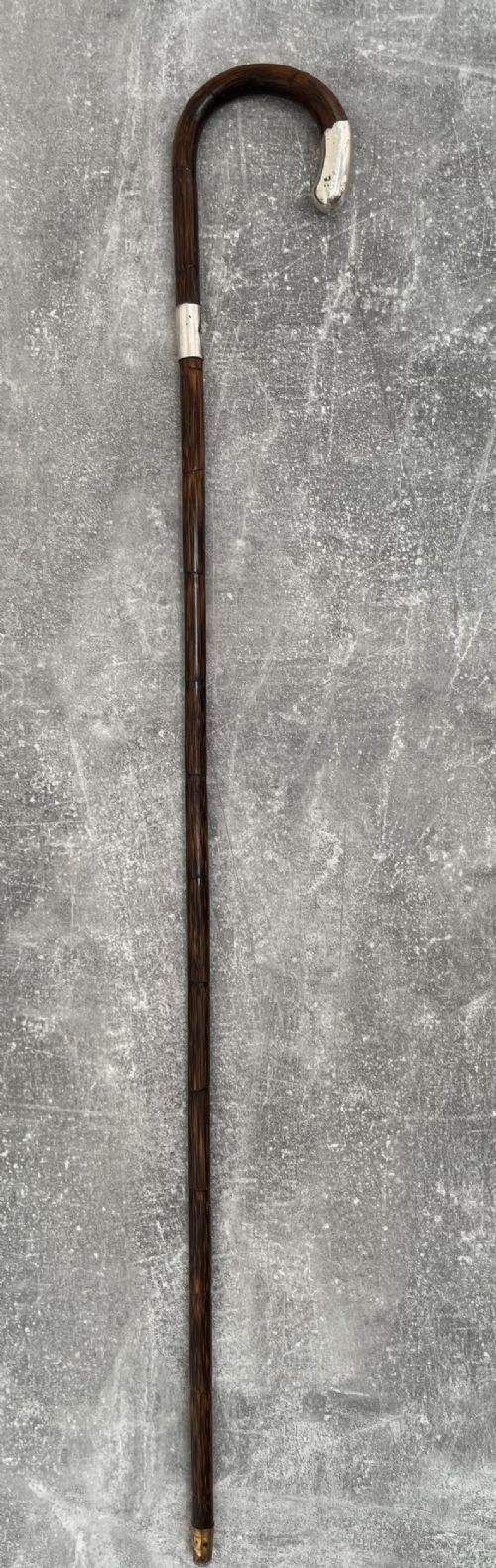
- A walking stick handle curved at the top for comfortable gripping or hanging over a forearm. This traditional shape appears frequently on silver mounted canes.
- Sword stick
- A walking cane containing a concealed blade within the shaft. Gentlemen utilised these hidden weapons for personal protection during the nineteenth century.
- Malacca
- A sturdy rattan cane imported from Southeast Asia, prized for its mottled brown surface and strength. It served as a favoured material for gentleman's canes.
- Art Nouveau
- A design style characterised by flowing, organic plant lines popular around the turn of the twentieth century. French makers applied this aesthetic to children's walking sticks.
Vintage Decorative Walking Stick: Frequently Asked Questions
What is a sword stick?
A sword stick is a cane fitted with a hidden blade inside the wooden shaft, secured by a latch or friction fit. Gentlemen carried them in the nineteenth century for personal defence.
Today, collectors value these pieces for their dual nature as functional walking aids and mechanical curiosities. The mechanisms require careful handling to preserve the internal blade and haft.
How do I date a walking stick?
Dating relies on stylistic clues like Art Deco geometric motifs or Art Nouveau organic curves, alongside material usage. Silver hallmarks and manufacturer stamps can also pinpoint the decade of production.
Victorian pieces often display heavy embossing and traditional woods, whereas 1930 examples introduce modernist novelty handles such as carved parrots.
Were these sticks meant for daily use?
Many walking sticks served as essential daily accessories for gentlemen and children alike, providing physical support and signalling social status. Finer decorative versions functioned primarily as fashion statements for promenade wear.
Living with these pieces involves displaying them in dedicated stick stands or umbrella holders, keeping them away from excessive heat and moisture to protect wood and leather components.