



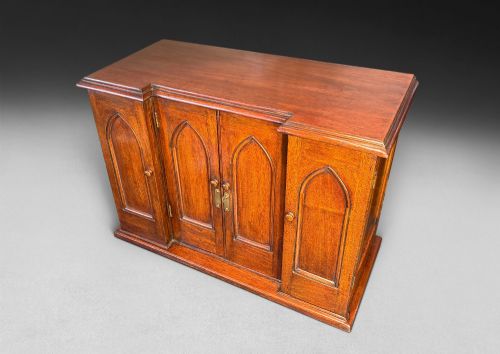

19th Century Carved Box
When choosing a 19th century carved box, collectors encounter intricate woodland animals, architectural Gothic panels, and utilitarian folk art pieces designed to safeguard tobacco, letters, or small treasures.
19th Century Carved Box
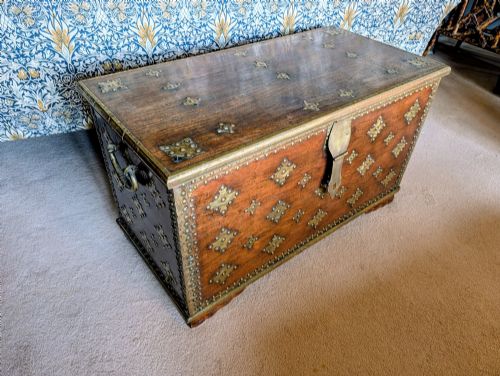
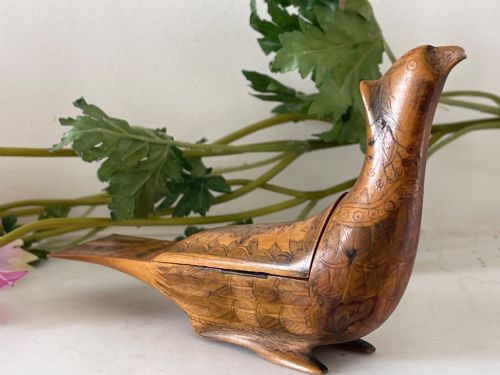
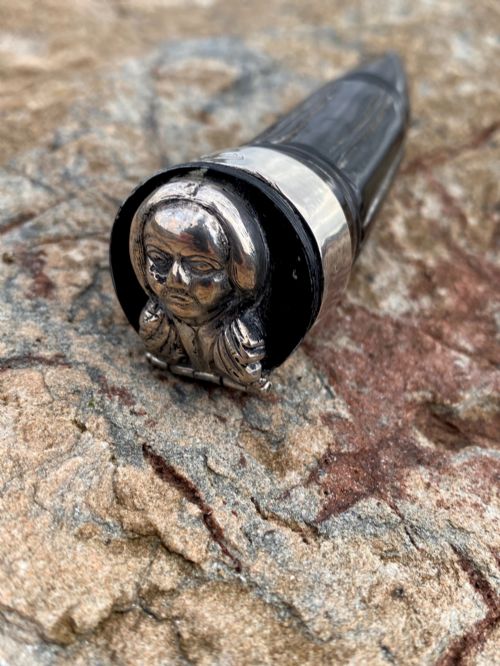
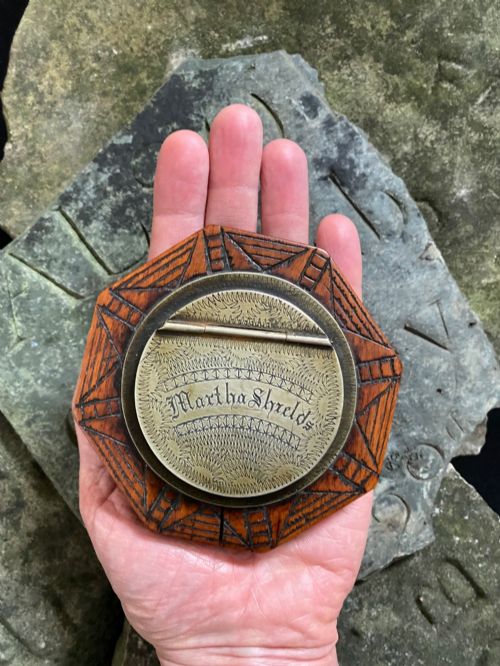
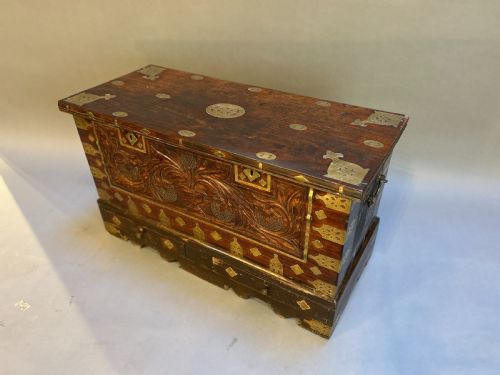
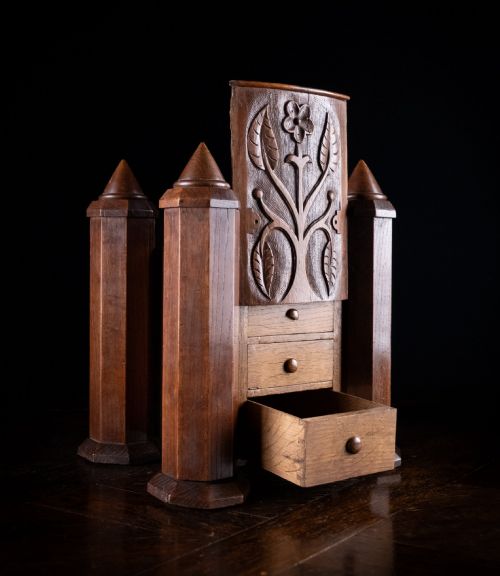
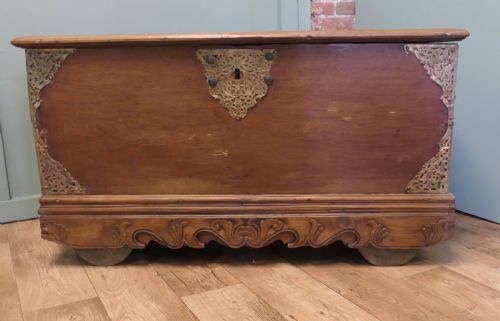
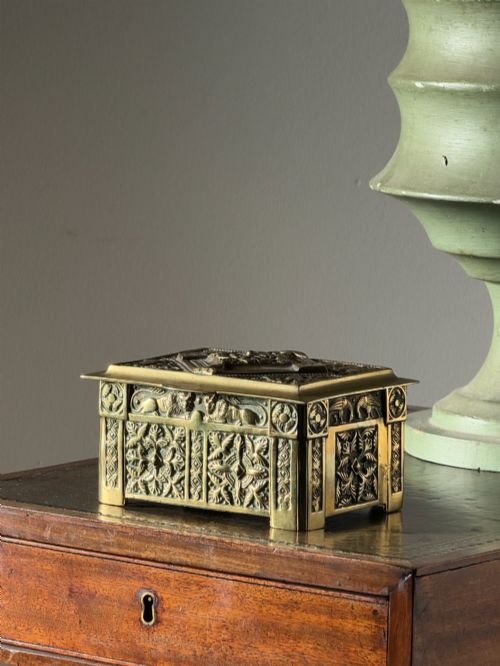
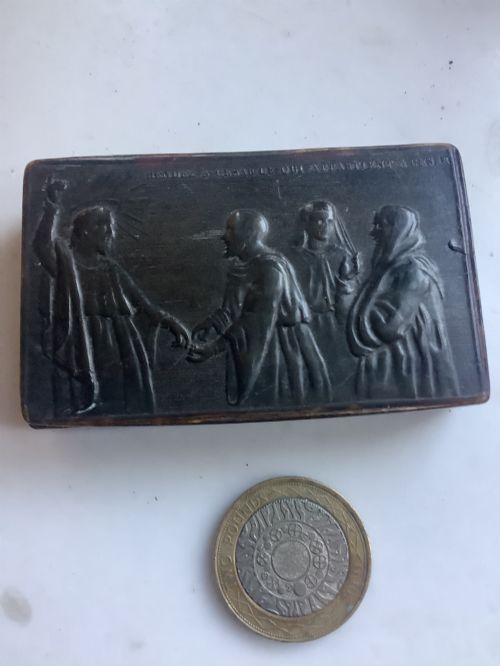
A 19th century carved box encompasses a diverse array of lidded containers, ranging from pocket-sized snuff boxes and tea caddies to larger oak Bible boxes and camphorwood storage chests. Buyers examining this category will frequently encounter regional British oak examples, Black Forest animal carvings, and intricate Chinese export pieces.
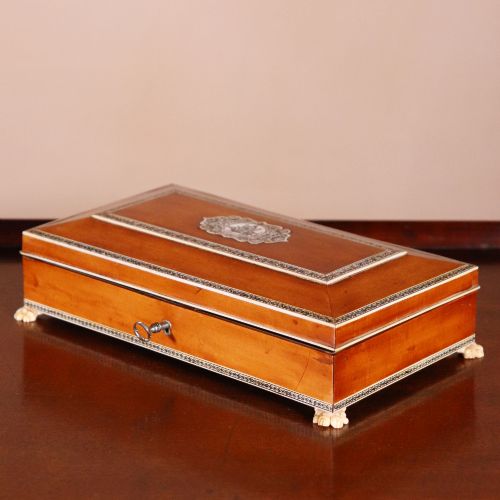
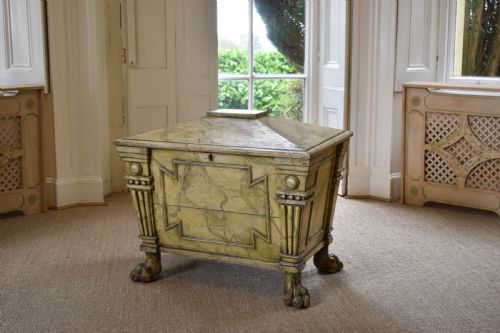
The functional scope of these containers extends from personal accessories held in the hand to substantial pieces intended for stationary display on tables or desks. Many examples double as specialised receptacles, such as humidors, document cases, and sewing boxes fitted with internal compartments.
Originating across Victorian parlours, European workshops, and distant trading ports, these boxes reflect the aesthetic preferences of their respective makers. The survival of such varied forms demonstrates both domestic utility and decorative ambition during the period.
Materials and construction methods
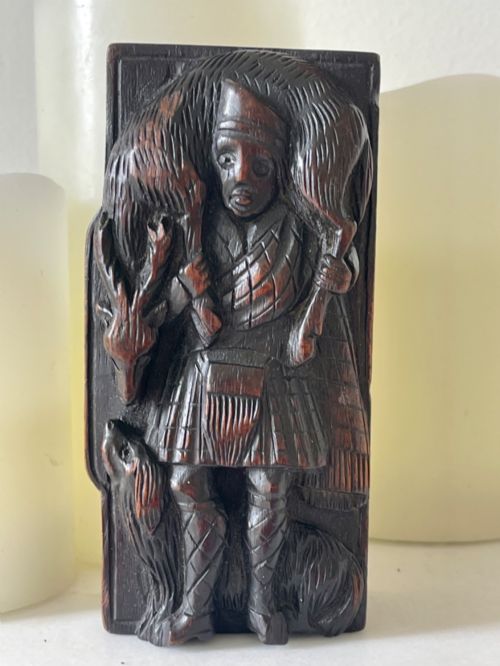
Makers utilised a variety of dense hardwoods, including native oak, walnut, mahogany, and exotic camphorwood, selected for stability and responsiveness to sharp cutting tools. Relief carving, chip carving, and pierced work were executed manually using specialised gouges and chisels to achieve depth and texture.
Alternative organic materials such as bone, horn, ivory, and coquilla nut provided smooth surfaces for minute scrimshaw engraving or delicate sculptural shaping. Secondary elements frequently incorporated brass hinges, studwork, or lock plates to secure the lids and reinforce structural joints.
19th Century Carved Box Retail Price Guide 2026
Typical asking prices for 19th century carved box among the pieces listed under this phrase on Sellingantiques today, from the lower quarter to the upper quarter. They describe what is for sale here now, not the wider market.
Assessing craftsmanship and execution
Quality reveals itself in the crispness of the chisel work and the depth of relief, where superior carvers achieved naturalistic movement and anatomical precision in figures and foliage. The integration of the carving with the underlying structural form dictates whether a piece remains a balanced sculpture or merely appears surface-decorated.
Material selection further separates standard production from exceptional examples, evident in the choice of richly figured burr walnut, flawless camphorwood, or dense, unblemished hardwoods. Interior fittings, original hardware, and the harmonious alignment of joints contribute significantly to the standing of any given piece.
The 19th Century Carved Box Glossary
- Snuff box
- A small lidded container designed to hold powdered tobacco for personal use. These items frequently display miniature carvings or specialised horn and wood shaping.
- Tea caddy
- A box built specifically to store dry tea leaves securely, often featuring internal compartments or mixing bowls. Surviving examples frequently exhibit fine mahogany or rosewood construction.
- Scrimshaw
- The technique of carving or engraving designs into bone, ivory, or whale teeth, often inked for contrast. This work was frequently executed by sailors and prisoners of war.
- Black Forest
- A regional decorative style originating in central Europe characterised by naturalistic wood carvings of bears, dogs, and forest foliage. These objects often function as humidors or trinket holders.
19th Century Carved Box: Frequently Asked Questions
What were small carved boxes used for?
Pocket-sized containers primarily held snuff, matches, or small personal keepsakes, keeping dry goods secure while travelling or socializing. Their portable nature made them common everyday companions for the Victorian owner.
Larger stationary examples sat upon desks or tables to corral correspondence, stamps, or sewing implements. Their presence in the parlour combined practical storage with an ornamental display of taste.
How do I distinguish regional carving styles?
British country workshops relied heavily on native oak, producing geometric chip carving or traditional Gothic tracery associated with Bible boxes and blanket chests. These pieces prioritize sturdy construction and straightforward utility.
Continental and export makers utilised alternative woods and motifs, such as Swiss alpine bears or intricate Chinese camphorwood figures. These traditions introduced different depths of relief and distinctive regional iconography.
Are these boxes lined or fitted inside?
Many lidded containers feature internal compartments, lift-out trays, or specialised paper and fabric linings tailored to their original purpose. Sewing boxes and tea caddies often retain complex wooden dividers and small lidded wells.
Simpler storage trunks and Bible boxes generally remained unlined, exposing the plain timber interior. The presence of fitted compartments helps identify whether a box served a specialised domestic role.
How should I care for a carved wooden box?
Maintain stable indoor humidity levels and keep wooden containers away from direct heat sources to prevent timber shrinkage and cracking. Sudden environmental changes can stress historic joints and applied carvings.
Dust intricate recesses gently with a soft, dry brush to prevent particulate buildup without applying harsh chemical polishes. Preserving the dry, natural finish maintains the historic character of the carved surface.