


19th Century Canape
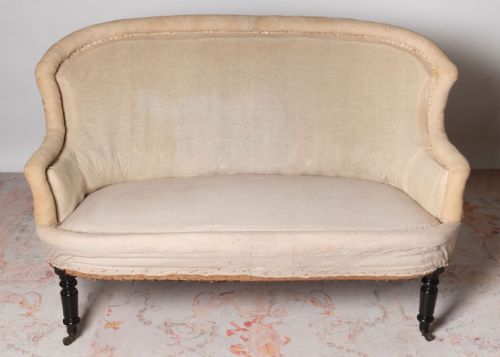
These pieces of 19th century canape seating offer grand proportions and historic craftsmanship, bringing classic European styling straight into a traditional drawing room.
What 19th century canape pieces are
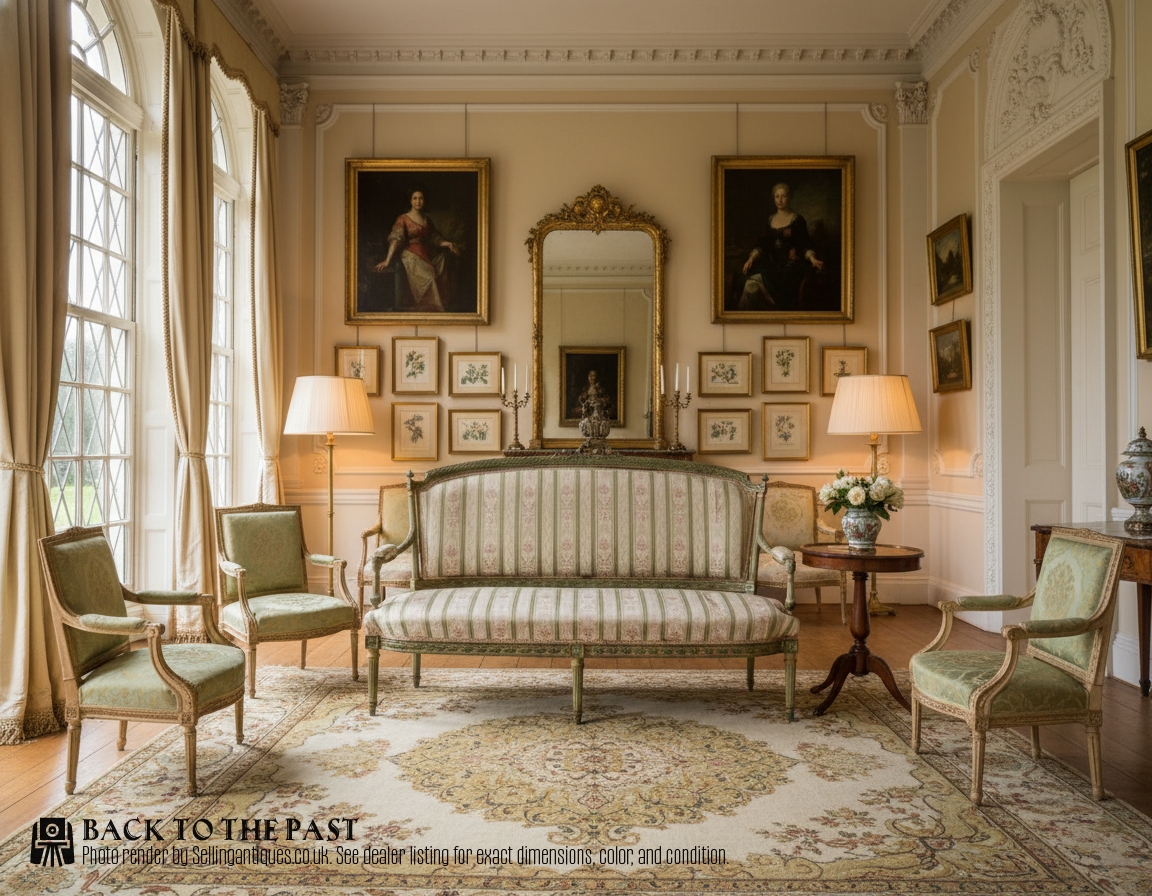
When buyers search for a 19th century canape, they are looking at large decorative settees and sofas produced across Europe during the nineteenth century. These seating forms served as prominent furniture in formal rooms, designed both for comfort and to display the owner's taste.
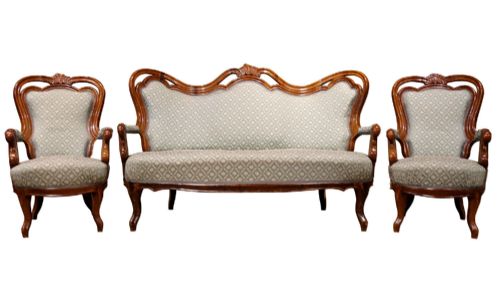
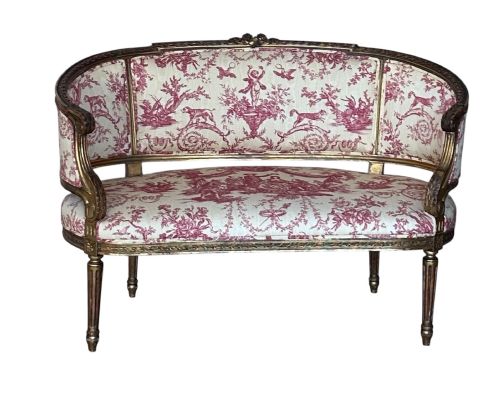
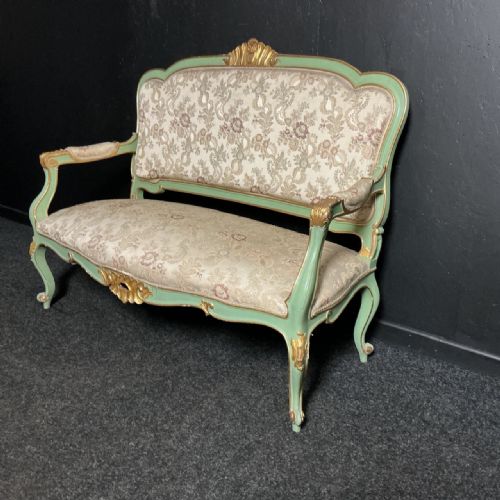
On this page, the pieces you meet most often are French designs following Louis XVI and Rococo revival styles, alongside Venetian, German, and Austro-Hungarian variations. They arrive in forms ranging from shell-shaped settees to large giltwood sofas.
The periods represented stretch from the Regency era through to the late nineteenth century and into the early twentieth century. Materials and aesthetic influences cross borders, showing how French design tastes spread through European workshops.
How they were made
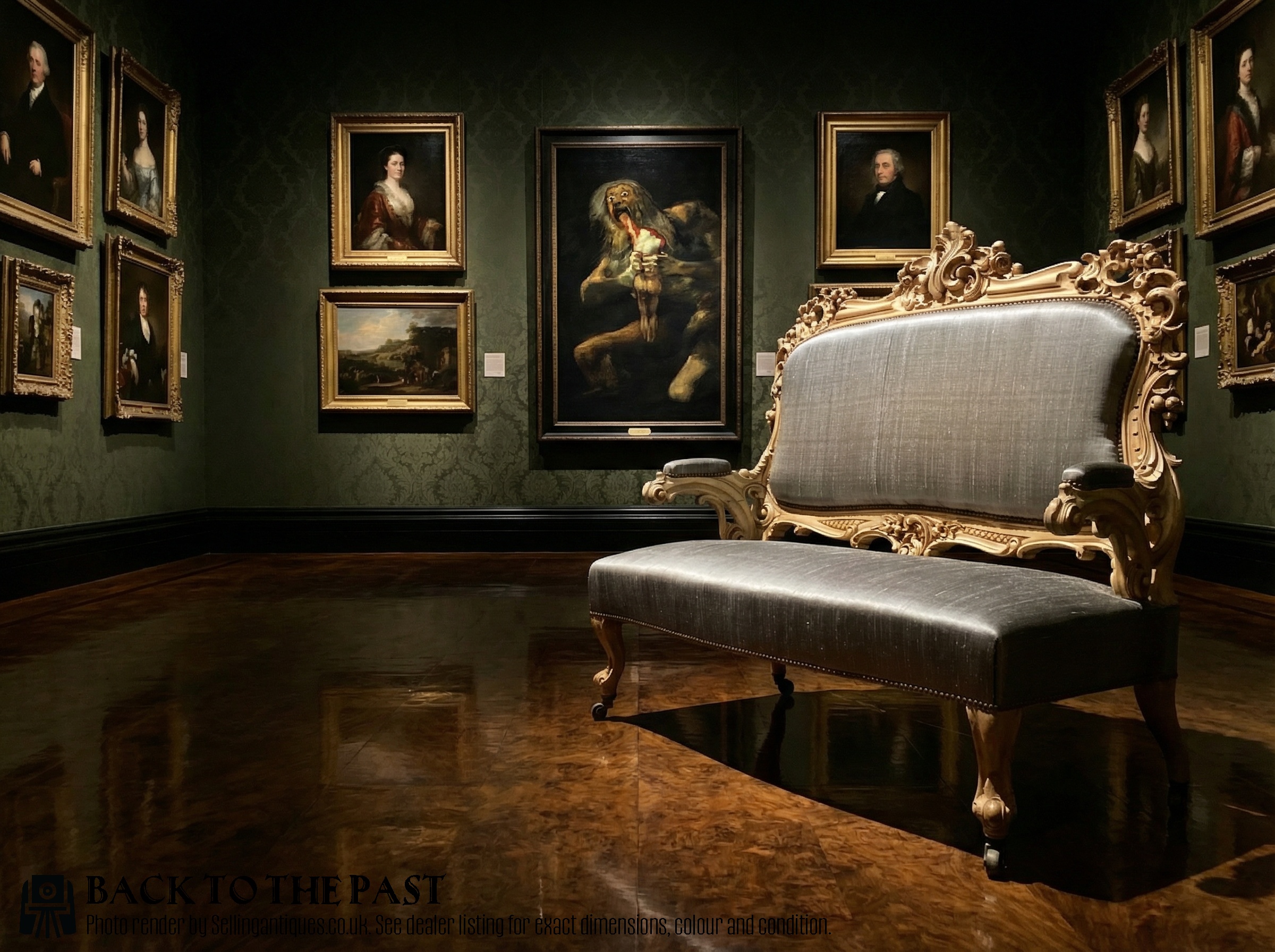
The framework of a 19th century canape relies on sturdy timbers such as beech and rosewood, shaped with hand-carved wood details. Carvers used chisel and gouge work to create intricate decorative motifs along the crest rails and cabriole legs.
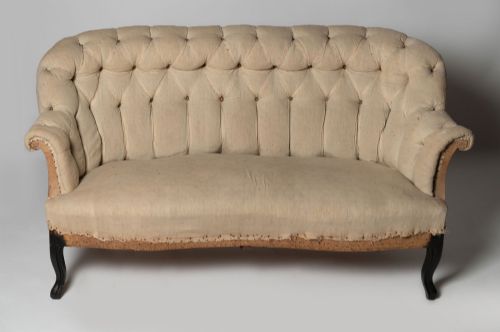
Surface finishes include applied gilt, original paint, and polished wood highlighting the natural grain. Upholstery methods incorporate traditional stuffing methods finished with textiles like linen and damask silk.
Retail Price Guide 2026
Typical UK retail prices for 19th century canape, calculated from the Sellingantiques database of over a million retail prices indexed since 2003. This retail price guide relies exclusively on Sellingantiques data; no external sources or auction records are used, so the figures do not describe the wider market.
One unexpected seating form shaped like a giant sea shell proves that nineteenth-century designers truly embraced marine biology.
What varies in quality
The standard of carving determines much of the distinction in a 19th century canape, separating deeply articulated woodwork from shallow, machine-cut decoration. Finer pieces demonstrate careful hand-tooling on every visible surface of the wooden frame.
The integrity of the original finish also shapes the piece's character, whether preserved polychrome paint, intact gilding, or patinated rosewood. Surviving textiles like damask silk or original painted surfaces elevate the historic authenticity of the seating.
The 19th Century Canape Glossary
- Canape
- An upholstered settee or sofa, typically featuring an exposed wooden frame and decorative backrest, originating in French interior design. These pieces often match accompanying armchairs in a grand salon suite.
- Giltwood
- Timber treated with a thin layer of gold leaf applied over a prepared gesso ground. This luxurious finish reflects candlelight and daylight in formal reception rooms.
- Damask silk
- A reversible figured fabric woven on a jacquard loom, frequently utilised for historic upholstery. The pattern contrasts flat warp threads with satin-faced fill threads.
- Polychrome
- Painted in several distinct colours, often seen on Venetian and continental European furniture frames. This decorative technique can mimic more expensive materials or provide floral ornamentation.
Frequently Asked Questions
What is a 19th century canape used for?
These large seating items were built for formal reception rooms, serving as comfortable places for conversation and as status symbols for wealthy households.
Today, they function as statement anchor pieces in large living rooms, hallways, or master bedrooms where their historic silhouette can stand out.
Are these sofas comfortable to sit on?
They were designed for upright seated posture and conversation during the nineteenth century rather than modern lounging. Their deep seats and high backs provide structured support when placed in a formal setting.
Many examples retain traditional stuffing methods beneath their upholstery fabrics, though comfort levels depend on the specific padding condition of each individual piece.
What woods were used for the frames?
Cabinetmakers utilised sturdy hardwoods such as beech and rosewood to construct the load-bearing frames. These timbers accepted detailed hand-carving along the crest rails and aprons without splitting.
Softer or more plain woods were often covered with paint, gilt, or leaf finishes to present a uniform decorative appearance.