
19th Century Buffet Cupboard
A 19th century buffet cupboard brings heavy timbers and ample dining storage into a room, offering practical surface space alongside enclosed shelves.
19th Century Buffet Cupboard
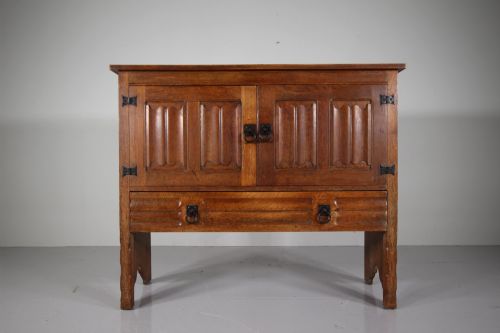
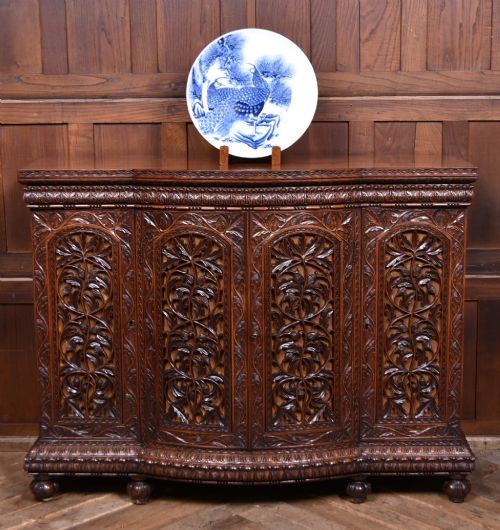
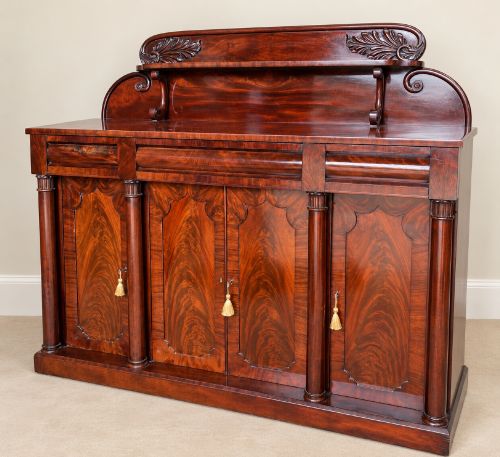
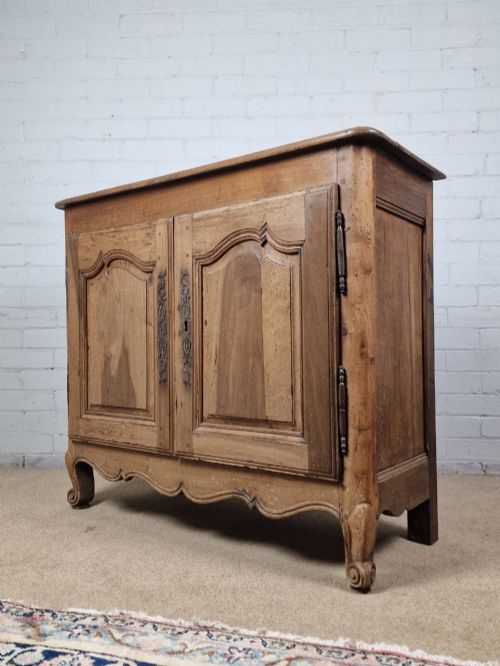
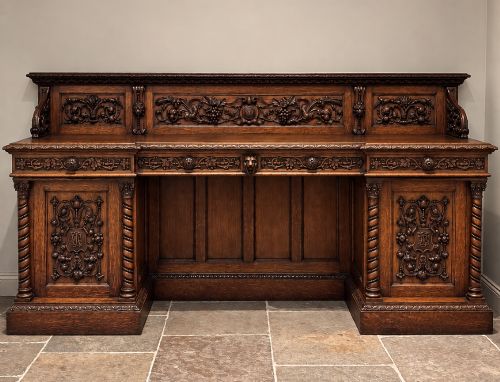
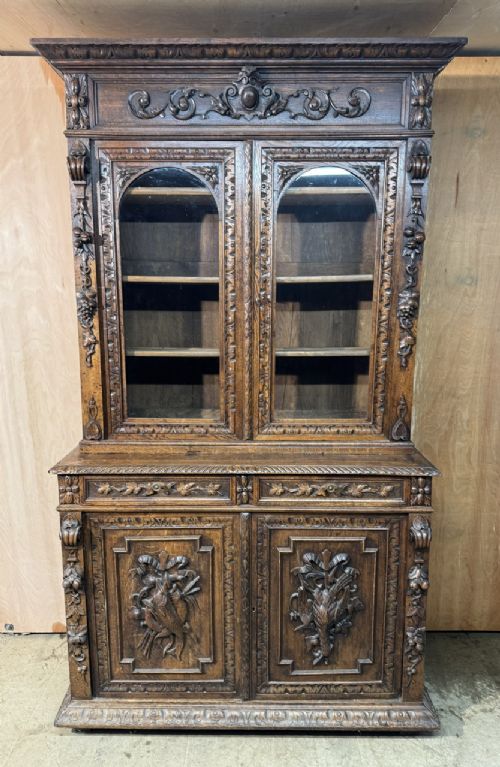
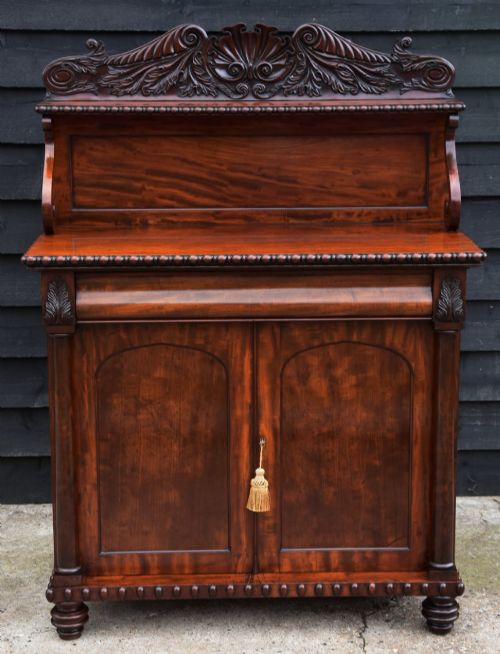
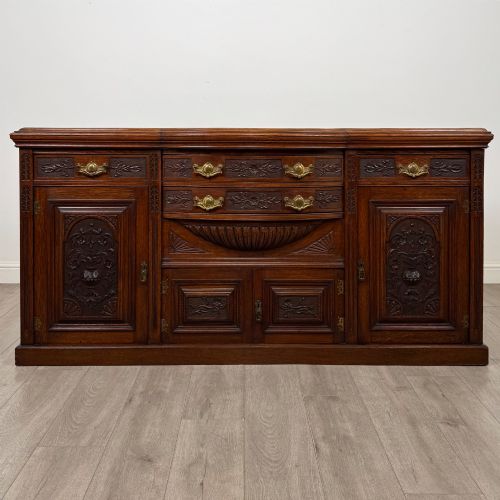
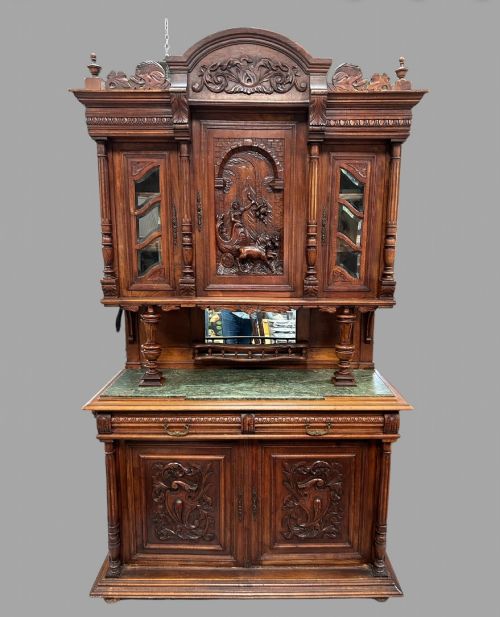
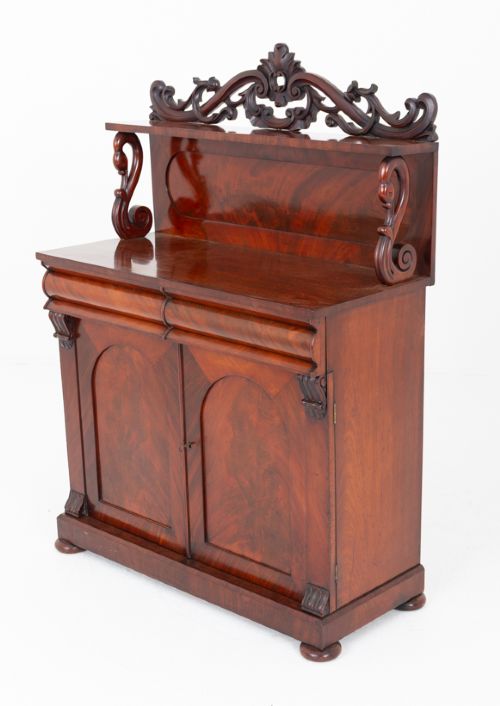
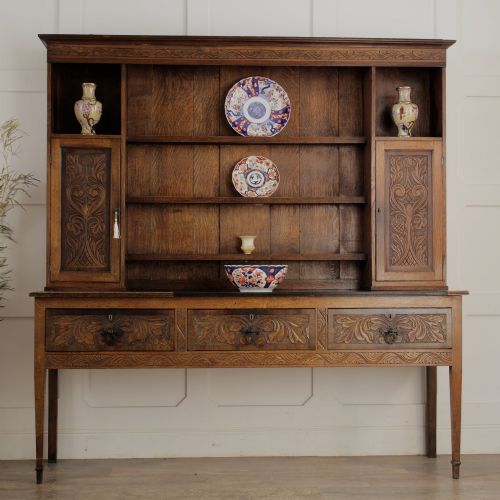
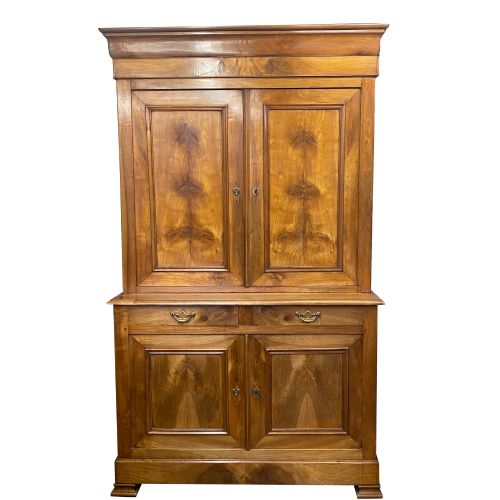
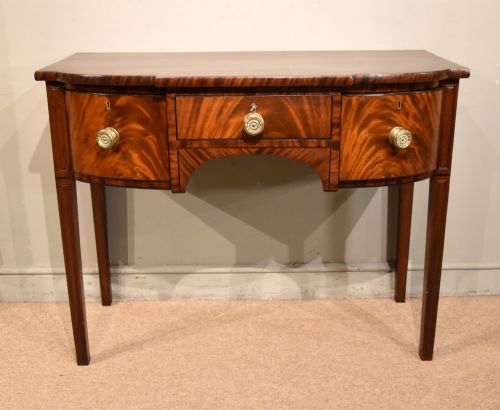
A 19th century buffet cupboard spans a broad assortment of formal sideboards, chiffoniers, dresser bases, and heavy hall cabinets designed for storage and display. These pieces originate from domestic and provincial workshops across Britain, France, Sweden, and Hungary, reflecting varied regional tastes of the period.
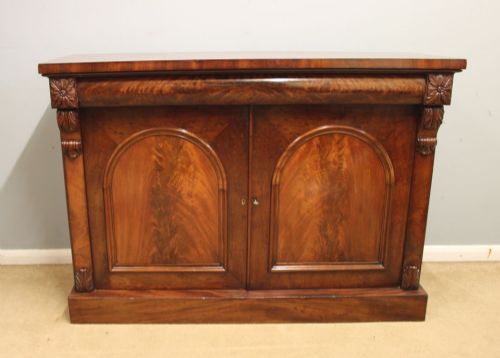
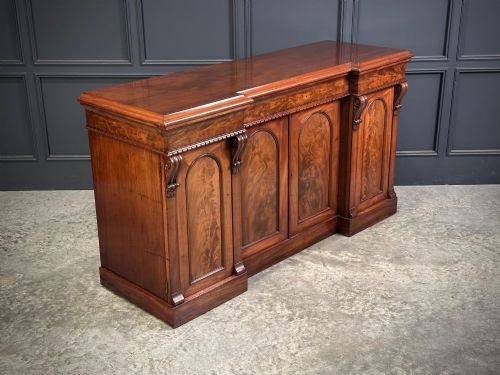
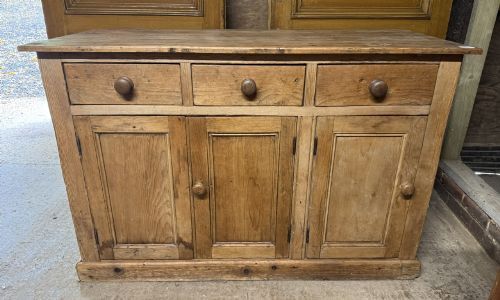
The versions met most frequently on this page include Victorian carved oak sideboards, mahogany chiffoniers, and solid pine dresser bases. Makers of the era utilised timber locally available, leading to French cherrywood and walnut examples alongside British mahogany and oak variants.
Materials and Construction
Cabinet makers built these carcasses primarily from hardwoods such as mahogany, oak, and walnut, frequently incorporating flame veneers for figured grain patterns on doors and drawers. Softer timbers like pine and fruitwood appear in provincial housekeeper cupboards and kitchen dresser bases.
Joinery relied on traditional hand-cut joints, augmented by applied mouldings, turned columns, and deep relief carving in styles spanning Gothic Revival, French Renaissance, and plain vernacular traditions. Secondary fittings incorporate brass handles, iron hardware, glass panes, and occasionally marble tops.
One French housekeeper managed to lose the key to her cherrywood cupboard, leaving a charming hand-carved wooden latch as a permanent replacement.
Quality Variations
The standard of timber selection and depth of carving differentiate baseline utility pieces from finer salon furniture. Dense flame mahogany and heavily figured oak require superior skill in veneer preparation and timber seasoning compared to plain pine storage cupboards.
Structural integrity depends on the retention of original timber backs, internal shelving, and working locks with matching keys. Secondary woods used in drawer linings and the crispness of hand-carved panels separate standard provincial work from exceptional cabinet-making.
The 19th Century Buffet Cupboard Glossary
- Chiffonier
- A compact sideboard equipped with a low enclosing cupboard beneath a shelf or mirrored back. It evolved during the Regency and Victorian periods for smaller dining or drawing rooms.
- Dresser base
- A lower storage unit featuring drawers above cupboard doors, originally designed for kitchen or pantry use. These pieces lack the upper plate rack typical of traditional full dressers.
- Flame mahogany
- Timber cut from the fork of the mahogany tree to produce a distinctive, flickering flame-like grain pattern. Cabinet makers used this veneer on prominent door panels and drawer fronts.
- Enfilade
- A long sideboard or buffet cabinet featuring a series of adjoining cupboard doors in a continuous line. This form originates largely from French provincial dining traditions.
- Breakfront
- A piece of furniture possessing a central section that projects forward from the flanking cabinets. This configuration adds architectural depth to large Victorian sideboards.
19th Century Buffet Cupboard: Frequently Asked Questions
Where did people use these cupboards?
These pieces served primarily in dining rooms, halls, and large kitchens for storing tableware, linens, and provisions. Larger sideboards and buffet cupboards held serving dishes during meals.
Smaller chiffoniers and hall cupboards found placement in drawing rooms and entranceways to store household sundries and display decorative objects.
How do I care for the wood?
Maintain timber surfaces by applying natural beeswax periodically to nourish dry wood and preserve the antique finish. Avoid placing these heavy pieces near direct heat sources or strong sunlight.
Clean surfaces with a dry or slightly damp soft cloth, avoiding modern chemical sprays that can degrade historic wax and polish layers.
What is the difference between a chiffonier and a sideboard?
A chiffonier is typically smaller and more compact than a sideboard, often incorporating an enclosed lower cupboard with a raised shelf or mirror on top. They suited smaller Victorian rooms.
Sideboards are generally larger, longer dining room pieces built to offer extensive drawer space and wider serving surfaces alongside multiple cupboard doors.
Can I use a dresser base in a kitchen?
Dresser bases function exceptionally well as modern kitchen islands or storage consoles due to their sturdy timber construction and deep drawers. Their original utility as workspace furniture translates directly to contemporary culinary settings.
Ensure that any pine or hardwood surface is sealed appropriately if exposed to regular moisture or food preparation.