


19th Century Bronze Vessel
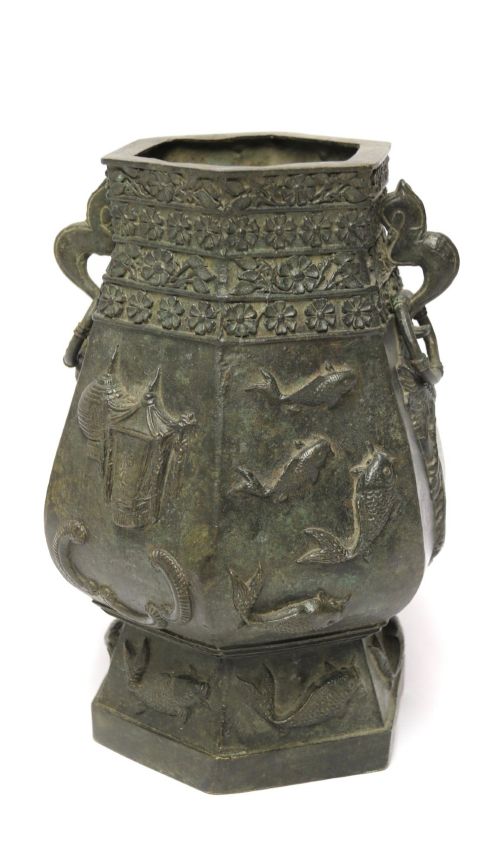
These 19th century bronze vessel pieces range from grand tour souvenirs to intricate Chinese censers, offering solid metalwork and lasting decorative presence.

19th Century Bronze Vessel
A 19th century bronze vessel encompasses utilitarian and decorative objects, from heavy Chinese censers and Japanese Meiji vases to European grand tour urns and inkwells. Buyers search for these pieces to bring substantial metalwork, rich patination and distinct cultural styles into an interior space.
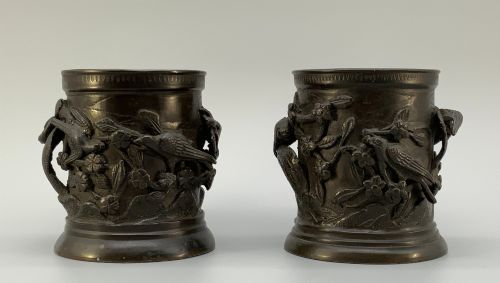
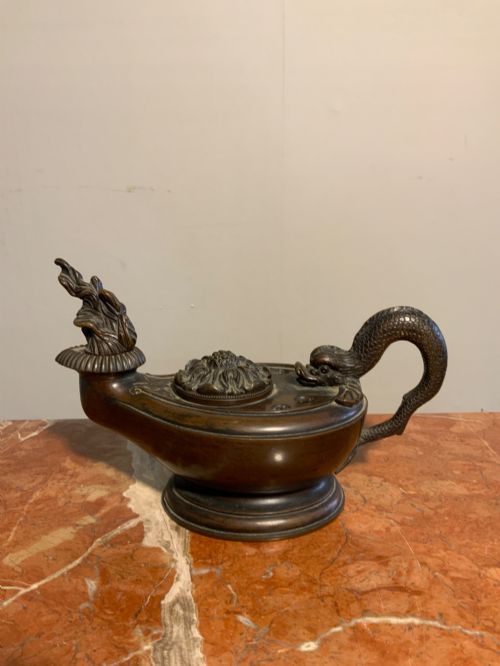
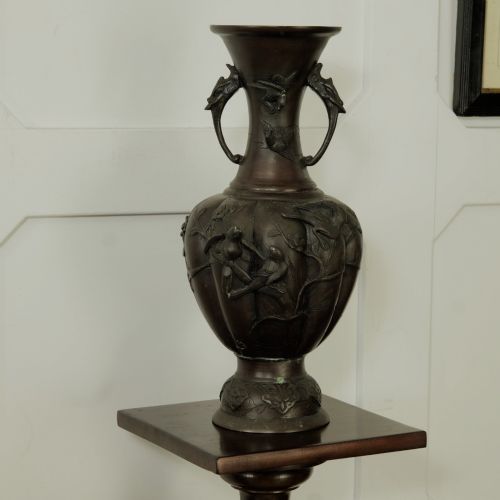
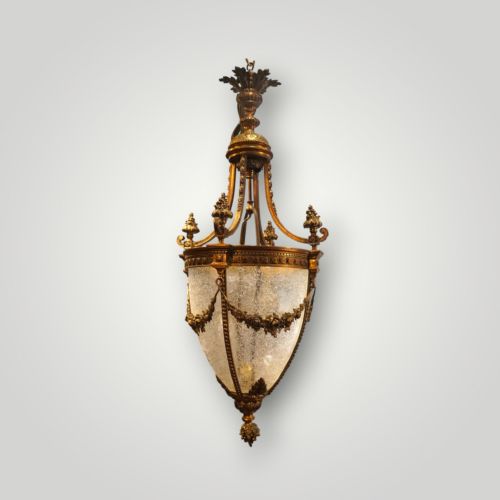
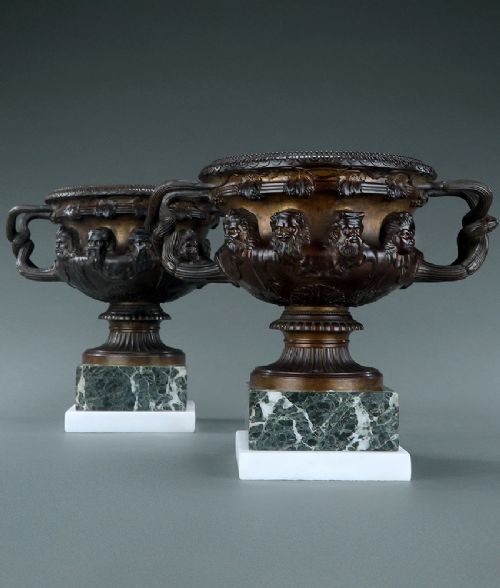
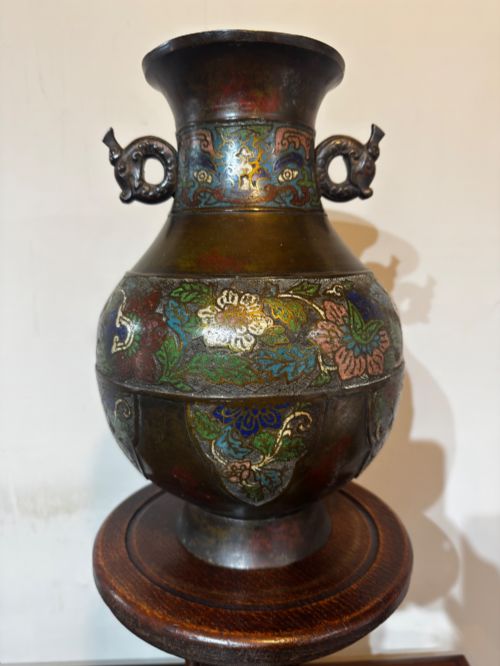
The versions most commonly met on this page include Qing dynasty Chinese bronzes bearing high-relief work, Japanese Meiji period vases decorated with birds or blossom, and French or English neoclassical urns and centrepieces. These forms reflect the eclectic tastes of the nineteenth century, mixing Asian export goods with European revivals.
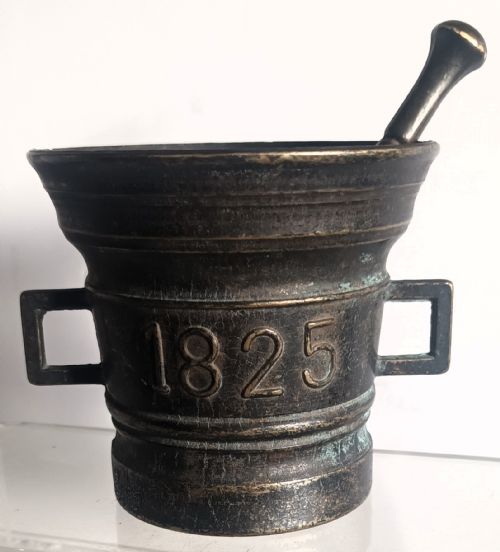
Objects span utility and display, taking the shape of brush washers, mortars, ewers, and lidded pedestal bowls alongside traditional vases. Each piece records the specific manufacturing ambitions of its origin, whether cast in a London workshop or shaped in Beijing.
How they were made
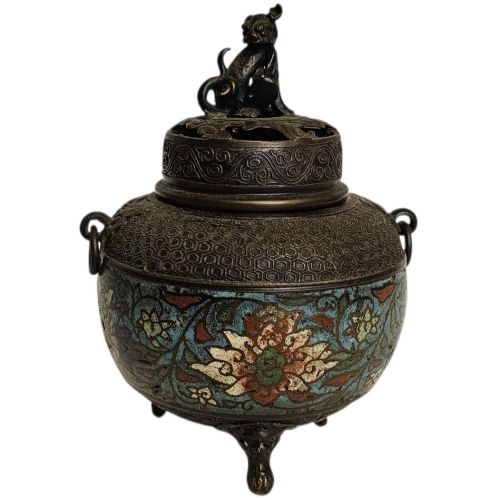
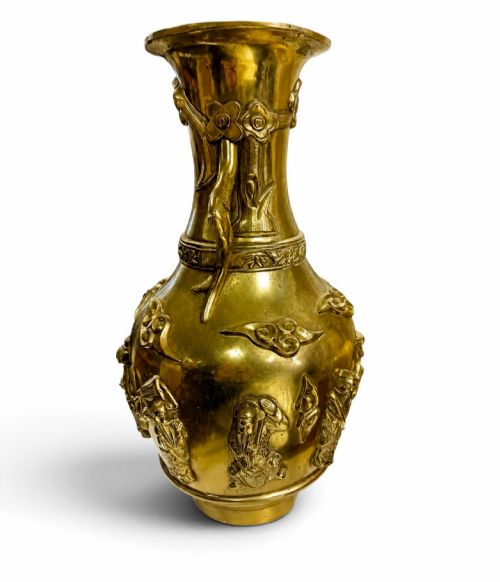
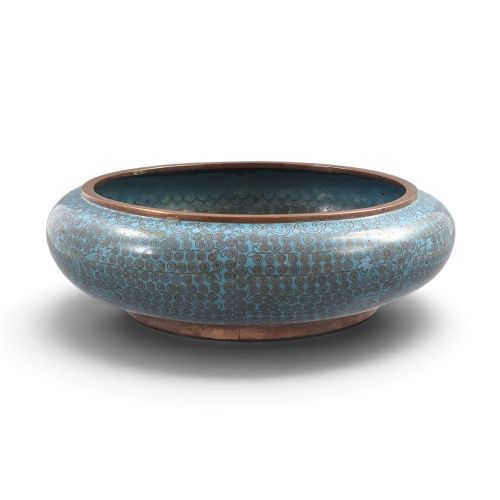
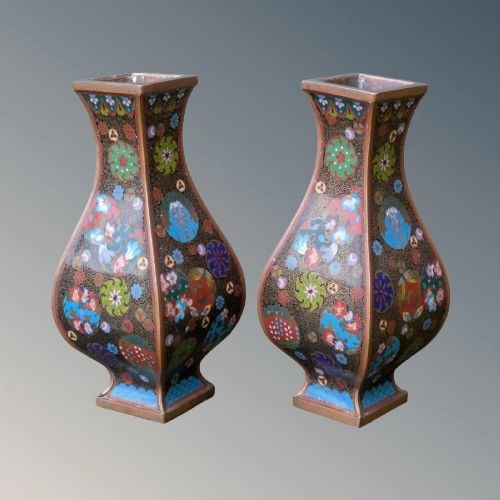
Makers utilised bronze, copper-alloy, and brass alongside decorative surface treatments such as champlevé enamel, cloisonné enamel, and gilding. Castings were frequently heavy, requiring skilled foundry work to achieve crisp details like dragon handles or high-relief Daoist immortals.
Finishing techniques involved hand-chasing, carving, and applying ormolu mounts, green onyx, or porcelain panels. Artisans combined metal casting with intricate wirework for enamel cells, securing coloured pastes before firing and polishing the surface.
Listings feature periods from the Georgian era through to the Victorian period, alongside Qing dynasty and Japanese Meiji origins.
What varies in quality
Quality rests in the crispness of the casting and the precision of the hand-chased details. Superior examples display deep relief work, clean resonance upon striking, and tightly fitted lids or bases without sloppy joins.
The integrity of surface decoration marks the division between ordinary and exceptional items. Intact enamel work, secure gilding, and balanced patination indicate careful historical manufacture and better materials.
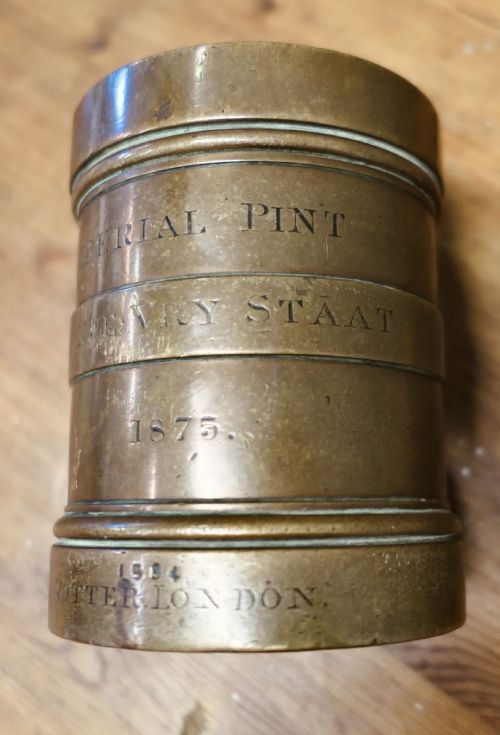
Potter of London
The 19th Century Bronze Vessel Glossary
- Cloisonne enamel
- A metalwork technique where thin wire strips are soldered to a bronze base to create cells filled with enamel paste. This method produces vibrant decorative patterns across vases and bowls.
- Grand tour
- A term describing souvenirs purchased by affluent travellers touring cultural sites in Europe during the nineteenth century. These items typically replicate classical antiquity.
- Ormolu
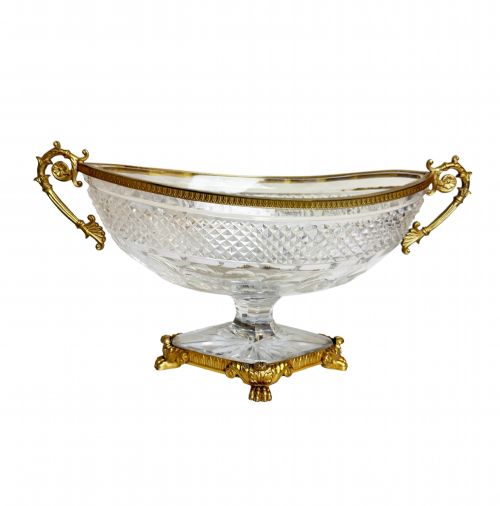
- Gilded bronze mounts applied to furniture, clocks, or decorative vessels. The process involves treating the metal with a gold-mercury amalgam to achieve a bright finish.
- Censer
- A vessel designed for burning incense, frequently featuring tripod legs and removable lids. Chinese examples often incorporate dragon or lion handles.
- Champleve
- An enamelling process where troughs or cells are hollowed directly into the bronze surface and filled with vitreous enamel. It creates a rich, multicoloured pattern before final polishing.
19th Century Bronze Vessel: Frequently Asked Questions
What is a 19th century bronze vessel?
A 19th century bronze vessel is a metal container or decorative object produced during the eighteen-hundreds, covering utilitarian items like mortars alongside ornamental urns.
These pieces originate from European workshops and Asian traditions, utilising copper-alloys, gilding, and enamel work.
How were bronze vessels used?
Many vessels served practical household or ritual functions, such as burning incense in Chinese censers or measuring liquids in English pint pots.
Others functioned purely as decorative centrepieces, inkwells, or architectural ornaments on grand tables and desks.
How do I style a bronze vessel?
Bronze vessels suit placement on wooden sideboards, stone mantelpieces, or dedicated display stands where their weight and dark patination provide contrast.
Pairing them with natural light highlights the chased details, high-relief figures, and inlaid enamel work.
How do I tell periods apart?
Distinguishing periods relies on recognising stylistic markers such as Japanese Meiji motifs, Qing dynasty dragon handles, or European neoclassical revival shapes.
Examining the casting weight, base marks, and secondary materials like green onyx or porcelain helps confirm the era of manufacture.