




19th Century Bronze Timepiece
These 19th century bronze timepiece designs deliver classical weight and intricate foundry work to any interior mantelpiece.
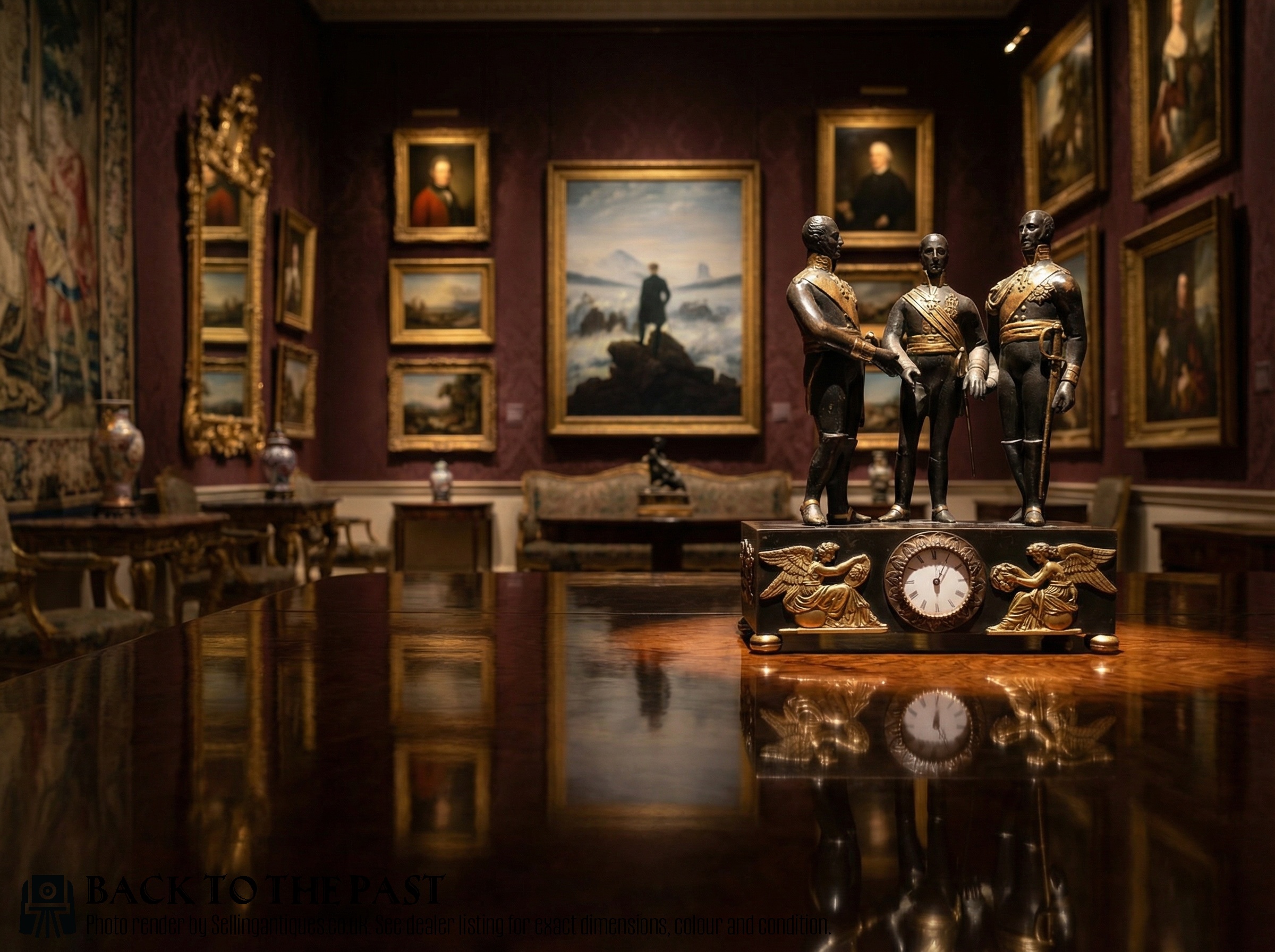
19th Century Bronze Timepiece
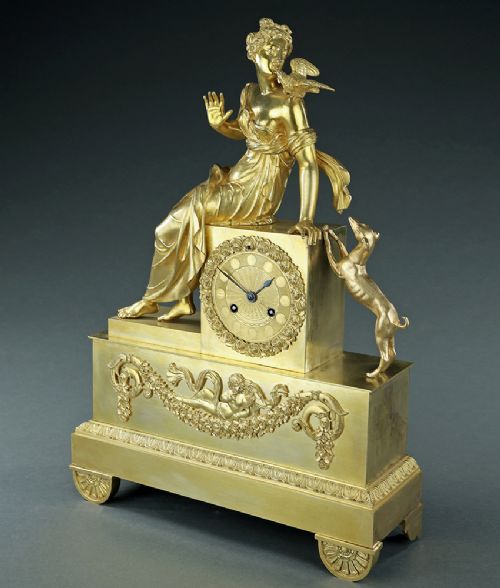
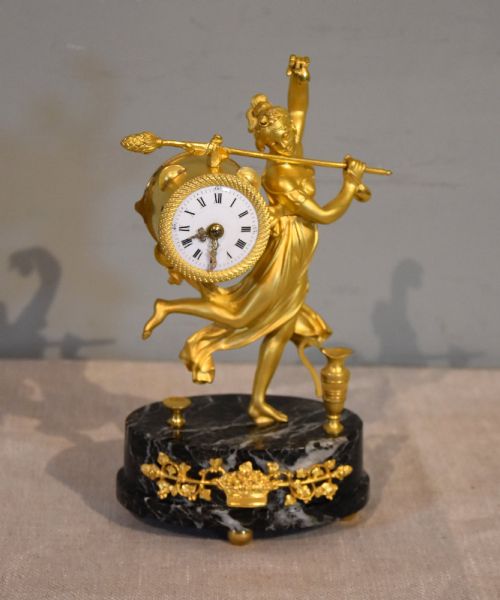
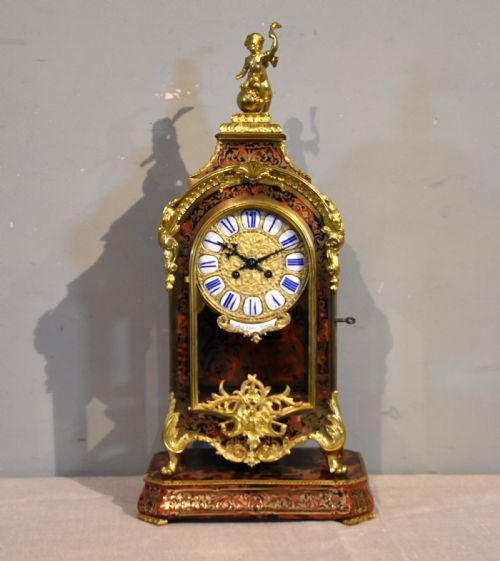
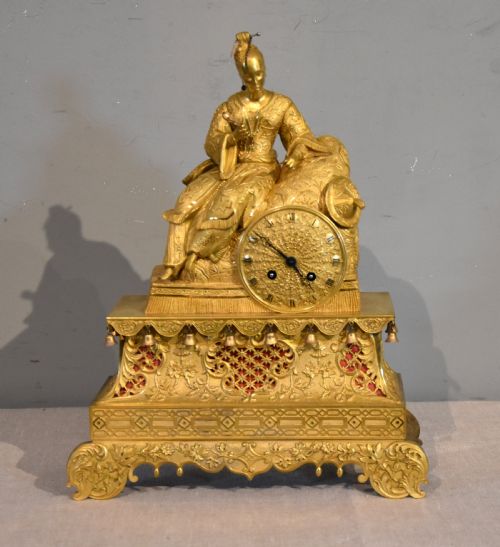
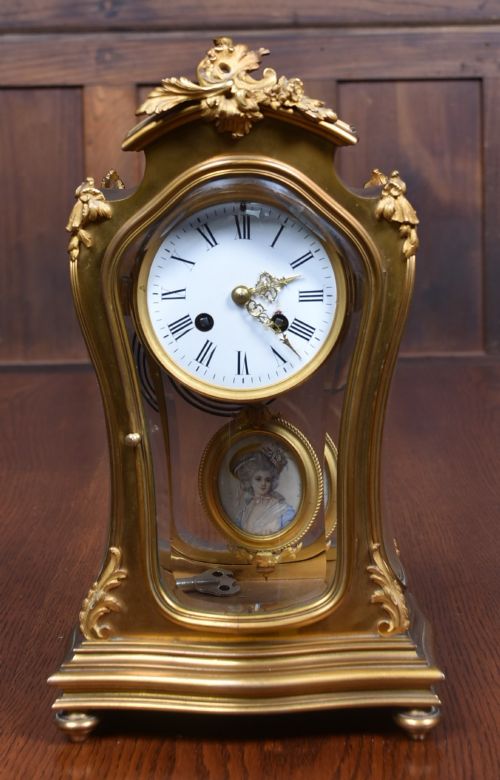
A 19th century bronze timepiece brings together decorative metalwork and mechanical timekeeping, predominantly appearing as French mantel clocks, portico clocks, and clock garnitures from the Victorian era and earlier decades. Buyers examine ornate figural subjects, architectural marble bases, and wall-mounted cartel clocks originating from active European workshops.
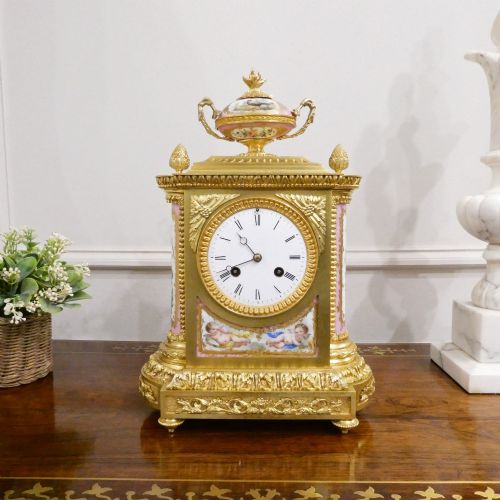
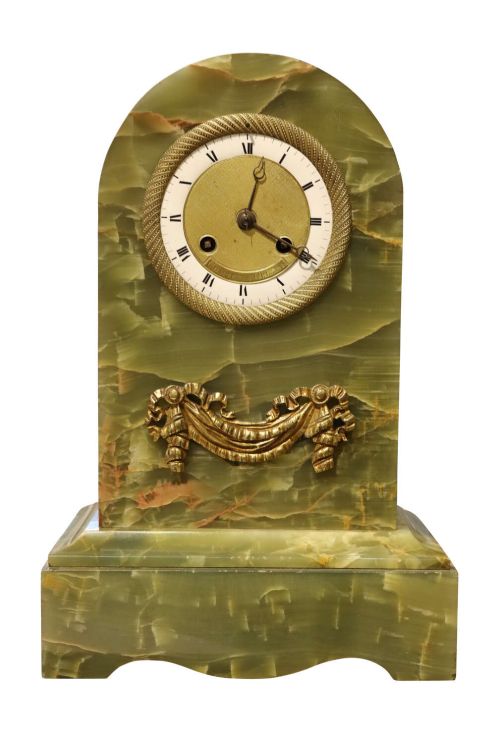
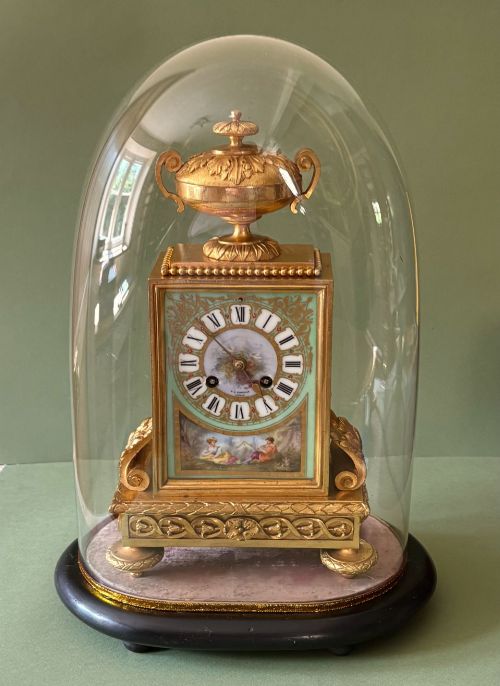
The selections span distinct historical revivals including French Empire, Louis XVI, and Rococo styles alongside Gothic and classical themes. Most items combine cast bronze or ormolu with contrasting materials such as sienna marble, green onyx, and hand-painted porcelain panels.
Many examples incorporate specialised sub-types like carriage clocks and bedside miniatures complete with enamel dials. The physical forms range from compact tabletop pieces to massive decorative garniture sets designed to anchor a room.
How they were made
Foundries utilised lost-wax and sand-casting techniques to shape bronze and brass components, subsequently applying mercury gilding or patination to achieve the characteristic ormolu surface finish. Enamel dials were fired on copper plates and fitted with delicate hands before integration into heavy marble and onyx housings.
Clockmakers housed mechanical movements within these cast metal and stone chassis, incorporating eight-day striking trains and signed miniature paintings. Artisans mounted porcelain plaques, such as Sevres inserts, directly into the bronze frames alongside hand-chased figural ornamentation.
Listings feature items spanning from 1850 through 1900, incorporating materials like gilt bronze, sienna marble, and hand-painted porcelain.
What varies in quality
The distinction between tiers rests upon the crispness of the bronze channelling and the depth of the original ormolu gilding. Superior examples display deeply chiselled surface details on figural castings, whereas lower grades show softer, worn contours from repetitive casting moulds.
Precision in the marble or onyx housing and the integration of signed mechanical movements by notable makers elevate the overall execution. Complete garniture sets with matching candelabra represent a higher standard of original ensemble design.
Jean-Baptiste Delettrez·Charles à Orléans·Rodier·Leon Message·Jollet et Cie·Samuel Marti·Ravrio·Pons de Paul·Henri Jacot
The 19th Century Bronze Timepiece Glossary
- Ormolu
- Gilt bronze created by applying a mercury and gold amalgam to a bronze object and heating it to drive off the mercury. This technique produces a rich golden finish characteristic of French decorative arts.
- Garniture
- A set of matching decorative objects, typically a central clock accompanied by a pair of side vases or candelabra. These sets were designed to sit together on a mantelpiece.
- Portico clock
- A mantel clock featuring a distinctive architectural frame supported by four columns. They frequently date to the early nineteenth century.
- Champlevé
- An enamelling technique where troughs or cells are hollowed out of a metal surface and filled with vitreous enamel powder before firing. The resulting piece shows vibrant coloured patterns flush with the metal partitions.
- Cartel clock
- A wall-mounted clock housed in an ornate, scroll-framed case made of gilt bronze or wood. They were popular in French domestic interiors during revival periods.
19th Century Bronze Timepiece: Frequently Asked Questions
How do I wind a 19th century bronze timepiece?
Most of these mechanical clocks utilise a key-wound movement that requires gentle turns on the winding squares located on the enamel dial face. Care must be taken not to overwind the mainspring.
Matching the correct key size to the arbor prevents damage to the delicate internal gearing of these older French movements.
What is a clock garniture?
A clock garniture consists of a central mantel timepiece flanked by a matching pair of decorative side pieces such as urns or candelabra. These sets were manufactured to create a balanced arrangement on a fireplace mantel.
Originating largely in nineteenth-century French workshops, they utilise identical bronze casting and marble materials across all components.
How do I identify the style of these clocks?
Style identification relies on examining the decorative motifs cast into the bronze or carved into the marble housing. French Empire pieces feature military trophies and classical figures, while Rococo examples display asymmetrical scrolls and naturalistic foliage.
Later Victorian interpretations frequently blend these historical design vocabularies with heavier stone bases.
Where should I place a heavy marble and bronze clock?
These dense pieces require a sturdy, level surface capable of supporting considerable weight from the marble and bronze construction. Mantelpieces and heavy sideboards provide adequate support for the physical bulk.
Placing them away from direct sunlight protects fragile enamel dials and painted porcelain panels from thermal expansion and fading.