


19th Century Box
When you search for a 19th century box, you enter a diverse world of practical storage and decorative containers designed for travel, correspondence and keeping small treasures.

19th Century Box
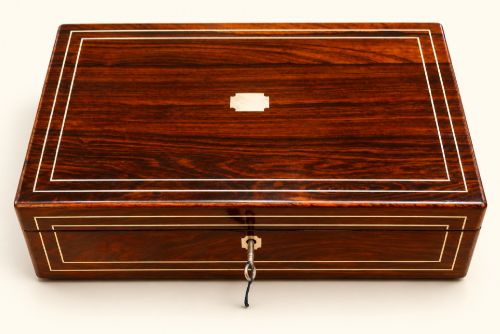
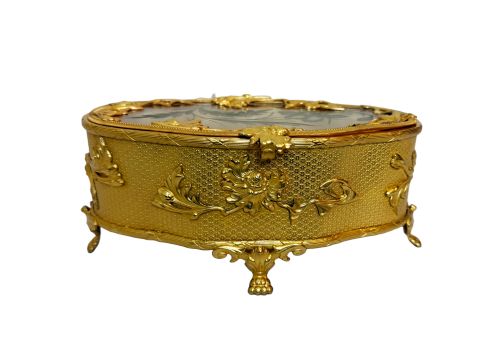
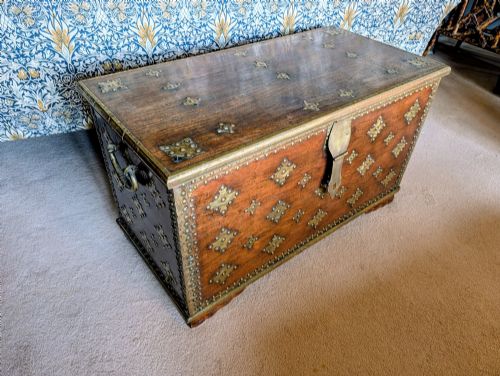
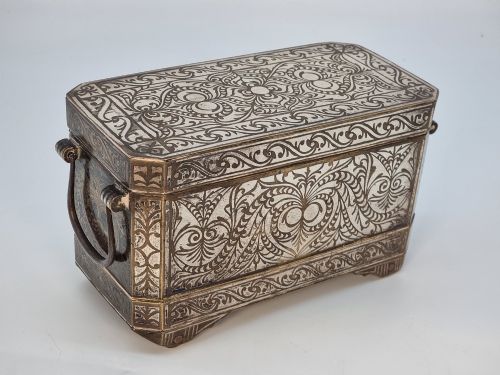
The selection reflects the diverse materials and origins of the period, including brass-bound camphor wood from the China Trade, lacquered French trinket boxes, and rustic country pine pieces. Makers utilised exotic hardwoods alongside domestic timbers to create items tailored to specific domestic and travel needs.
How they were made
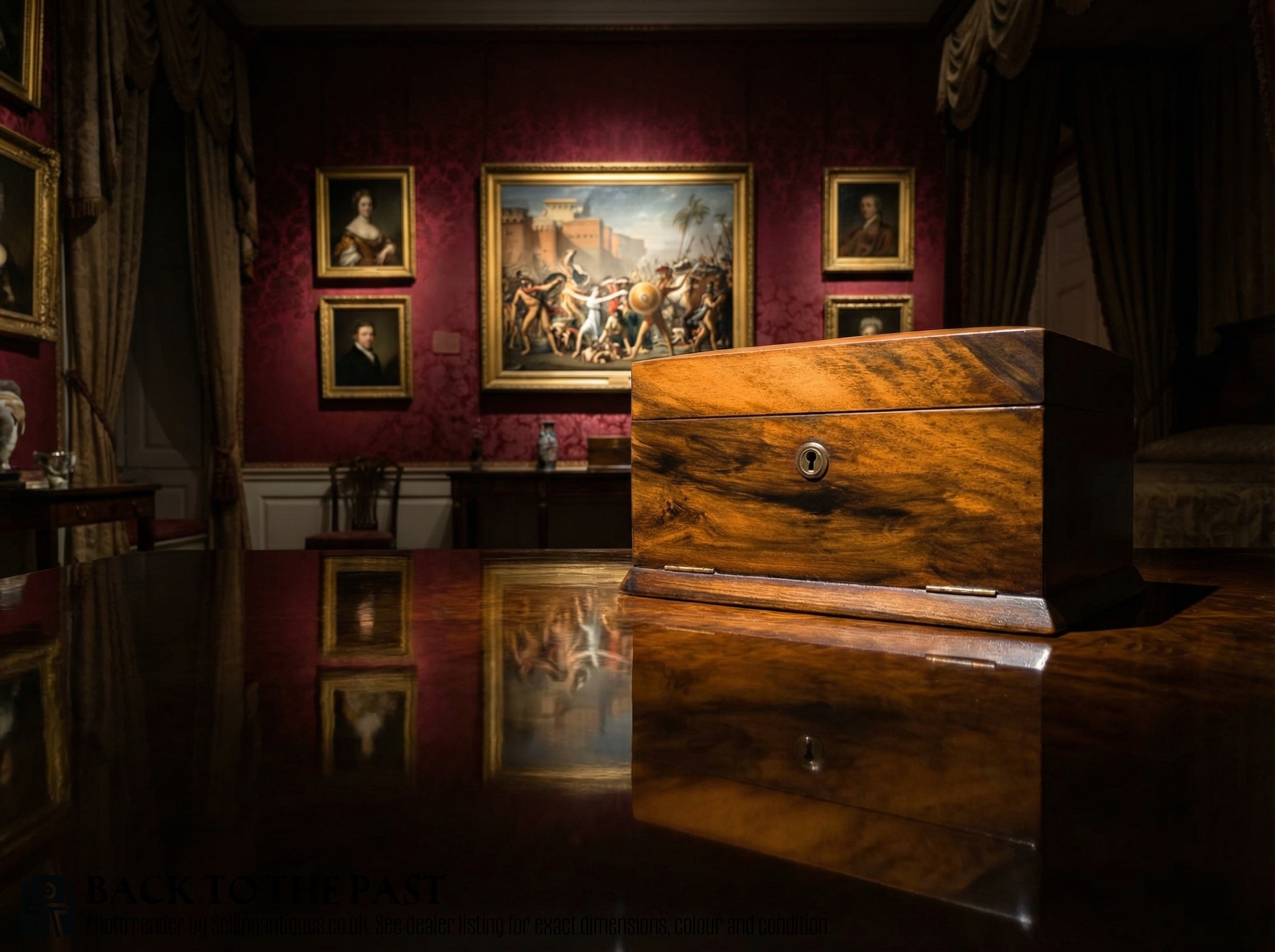
Craftsmen shaped these pieces using traditional joinery and specialist surface techniques, combining structural timbers like pine, oak, mahogany and walnut with decorative veneers such as burr walnut, kingwood and amboyna. Metal mounts in brass, iron and silver frequently reinforced corners and edges on campaign trunks and heavy storage chests.
Surface ornamentation defines many examples, utilising marquetry, parquetry, mother-of-pearl inlay, leather coverings and painted chinoiserie or folk art designs. Skilled workers also applied specialised finishes including lacquer, gilt brass and micro mosaic panels to smaller decorative items like snuff boxes and stationery cases.
19th Century Box Retail Price Guide 2026
Typical asking prices for 19th century box among the pieces listed under this phrase on Sellingantiques today, from the lower quarter to the upper quarter. They describe what is for sale here now, not the wider market.
Even beetles took physical form as copper and enamel novelty snuff boxes during the late nineteenth century.
What varies in quality
Quality in a 19th century box rests upon the selection of timber, the precision of the joinery and the sophistication of any decorative inlay or metal mounting. Superior examples display carefully matched grain patterns, tight dovetail joints, and intact original fittings such as locks, handles and interior compartments.
The degree of artistic execution in surface decoration distinguishes finer pieces, whether through finely hand-painted details, intricate micro mosaic work or expertly fitted interiors. Greater refinement in secondary woods and retained maker signatures or stamps elevate the standing of an individual piece within its type.

Tahan Paris·Susse Freres Paris·Samuel Pratt·Gioacchino Barberi·William Seuffert
The 19th Century Box Glossary
- Campaign trunk
- A robust chest designed for military travel, featuring recessed brass handles, reinforced corners and durable timbers such as camphor wood or teak.
- Tea caddy
- A lidded container built to store precious loose tea leaves, often featuring internal compartments and secure locks.
- Marquetry
- The art of applying decorative veneer pieces in wood, metal or shell to form intricate pictorial or geometric patterns on a surface.
- Treen
- Small handmade wooden household objects and utility items, valued for their tactile qualities and historic turning or carving techniques.
- Snuff box
- A small, pocket-sized container fashioned to hold dry powdered tobacco, frequently executed in precious metals, horn, papier-mâché or stone.
19th Century Box: Frequently Asked Questions
What were camphor wood chests used for?
Camphor wood chests served primarily as durable luggage for officers and travellers navigating distant colonies during the 19th century. The natural oils in the timber helped protect stored clothing and documents from insects and humidity.
These heavy trunks later found a permanent place in domestic interiors as blanket chests or storage tables, appreciated for their distinct aromatic properties and robust brass-bound construction.
What is the difference between a coffer and a trunk?
A coffer generally denotes a heavy wooden storage chest of traditional panelled construction, often associated with domestic linens, valuables or secular documents in country houses. Trunks typically incorporate reinforced framing, leather or metal coverings, and carrying handles suited for frequent transportation.
While both provided essential storage before fitted wardrobes became standard, their primary distinction lies in their intended mobility and exterior reinforcement.
How are antique tea caddies constructed?
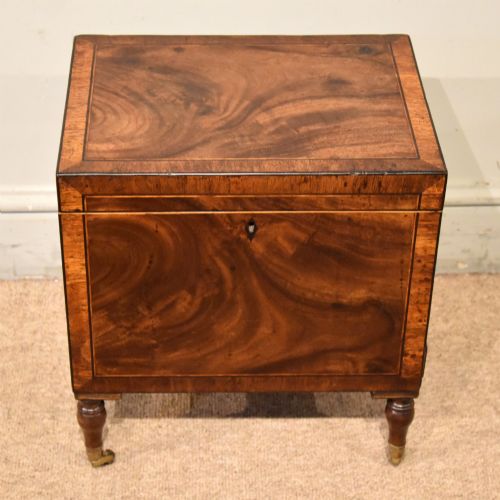
Antique tea caddies were built as secure miniature cabinets using fine hardwoods like mahogany, rosewood or tortoiseshell, often enhanced by brass stringing and mother-of-pearl inlay. The interior generally contained one or two lidded compartments and sometimes a glass mixing bowl.
Because tea was an expensive commodity in the 19th century, these caddies were fitted with working locks and keys to restrict access to the contents.